CityLowry HillLowry Hill East (The Wedge)East IslesCedar-Isles-DeanBryn MawrLake of the IslesGreater Uptown & Nearby
Minneapolis Ended Single-Family-Only Zoning — and the Courts Upheld It
The city was the first major U.S. city to eliminate exclusive single-family zoning, a change tested and sustained in court.
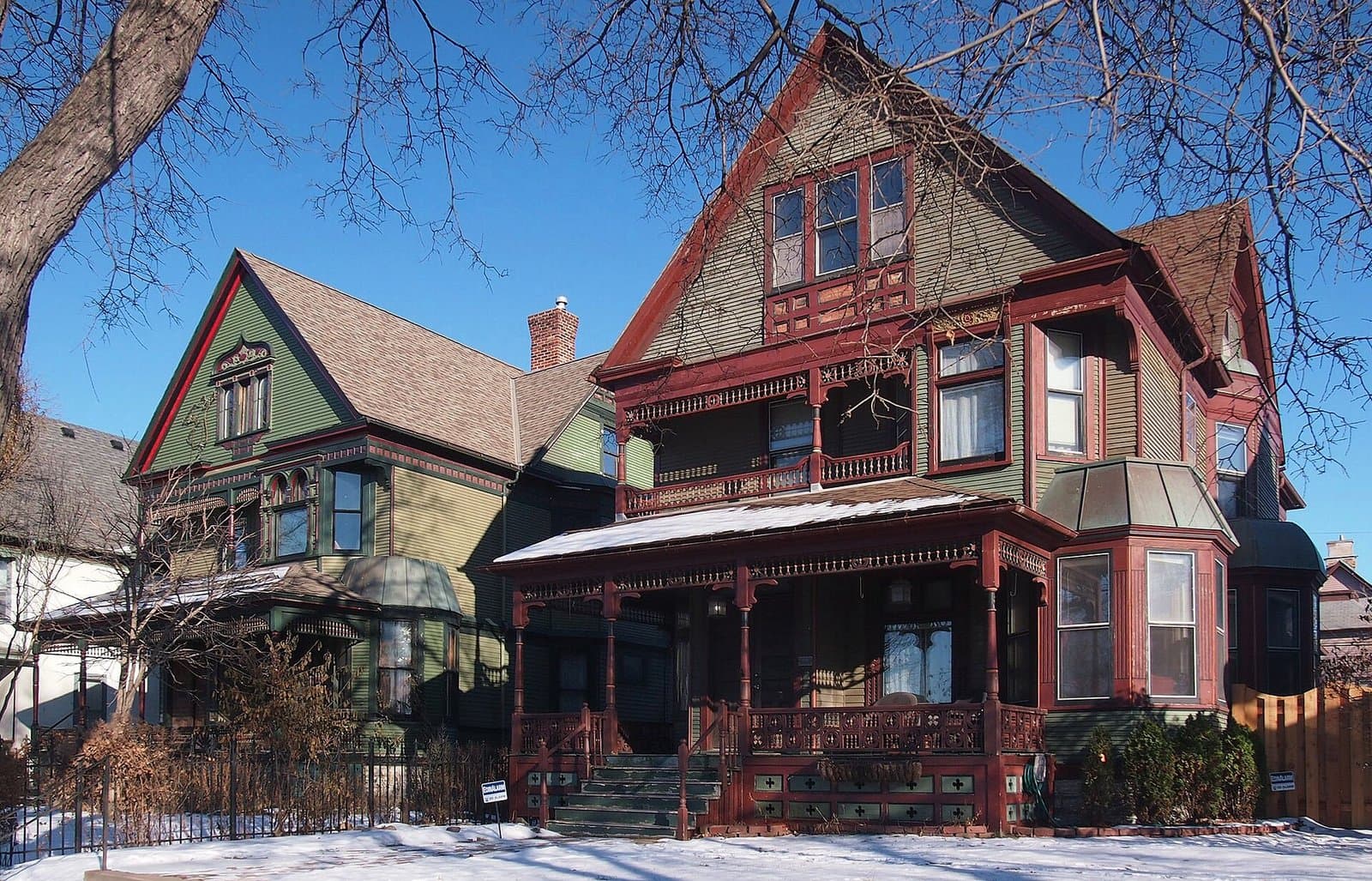
First in the nation, upheld
Minneapolis made national news in December 2018 when it became the first major U.S. city to eliminate single-family-only zoning through its 2040 Comprehensive Plan. After a multi-year legal challenge, that landmark policy was ultimately allowed to stand — a resolution with real consequences for how the city's neighborhoods can grow.
The decision to end single-family-only zoning, and the courts' eventual clearing of the legal path for it, reshaped the rules that govern construction across Minneapolis, including the lakes-and-hill neighborhoods.
What 'ending single-family zoning' actually meant
Before 2040, large swaths of Minneapolis were zoned to allow only detached single-family homes — one house per lot, by law. The 2040 Plan changed that by allowing up to three units, meaning duplexes and triplexes, on residential lots citywide. It opened more of the city to modest 'missing middle' housing, the small multi-unit buildings that sit between single houses and large apartment blocks.
Crucially, it was a change to what is permitted, not a requirement to redevelop anything. A single-family home remains entirely legal and always will be; the difference is that a duplex or triplex is now an option in places it previously was forbidden. Nobody is forced to build, sell or change a thing.
It was a change to what's permitted, not a requirement to build. A single-family home is still legal — a duplex is simply now an option too.
How the courts cleared it
The path was not smooth. Opponents sued under the Minnesota Environmental Rights Act, and a Hennepin County district court halted the plan, finding the environmental challenge could proceed and ordering the city to stop implementing it. For a stretch, the landmark policy was suspended.
But the Minnesota Court of Appeals reversed that injunction on May 13, 2024, allowing enforcement to resume. The 2024 Legislature then codified a residential-density exemption from MERA, and the Minnesota Supreme Court declined to take the environmental challenge further — a sequence that, taken together, left the policy intact and largely shielded from the same kind of suit.
What it means for the neighborhoods
For the Wedge, Lowry Hill, East Isles and the lakes areas, the upheld policy means small-scale density — a duplex where a single house once stood, a triplex on a corner lot — is now a permanent part of the zoning landscape rather than a contested experiment.
Whether and where that density actually appears depends on owners, lot economics and the market, not on any mandate. But the legal door is open, and over time the housing stock of these neighborhoods can gradually diversify in ways the old single-family rules forbade. For renters, that can mean more homes; for some homeowners, it can mean a different-looking block.
The continuing debate
Upholding the policy did not end the argument over it, and it would be wrong to pretend otherwise. Supporters see it as a tool for affordability, for welcoming more neighbors, and for steering growth toward existing neighborhoods rather than outward sprawl. They view the modest scale — three units — as gentle, incremental change.
Critics worry about neighborhood character, strain on parking and infrastructure, and whether the promised affordability will actually materialize given construction costs. Those concerns are not frivolous, and they now play out project by project, at Planning Commission hearings and in neighborhood meetings, rather than in a courtroom. The framework is settled; how it lands on any given block is still very much a live conversation.
What's next
Residents can see how the rules apply to a given parcel through the city's online zoning tools, and weigh in on specific proposals at Planning Commission hearings, where individual projects are reviewed and the public can comment.
The most useful mindset is to separate the settled from the open. The citywide question — may duplexes and triplexes be built? — is answered yes. The local questions — what goes up on this lot, at what scale, with what design — are still decided one project at a time, and that is where engaged residents now have the most influence.
It is a milestone worth understanding plainly, free of the slogans on both sides. Minneapolis did something genuinely novel, it survived a serious legal test, and the result is a permanent change in what the city's residential land may hold. Whether that proves to be the affordability tool its backers promised or the disruption its critics feared will be answered not by the courts but by what gets built, block by block, in the years ahead.
CityLowry HillLowry Hill East (The Wedge)East IslesCedar-Isles-DeanBryn MawrLake of the IslesGreater Uptown & Nearby
Related stories
City
Parkway, intersection and pedestrian ramp improvements begin at Lake Harriet this year
Work to resurface Lake Harriet Parkway and improve the William Berry Parkway intersection will occur in phases starting in 2026.
City
Minneapolis Park and Recreation Board working on repairs at Northeast Ice Arena with goal of reopening in the fall
Minneapolis Park and Recreation Board plans to repair Northeast Ice Arena with a goal of reopening for the ice season this fall.

City
Algae at Minneapolis Lakes
The Minneapolis Park & Recreation Board issued an announcement about algae growth at city lakes following recent high temperatures.
The neighborhood, in your inbox
Free. No paywall. Pick the topics you want — we send what’s happening this week.