CityLowry HillLowry Hill East (The Wedge)East IslesCedar-Isles-DeanBryn MawrKenwood
How Ranked-Choice Voting Decided the Ward 7 Race
Elizabeth Shaffer won the Ward 7 council seat outright in the first round, taking 52 percent of first-choice votes.
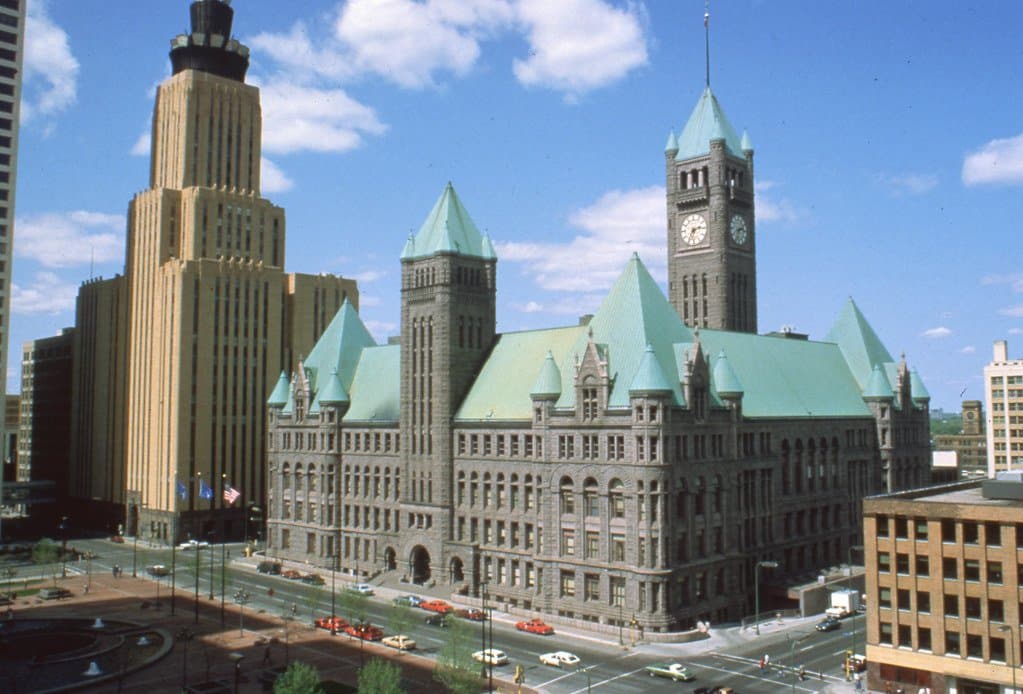
The Ward 7 City Council race was the most expensive in the city's history, but it never reached the later rounds that Minneapolis's ranked-choice voting system is built to handle. Elizabeth Shaffer won the seat outright on first choices, defeating incumbent Katie Cashman 6,709 votes to 5,909, or about 52.1 percent to 44.5 percent. Because Shaffer cleared a majority of first-choice ballots, no candidates had to be eliminated and no second or third choices were redistributed.
That outcome runs against a common assumption about how the race was decided. Cashman herself attributed the loss to turnout, saying it ran too low in her strongest precincts and higher in the precincts where she expected to lose. Shaffer, a former Park Board commissioner backed by the moderate PAC All of Mpls, outraised Cashman roughly $248,000 to $119,000.
Under ranked-choice voting, Minneapolis voters rank up to three candidates. If one candidate wins a majority of first choices, the count ends there, as it did in Ward 7. If no one does, the last-place candidate is eliminated and those ballots flow to their voters' next choices, round by round, until someone holds a majority of continuing ballots.
The Ward 5 race on the same ballot shows the process Ward 7 skipped. There, none of six candidates won a first-round majority, and Pearll Warren prevailed only after later rounds redistributed votes from eliminated candidates, finishing with 2,437 votes to Ethrophic Burnett's 1,723.
For voters, the mechanics still matter. Ranking a second or third choice never hurts a first choice; a later preference is counted only if the top pick has already been eliminated. In a race like Ward 5 those rankings decide the winner. In a race like Ward 7, where one candidate commands a majority outright, the first round is the whole story. The city's elections office publishes round-by-round results and plain-language explainers at vote.minneapolismn.gov.
CityLowry HillLowry Hill East (The Wedge)East IslesCedar-Isles-DeanBryn MawrKenwood
Related stories
City
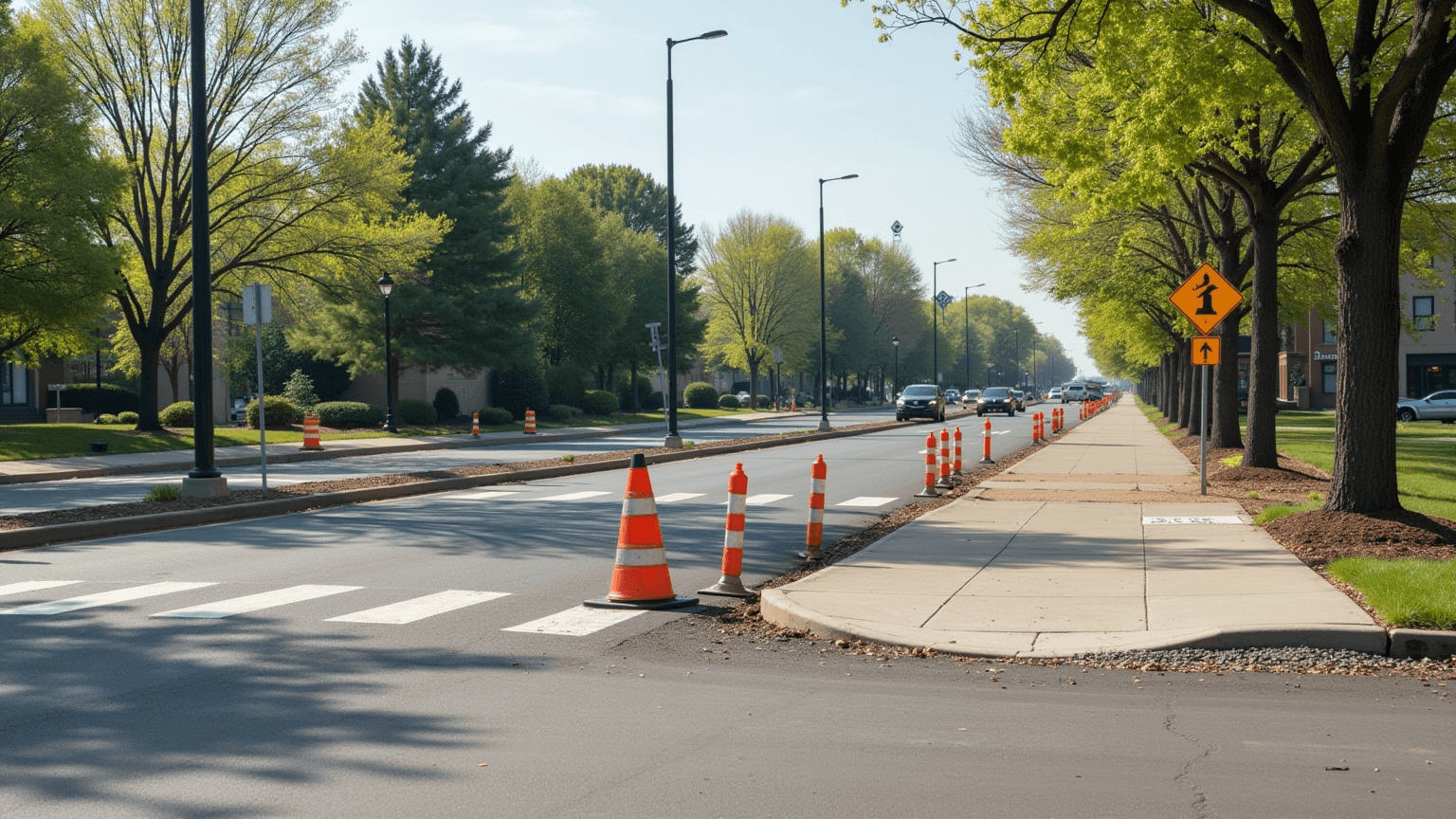
Parkway, intersection and pedestrian ramp improvements begin at Lake Harriet this year
Work to resurface Lake Harriet Parkway and improve the William Berry Parkway intersection will occur in phases starting in 2026.
City
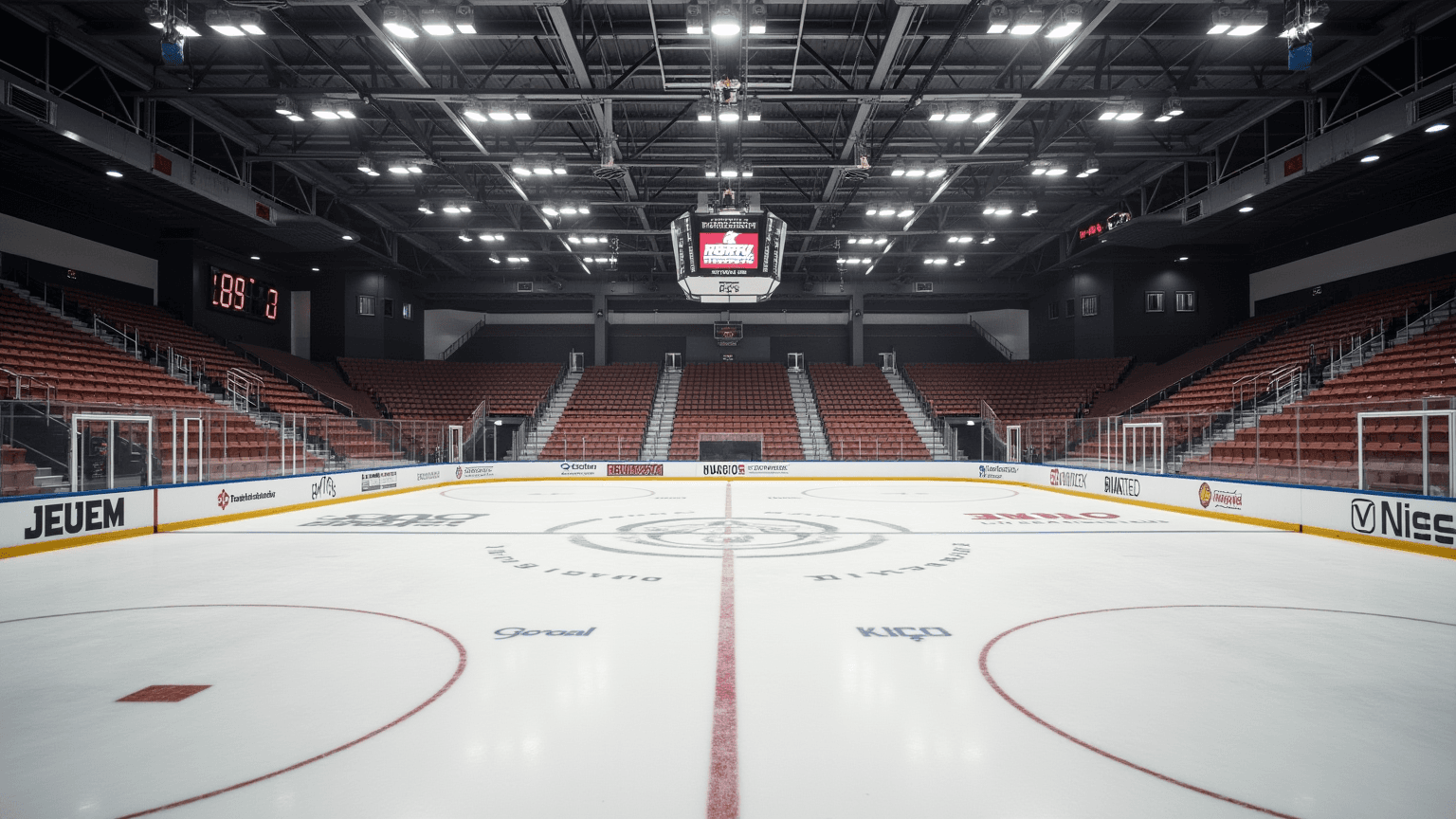
Minneapolis Park and Recreation Board working on repairs at Northeast Ice Arena with goal of reopening in the fall
Minneapolis Park and Recreation Board plans to repair Northeast Ice Arena with a goal of reopening for the ice season this fall.

City
Algae at Minneapolis Lakes
The Minneapolis Park & Recreation Board issued an announcement about algae growth at city lakes following recent high temperatures.
The neighborhood, in your inbox
Free. No paywall. Pick the topics you want — we send what’s happening this week.