CityLowry HillLowry Hill East (The Wedge)East IslesCedar-Isles-DeanBryn MawrLake of the IslesGreater Uptown & Nearby
Built Form Rezoning and the Map Behind Your Block
Minneapolis's built-form districts translate the 2040 plan's growth goals into specific height and scale limits, parcel by parcel.
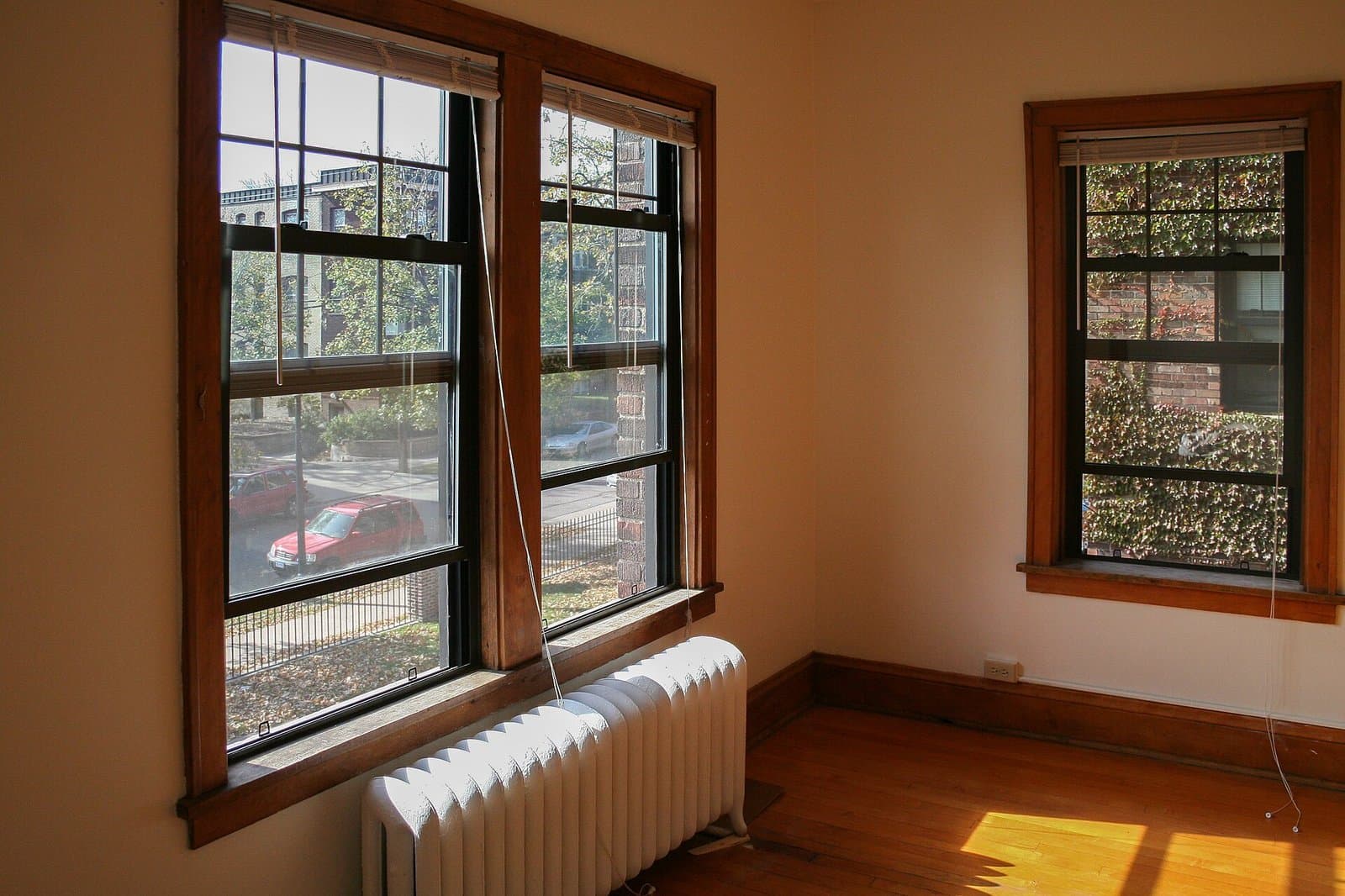
Beneath the headline that Minneapolis allows up to three units on residential lots citywide sits a quieter, equally important system: built-form zoning. These are the rules, and the map, that govern how big a building can be on any given block, its height, its scale and how it meets the street. The 2040 plan established 14 built-form districts, and the map assigns one to every parcel in the city.
Where the use rules say what kind of housing is allowed, the built-form rules say how large a building can be. The three Interior districts, which cover most residential blocks in the Wedge, Lowry Hill and the lakes neighborhoods, are the most restrictive: Interior 1 and Interior 2 cap most buildings at 2.5 stories and 28 feet with a floor-area ratio of 0.5, meaning a house on a standard 5,000-square-foot lot can be no larger than about 2,500 square feet. Along commercial corridors, by contrast, FAR limits run from 1.5 to 3.4, allowing the taller, larger buildings.
The map deliberately concentrates greater height and density along corridors and near transit, places like Hennepin Avenue with its new E Line bus rapid transit stations, while keeping interior blocks at a smaller scale. The logic is to put the densest buildings where transit and commerce can support them, and to step down in the residential interior.
Two parcels can both allow housing but permit very different buildings. A lot along a corridor may allow a substantial apartment building; a lot mid-block, a few hundred feet away, may be limited to a triplex. For residents wondering what could appear next door, the built-form designation is often the single most important fact, and it is knowable in advance by looking up the parcel.
Built-form rezoning is where many of the most heated neighborhood disputes happen, because it governs scale, the thing people see and feel. Raising a corridor's allowed height invites more housing and can support transit, but changes the look of a block; keeping heights low preserves character but limits new housing. Proposed changes move through the City Planning Commission and council with public hearings.
Residents can look up a parcel's built-form district through the city's zoning tools on minneapolismn.gov to see exactly how large a building it permits. A useful habit is to check not just your own parcel but the corridors and corner lots nearby, where higher designations cluster and the most visible change is likely.
CityLowry HillLowry Hill East (The Wedge)East IslesCedar-Isles-DeanBryn MawrLake of the IslesGreater Uptown & Nearby
Related stories
City
Parkway, intersection and pedestrian ramp improvements begin at Lake Harriet this year
Work to resurface Lake Harriet Parkway and improve the William Berry Parkway intersection will occur in phases starting in 2026.
City
Minneapolis Park and Recreation Board working on repairs at Northeast Ice Arena with goal of reopening in the fall
Minneapolis Park and Recreation Board plans to repair Northeast Ice Arena with a goal of reopening for the ice season this fall.

City
Algae at Minneapolis Lakes
The Minneapolis Park & Recreation Board issued an announcement about algae growth at city lakes following recent high temperatures.
The neighborhood, in your inbox
Free. No paywall. Pick the topics you want — we send what’s happening this week.