CityLowry HillLowry Hill East (The Wedge)East IslesCedar-Isles-DeanBryn MawrLake of the Isles
Nearly 40 Amendments: How the Council Reshaped the Mayor's Budget
The City Council amended Mayor Jacob Frey's 2026 budget before adopting it, and rejected his proposed cuts to the mayor's own office.
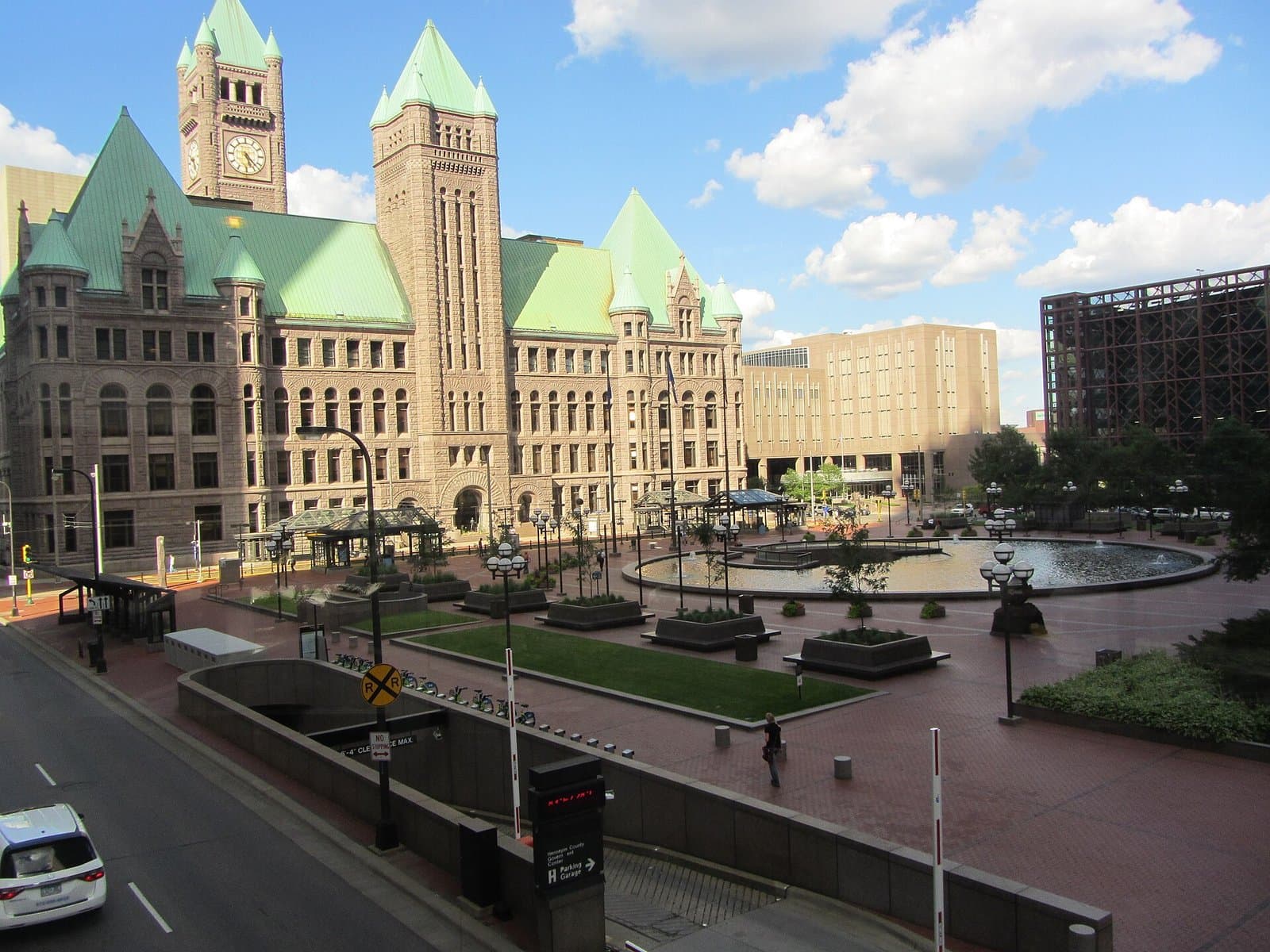
The Minneapolis City Council did not simply ratify Mayor Jacob Frey's 2026 budget. Before adopting the roughly $2 billion plan on Dec. 9, 2025, the council reworked it in committee markup and, most pointedly, rejected amendments that would have eliminated up to eight positions in Frey's own office.
A budget amendment shifts money from one purpose to another, restores a proposed cut, or adds funding for a priority. Individually most are modest; collectively they can redirect a budget's emphasis without changing its overall size. The council also raised the levy above the mayor's request, landing at an 8% increase rather than Frey's proposed 7.8% — the maximum the Board of Estimate and Taxation set in September.
One concrete example: Council Member Robin Wonsley led a successful amendment directing $1.4 million in one-time funding to the city's Safe and Thriving Communities work. The fight over the mayor's office staffing created visible friction between Frey and the council majority before the two sides reached agreement.
Crucially, this happened within a negotiated framework. Unlike the prior year's veto-override fight over the 2025 budget, the 2026 plan was a joint agreement announced together by Frey and Council Vice President Aisha Chughtai of Ward 10, who said the council wanted departments to know that "their budgets are not suggestions". After the 2025 election the council no longer holds a veto-proof majority, so its changes were leverage exercised through negotiation rather than override.
For Lowry Hill and the lakes neighborhoods, the amendments are where the council protected or boosted programs its members considered essential — the choices a top-line levy number hides. Residents can review the final budget and the committee markup record at minneapolismn.gov/government/budget to see exactly how the council reshaped the mayor's proposal.
[unverifiable: the original "nearly 40 amendments" figure could not be confirmed against a primary source; the city's December 2025 markup summary and adoption record document the specific amendments and their authors.]
CityLowry HillLowry Hill East (The Wedge)East IslesCedar-Isles-DeanBryn MawrLake of the Isles
Related stories
City
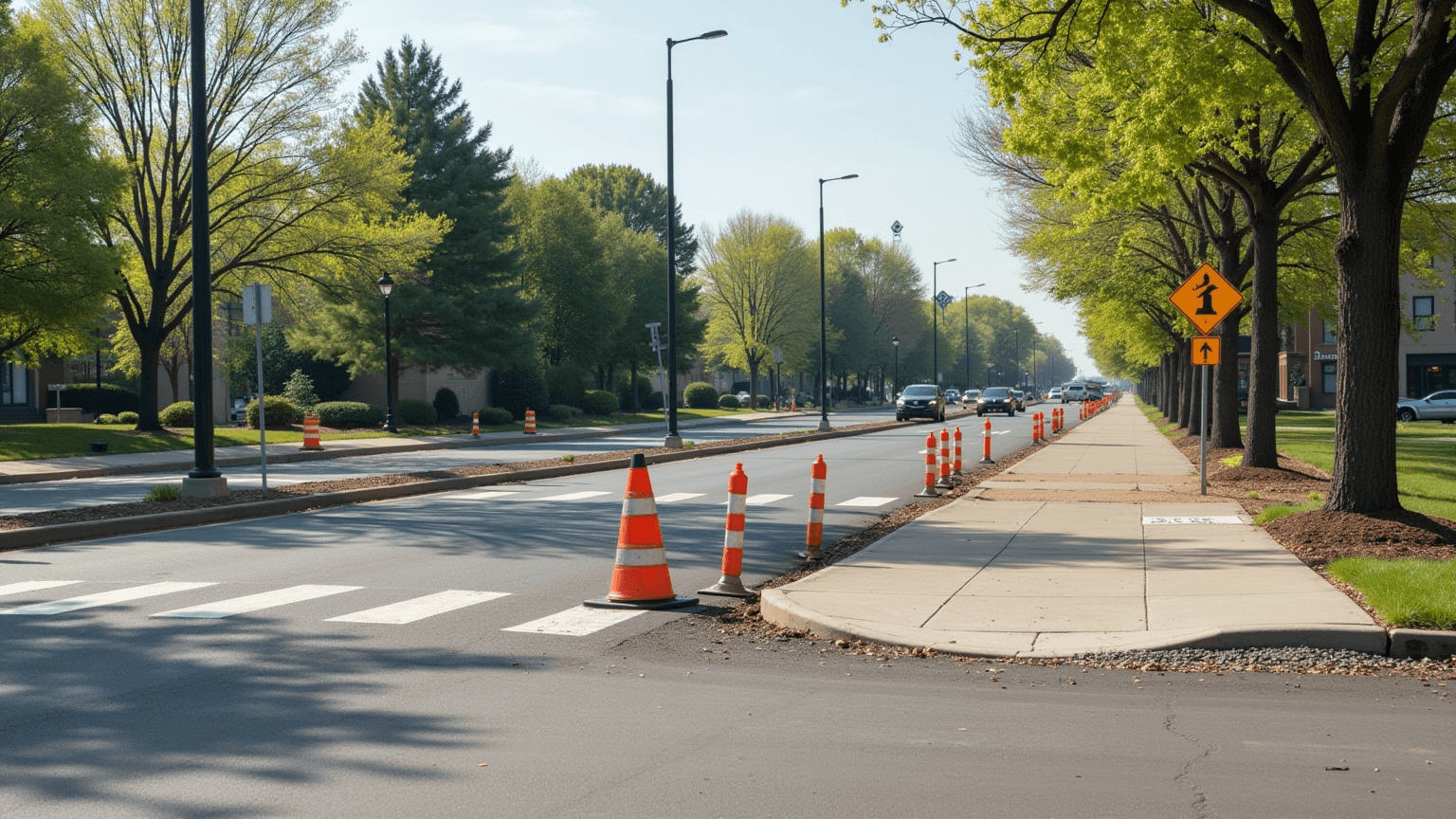
Parkway, intersection and pedestrian ramp improvements begin at Lake Harriet this year
Work to resurface Lake Harriet Parkway and improve the William Berry Parkway intersection will occur in phases starting in 2026.
City
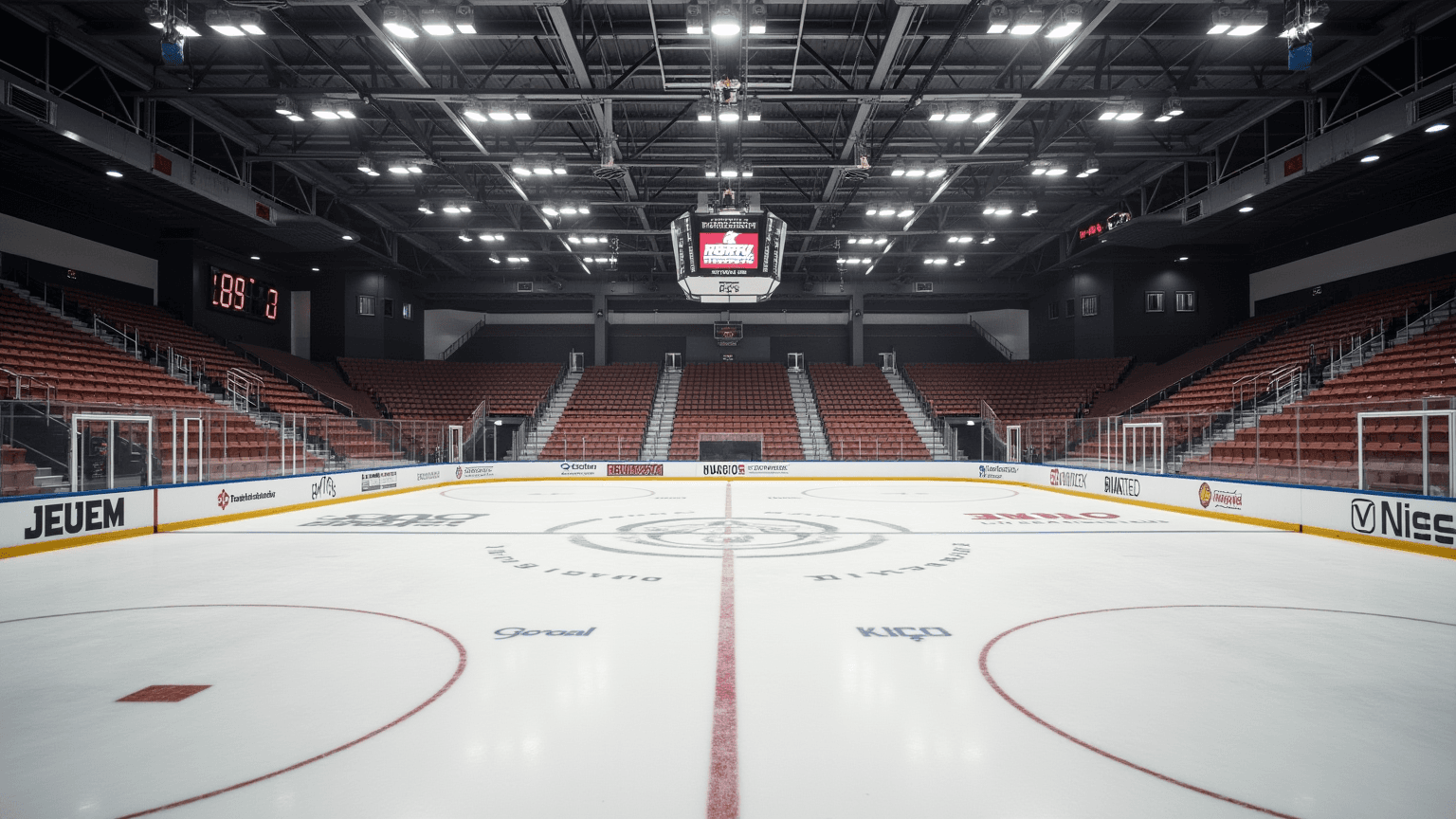
Minneapolis Park and Recreation Board working on repairs at Northeast Ice Arena with goal of reopening in the fall
Minneapolis Park and Recreation Board plans to repair Northeast Ice Arena with a goal of reopening for the ice season this fall.

City
Algae at Minneapolis Lakes
The Minneapolis Park & Recreation Board issued an announcement about algae growth at city lakes following recent high temperatures.
The neighborhood, in your inbox
Free. No paywall. Pick the topics you want — we send what’s happening this week.