CityLowry HillLowry Hill East (The Wedge)East IslesCedar-Isles-DeanBryn Mawr
Planning vs. Zoning: How the City Decides What Gets Built
A comprehensive plan such as Minneapolis 2040 sets the city's long-range vision, while the zoning code is the binding law that decides what can be built on a given lot.
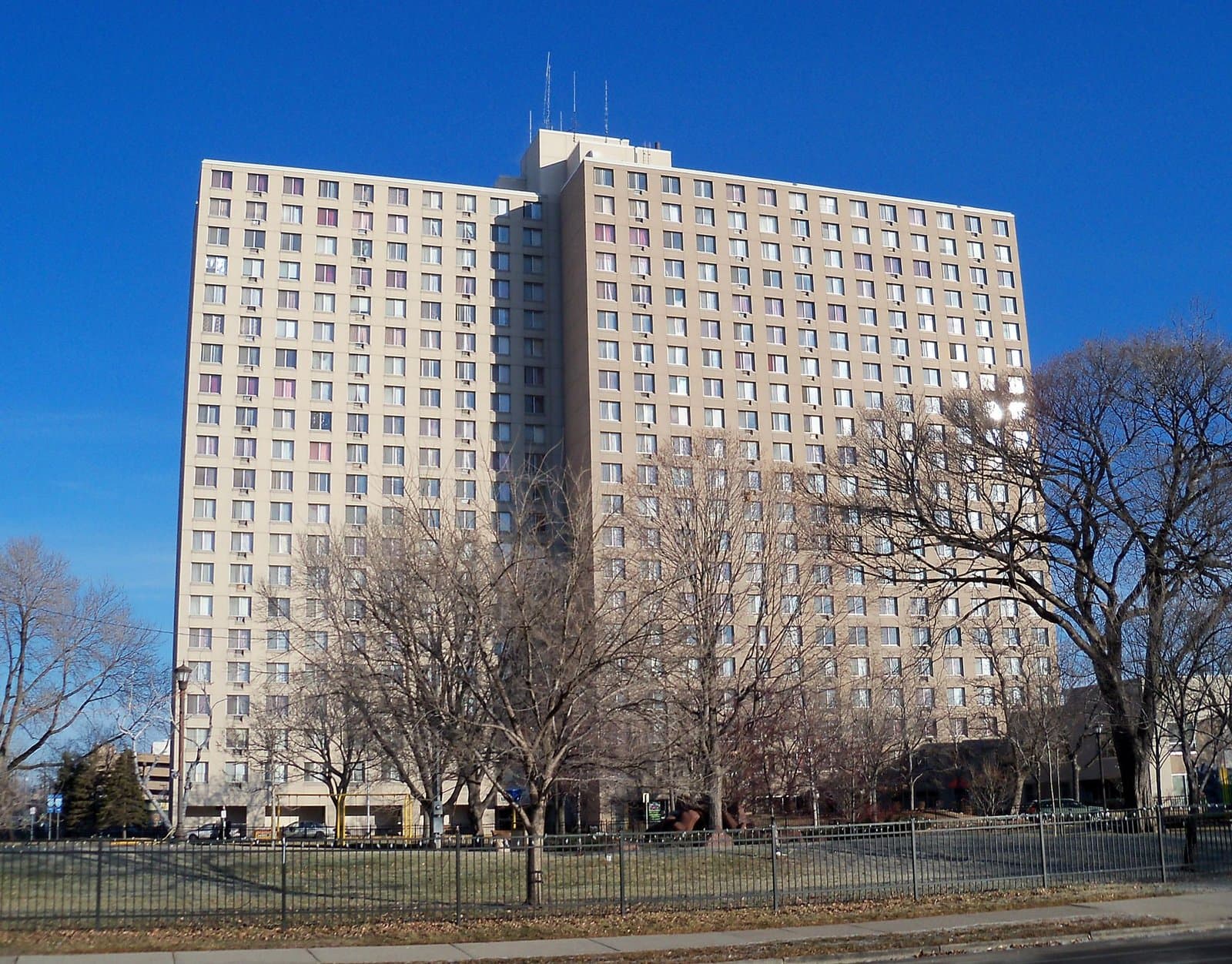
Residents following development often treat planning and zoning as interchangeable. They are not, and the distinction determines where a resident's voice carries weight. In short, a comprehensive plan sets the vision; zoning is the law that implements it.
A comprehensive plan such as Minneapolis 2040 is a long-range policy document adopted after an extensive public process and updated only periodically. It lays out goals for housing, transportation, parks and growth over decades and steers where density and commerce should go, but it does not by itself decide what can be built on a given parcel.
Zoning is the binding legal code that turns that vision into enforceable rules: how many units a parcel allows, how tall a building can be, how far it must be set back and what uses are permitted. The relationship became concrete with 2040. When the City Council adopted the plan in December 2018, ending single-family-only zoning, the city then amended its zoning code in 2019 to allow duplexes and triplexes citywide starting in January 2020. The plan said what to do; the zoning code made it law.
That sequence also shows where engagement matters. The 2040 plan survived years of environmental litigation and was protected by a 2024 state law, and the city is now beginning work on a successor, Minneapolis 2050. To influence the city's overall direction, residents weigh in on the comprehensive plan and its updates. To influence a specific block, they engage on zoning, through rezoning requests, variances and the City Planning Commission's agendas, where public comment is taken on individual items. Matching the venue to the goal is the most useful thing a resident can learn about development.
CityLowry HillLowry Hill East (The Wedge)East IslesCedar-Isles-DeanBryn Mawr
Related stories
City
Parkway, intersection and pedestrian ramp improvements begin at Lake Harriet this year
Work to resurface Lake Harriet Parkway and improve the William Berry Parkway intersection will occur in phases starting in 2026.
City
Minneapolis Park and Recreation Board working on repairs at Northeast Ice Arena with goal of reopening in the fall
Minneapolis Park and Recreation Board plans to repair Northeast Ice Arena with a goal of reopening for the ice season this fall.

City
Algae at Minneapolis Lakes
The Minneapolis Park & Recreation Board issued an announcement about algae growth at city lakes following recent high temperatures.
The neighborhood, in your inbox
Free. No paywall. Pick the topics you want — we send what’s happening this week.