CityLowry HillLowry Hill East (The Wedge)East IslesCedar-Isles-DeanBryn MawrGreater Uptown & Nearby
Reading a Development Proposal: A Lowry Hill Resident's Checklist
A practical guide to reading a Minneapolis development notice: what is being built, what the zoning allows, and whether a real public decision point exists.
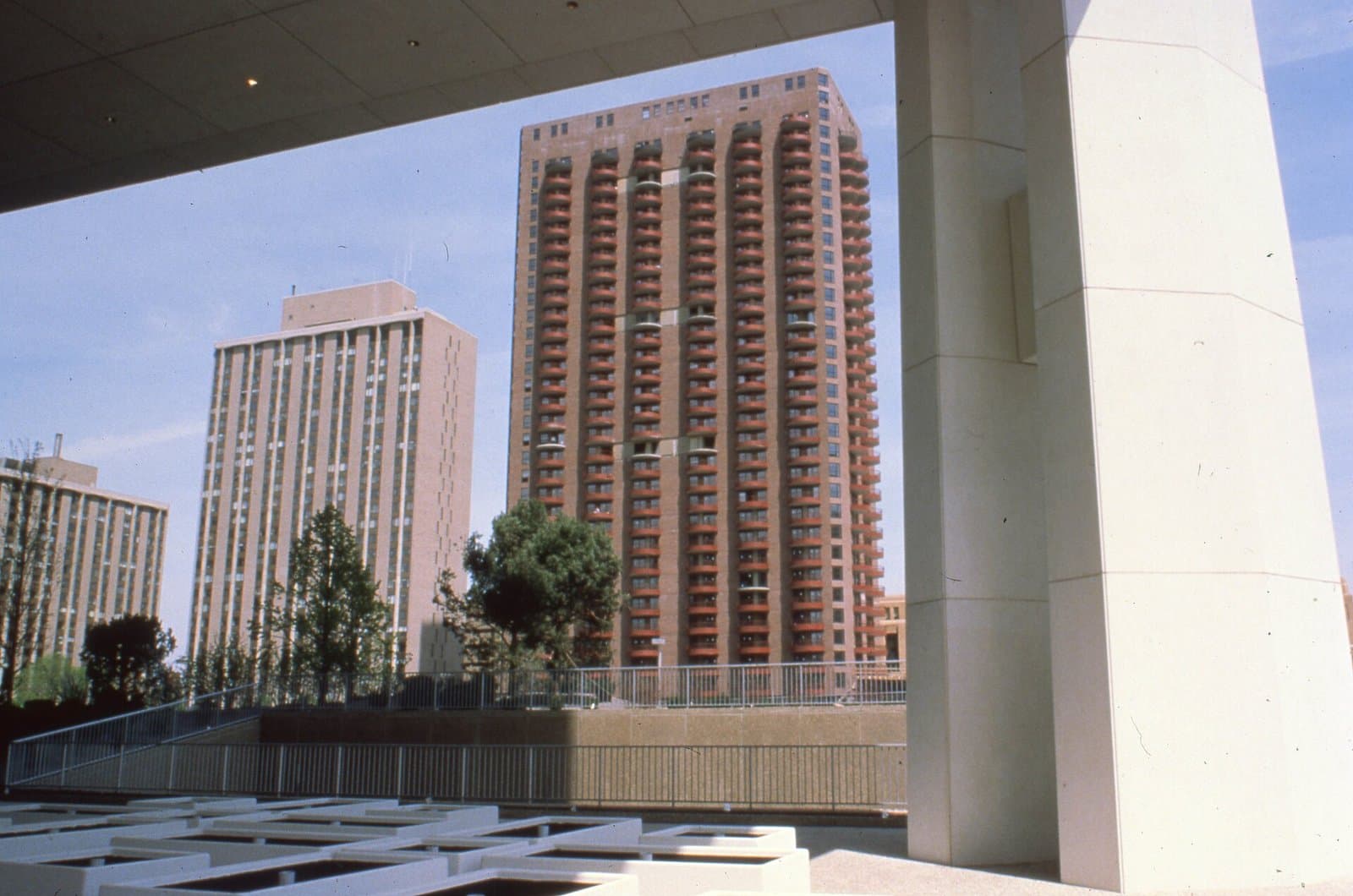
When a development is proposed near your home, the notice in the mail can read like a wall of jargon: zoning districts, variances, conditional-use permits, site plans. For a Lowry Hill or Wedge resident, a few questions cut through it.
Start with three. First, what is being built, how many units, how tall, what use? Second, what does the current zoning allow, and is the developer asking for more than that? Third, what approvals does it need and from whom, staff sign-off, the City Planning Commission or the City Council? That tells you where the decision will be made and whether public comment is taken.
The crucial distinction is whether the project conforms to existing zoning. If it does, neighbors' ability to stop it is limited, because the rules already permit it and disliking a permitted use is not a legal basis to deny it. If it requires discretionary approval, a rezoning, a variance or a conditional-use permit, there is a formal public process with real chances to shape conditions or the outcome. In either case, watch the specifics that affect daily life: parking, traffic, height, setbacks, tree loss and how the building meets the sidewalk.
The Minneapolis 2040 comprehensive plan changed the math. Because it allows more housing types by right, including small multifamily buildings in areas that were once single-family, more proposals now fit existing zoning and proceed without a discretionary hearing. That makes reading a notice carefully more important: the first thing to determine is whether a decision point the public can influence actually exists, or whether the notice is informational.
When there is a hearing, comments tied to the approval criteria carry the most weight. "This creates a traffic conflict at this intersection" lands with planning commissioners and council members; "I don't want change" does not.
Residents can look up a parcel's zoning and any pending application, and read the staff report for a project, through the city's tools at minneapolismn.gov. From there, attend the relevant Planning Commission or council hearing if the project requires discretionary approval, and coordinate with your neighborhood association, which often tracks proposals early and can organize testimony.
CityLowry HillLowry Hill East (The Wedge)East IslesCedar-Isles-DeanBryn MawrGreater Uptown & Nearby
Related stories
City
Parkway, intersection and pedestrian ramp improvements begin at Lake Harriet this year
Work to resurface Lake Harriet Parkway and improve the William Berry Parkway intersection will occur in phases starting in 2026.
City
Minneapolis Park and Recreation Board working on repairs at Northeast Ice Arena with goal of reopening in the fall
Minneapolis Park and Recreation Board plans to repair Northeast Ice Arena with a goal of reopening for the ice season this fall.

City
Algae at Minneapolis Lakes
The Minneapolis Park & Recreation Board issued an announcement about algae growth at city lakes following recent high temperatures.
The neighborhood, in your inbox
Free. No paywall. Pick the topics you want — we send what’s happening this week.