NeighborhoodBryn Mawr
Bryn Mawr: 'A Neighborhood Within a Park'
Bryn Mawr, a neighborhood of about 2,800 ringed by some 650 acres of parkland west of downtown Minneapolis, has been sold as a garden suburb since the 1800s.
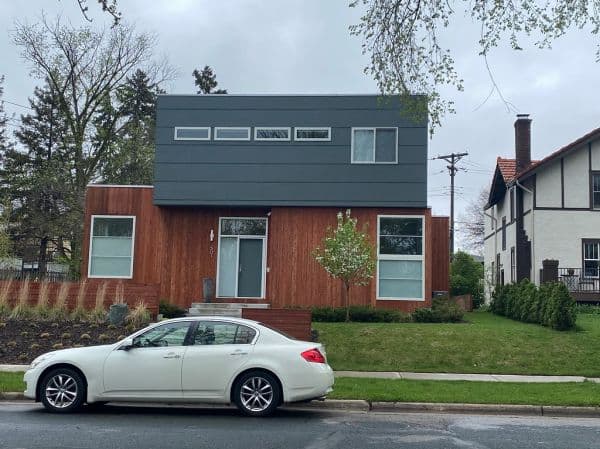
Bryn Mawr sits inside its parks as much as beside them. The neighborhood, home to about 2,800 residents directly west of downtown Minneapolis, takes the motto "a neighborhood within a park," and the green setting is surrounded by roughly 650 acres of parks, lakes and trails.
The motto is not marketing invented after the fact. Developed from farmland beginning in the mid-1800s, Bryn Mawr was promoted from its earliest days as a garden suburb, prized for its proximity to the lakes. More than a century later, that founding pitch still describes the place.
The parkland is real and on every side. Theodore Wirth Park forms the west-northwest edge, Bassett Creek runs to the north, Bryn Mawr Meadows lies to the east, and Cedar Lake and Cedar Lake Park sit to the south. That buffer gives residents trails, woods and water within steps of their front doors, and it shapes how the neighborhood feels: a quiet, enclosed quality, a sense of being tucked away even though downtown is minutes off.
The same setting can complicate things. A neighborhood bounded by parkland and infrastructure has limited room to grow, and debates over development, traffic and the reuse of its industrial edges all play out against a community wary of anything that might erode its green character. The current fight over the vacant Fruen Mill is one such case.
Its small scale lends Bryn Mawr a village feel, where, as the local saying goes, when people move it is often only to a different house in Bryn Mawr. The housing stock reflects the garden-suburb ideal: older homes set among mature trees on winding streets rather than a rigid grid. For a community this size, that produces unusually dense social ties, the kind of place where residents recognize one another on the trails.
NeighborhoodBryn Mawr
Related stories
Neighborhood
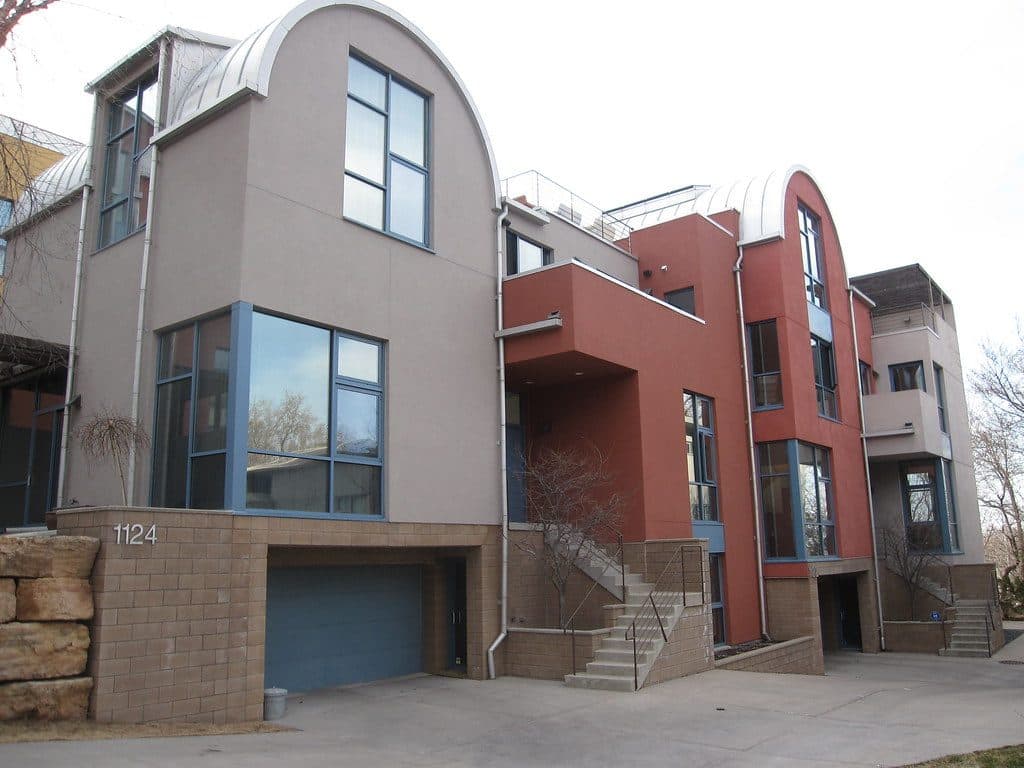
Lowry Hill and East Isles Land on Patch's List of Minnesota's Most Expensive Neighborhoods
Lowry Hill and East Isles rank among Minnesota's most expensive neighborhoods according to Patch's analysis of Niche's 2026 data.
Neighborhood
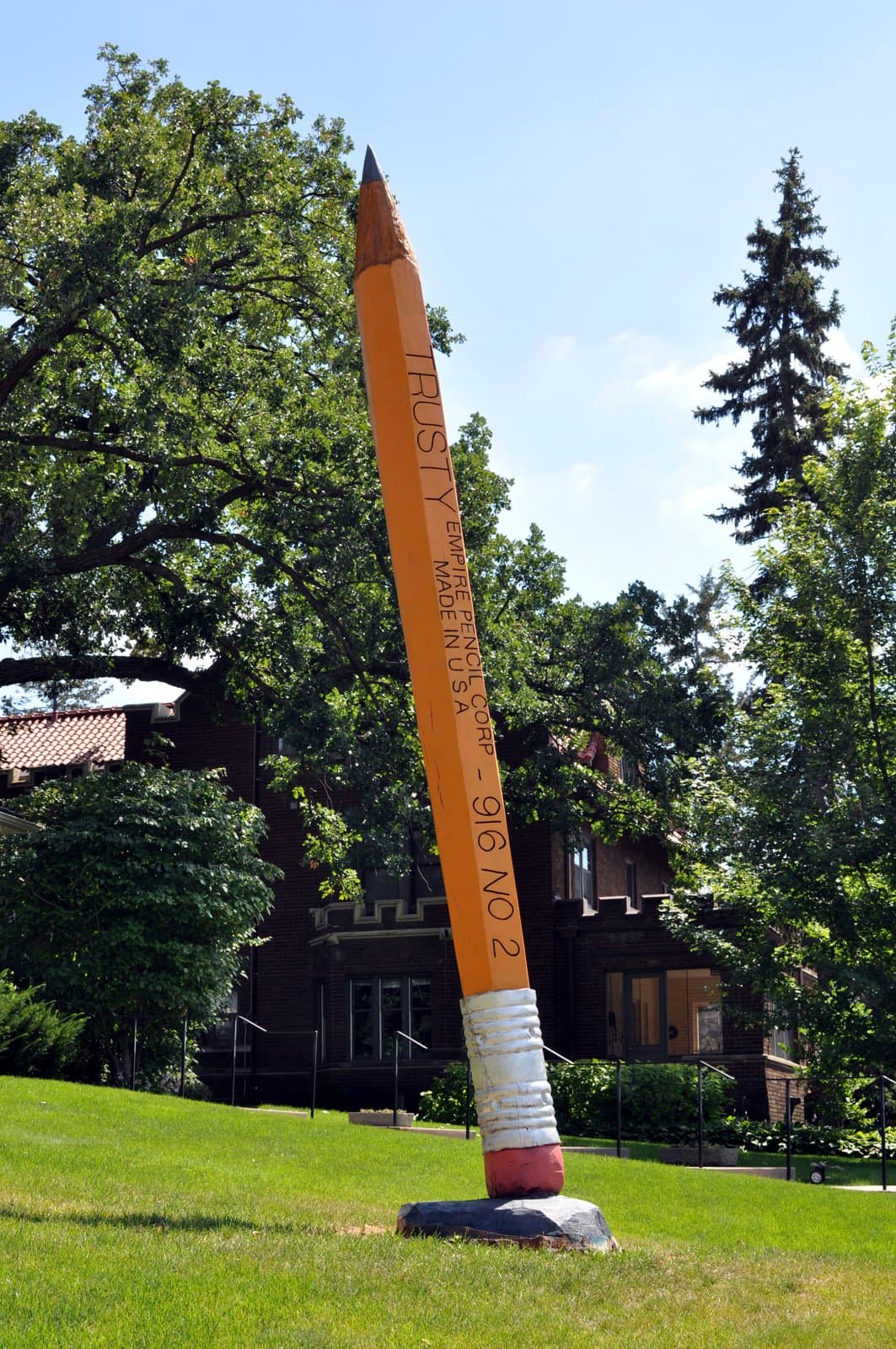
Community celebrates Lake of the Isles Pencil's 5th sharpening
Thousands gathered in East Isles on June 6, 2026, to watch the annual ceremonial sharpening of Minneapolis' giant pencil sculpture.
Neighborhood
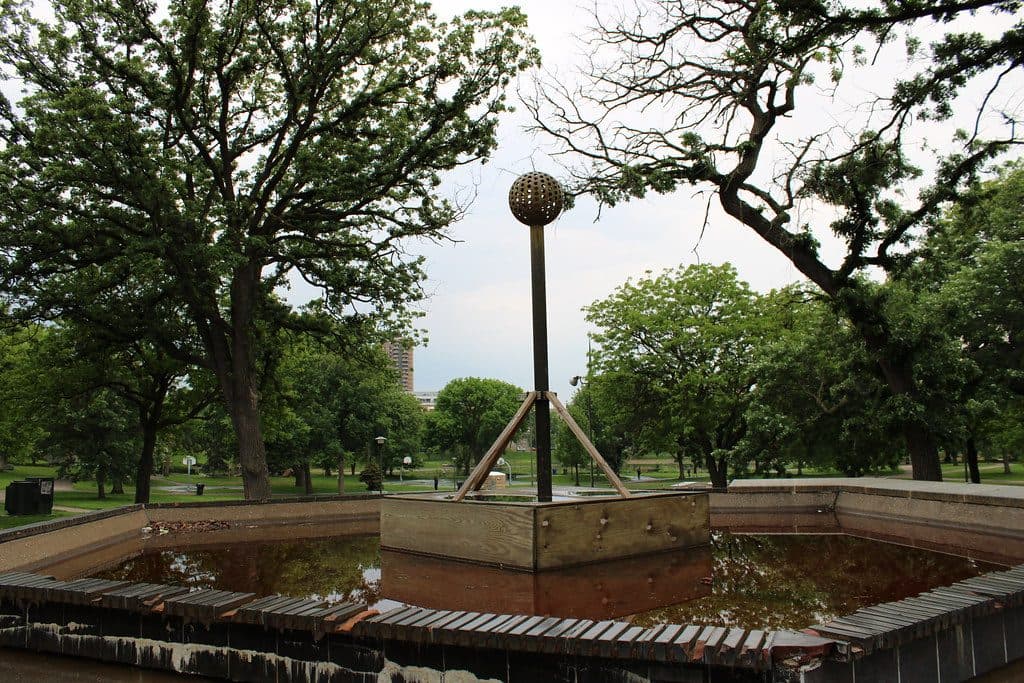
The end is in sight for Loring Park dandelion fountain's drought
State lawmakers approved $1.8 million for Berger Fountain repairs, and Park Board crews have begun demolition at the dry Loring Park landmark.
The neighborhood, in your inbox
Free. No paywall. Pick the topics you want — we send what’s happening this week.