CityLowry HillLowry Hill East (The Wedge)East IslesCedar-Isles-DeanBryn MawrKenwoodLake of the Isles
Park Board Adopts 2026 Budget Focused on Caring for Aging Park Assets
The Park Board adopted its 2026 budget in December, built on a property-tax levy of $95,524,537 and focused on caring for aging park assets.

The Minneapolis Park and Recreation Board adopted its 2026 budget in December 2025, a plan built on a property-tax levy of $95,524,537 and framed around a now-familiar priority: caring for aging park amenities and infrastructure rather than chasing new construction.
Superintendent Al Bangoura presented the recommended budget on Oct. 15, 2025, organized around four stated priorities: caring for park assets and infrastructure, protecting the environment and natural resources, serving the city's youth through programming, and investing in employees. The through-line is maintenance — keeping a large, old system in working order rather than opening a signature new park.
The board oversees an unusually large system for a city this size: 185 park properties totaling about 7,059 acres of land and water, including the Chain of Lakes that defines the lakes neighborhoods. For the median-value home, the board estimated its levy would add roughly $25 a year, or about $2 a month, in property taxes.
Behind the maintenance emphasis is a budget squeeze. American Rescue Plan Act pandemic-relief funding expired Dec. 31, 2024, and full property-tax support for some commitments does not arrive until 2027, leaving the board to close two-year funding gaps — about $520,000 in 2025 and $260,000 in 2026 in youth programming — partly through one-time reductions in general fund transfers. Much of the system was built generations ago, and board President Cathy Abene has tied the spending to the system's standing, noting the reasons "we continue to be named as one of the top park systems in the nation".
For Lowry Hill, Kenwood, East Isles, Cedar-Isles-Dean and the Wedge, a maintenance-first budget tilts spending toward keeping Lake of the Isles, Bde Maka Ska, the parkways and neighborhood playgrounds usable and safe rather than toward marquee projects. Residents can read the adopted budget at minneapolisparks.org and see the park levy on their Hennepin County property-tax statement, alongside the city, county and school levies.
[unverifiable: the original "$160 million" total-budget and "$114.4 million general fund" figures could not be confirmed against the adopted budget document; the confirmed figure is the adopted 2026 levy of $95,524,537. The MPRB's 2026 adopted budget on minneapolisparks.org carries the final operating totals.]
CityLowry HillLowry Hill East (The Wedge)East IslesCedar-Isles-DeanBryn MawrKenwoodLake of the Isles
Related stories
City
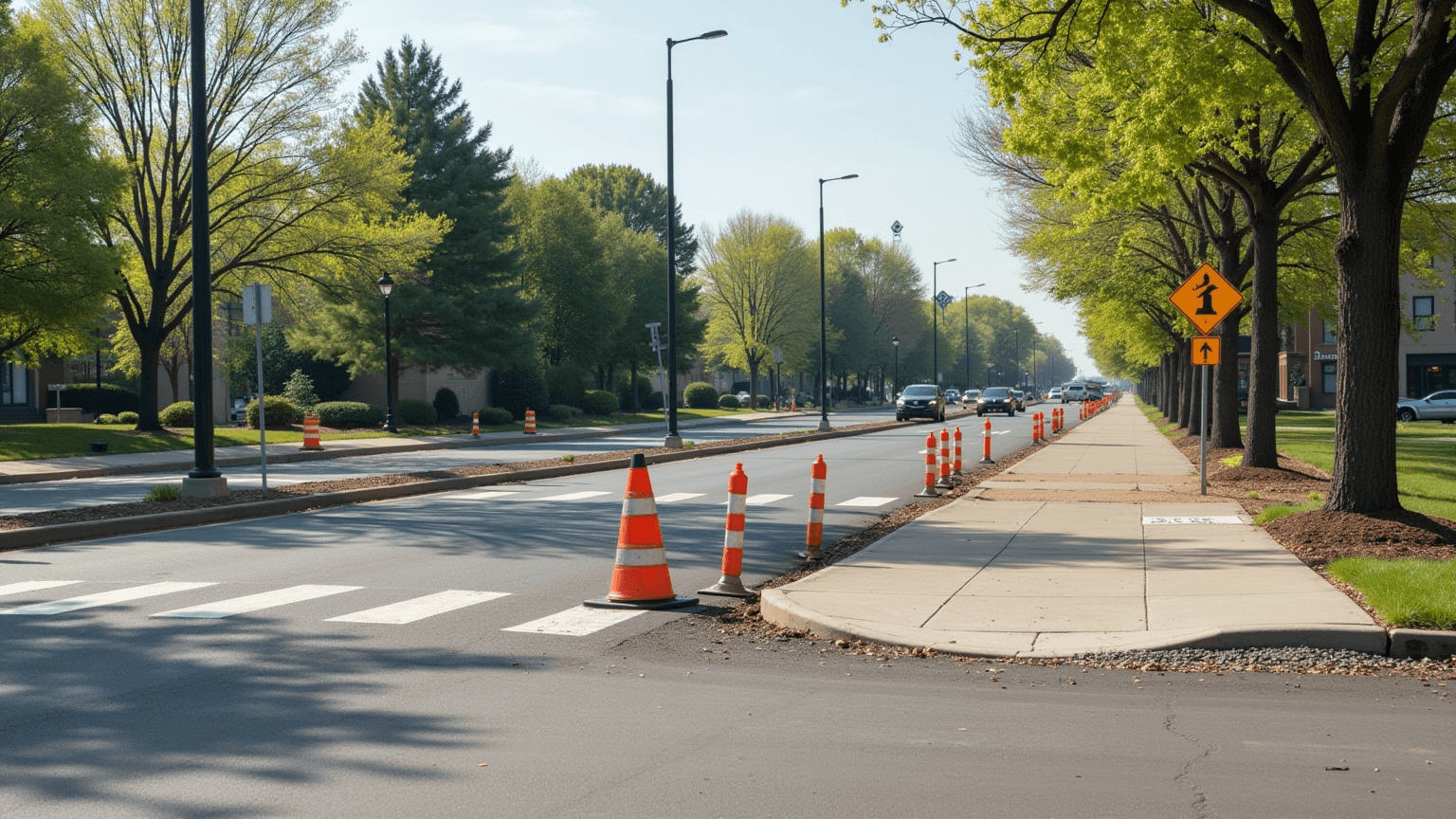
Parkway, intersection and pedestrian ramp improvements begin at Lake Harriet this year
Work to resurface Lake Harriet Parkway and improve the William Berry Parkway intersection will occur in phases starting in 2026.
City
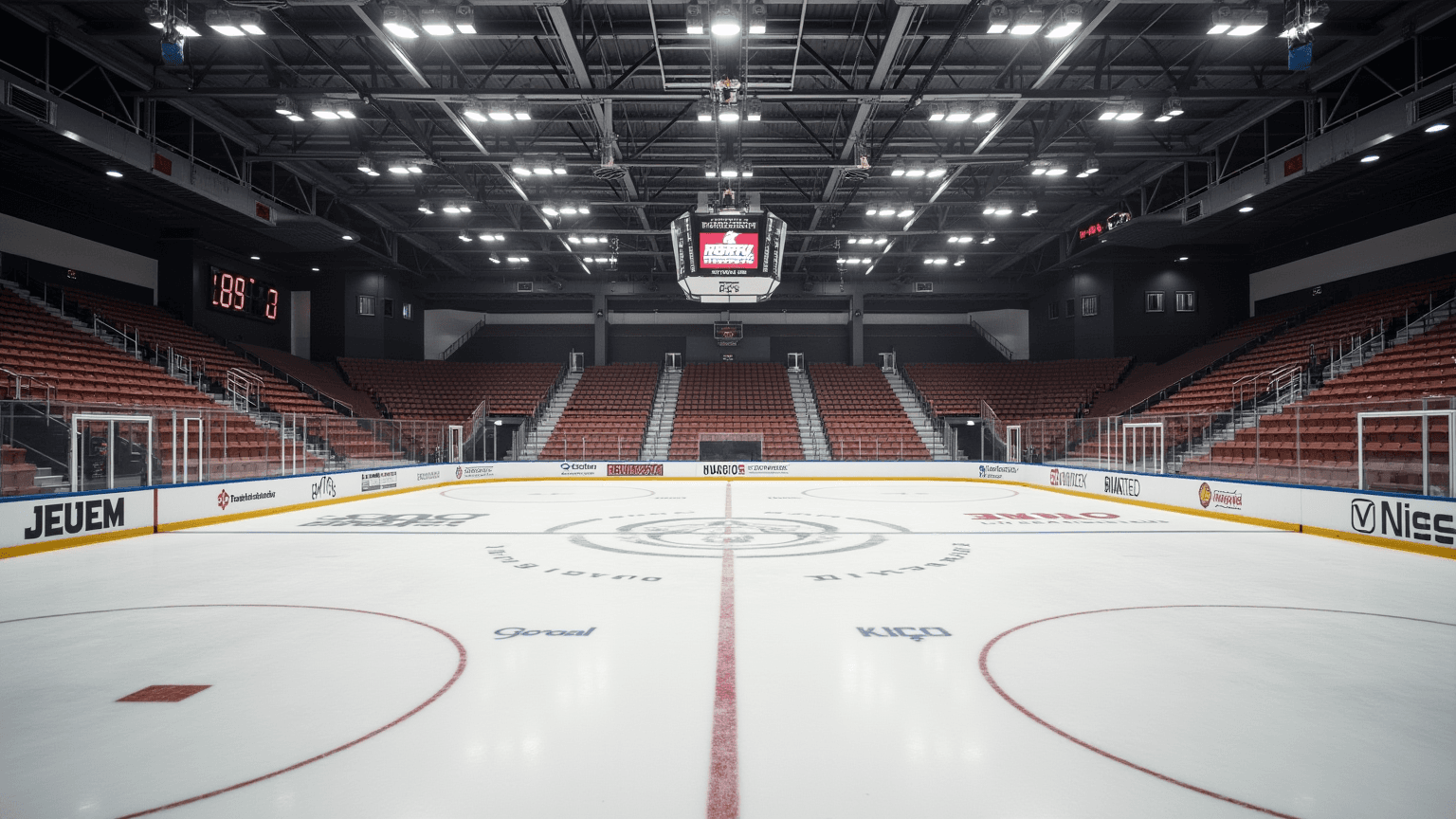
Minneapolis Park and Recreation Board working on repairs at Northeast Ice Arena with goal of reopening in the fall
Minneapolis Park and Recreation Board plans to repair Northeast Ice Arena with a goal of reopening for the ice season this fall.
City
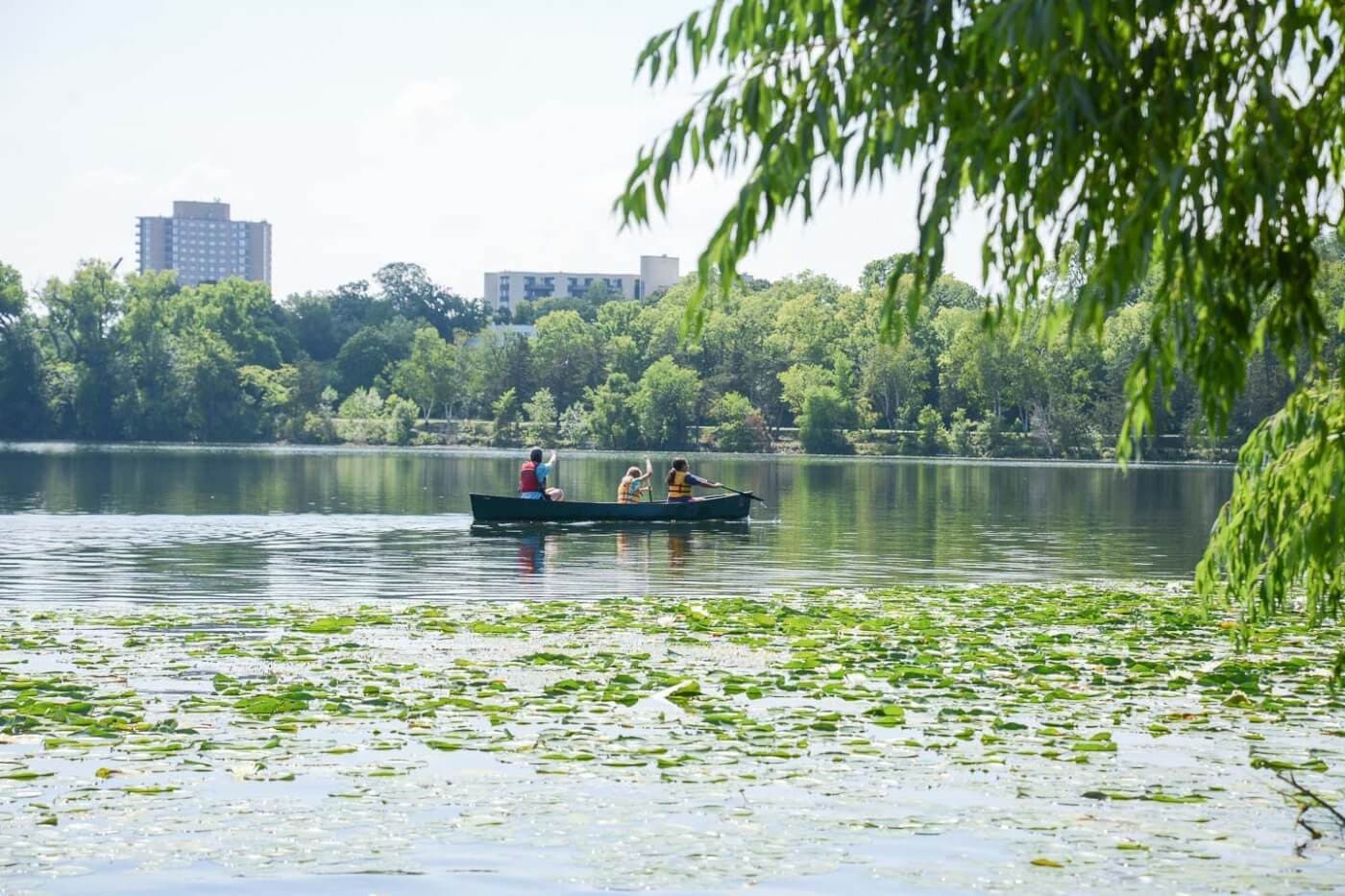
Algae at Minneapolis Lakes
The Minneapolis Park & Recreation Board issued an announcement about algae growth at city lakes following recent high temperatures.
The neighborhood, in your inbox
Free. No paywall. Pick the topics you want — we send what’s happening this week.