CityLowry HillLowry Hill East (The Wedge)East IslesCedar-Isles-DeanBryn Mawr
Reading the Council Agenda: How a Lowry Hill Item Becomes a Vote
A Minneapolis council item moves from a subject-matter committee, where the public can testify, to a Thursday vote of the full council.

Most decisions that affect a Minneapolis neighborhood are not made in a single vote. An item moves from a proposal, through a subject-matter committee that takes public comment and offers amendments, to a final vote of the full City Council, held on Thursdays. The council and its committees post agendas ahead of each meeting on minneapolismn.gov, and each item typically links to a staff report explaining what it does.
The agenda lists each item, the committee or department that brought it, and the action requested, whether a public hearing, a recommendation to the full council, or final adoption. Knowing which stage an item has reached tells a resident how much is still open to change. The city's Legislative Information Management System, known as LIMS, tracks each item from introduction to final vote, with the attached documents at each step.
The practical lesson is about timing. By the time an item reaches the full council for adoption, the substantive debate and the amendments have usually already happened in committee. Public hearings, which are required for budgets, levies and major land-use decisions, and the comment periods at regular committee meetings, are where testimony carries the most weight. Residents can also contact their council member. Ward 7, which covers Lowry Hill, the Wedge and the lakes neighborhoods, is represented by Elizabeth Shaffer, who took office in 2025 after succeeding Katie Cashman; her office is at City Hall, 350 S. Fifth St., Room 370, and she can be reached at [email protected] or 612-673-2207.
For a ward as active as Ward 7, the agenda is where development under the 2040 housing rules, the annual budget, liquor and business licensing, and street and park projects all surface before they are decided. A resident can subscribe to council and committee agendas through the city's website, look up which committee handles a given subject, and follow a single proposal through LIMS. Neighborhood associations also flag upcoming items and coordinate testimony, one of the more effective ways to be heard before the council acts.
CityLowry HillLowry Hill East (The Wedge)East IslesCedar-Isles-DeanBryn Mawr
Related stories
City
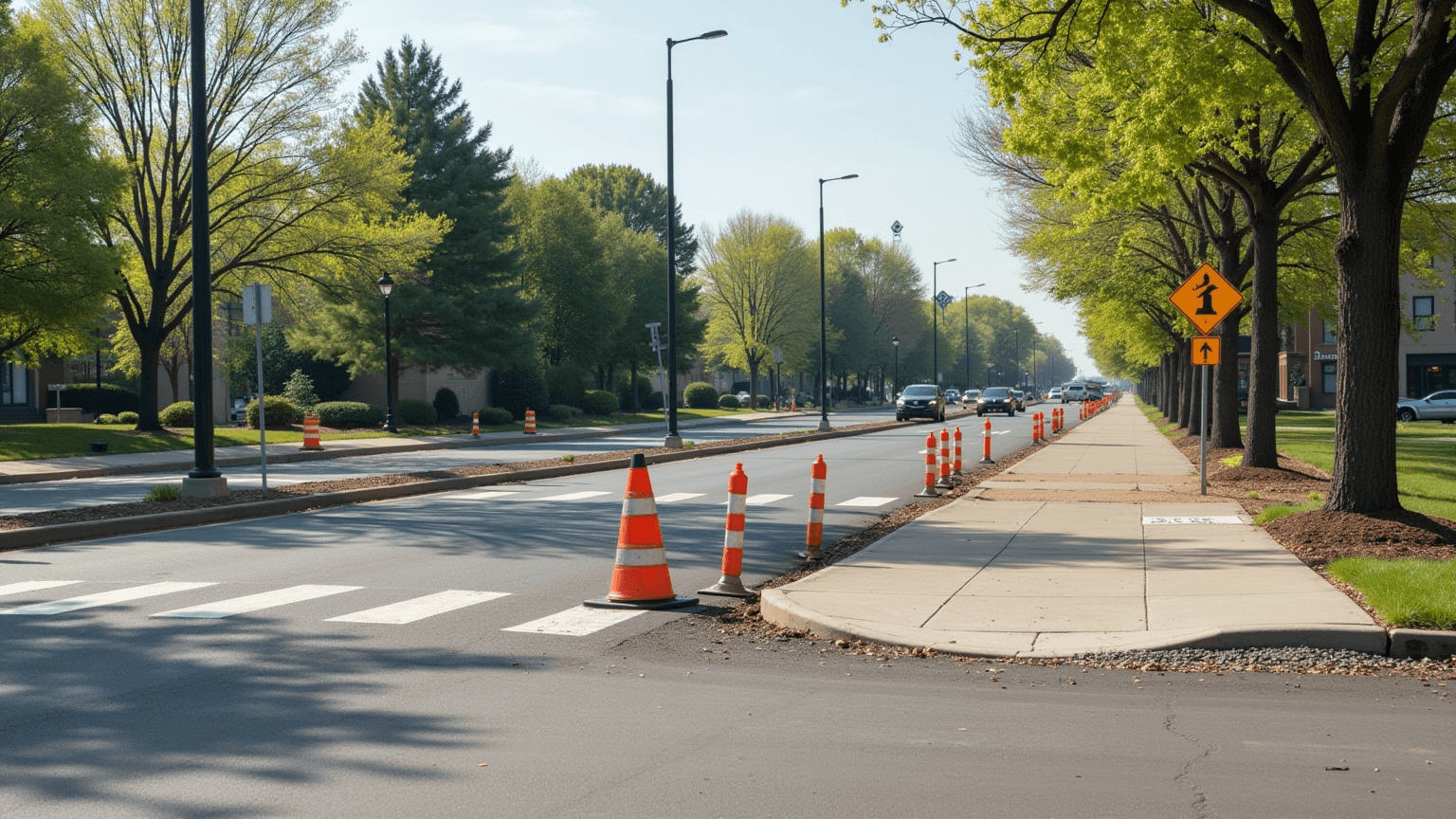
Parkway, intersection and pedestrian ramp improvements begin at Lake Harriet this year
Work to resurface Lake Harriet Parkway and improve the William Berry Parkway intersection will occur in phases starting in 2026.
City
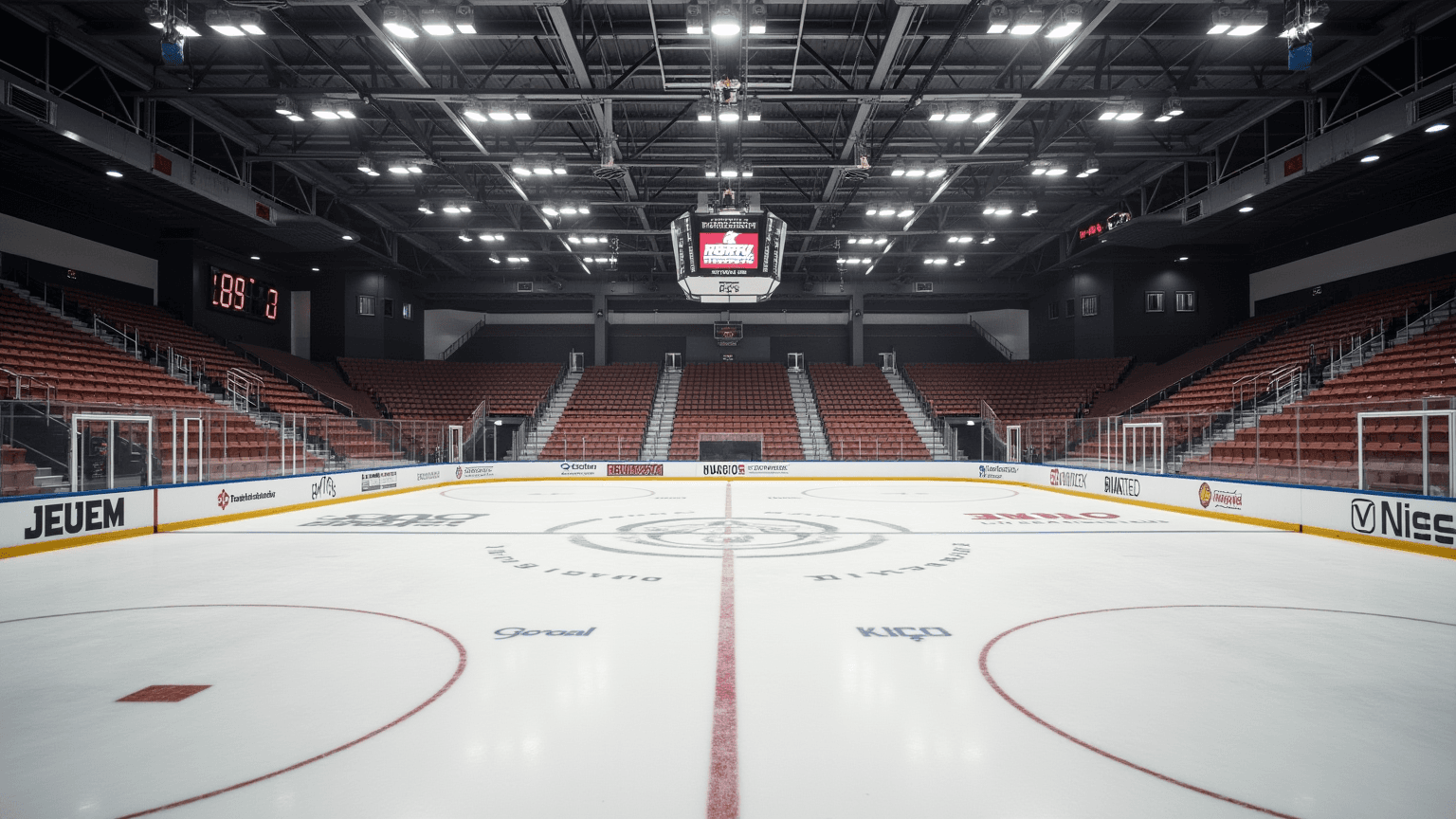
Minneapolis Park and Recreation Board working on repairs at Northeast Ice Arena with goal of reopening in the fall
Minneapolis Park and Recreation Board plans to repair Northeast Ice Arena with a goal of reopening for the ice season this fall.

City
Algae at Minneapolis Lakes
The Minneapolis Park & Recreation Board issued an announcement about algae growth at city lakes following recent high temperatures.
The neighborhood, in your inbox
Free. No paywall. Pick the topics you want — we send what’s happening this week.