CityLowry HillLowry Hill East (The Wedge)East IslesCedar-Isles-DeanBryn MawrKenwoodLake of the Isles
What the Park Board Owns: Lakes, Parkways and the Street Trees Outside Your Door
The Minneapolis Park and Recreation Board owns about 180 park properties and nearly 7,000 acres, and it also maintains roughly 200,000 boulevard trees on the residential streets outside many residents' doors.
When people picture the Minneapolis Park and Recreation Board, they think of Lake of the Isles, Bde Maka Ska or Minnehaha Falls. The board's holdings are far broader. It oversees about 180 park properties spanning roughly 6,800 acres of land and water, and in much of the city it also maintains nearly 200,000 boulevard trees along about 1,100 miles of streets, plus an estimated 400,000 trees within the parks themselves.
That reach explains why so many everyday features of the lakes-and-hill neighborhoods fall under park jurisdiction rather than the city's, and why a question about a tree or a parkway can get bounced between departments before it lands in the right place. Among the board's holdings are 55 miles of parkways, the 102-mile Grand Rounds system of biking and walking paths, 22 lakes, 12 formal gardens, seven golf courses and 49 recreation centers.
The MPRB is an independently elected, semi-autonomous park district, established in 1883, with its jurisdiction largely contiguous with the city limits. Its parkways were designed as linear parks rather than ordinary roads, and the boulevard trees are maintained as part of that public realm. The result is that much of what makes a Minneapolis street feel green is, legally, parkland governed by an elected board with its own budget and levy.
For a Lowry Hill or Kenwood resident, knowing the boundary matters. A pothole in the street is a city issue, handled through 311; a problem on a parkway, a lake shoreline or a boulevard tree is likely a Park Board matter, reported through the MPRB. Because two governments own pieces of the same corridors, projects such as a street reconstruction that touches a parkway or tree work that intersects sidewalk repair sometimes require both to coordinate, and that seam is where requests can fall through.
Residents can look up park property boundaries and report park, parkway and boulevard-tree issues at minneapolisparks.org, while street and other non-park issues go through the city's 311 service.
Sources: Minneapolis Park & Recreation Board,; Wikipedia,
CityLowry HillLowry Hill East (The Wedge)East IslesCedar-Isles-DeanBryn MawrKenwoodLake of the Isles
Related stories
City
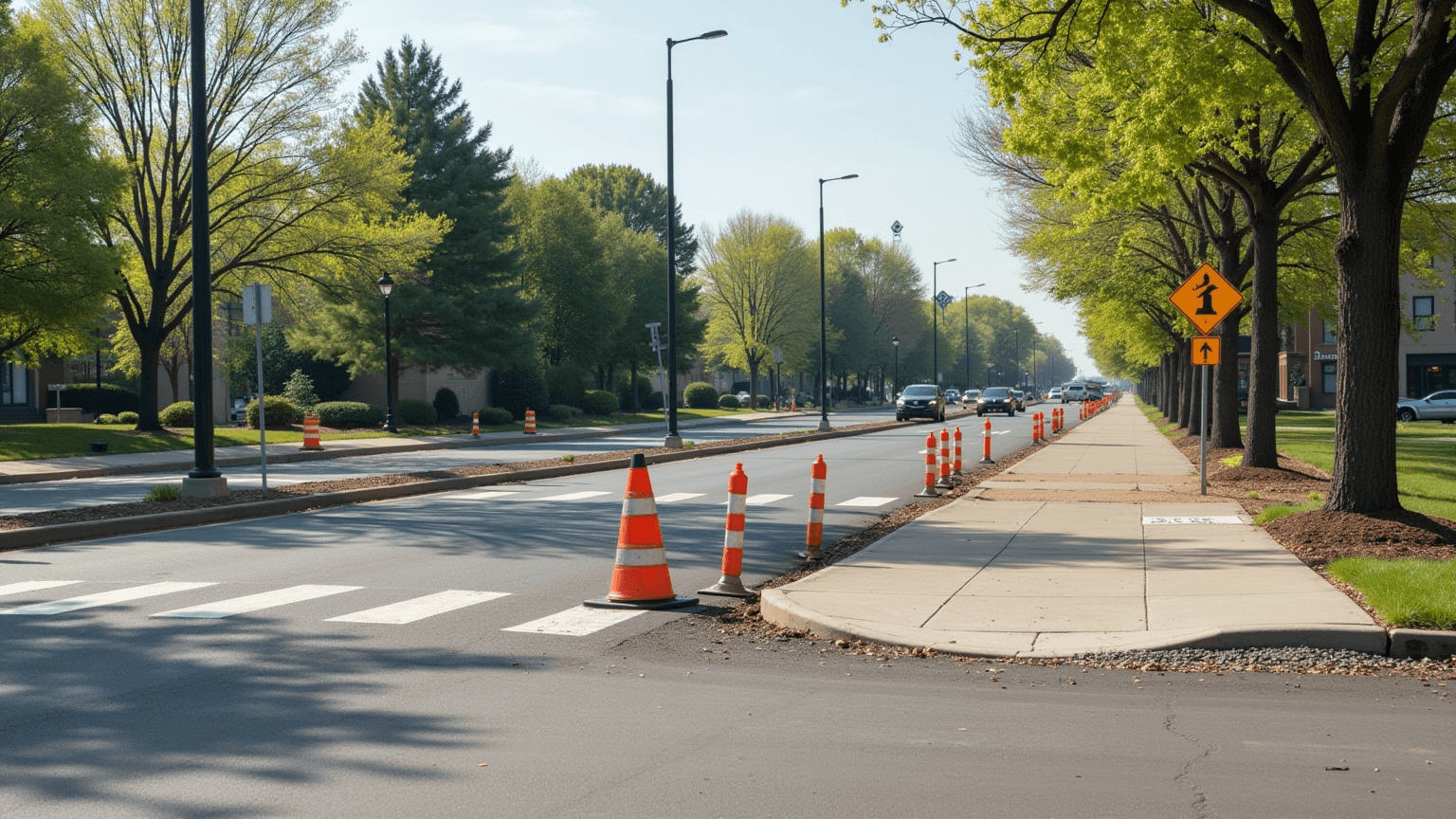
Parkway, intersection and pedestrian ramp improvements begin at Lake Harriet this year
Work to resurface Lake Harriet Parkway and improve the William Berry Parkway intersection will occur in phases starting in 2026.
City
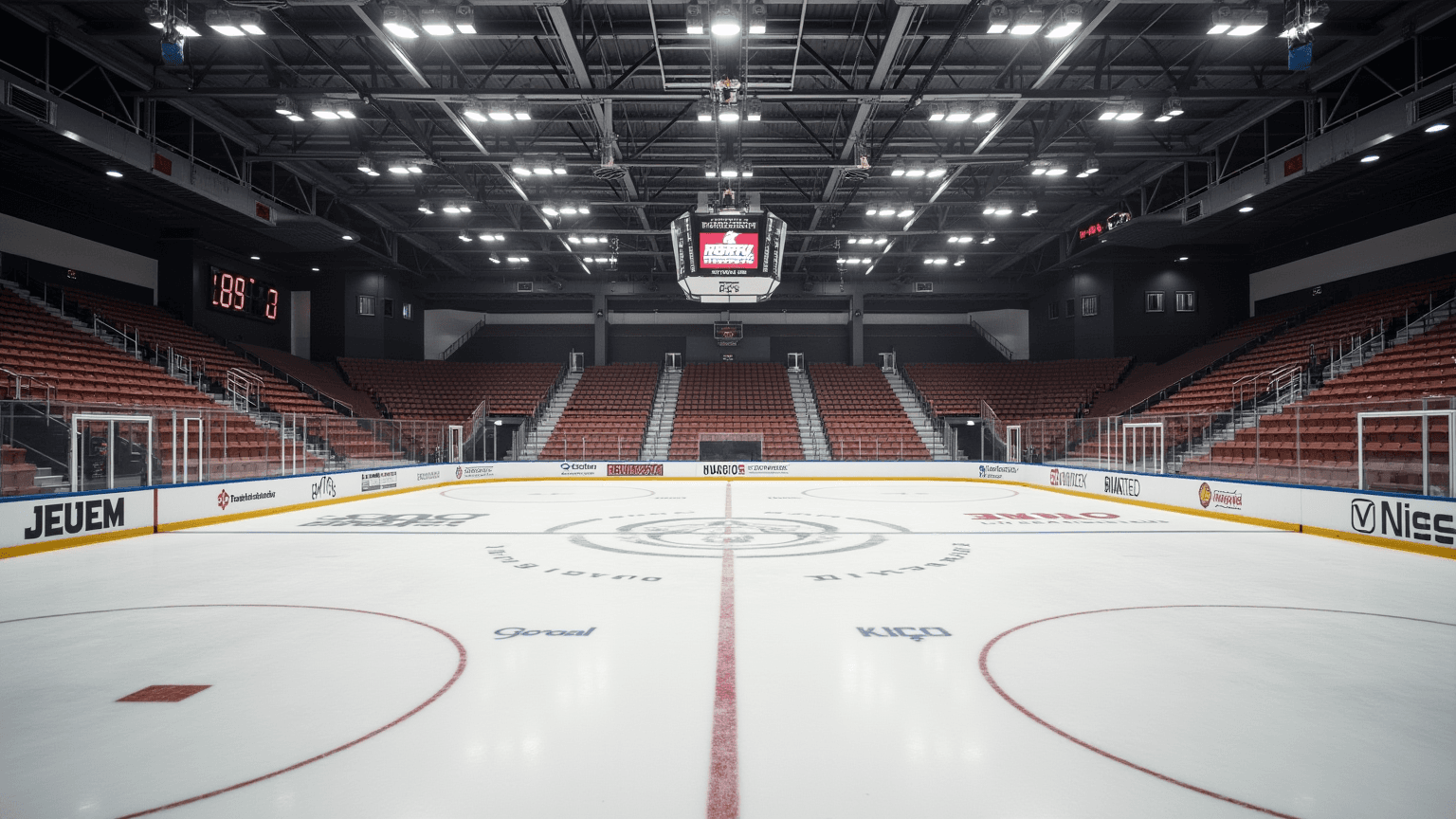
Minneapolis Park and Recreation Board working on repairs at Northeast Ice Arena with goal of reopening in the fall
Minneapolis Park and Recreation Board plans to repair Northeast Ice Arena with a goal of reopening for the ice season this fall.
City
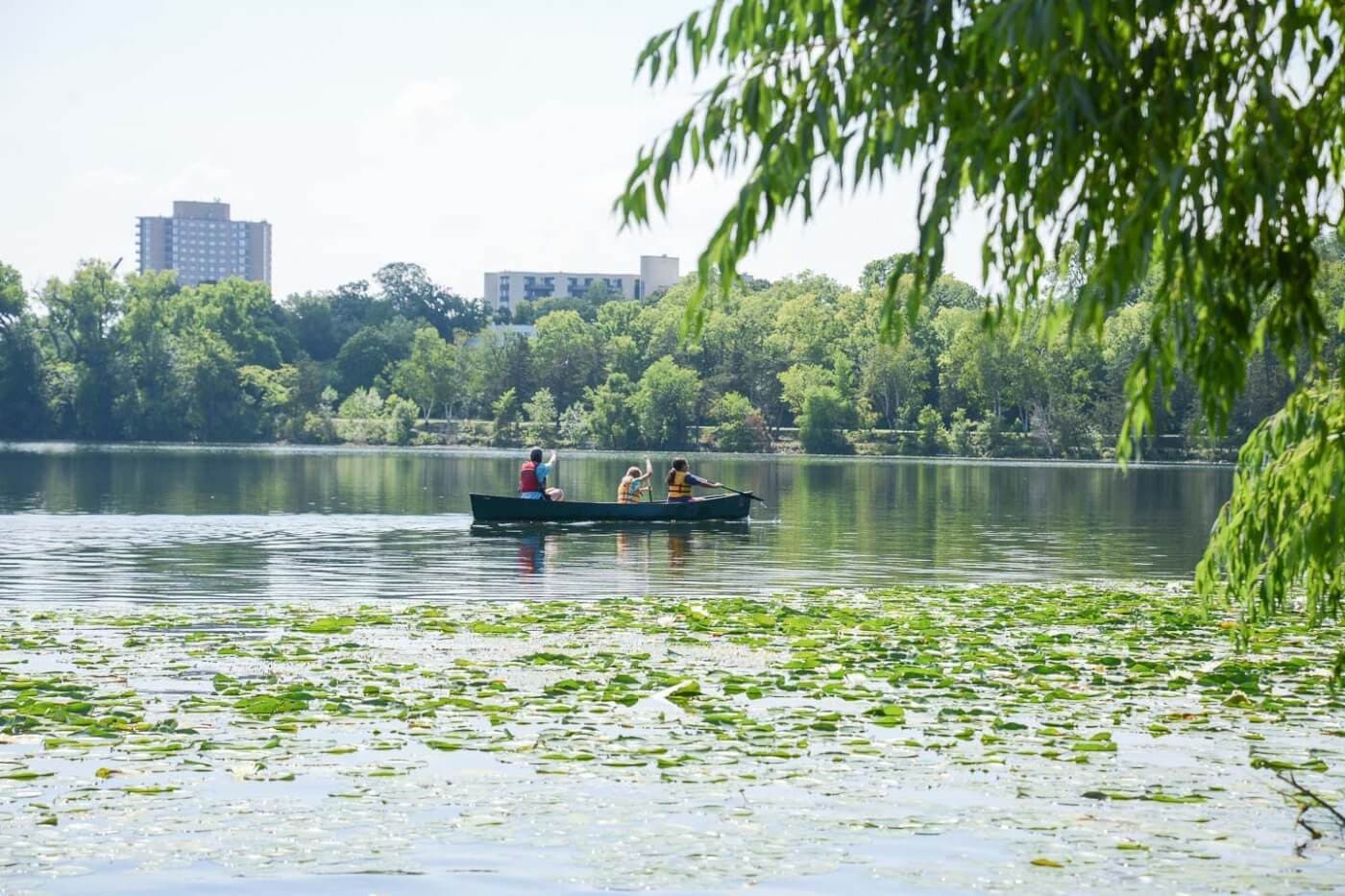
Algae at Minneapolis Lakes
The Minneapolis Park & Recreation Board issued an announcement about algae growth at city lakes following recent high temperatures.
The neighborhood, in your inbox
Free. No paywall. Pick the topics you want — we send what’s happening this week.