NeighborhoodLowry HillLowry Hill East (The Wedge)KenwoodLake of the Isles
Thomas Lowry, the Streetcar Magnate Who Gave the Hill Its Name
Both Lowry Hill and Lowry Hill East trace their names to the man who wired the city for rapid transit.
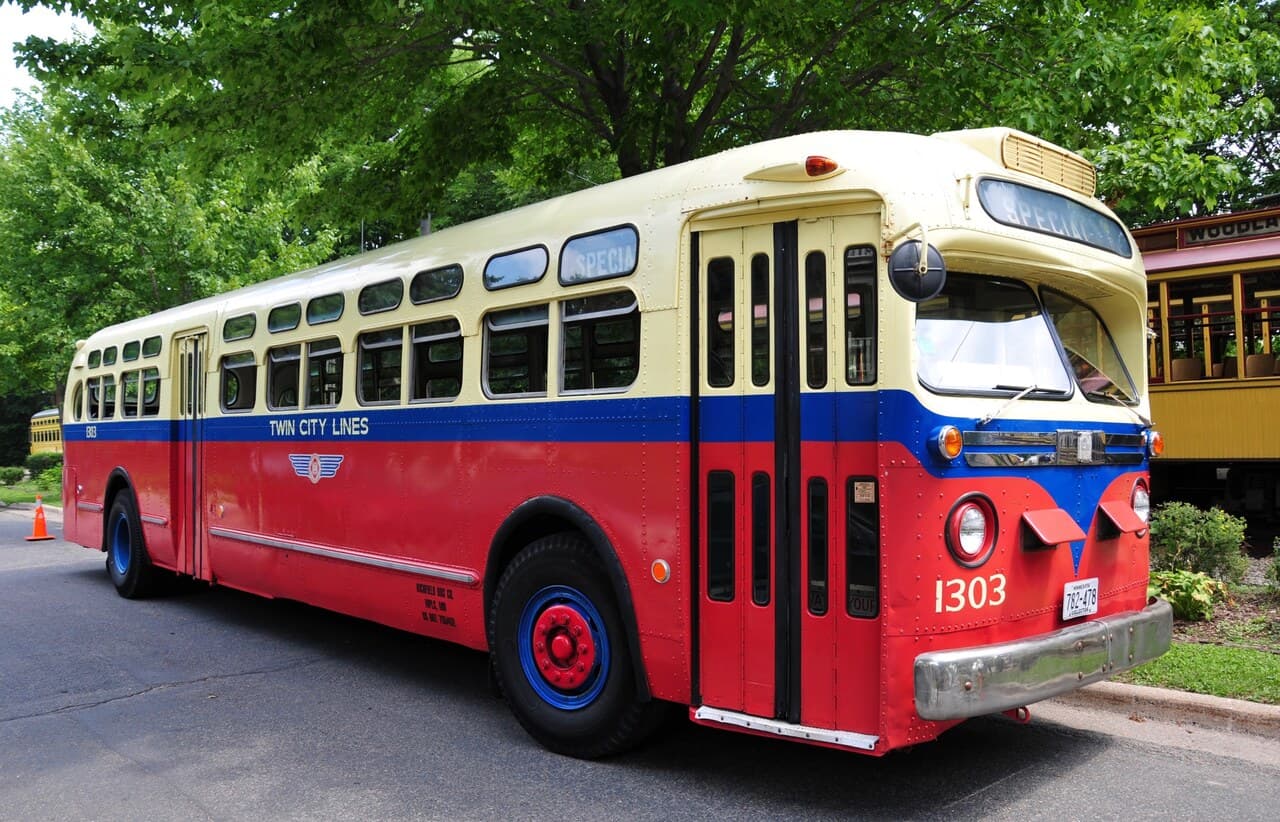
Thomas Lowry arrived in Minneapolis in the late 1860s and, more than any other single figure, built the system that moved its people. He installed the horse-drawn streetcars that first ran through what is now Lowry Hill East in the 1880s, then helped electrify and consolidate the lines into the Twin City Rapid Transit Company, whose cars eventually reached every quarter of Minneapolis and St. Paul. Both Lowry Hill and the Lowry Hill East neighborhood, better known as the Wedge, carry his name.
Lowry's transit lines did more than move people; they made the hill developable. The extension of the electric streetcar up Hennepin Avenue and west along Douglas Avenue opened the bluff to the real-estate boom of the 1890s, turning farmland and rough hillside into one of the most desirable addresses in the city, while the denser blocks east of Hennepin filled with the apartments of the people who rode the cars to work.
A memorial to Lowry once stood at the Virginia Triangle, where Hennepin and Lyndale avenues meet. It was relocated to Smith Triangle Park in 1967 to make way for construction of Interstate 94 and the Lowry Hill Tunnel.
The split naming can confuse newcomers. Lowry Hill proper sits west of Hennepin Avenue, climbing toward Kenwood and the Lake of the Isles. Lowry Hill East lies on the other side of Hennepin, a denser, more commercial wedge of blocks bounded by Lyndale Avenue. The Lowry Hill East Neighborhood Association still opens its own neighborhood history by crediting Lowry and the streetcars that first ran along its streets.
Lowry's influence outlived his streetcars. The routes his company laid down shaped where Minneapolis grew dense and where it spread out, and many of today's busiest transit corridors — Hennepin chief among them — trace the paths of the old lines. When the city rebuilt Hennepin Avenue with dedicated bus lanes in 2024 and 2025, it did so along the spine Lowry first electrified more than a century earlier.
NeighborhoodLowry HillLowry Hill East (The Wedge)KenwoodLake of the Isles
Related stories
Neighborhood
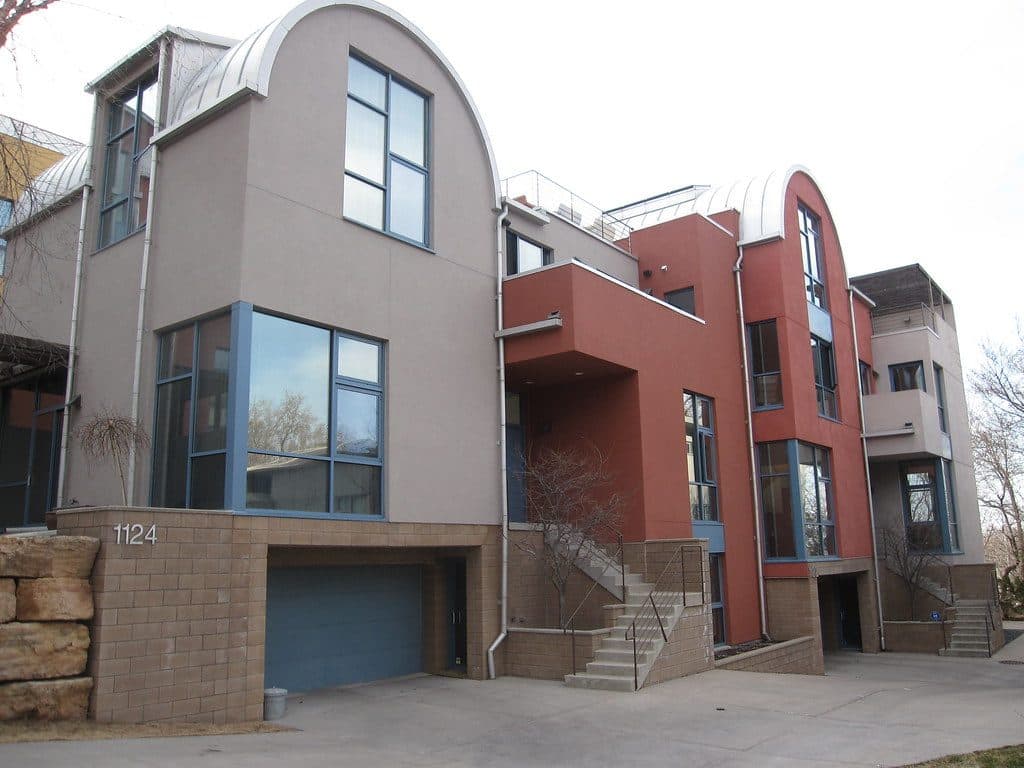
Lowry Hill and East Isles Land on Patch's List of Minnesota's Most Expensive Neighborhoods
Lowry Hill and East Isles rank among Minnesota's most expensive neighborhoods according to Patch's analysis of Niche's 2026 data.
Neighborhood
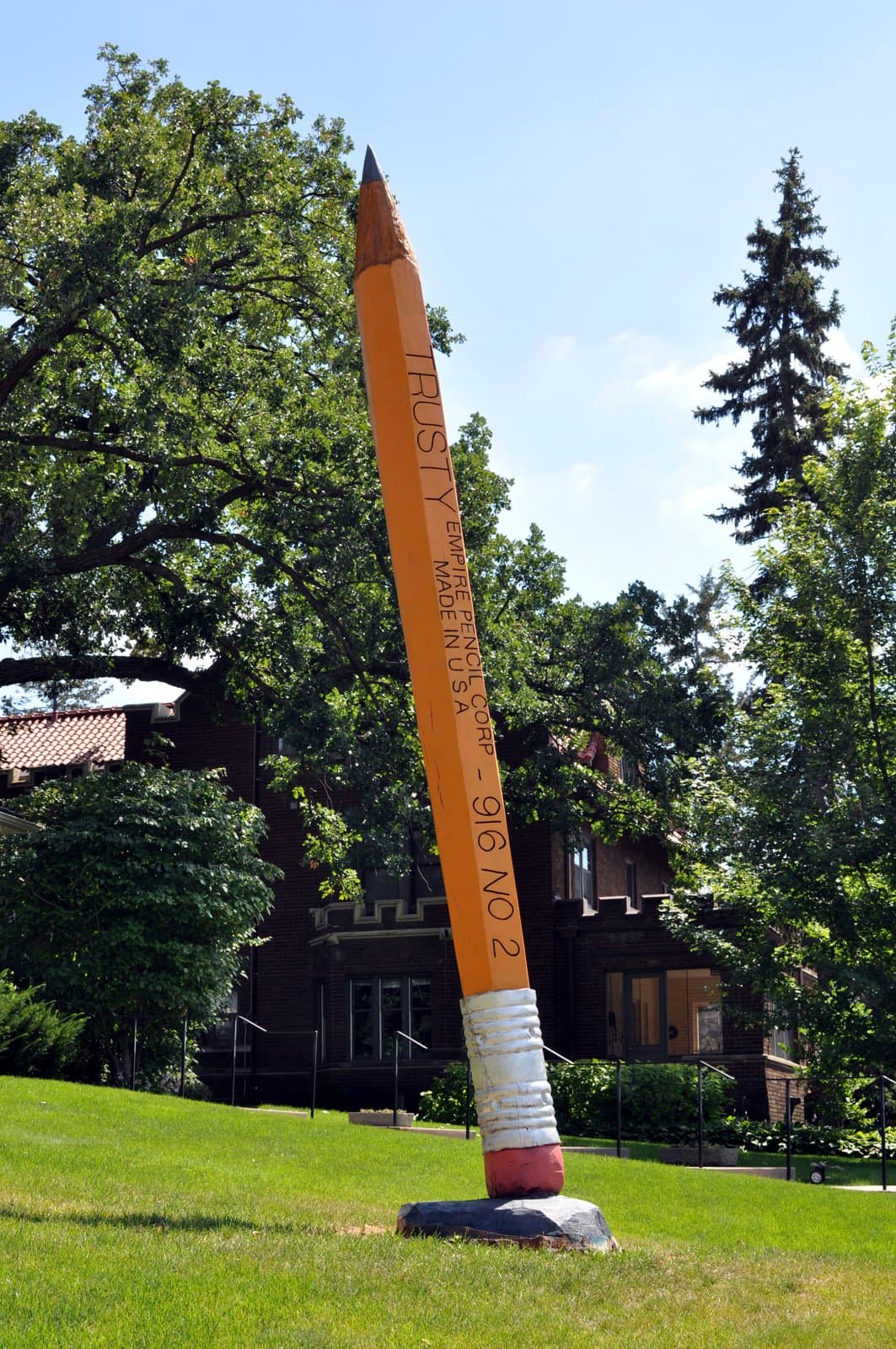
Community celebrates Lake of the Isles Pencil's 5th sharpening
Thousands gathered in East Isles on June 6, 2026, to watch the annual ceremonial sharpening of Minneapolis' giant pencil sculpture.
Neighborhood
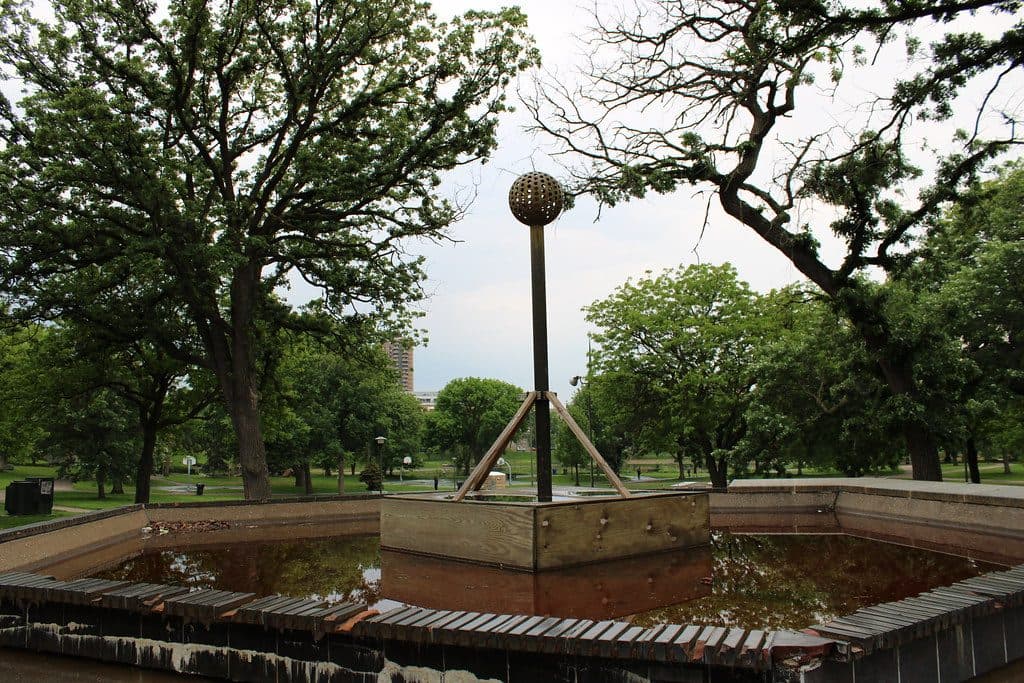
The end is in sight for Loring Park dandelion fountain's drought
State lawmakers approved $1.8 million for Berger Fountain repairs, and Park Board crews have begun demolition at the dry Loring Park landmark.
The neighborhood, in your inbox
Free. No paywall. Pick the topics you want — we send what’s happening this week.