Neighborhood History
Every Lowry Hill News story tagged Neighborhood History.
Neighborhood
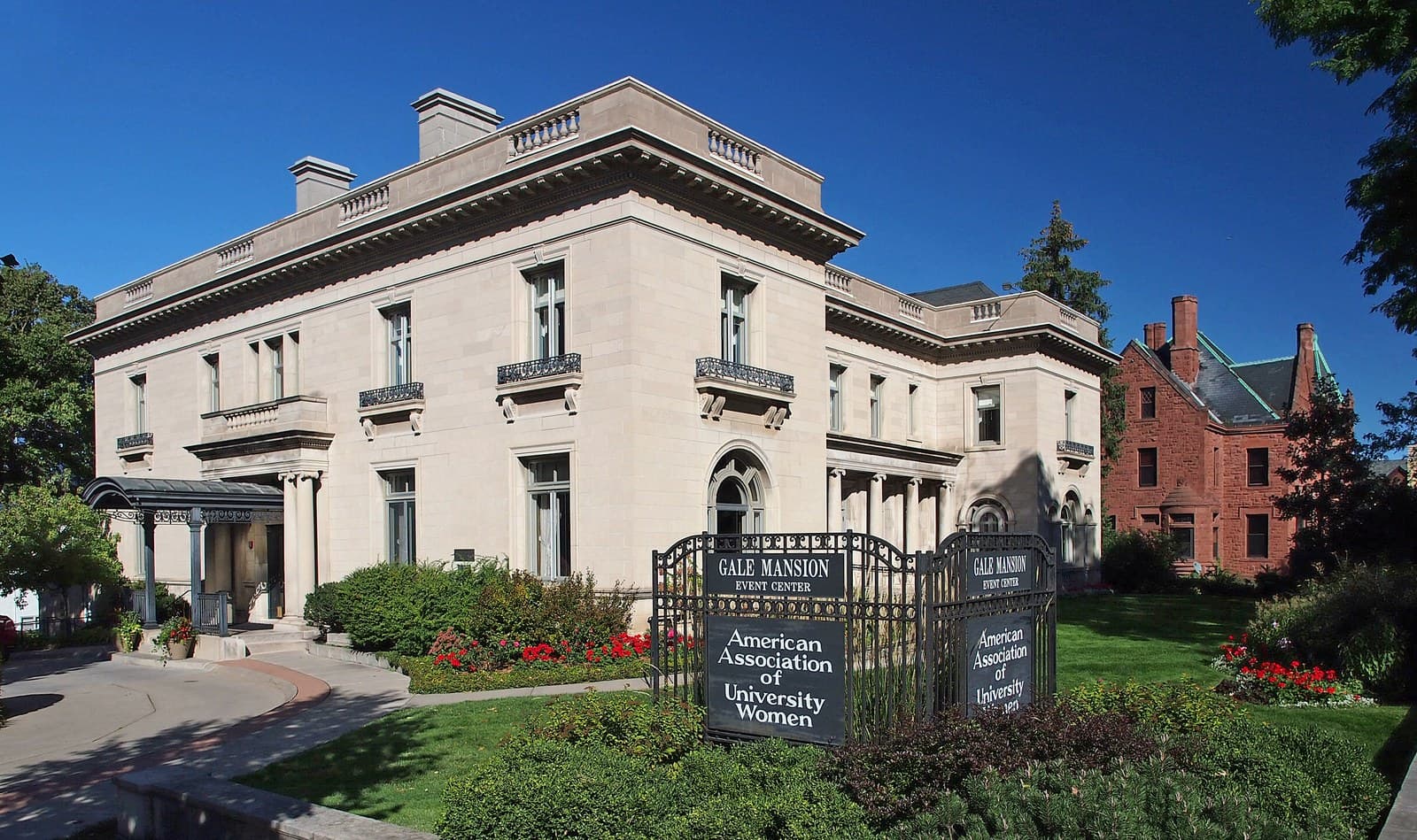
An Acre in the City: The Estates That Defined Lowry Hill
The Charles J. Martin House at 1300 Mount Curve Avenue, a 14,300-square-foot mansion on nearly an acre of Lowry Hill, last carried an asking price of $5.995 million through the Berg Larsen Group.
Neighborhood
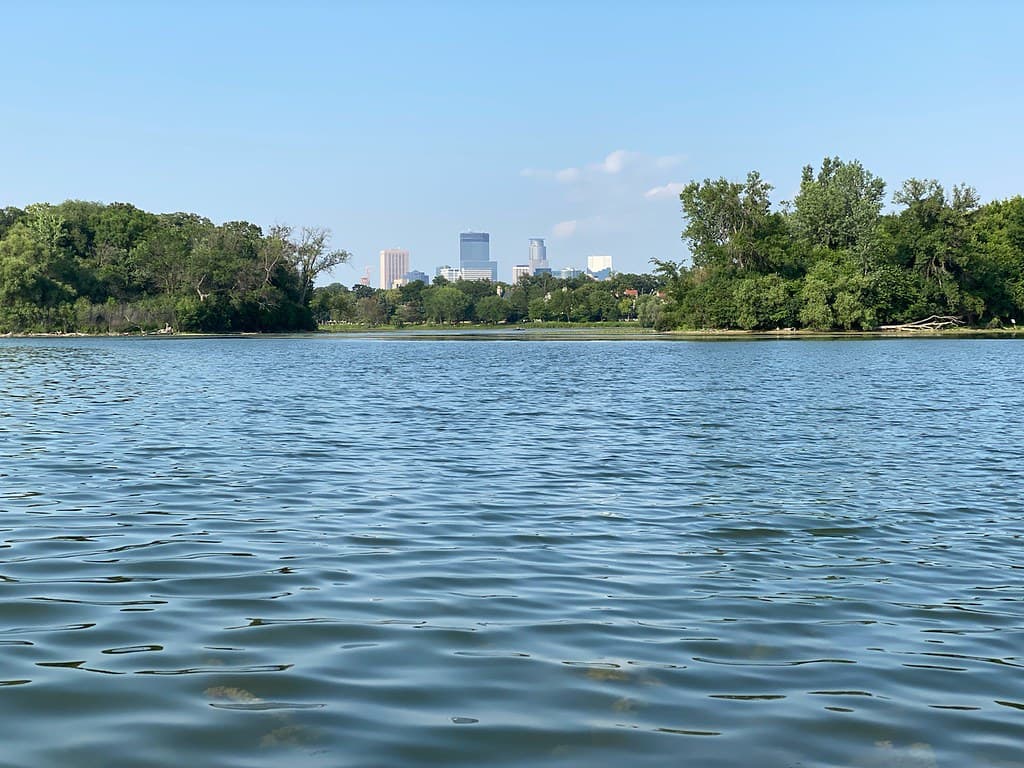
The Wedge Within the Bde Maka Ska-Isles Community
Lowry Hill East, the Minneapolis neighborhood known as the Wedge, is home to more than 9,000 residents packed into a triangle of dense blocks between three of the city's busiest commercial streets.
Neighborhood
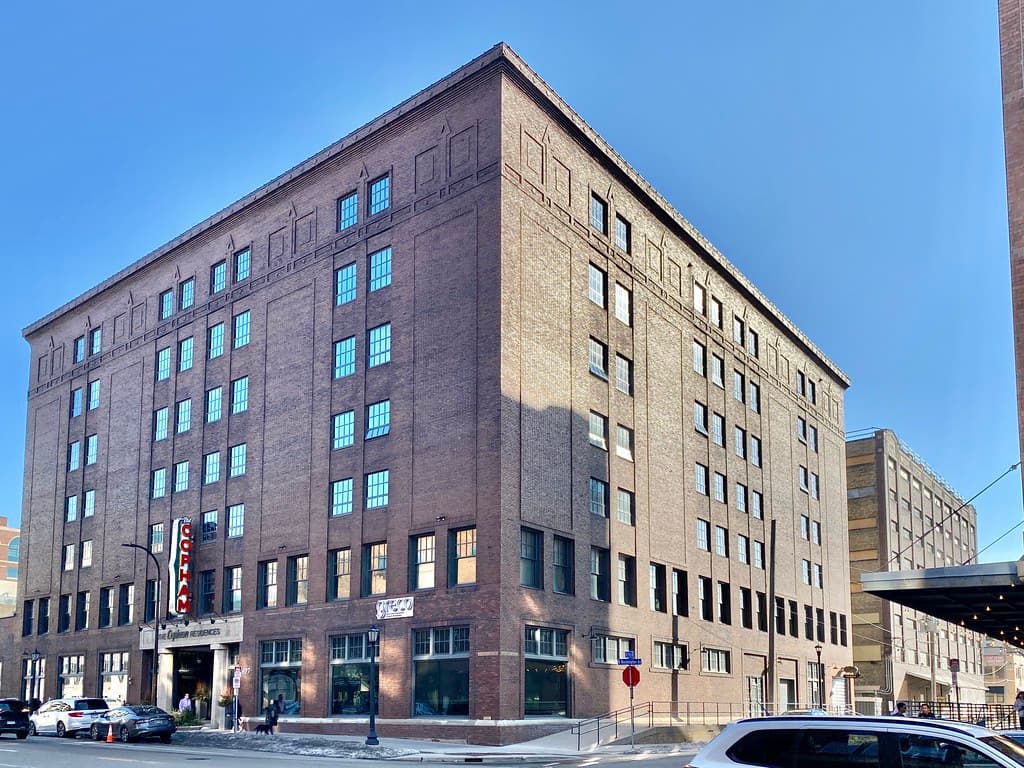
Mount Curve Condominiums and Midcentury Living on the Hill
The Mount Curve Condominiums at 1770 Bryant Ave. S., a four-story, 68-unit building finished in 1968, brought owner-occupied apartment living to a Lowry Hill block defined by turn-of-the-century mansions.
Neighborhood
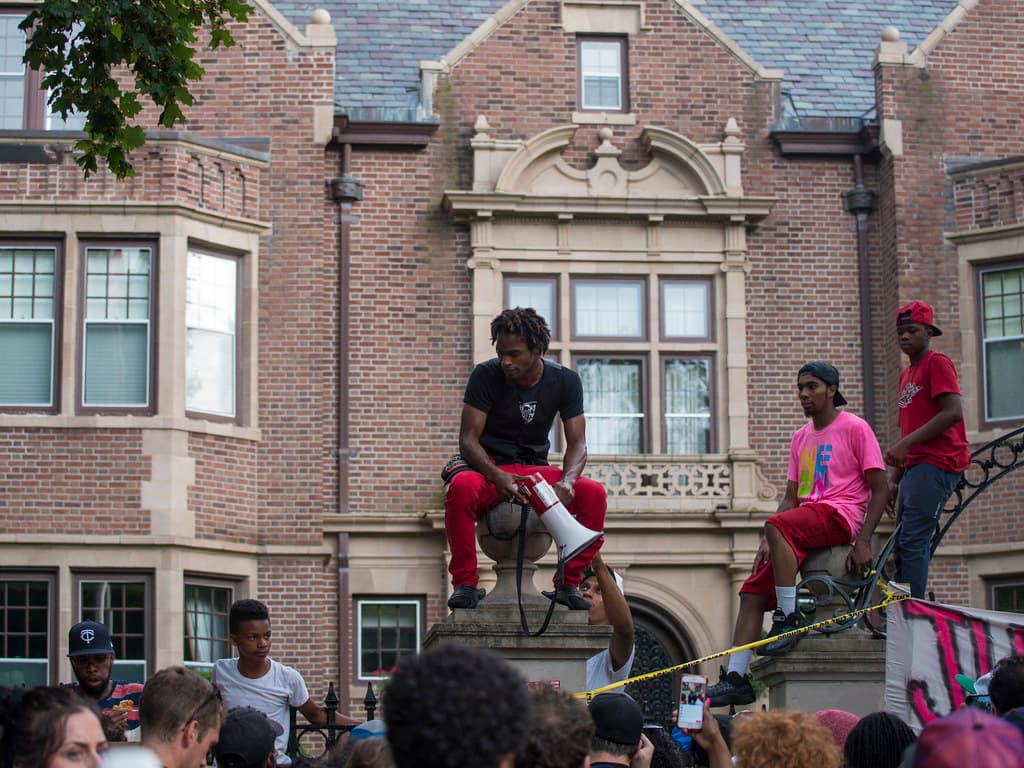
Renaissance Revival, Italian Renaissance and the Styles of the Hill
A few blocks of Mount Curve Avenue in Lowry Hill hold a working catalog of how wealthy Minneapolis built between 1900 and 1910, from Renaissance Revival to Prairie School.
Neighborhood
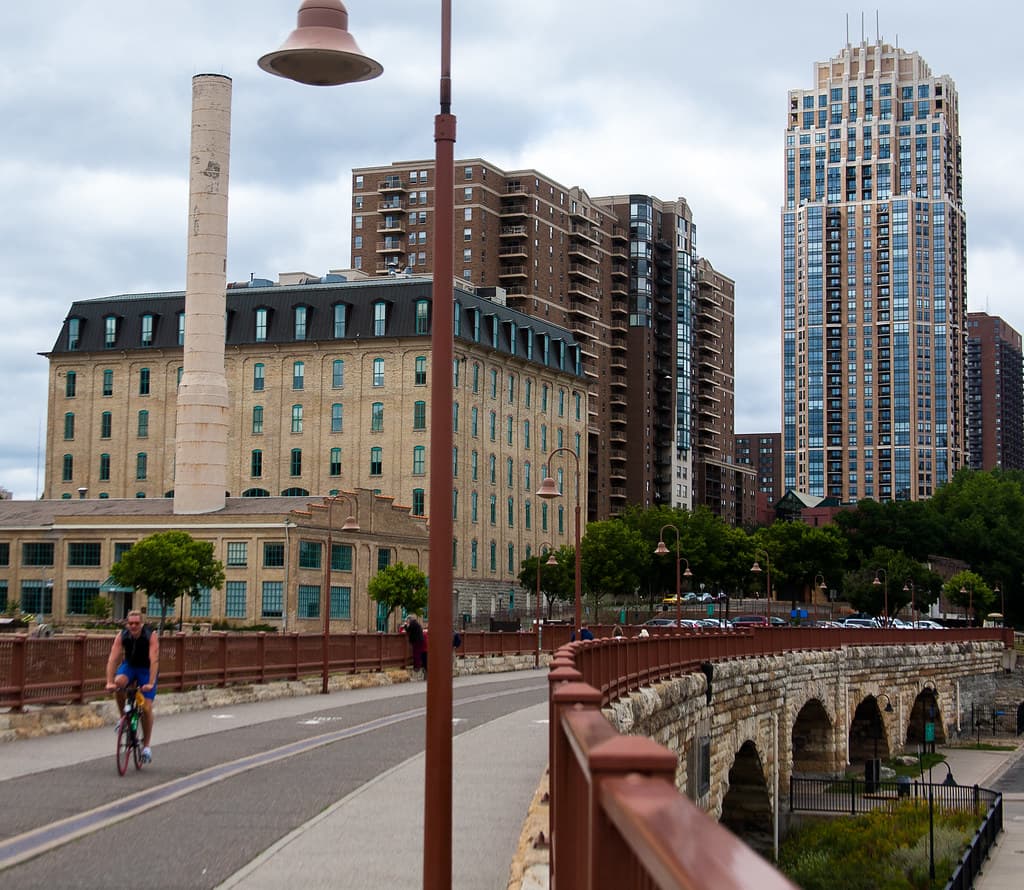
Bike Culture Runs Through the Wedge
With Hennepin Avenue's new protected bikeway open on the Wedge's western edge, the fight over Lyndale Avenue on the eastern edge will decide whether the neighborhood gets a matching lane.
Neighborhood
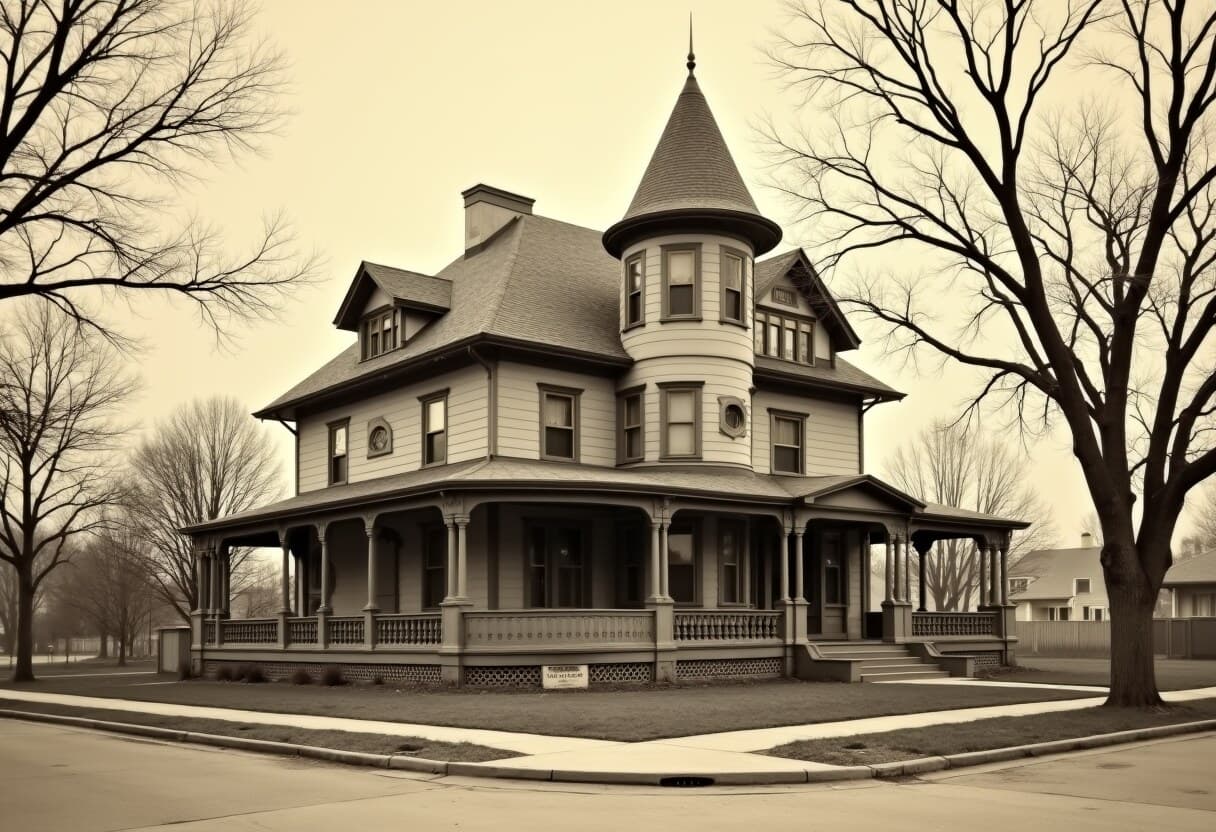
The Thomas Lowry House and a Vanished Corner of the Hill
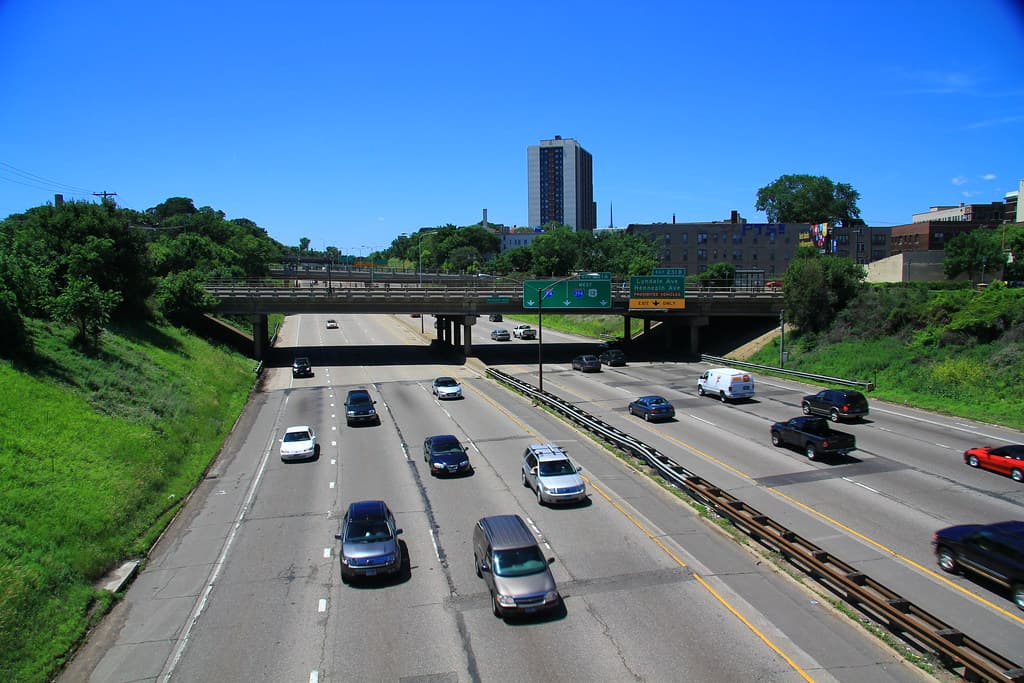
The Karl Bitter memorial to streetcar magnate Thomas Lowry was moved to Smith Triangle on Hennepin Avenue in 1967 to make way for Interstate 94 and the Lowry Hill Tunnel, one of several ways the freeway reshaped the neighborhood that carries his name.
Neighborhood
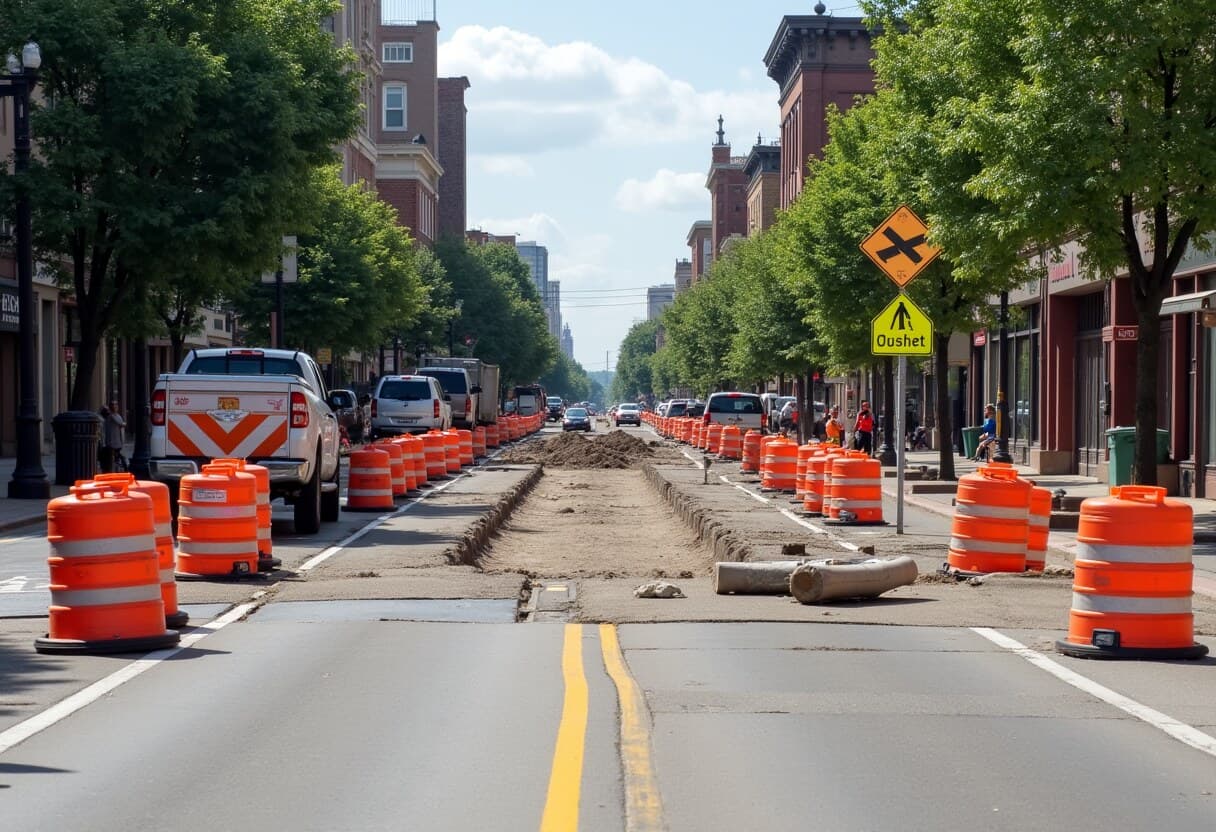
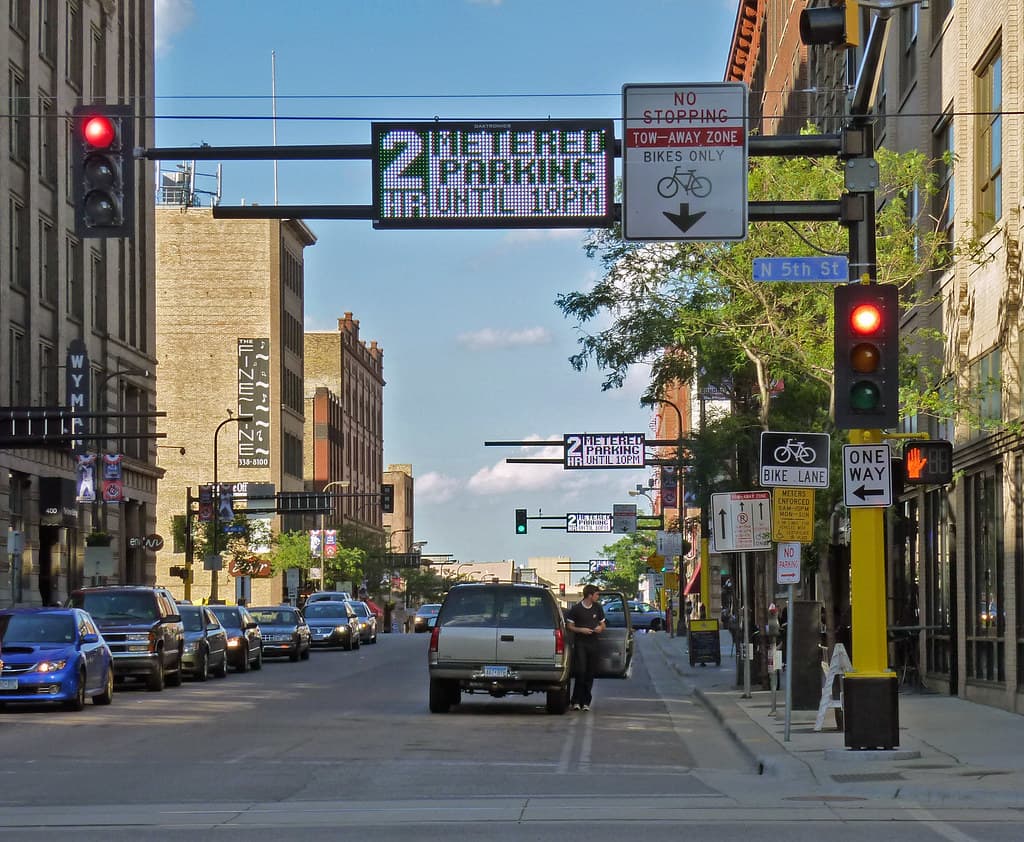
A Final Summer of Hennepin Construction, Then Relief
After two years and about $36 million, the rebuilt stretch of Hennepin Avenue South reopened to two-way traffic at the end of October 2025.
Neighborhood
The Lyndale Corridor and the Question of Bike Lanes
Hennepin County's plan to rebuild Lyndale Avenue South, the Wedge's eastern boundary, has drawn criticism from bike and transit advocates who say earlier designs left cyclists riding in traffic.
Neighborhood
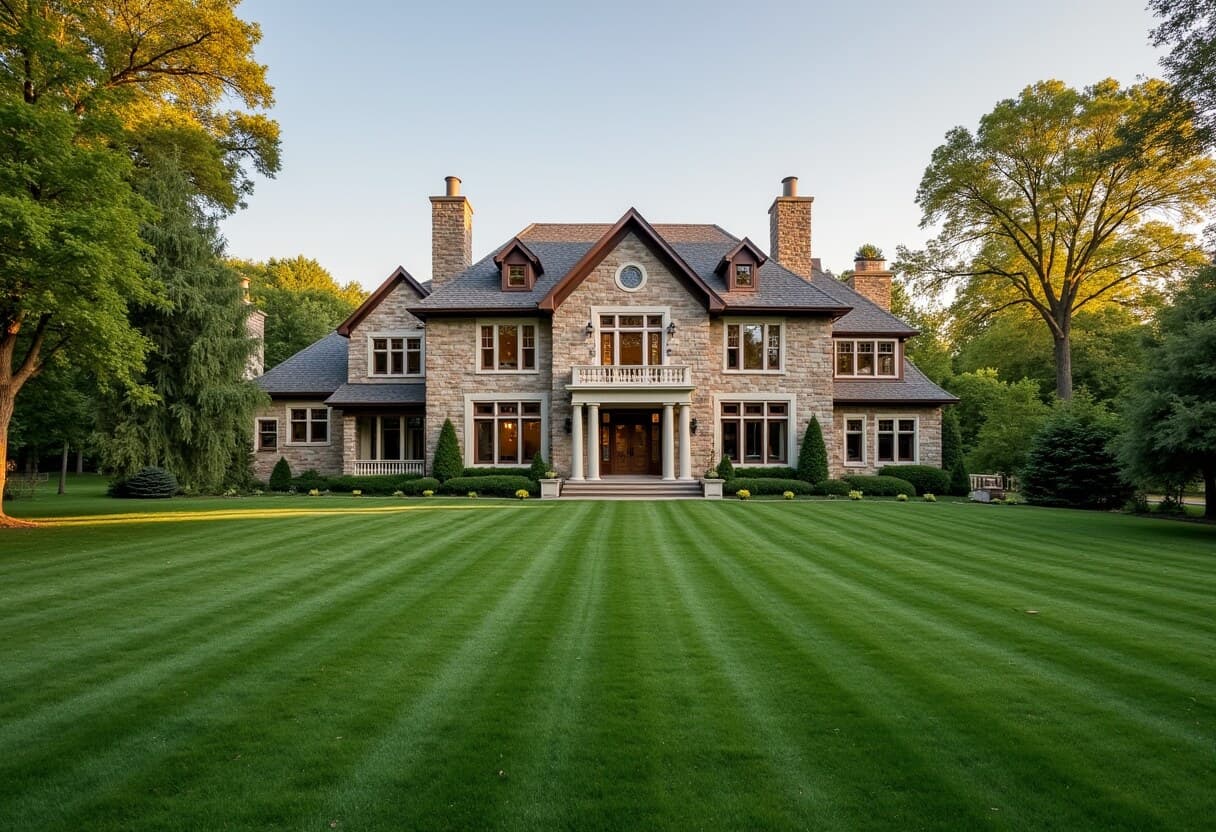
Why Lowry Hill Tops the City's Most-Upscale Lists
Lowry Hill's standing as one of Minneapolis's costliest neighborhoods traces to a streetcar-era boom that filled the ridge with mansions, most of which still stand.

Neighborhood
From Whittier Backyard to Wedge Landmark: The Co-op's Origin
The Wedge Co-op began in 1974 with Whittier neighbors who wanted whole foods without a long trip, opened in a Franklin Avenue apartment, and moved to its Lyndale Avenue home in 1979.
Neighborhood
The Highest Point in Minneapolis Is in Your Neighborhood
The Charles J. Martin House, a 1903 landmark at 1300 Mount Curve Avenue, crowns the Lowry Hill ridge that gives the neighborhood its name.
Neighborhood
Meet Your Neighbor: A Wedge Renter on Why She Never Leaves
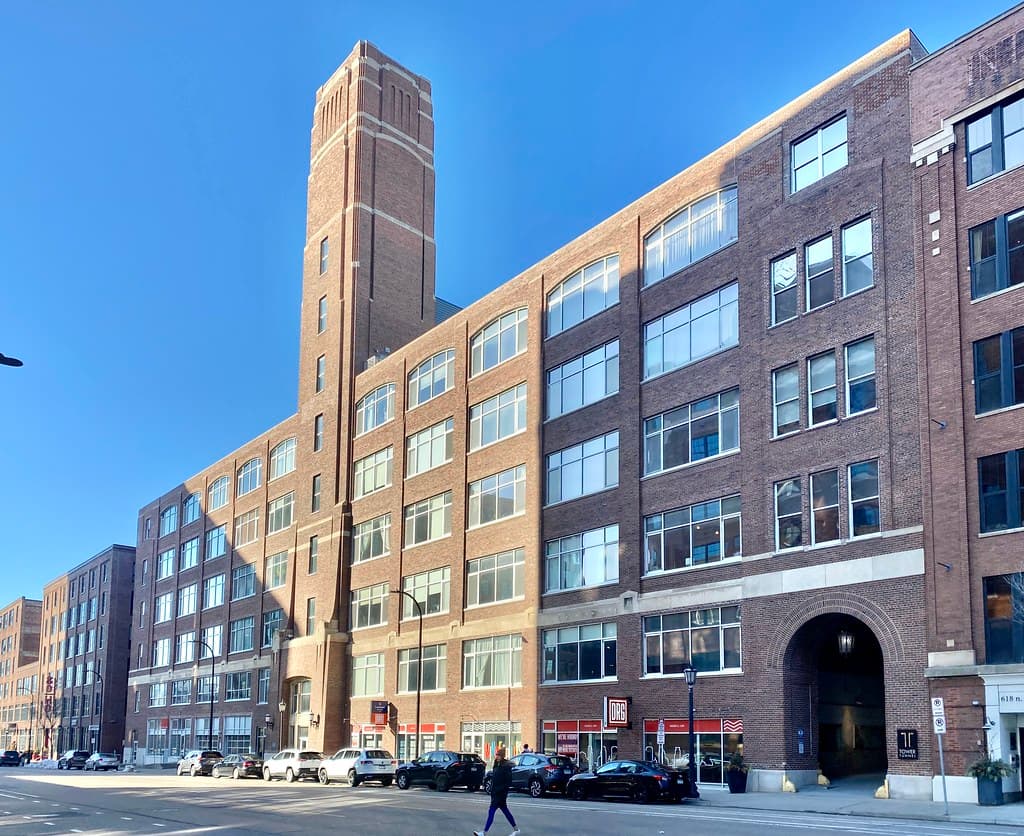
In the renter-heavy Wedge, daily life fits within a few walkable blocks, anchored by the Wedge Co-op and a civic life built to include tenants.
Neighborhood
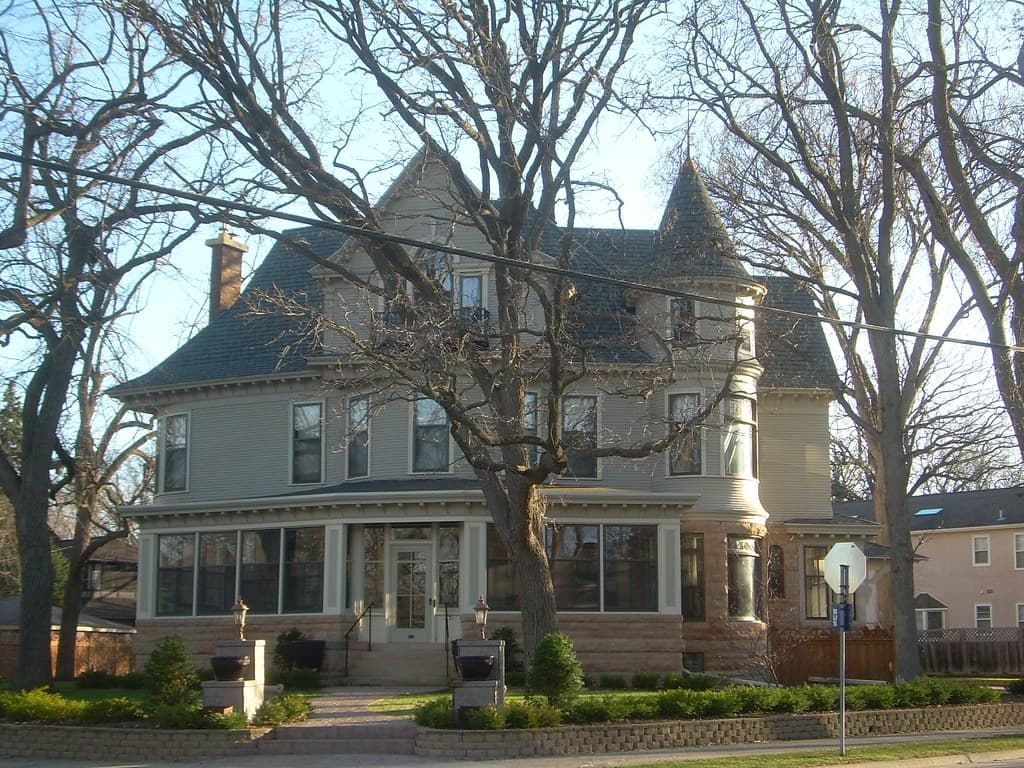
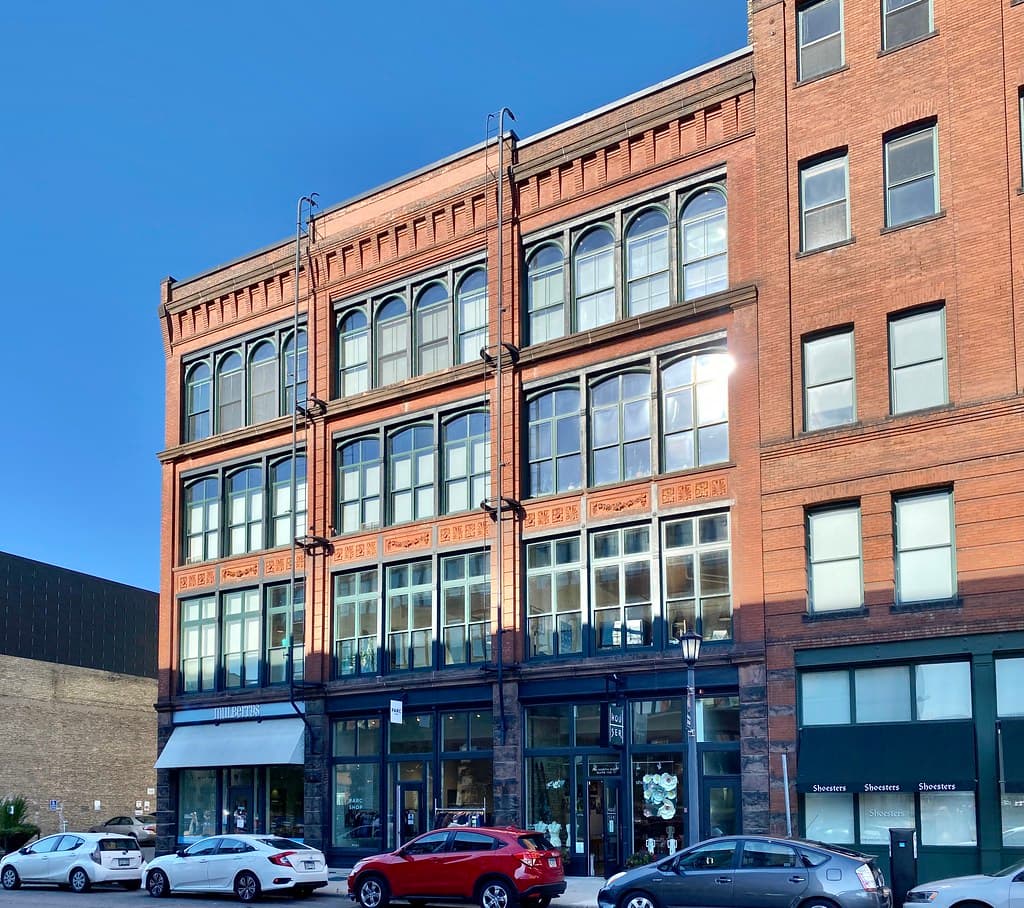
Lowry Hill East's Historic District and the Streetcar Houses
The Lowry Hill East Residential Historic District preserves streetcar-era homes on the 2300 and 2400 blocks of Aldrich, Bryant and Colfax Avenues South.
Neighborhood
Streetcars to Apartments: How the Wedge Got Dense
The Wedge developed in the 1880s along Thomas Lowry's streetcar line, and the density it set then still defines the neighborhood.

Neighborhood
The Wedge Food Share and a Neighborhood That Feeds Itself
The Lowry Hill East Neighborhood Association is raising $8,000 to keep its all-volunteer Wedge Neighborhood Food Share running through 2026.

Neighborhood
What the Wedge Means by 'Equitable Sharing of Resources'
LHENA's mission commits it to "the equitable sharing of resources" in one of the city's densest, most renter-heavy neighborhoods.
Neighborhood
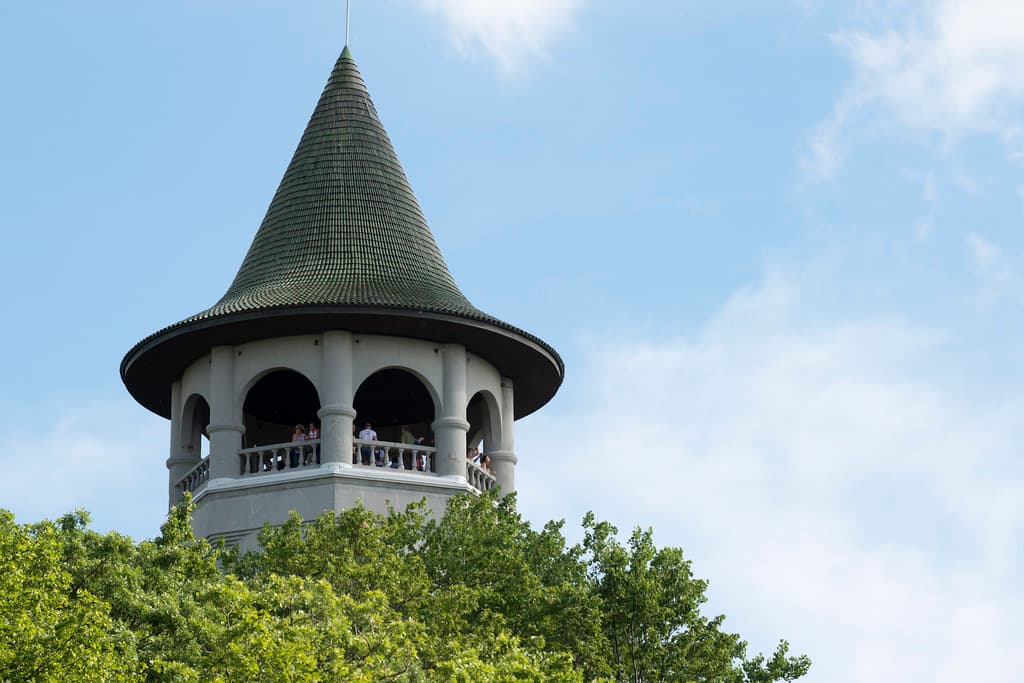
The Smith Triangle and the Wandering Lowry Memorial
The Thomas Lowry Memorial was moved to Smith Triangle Park in 1967 to make way for Interstate 94.

Neighborhood
Sidewalks, Bus Stops and a More Walkable Hennepin
The $36 million Hennepin Avenue South rebuild reopened in October 2025 with wider sidewalks, new bus stations and a two-way protected bikeway along the Wedge's western edge.

Neighborhood
A century of shoreline: how Lake of the Isles got its shape
Lake of the Isles owes its shape to decades of Park Board dredging, a 1919 ban on landing canoes on its islands and Depression-era stonework still visible from the parkway.
Neighborhood
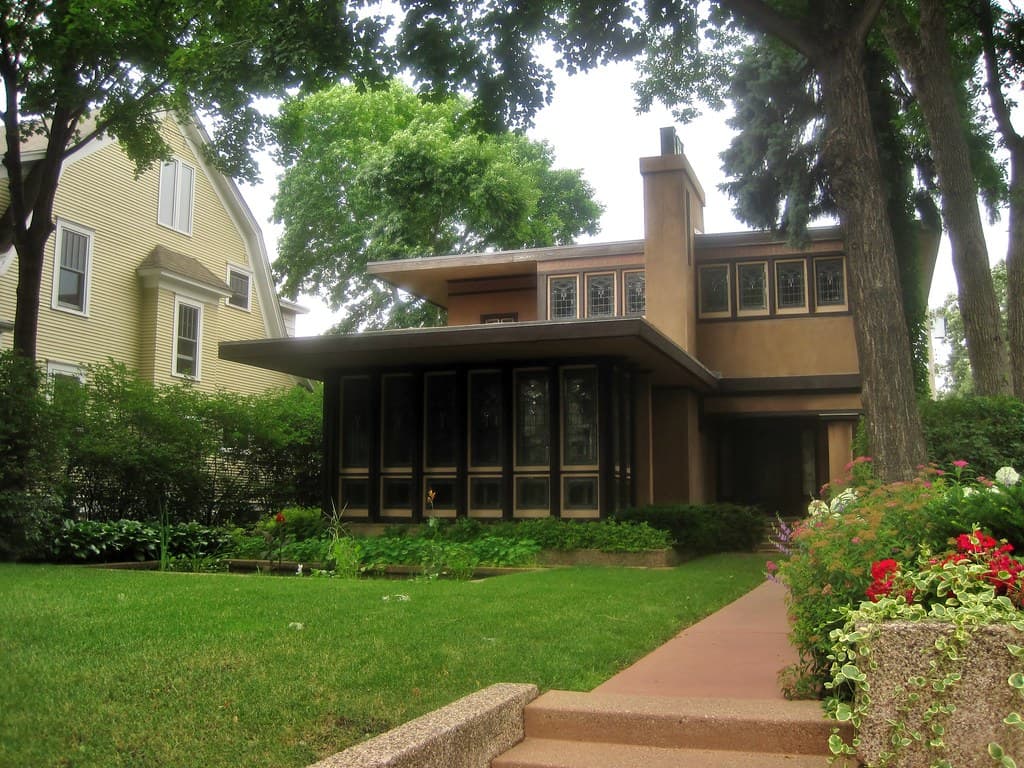
Charles Gluek's 1906 Italian Renaissance House on Mount Curve
A 1906 yellow-brick mansion on Mount Curve Avenue, built for brewer Charles Gluek, is one of Lowry Hill's better-preserved examples of Italian Renaissance design.
Neighborhood
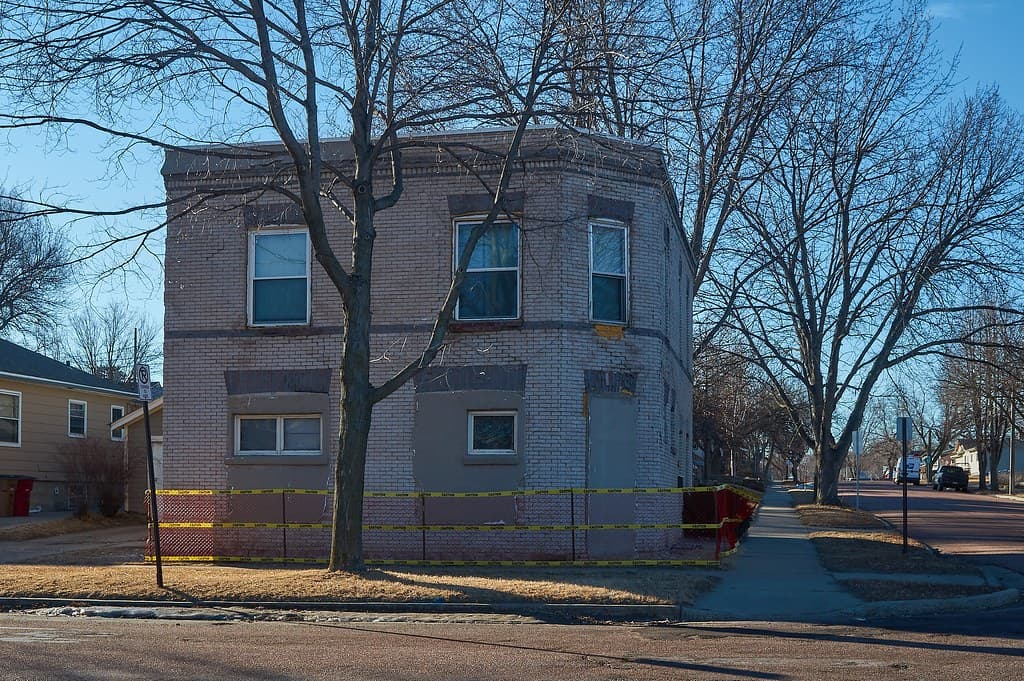
Groveland Terrace, the Quiet Companion to Mount Curve
Groveland Terrace shared in the Lowry Hill real-estate boom of the 1890s and early 1900s, lined with grand houses built to the same standard as neighboring Mount Curve Avenue.
Neighborhood
Public Safety Forums Bring the Wedge Together
The Lowry Hill East Neighborhood Association has addressed public safety through forums and a restorative-justice pilot, including an October 2020 forum that drew MPD leadership and city violence-prevention figures.

Neighborhood
Lake of the Isles Anchors Lowry Hill's Western Flank
Lake of the Isles Parkway, with Logan and Morgan avenues, forms Lowry Hill's western boundary and gives the neighborhood direct access to the Chain of Lakes.
Neighborhood
A George Maher Mansion and the Prairie School on Lowry Hill
A 1910 Prairie School mansion designed by architect George W. Maher stands at 1324 Mount Curve Ave. on Lowry Hill, among a ridge of European revival houses.

Neighborhood
The Uptown Farmers Market Returns to the Wedge's Doorstep
The Uptown Farmers Market opens its 2026 season Thursday, June 11, at a new spot two blocks north at Lagoon and Girard, after construction displaced its previous location.
Neighborhood
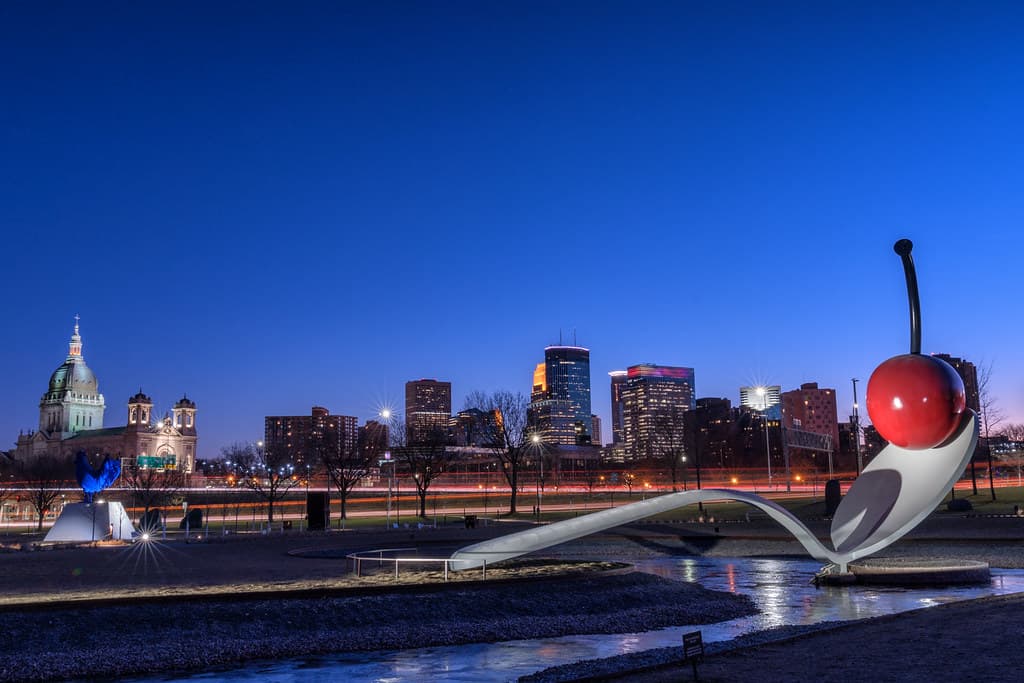
Where the Walker Art Center Meets the Neighborhood
Lowry Hill's northeastern edge runs up against the Walker Art Center and the Minneapolis Sculpture Garden.
Neighborhood
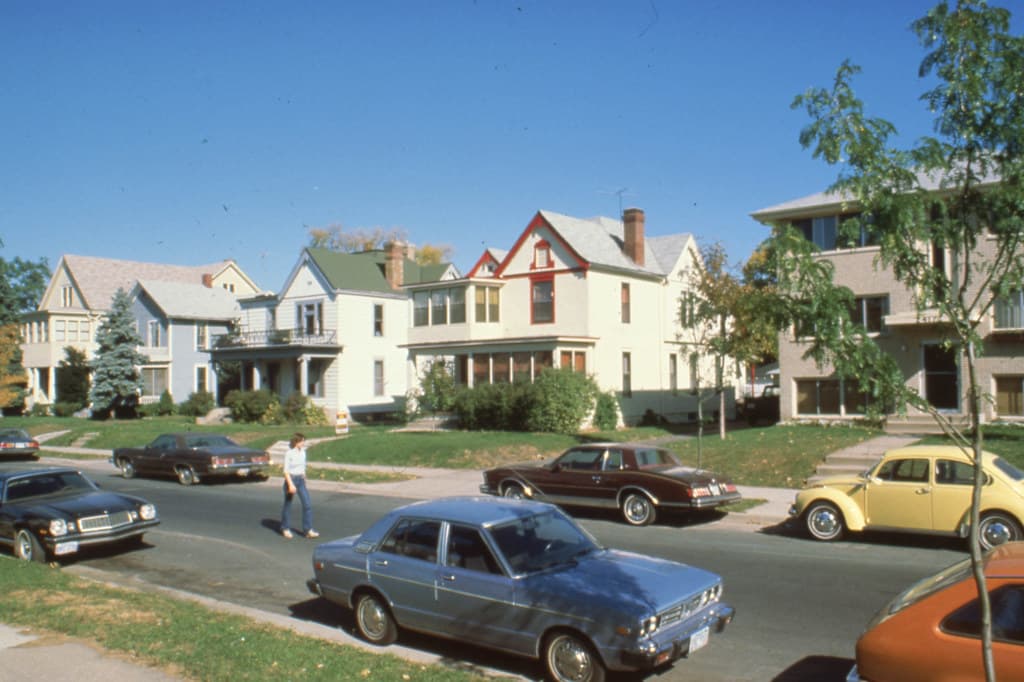
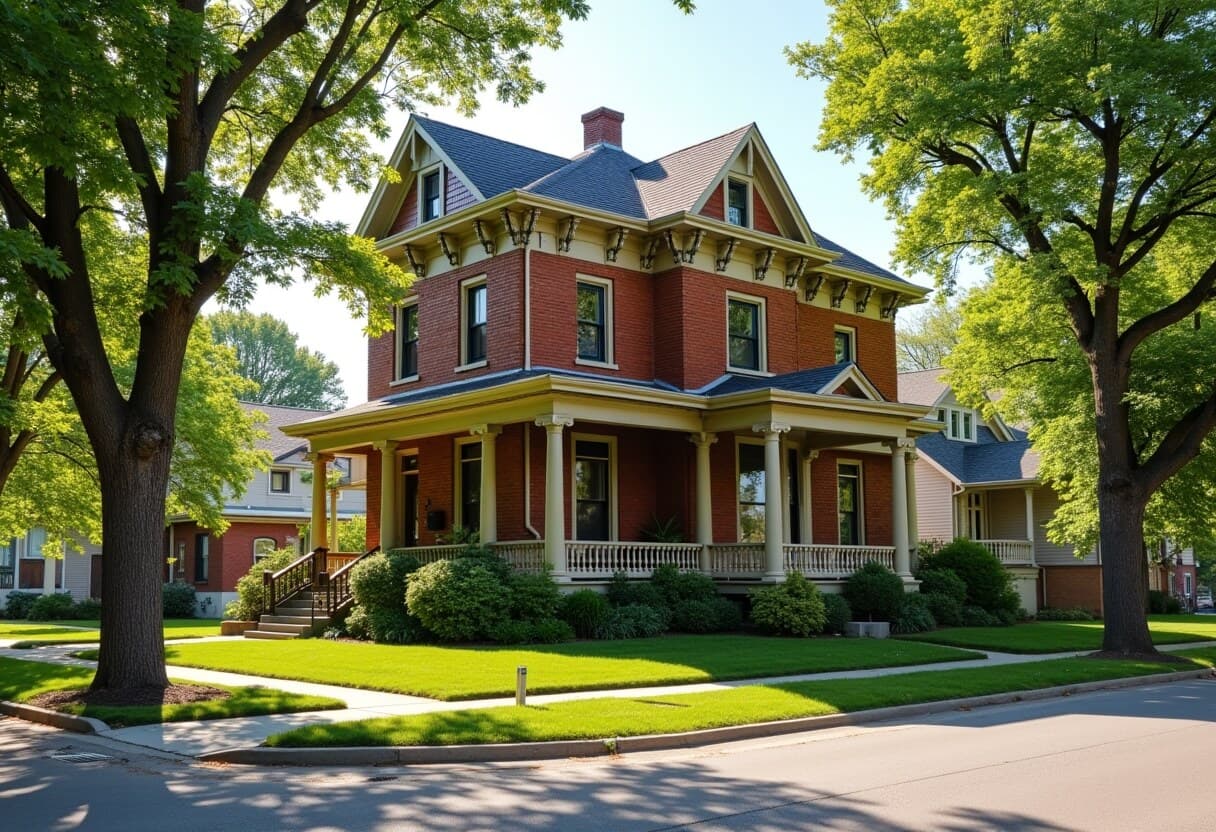
Broad Lawns and Boulevard Trees: The Look of Lowry Hill
Lowry Hill's streetscape of broad lawns, boulevard trees and well-spaced houses was set by 1900, when the streetcar boom filled the ridge with the homes of the wealthy.
Neighborhood
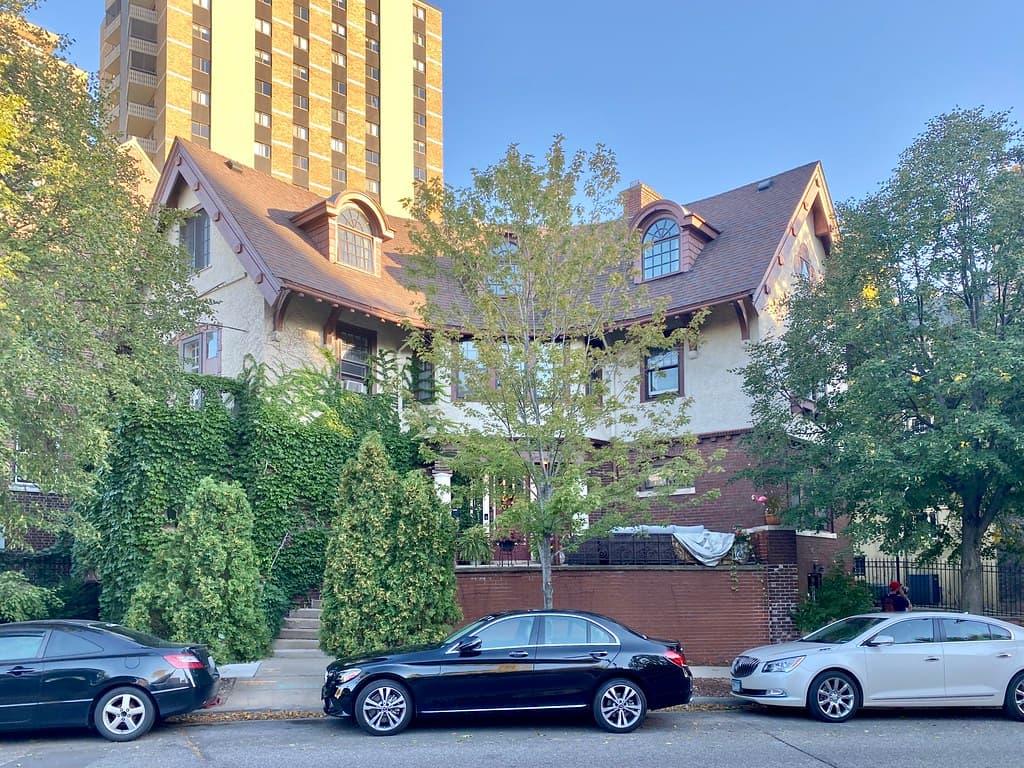
Elizabeth Quinlan's House and the Women Who Shaped Lowry Hill
The Elizabeth C. Quinlan House at 1711 Emerson Avenue South was added to the National Register of Historic Places on July 25, 2012, honoring a co-founder of the Young-Quinlan store.
Neighborhood
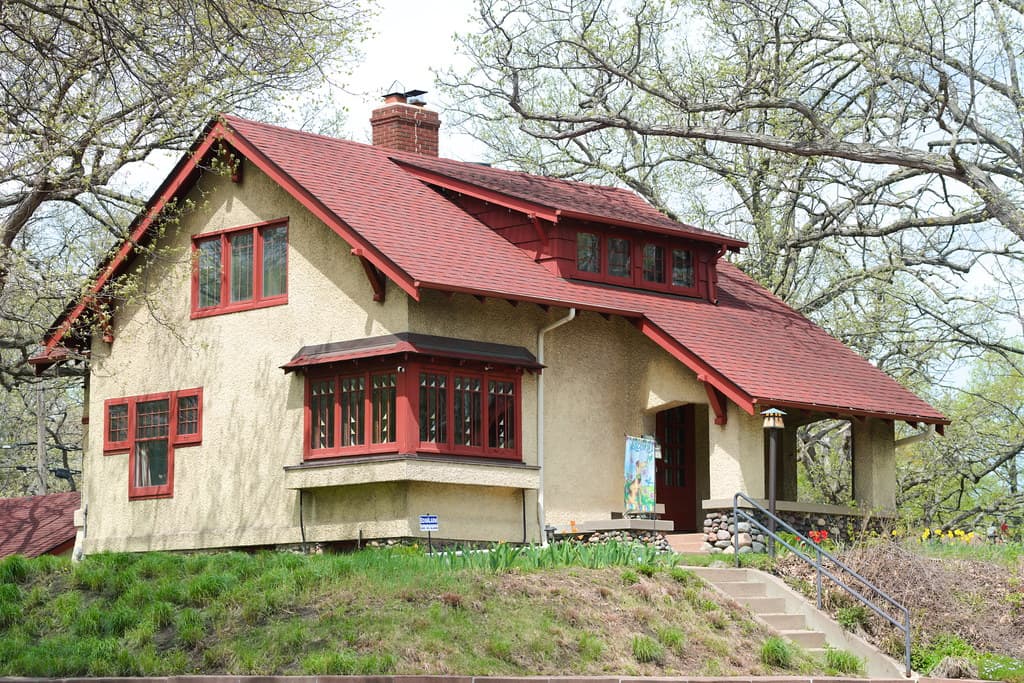
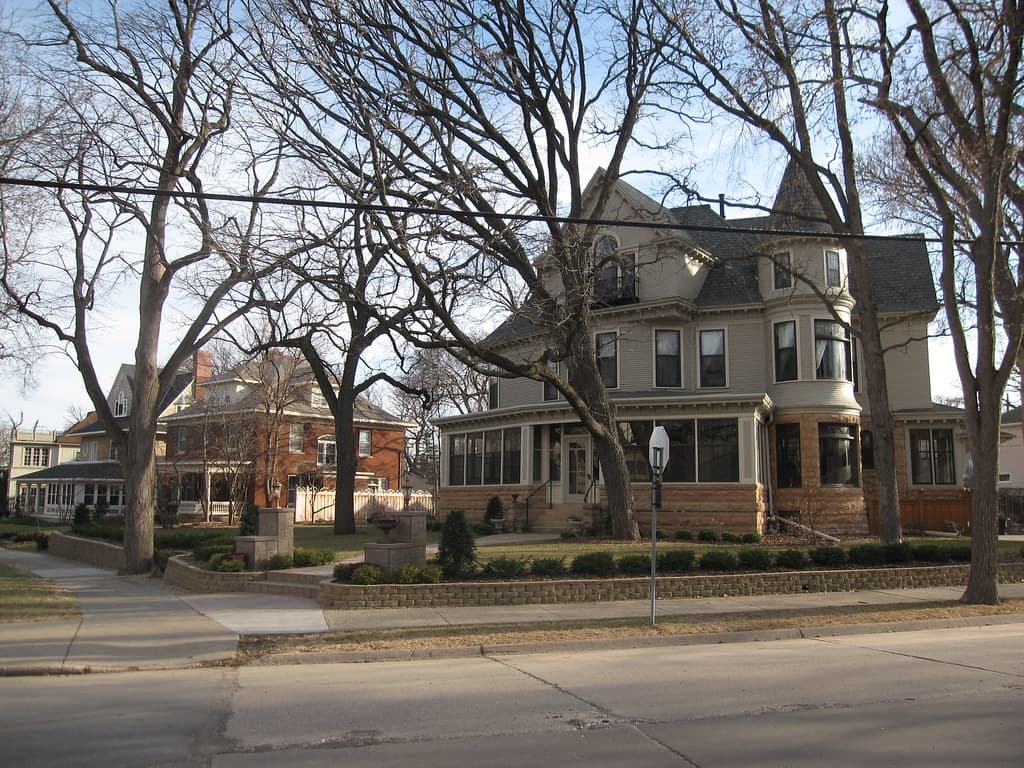
The Donaldson Mansion, a 1906 Arts and Crafts Survivor
Built for a member of the Donaldson department-store family, the nearly 9,600-square-foot house is one of Lowry Hill's finest.
Neighborhood
Lowry Hill and Kenwood: Two Neighborhoods, One Sensibility
Just west of downtown, Lowry Hill flows into Kenwood, sharing architecture, parks and a certain unhurried grandeur.
Neighborhood
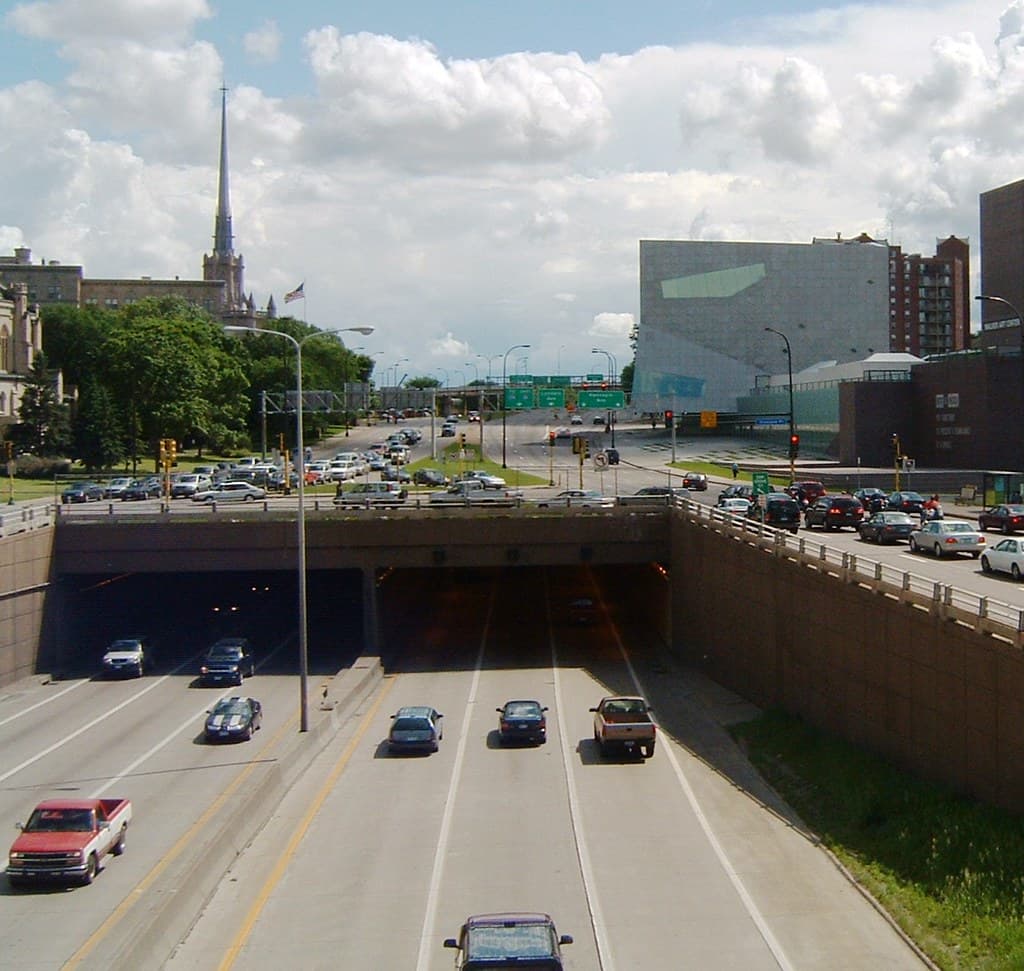
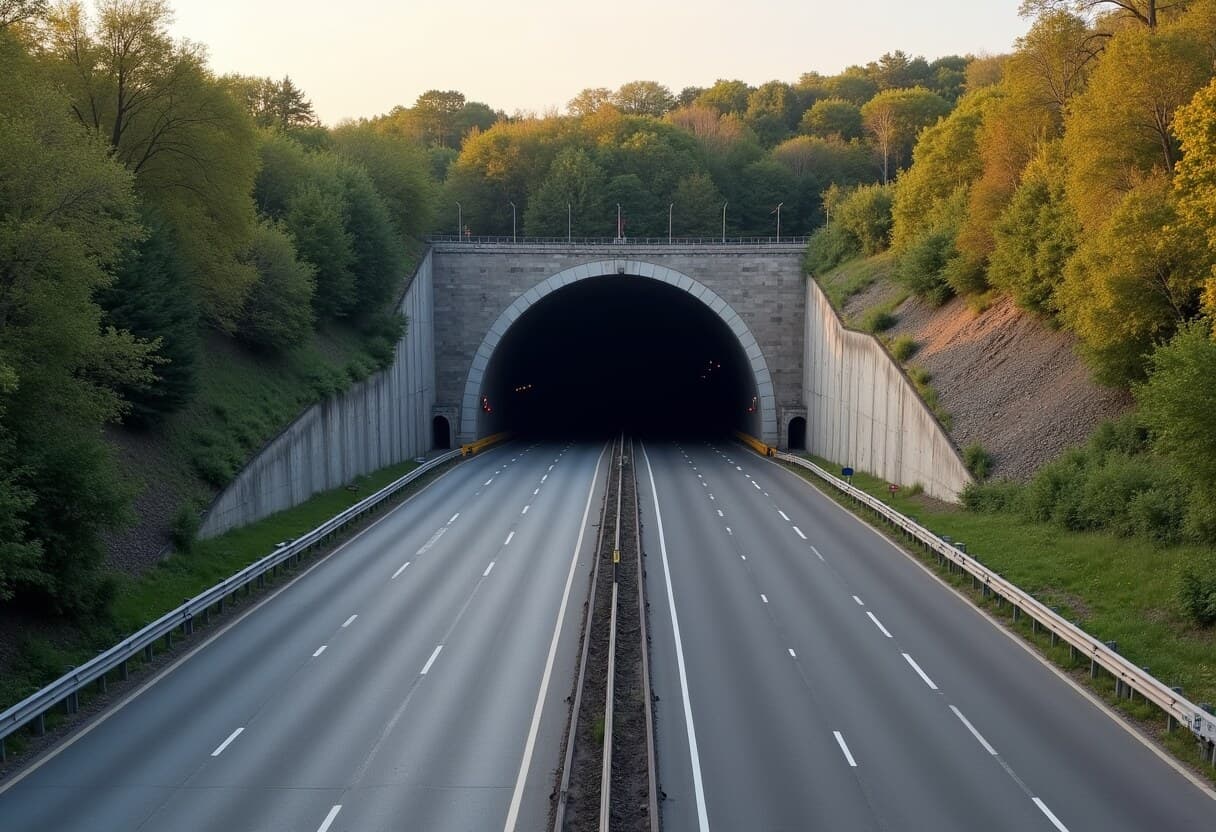
The Lowry Hill Tunnel, Half a Century Under the Hill
Completed in late 1971, the I-94 tunnel carries the freeway beneath Lowry Hill and reshaped the neighborhood's edge.
Neighborhood
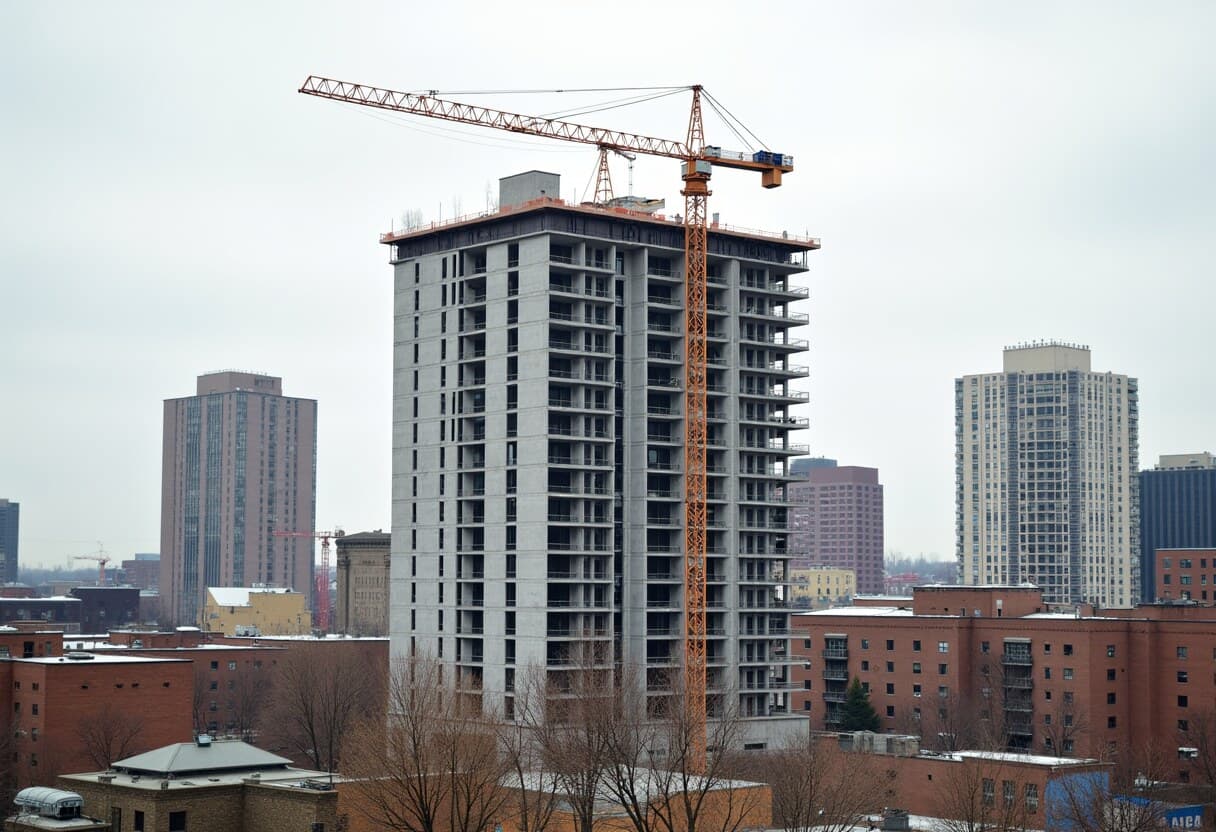
Reading the Wedge Development Vision
LHENA's development vision document spells out how residents want growth to land in the neighborhood.
Neighborhood
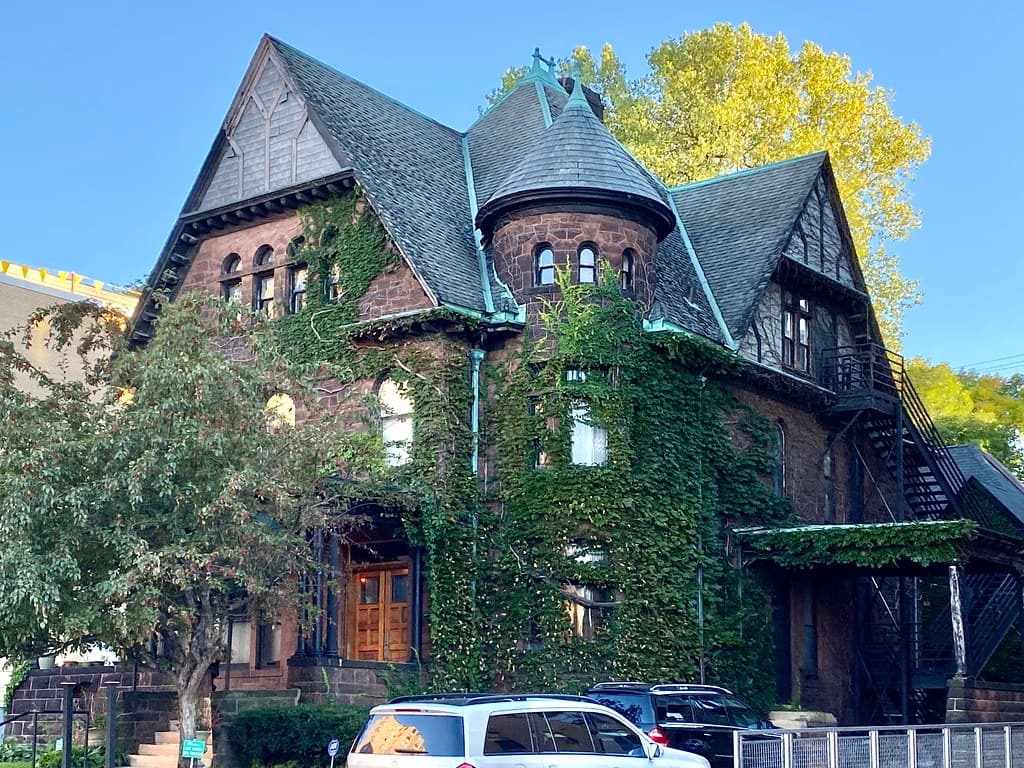
The Wedge Eyes a Shuttered Brewpub for Affordable Housing
A neighborhood association in the Wedge has explored building affordable housing on a vacant commercial site along a busy corridor.
Neighborhood
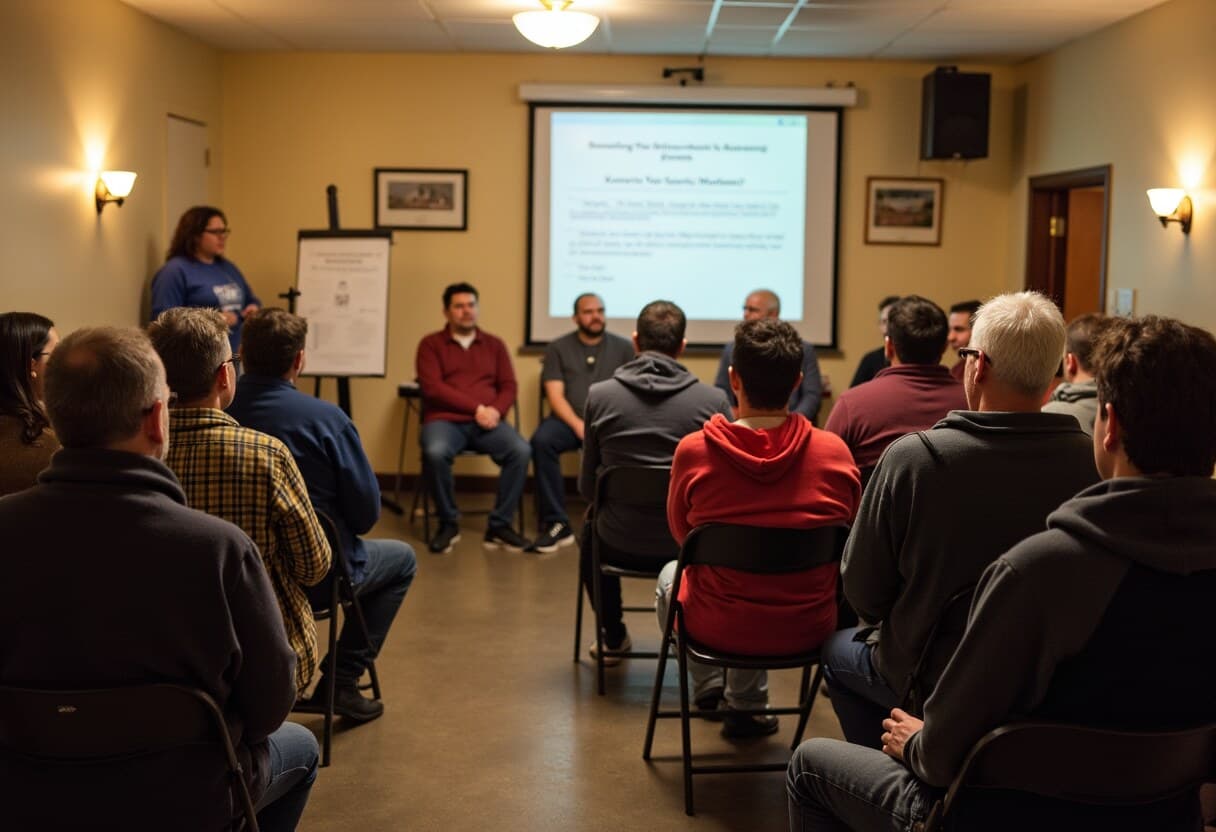
LHENA at the Center of Wedge Civic Life
Established in 1971, the Lowry Hill East Neighborhood Association remains the volunteer-led hub for the Wedge.
Neighborhood
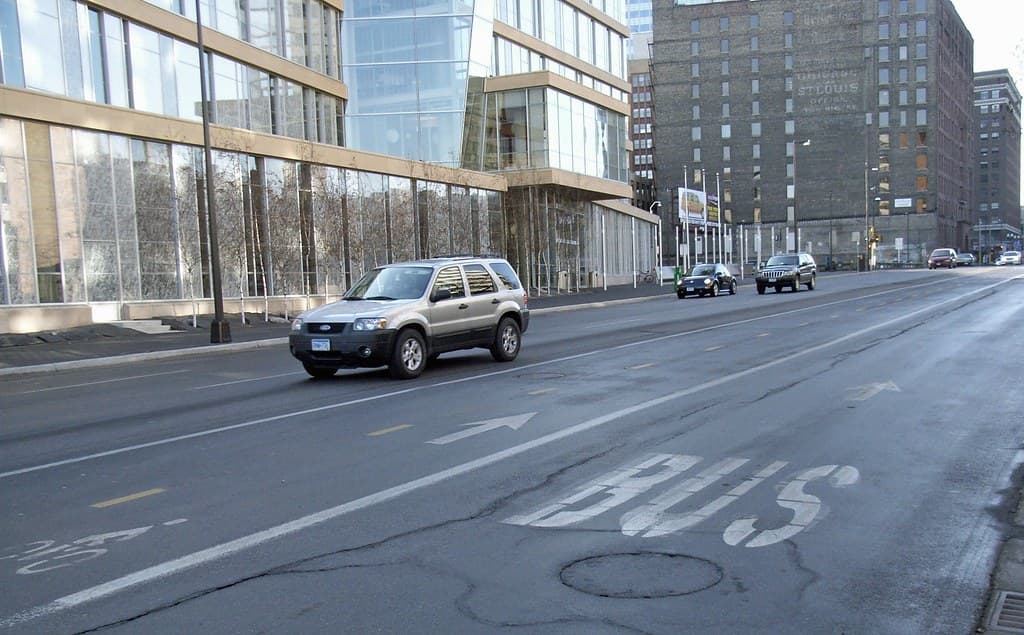
Hennepin Avenue Reopens After Two Years of Construction
The $36 million rebuild of South Hennepin brought new transit lanes, a protected bikeway and wider sidewalks to the Wedge and Lowry Hill's eastern edge.

Neighborhood
The Wedge Co-op at Fifty: A Lyndale Avenue Institution
From a 1974 meeting in Whittier to roughly 25,000 member-owners, the Wedge Community Co-op anchors the Lowry Hill East neighborhood that shares its name.
Neighborhood
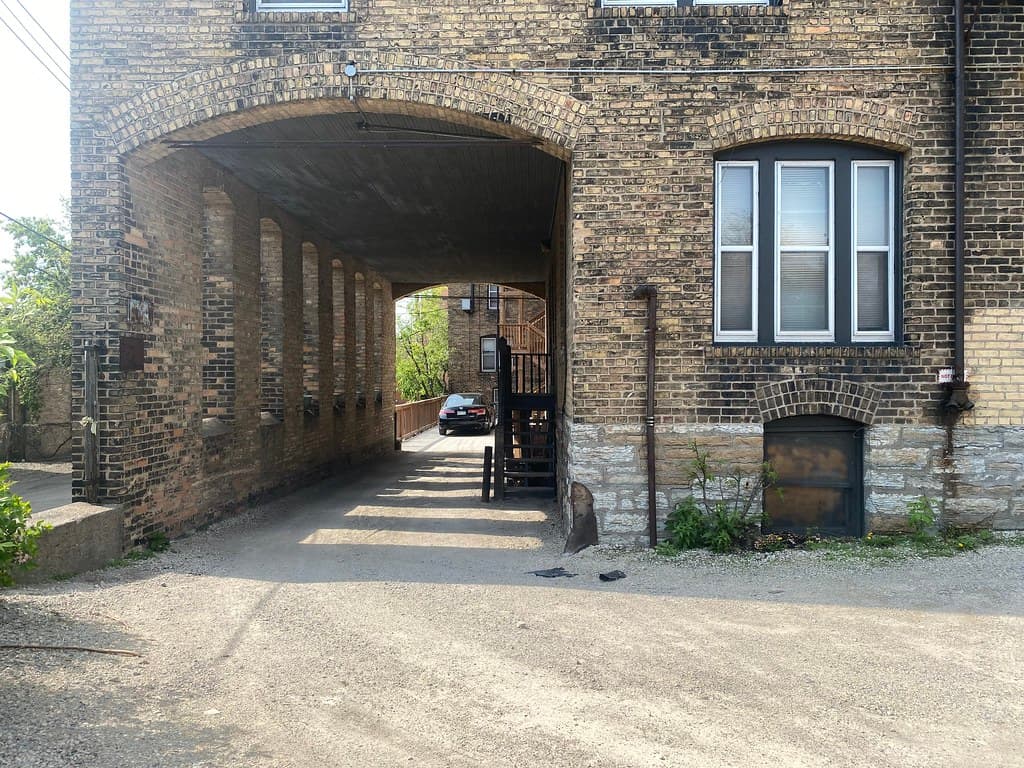
Why They Call It the Wedge
Lowry Hill East got its nickname from the simple geometry of its borders.
Neighborhood
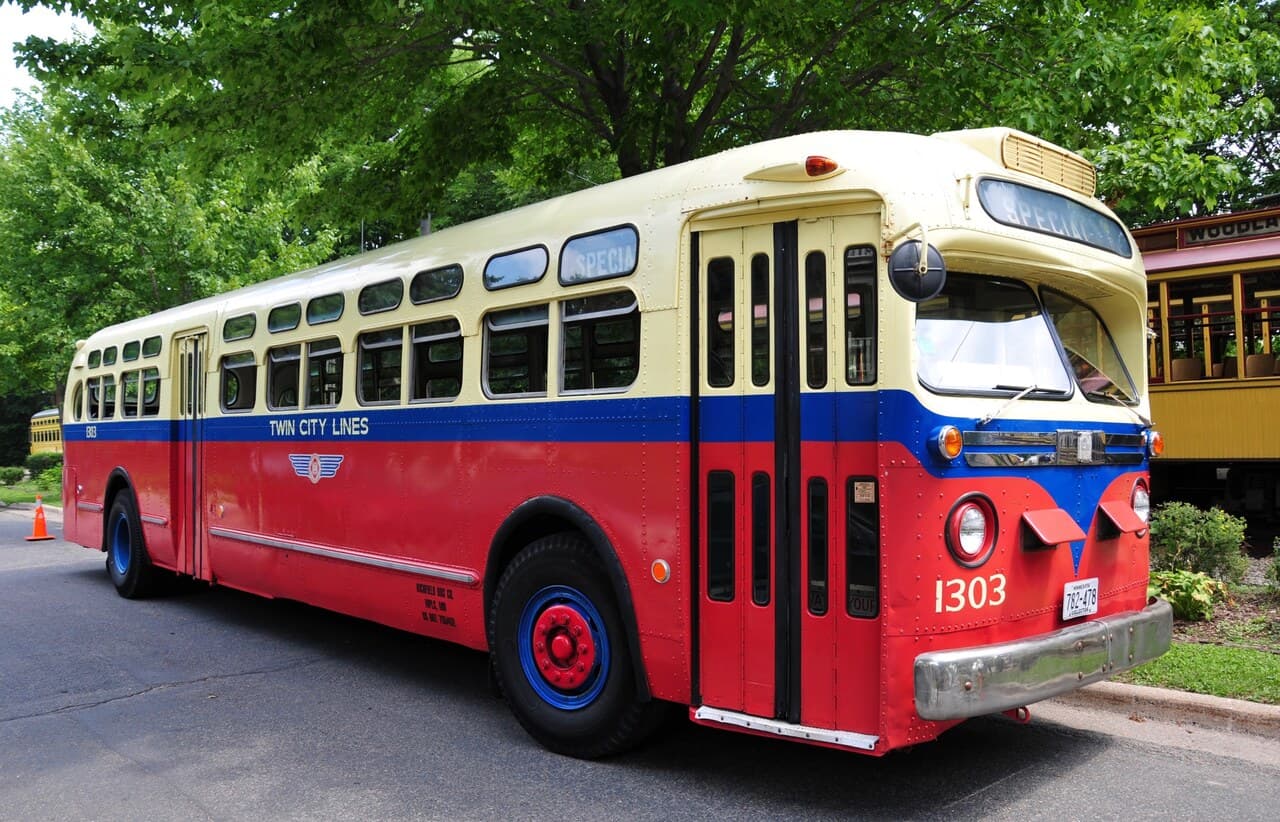
Thomas Lowry, the Streetcar Magnate Who Gave the Hill Its Name
Both Lowry Hill and Lowry Hill East trace their names to the man who wired the city for rapid transit.
Neighborhood
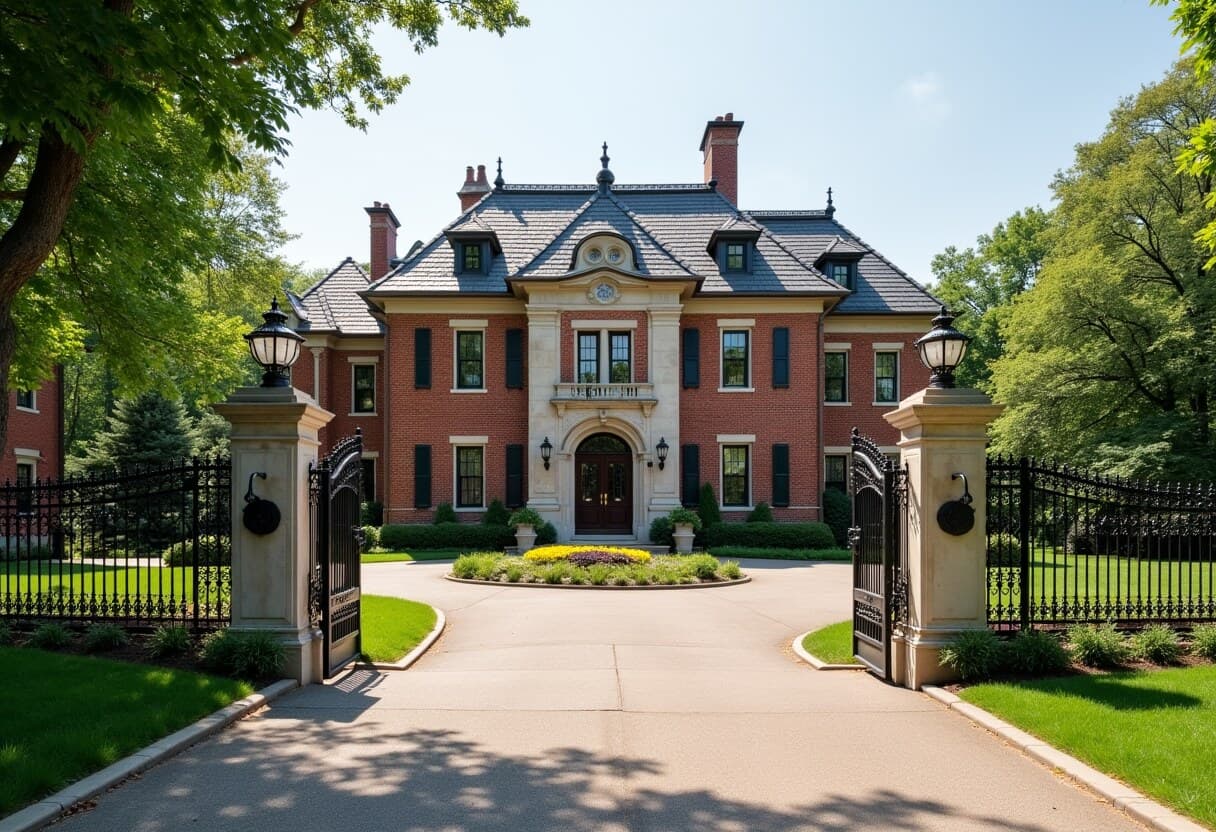
Inside the Charles J. Martin House, Lowry Hill's Landmark on the Hilltop
The 1903 Renaissance Revival mansion at 1300 Mount Curve sits on nearly an acre at the highest point in Minneapolis.
Neighborhood
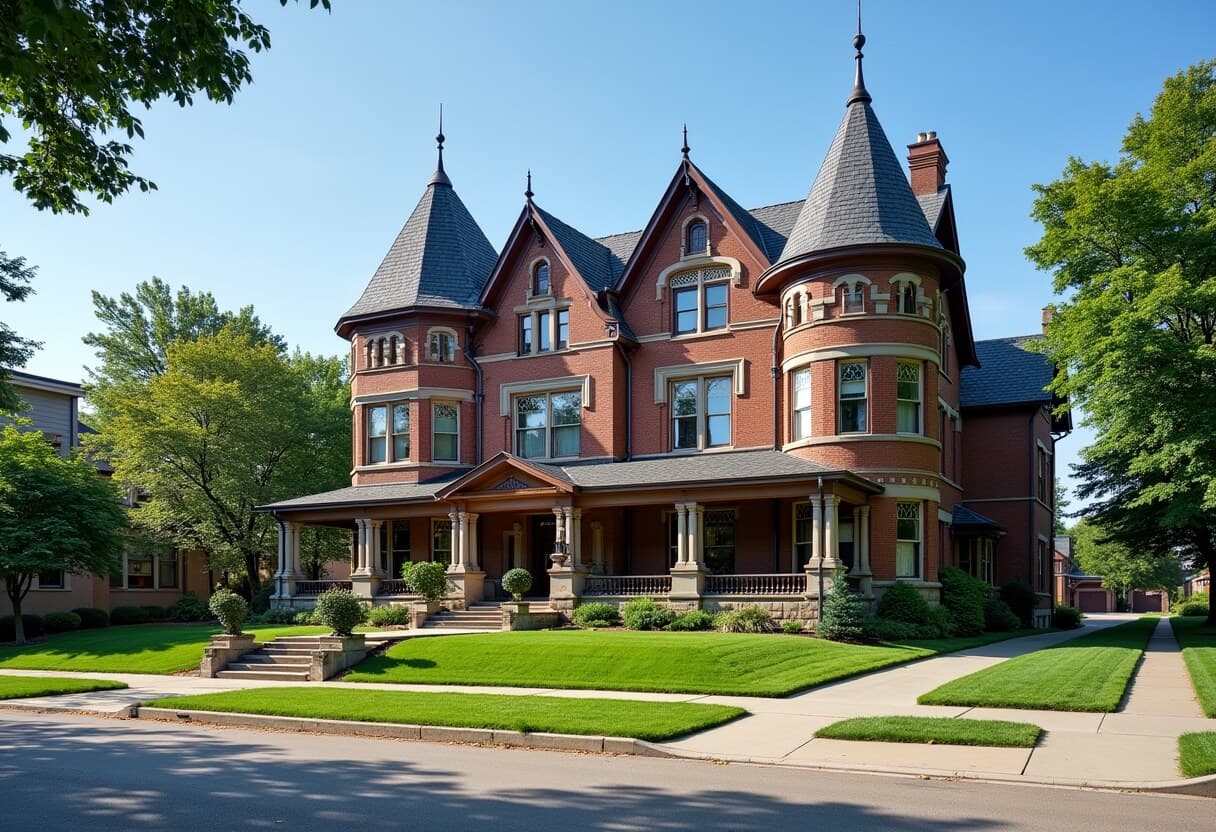
Mount Curve Avenue's Mansion Row Still Crowns the Hill
More than a century after lumber barons built their estates along the ridge, Mount Curve Avenue remains the architectural spine of Lowry Hill.
The neighborhood, in your inbox
Free. No paywall. Pick the topics you want — we send what’s happening this week.