NeighborhoodLowry Hill
Where the Walker Art Center Meets the Neighborhood
Lowry Hill's northeastern edge runs up against the Walker Art Center and the Minneapolis Sculpture Garden.

For Lowry Hill, the Walker Art Center sits at the neighborhood's doorstep. The Walker and the adjacent Minneapolis Sculpture Garden occupy the hill's northeastern edge, near the Hennepin and Lyndale interchange. One of the country's leading contemporary-art museums, the Walker draws visitors from across the region to a corner that, for hill residents, is part of the daily landscape.
The relationship runs both ways. The museum waives gallery admission on Free Thursday evenings after 5 p.m. and on Free First Saturdays, programming that functions as a neighborhood amenity as much as a civic draw. In turn, the surrounding historic neighborhood gives the Walker a residential setting unlike that of a museum sited in a downtown core.
The Sculpture Garden does even more of that work. At 11 acres, it is the largest urban sculpture garden in the United States, free to enter and open daily from 6 a.m. to midnight. It holds more than 60 large-scale works, among them the Claes Oldenburg and Coosje van Bruggen "Spoonbridge and Cherry" that has become a city emblem, and pieces by artists including Alexander Calder, Theaster Gates and Angela Two Stars. Because the grounds are open and unticketed, they serve as public space far beyond the museum's walls, drawing neighbors and visitors to the hill's edge well outside gallery hours.
Real-estate listings and neighborhood guides routinely cite the Walker as a defining feature of Lowry Hill, blending art, architecture and parkland in a few walkable blocks at the top of the avenue.
NeighborhoodLowry Hill
Related stories
Neighborhood
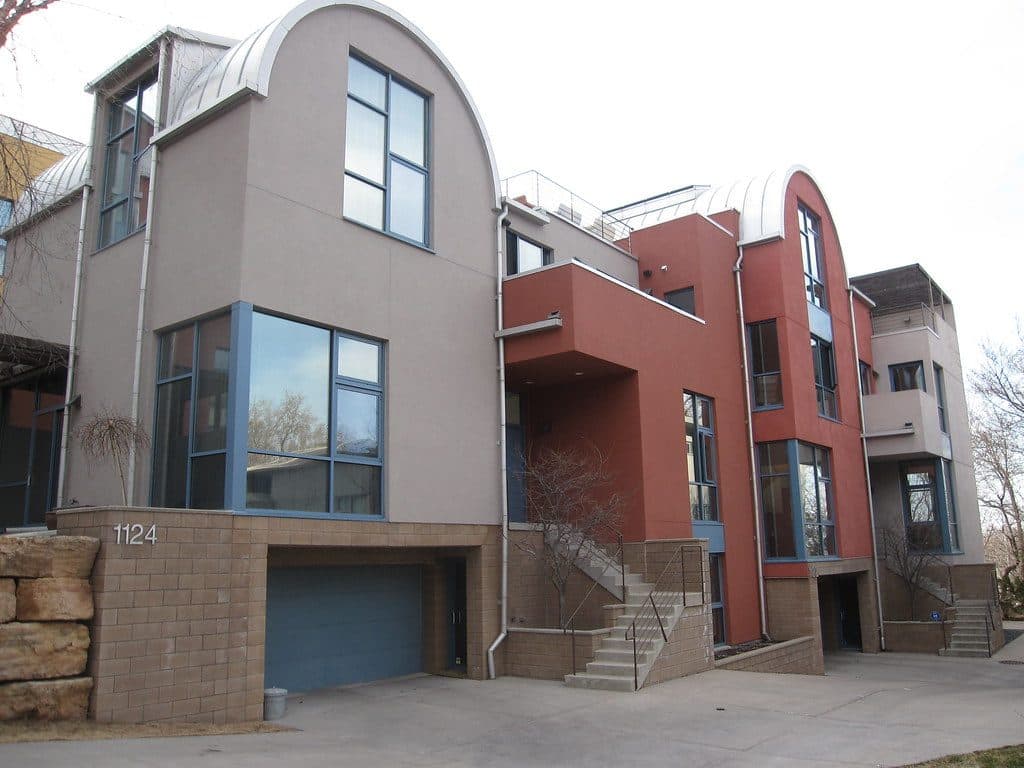
Lowry Hill and East Isles Land on Patch's List of Minnesota's Most Expensive Neighborhoods
Lowry Hill and East Isles rank among Minnesota's most expensive neighborhoods according to Patch's analysis of Niche's 2026 data.
Neighborhood
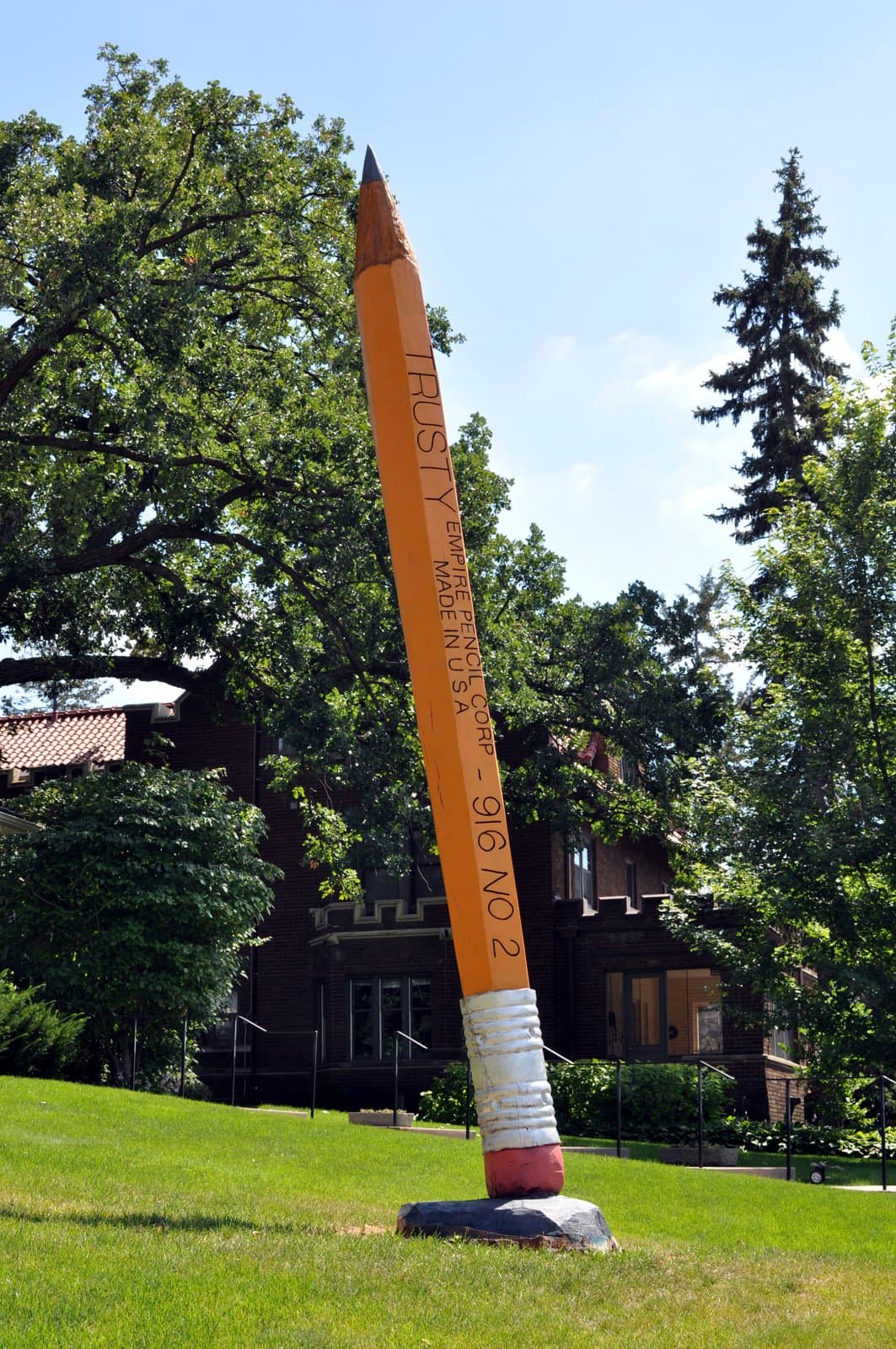
Community celebrates Lake of the Isles Pencil's 5th sharpening
Thousands gathered in East Isles on June 6, 2026, to watch the annual ceremonial sharpening of Minneapolis' giant pencil sculpture.
Neighborhood
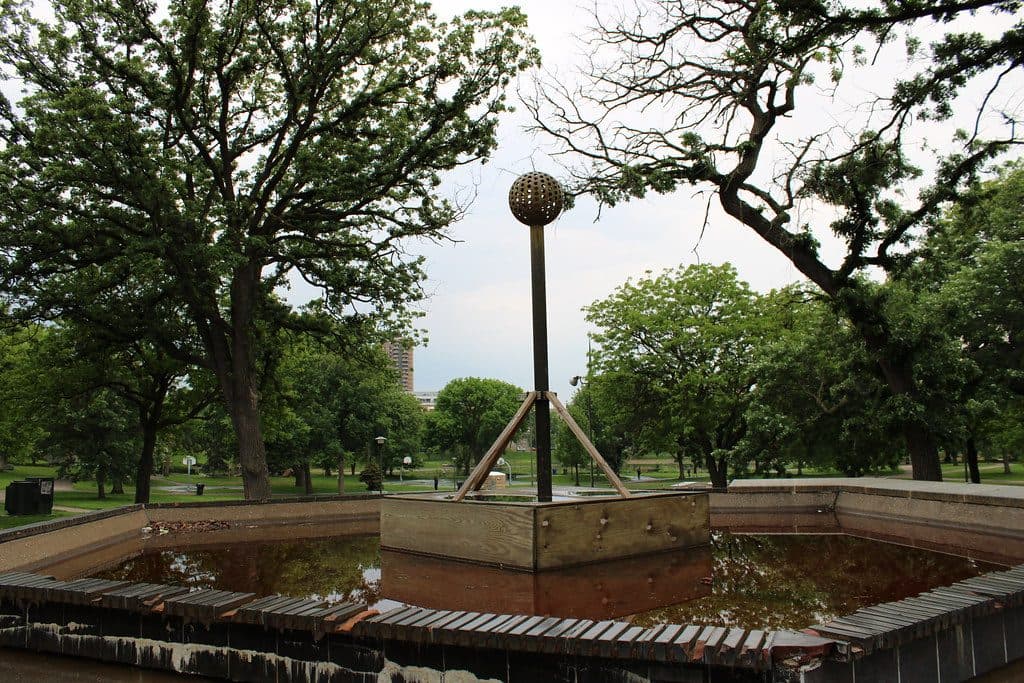
The end is in sight for Loring Park dandelion fountain's drought
State lawmakers approved $1.8 million for Berger Fountain repairs, and Park Board crews have begun demolition at the dry Loring Park landmark.
The neighborhood, in your inbox
Free. No paywall. Pick the topics you want — we send what’s happening this week.