NeighborhoodLowry Hill
Broad Lawns and Boulevard Trees: The Look of Lowry Hill
Lowry Hill's streetscape of broad lawns, boulevard trees and well-spaced houses was set by 1900, when the streetcar boom filled the ridge with the homes of the wealthy.
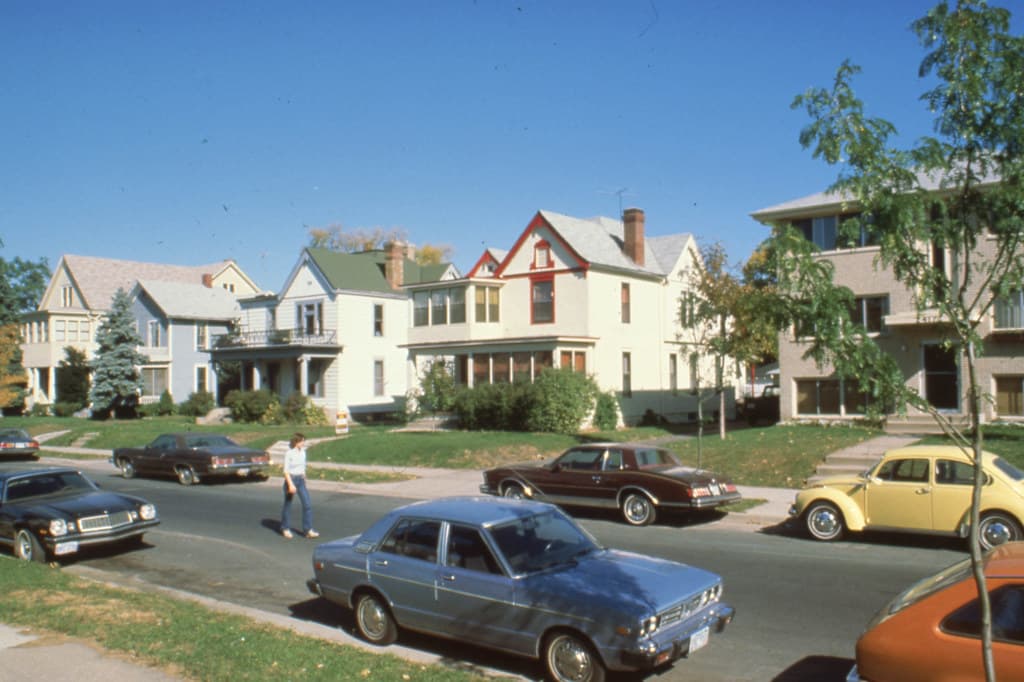
Lowry Hill's characteristic streetscape of broad lawns, boulevard shade trees and well-spaced houses was already taking shape by 1900, according to the Lowry Hill Neighborhood Association's history. The look followed a shared standard among the families building on the hill: a spacious two-and-a-half-story house with generous porches and exterior detail, set well back on a generous lot.
The development was driven by the streetcar. Beginning in the 1880s, Thomas Lowry extended service from downtown and subdivided large parcels, drawing buyers up the ridge. By 1906, lots on Mount Curve Avenue, Groveland Terrace and nearby blocks held some of the costliest houses in Minneapolis, designed by architects including William Channing Whitney, Long, Lamoreaux & Long and Warren B. Dunnell. Whitney's 1903 Charles J. Martin House at 1300 Mount Curve Avenue remains a leading example of the early-1900s "city estate".
The mature tree canopy is as much a part of the design as the houses, framing the avenues and softening the scale of the mansions. Disease, storms and development pressure all threaten old urban canopies, and replacing a century-old boulevard tree takes decades to pay off, which is why tree preservation regularly surfaces at neighborhood meetings. More than a century later, the standard set by 1900 still governs how the hill looks.
NeighborhoodLowry Hill
Related stories
Neighborhood
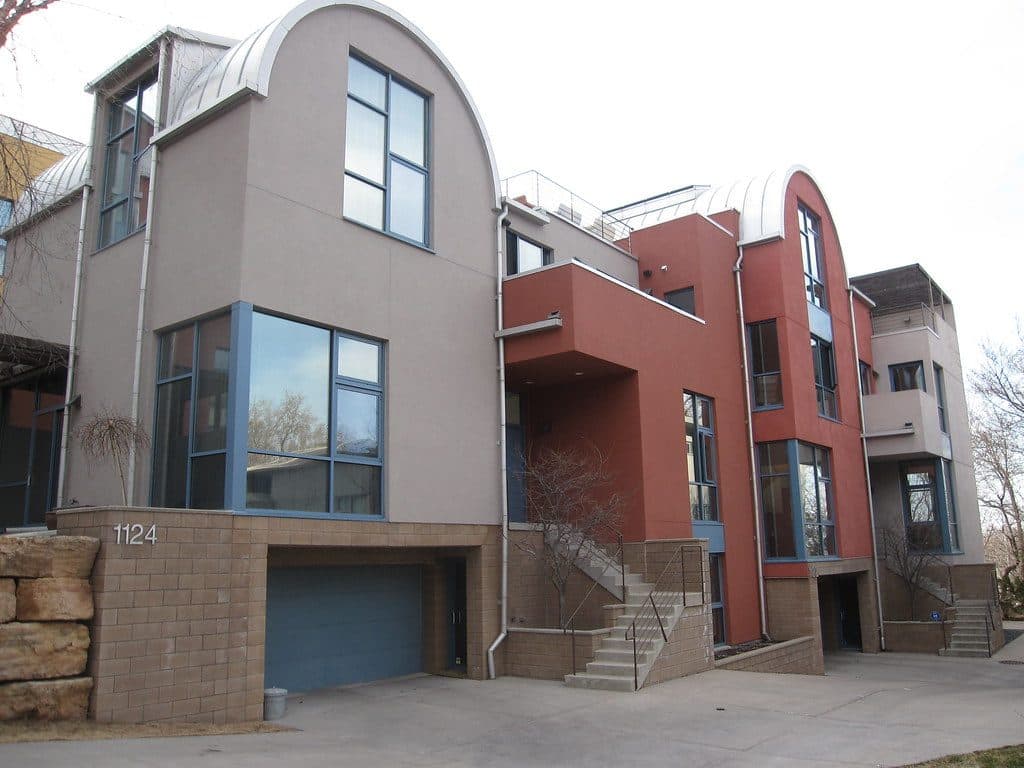
Lowry Hill and East Isles Land on Patch's List of Minnesota's Most Expensive Neighborhoods
Lowry Hill and East Isles rank among Minnesota's most expensive neighborhoods according to Patch's analysis of Niche's 2026 data.
Neighborhood
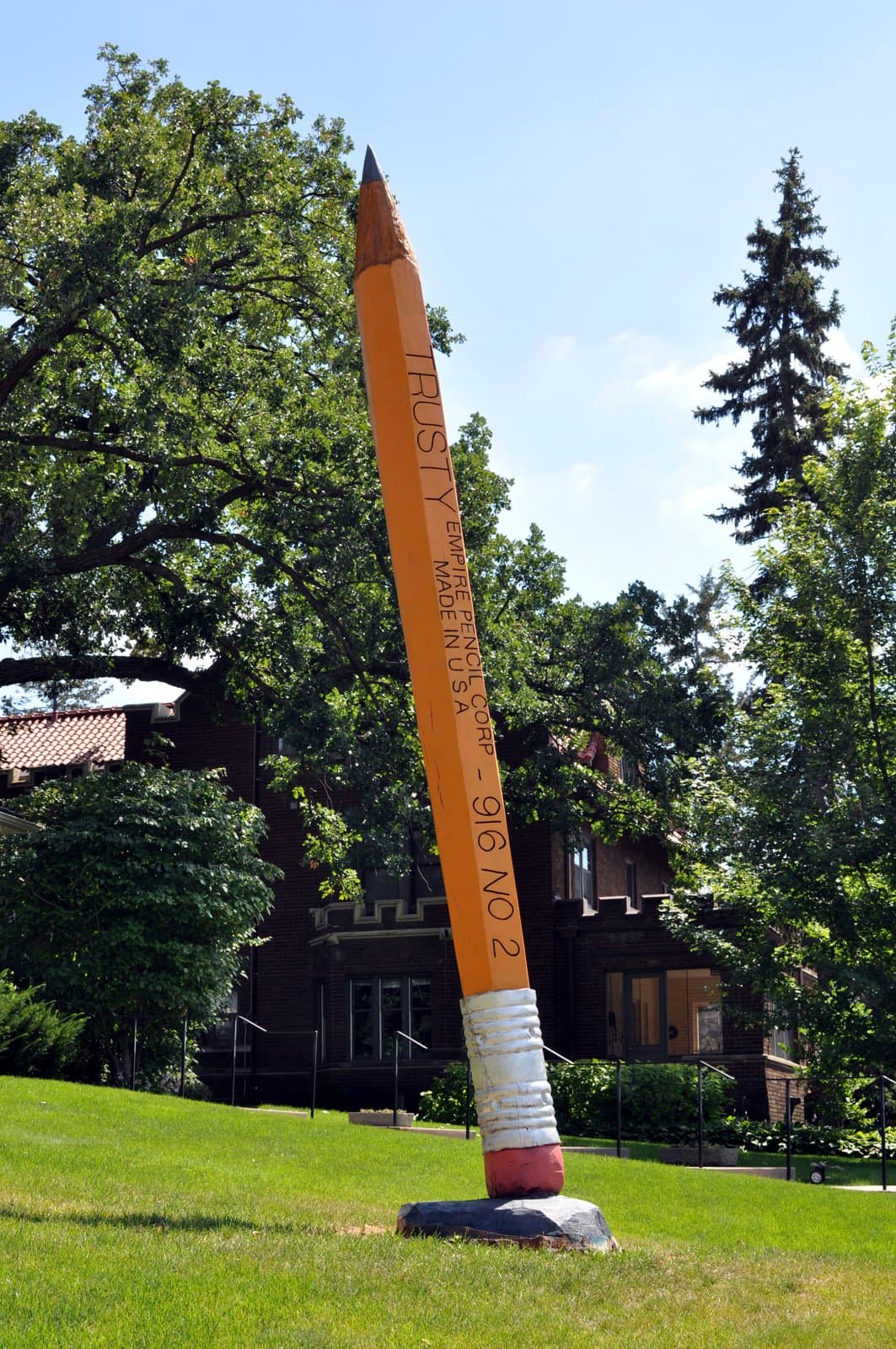
Community celebrates Lake of the Isles Pencil's 5th sharpening
Thousands gathered in East Isles on June 6, 2026, to watch the annual ceremonial sharpening of Minneapolis' giant pencil sculpture.
Neighborhood
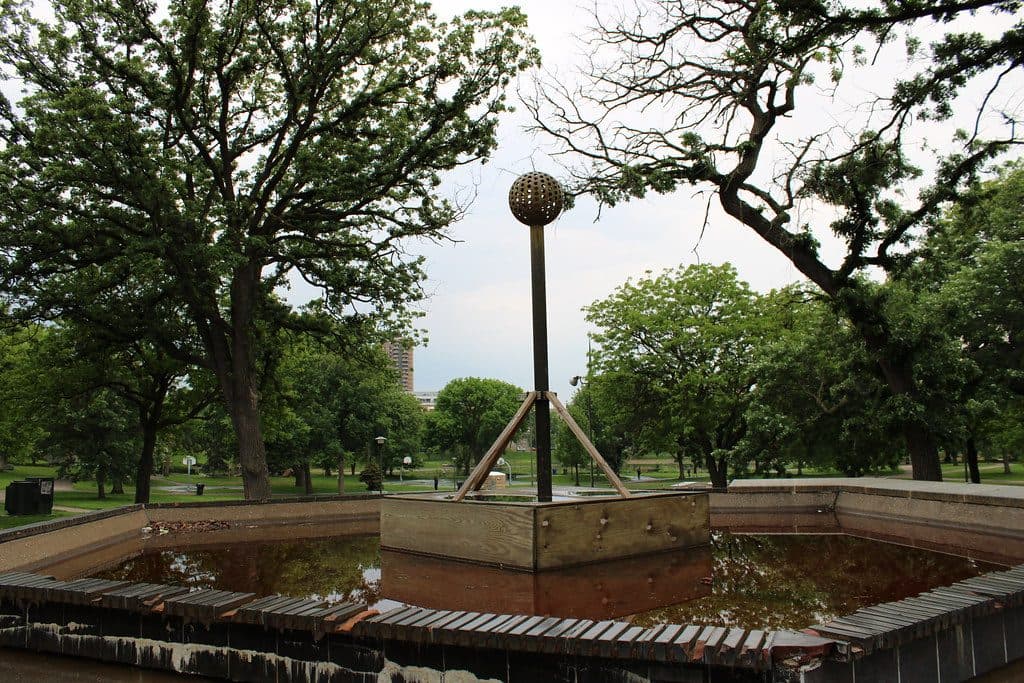
The end is in sight for Loring Park dandelion fountain's drought
State lawmakers approved $1.8 million for Berger Fountain repairs, and Park Board crews have begun demolition at the dry Loring Park landmark.
The neighborhood, in your inbox
Free. No paywall. Pick the topics you want — we send what’s happening this week.