NeighborhoodLowry HillKenwoodLake of the Isles
Lowry Hill and Kenwood: Two Neighborhoods, One Sensibility
Just west of downtown, Lowry Hill flows into Kenwood, sharing architecture, parks and a certain unhurried grandeur.
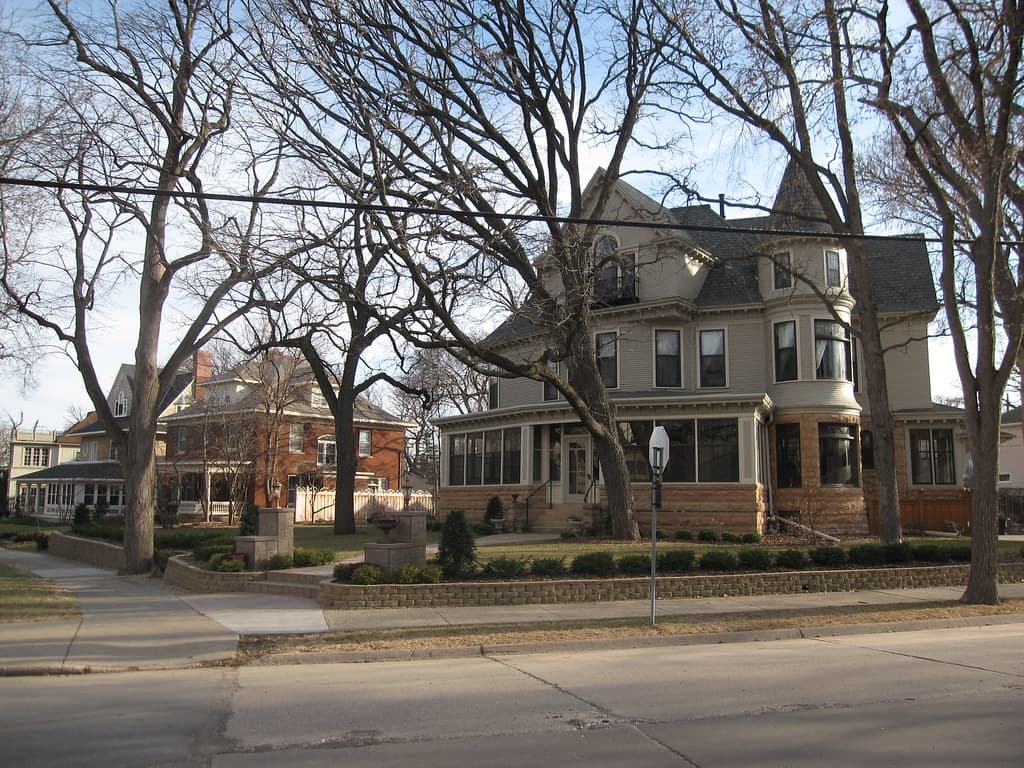
Lowry Hill and the adjacent Kenwood neighborhood, west of downtown Minneapolis, are routinely treated as a single district in everything from real-estate listings to visitor guides. The boundary between them is more administrative than felt.
Both are known for a blend of architecture and green space. Grand early-twentieth-century houses give way to the parkways around Lake of the Isles, and the two neighborhoods share the same turn-of-the-century housing stock, the same mature tree canopy and the same proximity to the chain of city lakes.
The Lowry Hill Neighborhood Association draws its western boundary along Lake of the Isles Parkway and the streets near it, the seam where the hill meets the lakes and Kenwood beyond. Historically the link is even closer: the Charles J. Martin House and other landmark estates are routinely described as sitting in the Lowry Hill/Kenwood area, because the families, architects and streetcar lines that built one built the other. The hill rises from Hennepin and rolls west toward Lake of the Isles, and Kenwood occupies the same gentle terrain.
Residents tend to navigate by landmarks rather than lines — the Walker Art Center and the freeway trenches on the Lowry Hill side, the lakes and the Kenwood Park and recreation center to the west. Each neighborhood keeps its own association, but on questions of parks, traffic and preservation they often speak with one voice.
That shared sensibility is most visible on the questions that touch the lakes and parks the two neighborhoods share. Shoreline restoration, water quality and Park Board decisions at Lake of the Isles and Bde Maka Ska draw residents of both neighborhoods into the same conversations, where neighbors organize around the resource rather than the boundary.
On the ground, Lowry Hill and Kenwood read as a single grand neighborhood with two names, each guarding its own identity while marketing and protecting the area as a unit.
NeighborhoodLowry HillKenwoodLake of the Isles
Related stories
Neighborhood
Lowry Hill and East Isles Land on Patch's List of Minnesota's Most Expensive Neighborhoods
Lowry Hill and East Isles rank among Minnesota's most expensive neighborhoods according to Patch's analysis of Niche's 2026 data.

Neighborhood
Community celebrates Lake of the Isles Pencil's 5th sharpening
Thousands gathered in East Isles on June 6, 2026, to watch the annual ceremonial sharpening of Minneapolis' giant pencil sculpture.
Neighborhood
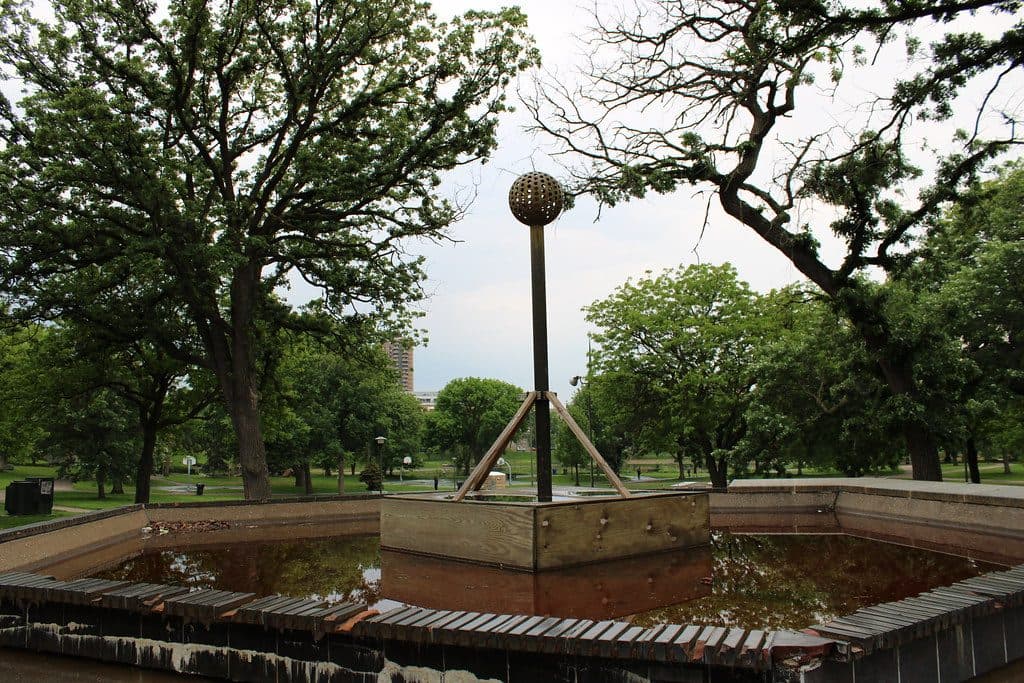
The end is in sight for Loring Park dandelion fountain's drought
State lawmakers approved $1.8 million for Berger Fountain repairs, and Park Board crews have begun demolition at the dry Loring Park landmark.
The neighborhood, in your inbox
Free. No paywall. Pick the topics you want — we send what’s happening this week.