NeighborhoodLowry Hill East (The Wedge)Greater Uptown & Nearby
Why They Call It the Wedge
Lowry Hill East got its nickname from the simple geometry of its borders.
Lowry Hill East is most often called the Wedge because of its shape. The neighborhood is bounded by Hennepin Avenue on the west, Lyndale Avenue on the east, Lake Street to the south and Franklin Avenue to the north, and because Hennepin and Lyndale converge toward downtown, it narrows to a point — a roughly triangular footprint that gave residents a nickname that long ago overtook the official name. Active commercial corridors form most of the edges, which is part of what gives the interior its dense, walkable character.
The neighborhood sits within the Bde Maka Ska-Isles community of southwest Minneapolis, a short walk from Uptown, Lake of the Isles and the Walker Art Center.
That geometry shaped everything that followed. LHENA — the Lowry Hill East Neighborhood Association, pronounced 'Lee-Nah' — is the volunteer-led nonprofit recognized by the City of Minneapolis as the Wedge's official neighborhood organization, one of dozens across the city. Its mission is to provide a structure for neighborhood leadership and participation, to facilitate the equitable sharing of resources, and to advance a vision for the neighborhood. Its own materials note that the neighborhood is most often called the Wedge precisely because of those converging boundaries.
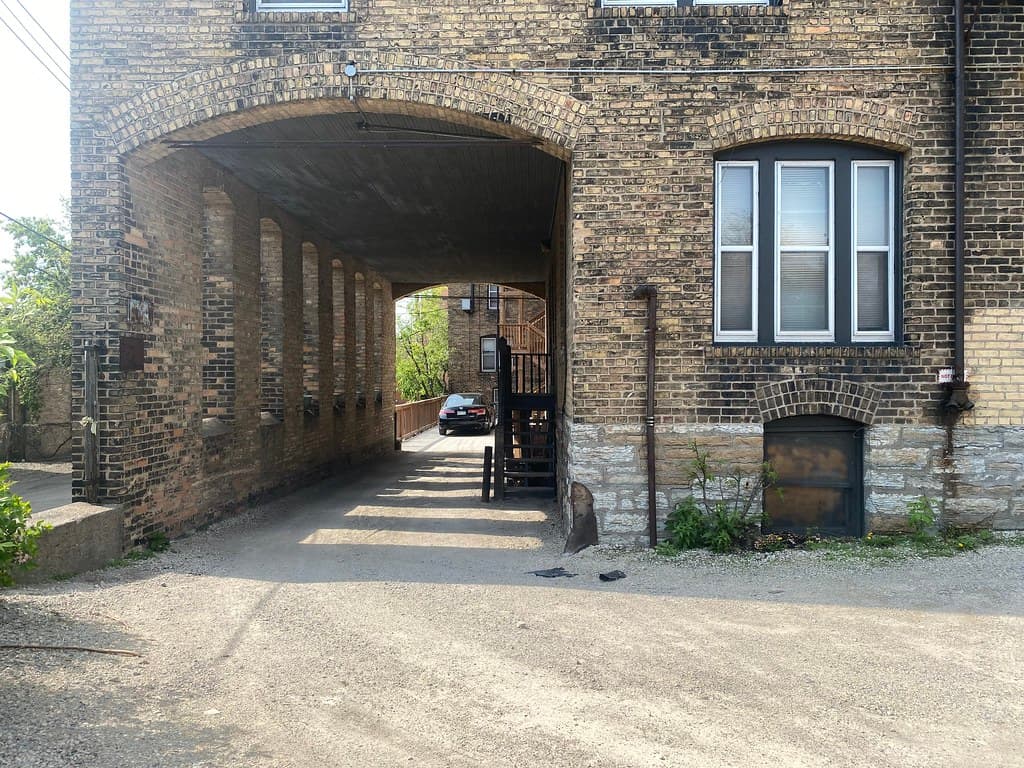
Inside the wedge is one of the densest residential neighborhoods in Minneapolis, with a housing stock that runs from late-nineteenth-century houses to early-20th-century walk-up apartments to newer infill, much of it renter-occupied — an eclectic mix that reflects more than a century of continuous building. The result is a neighborhood where daily life happens on foot: groceries, cafes, restaurants, bike shops, schools and the Wedge Co-op are all within a few blocks of most front doors. That density is not an accident of recent zoning; it grew directly from the streetcar era and never really stopped, which is why the Wedge today reads as both historic and continually changing.
The Wedge's density has long made it a battleground for the city's housing debates. Decades of arguments over zoning, downzoning and apartment construction have played out within the triangle, with residents split between preserving the streetcar-era fabric and welcoming new homes. The Wedge attracts people precisely because it is walkable and central, and accommodating them without losing its character is the question the neighborhood keeps returning to.
NeighborhoodLowry Hill East (The Wedge)Greater Uptown & Nearby
Related stories
Neighborhood
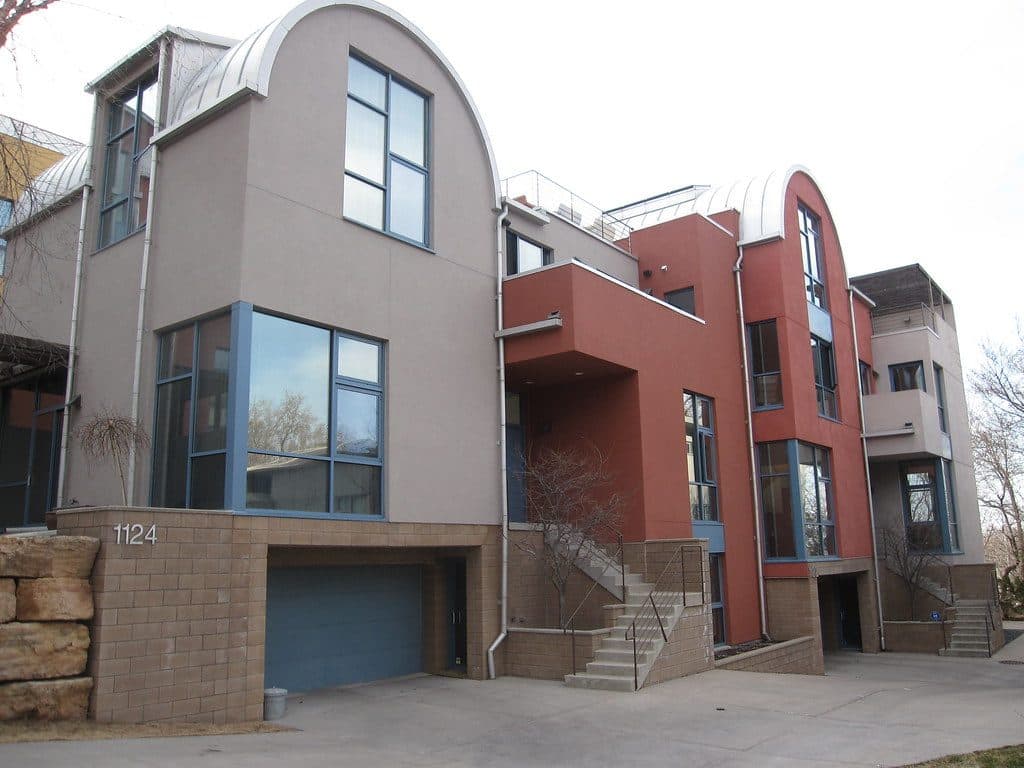
Lowry Hill and East Isles Land on Patch's List of Minnesota's Most Expensive Neighborhoods
Lowry Hill and East Isles rank among Minnesota's most expensive neighborhoods according to Patch's analysis of Niche's 2026 data.
Neighborhood
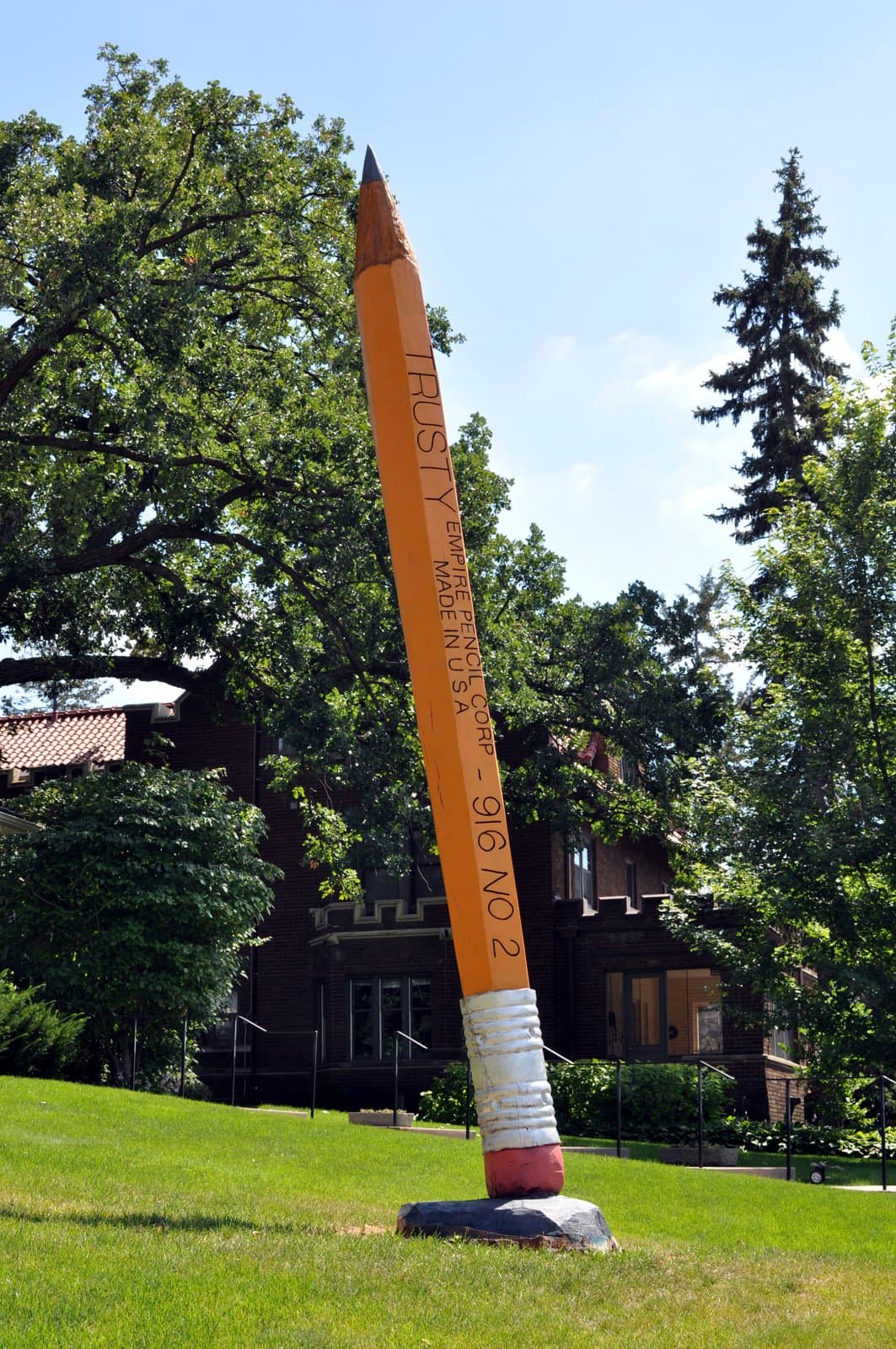
Community celebrates Lake of the Isles Pencil's 5th sharpening
Thousands gathered in East Isles on June 6, 2026, to watch the annual ceremonial sharpening of Minneapolis' giant pencil sculpture.
Neighborhood
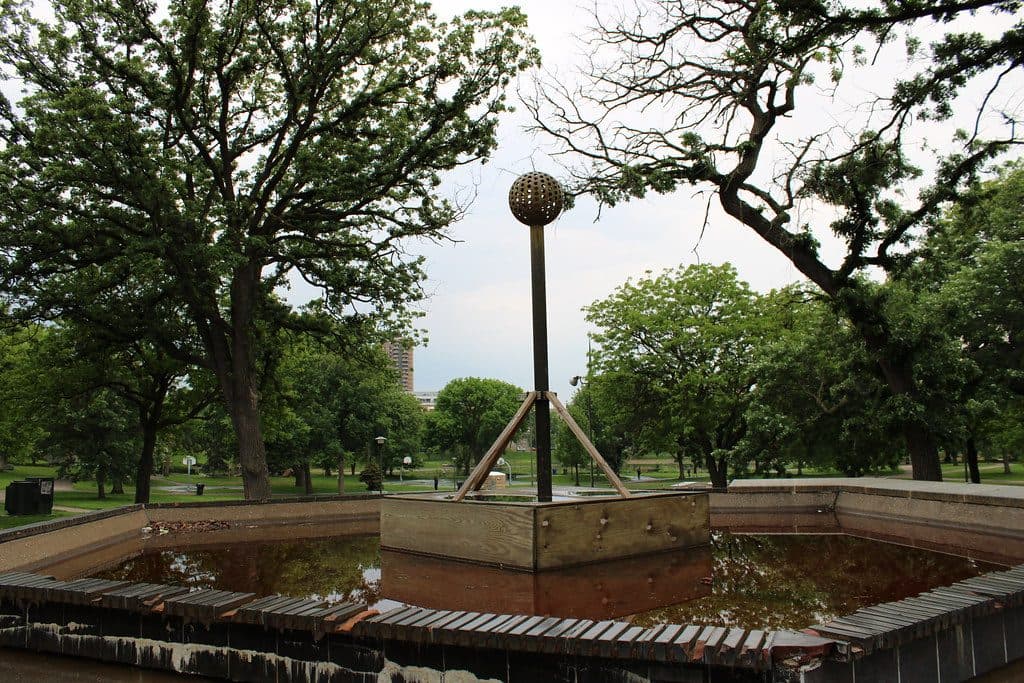
The end is in sight for Loring Park dandelion fountain's drought
State lawmakers approved $1.8 million for Berger Fountain repairs, and Park Board crews have begun demolition at the dry Loring Park landmark.
The neighborhood, in your inbox
Free. No paywall. Pick the topics you want — we send what’s happening this week.