NeighborhoodLowry Hill
Groveland Terrace, the Quiet Companion to Mount Curve
Groveland Terrace shared in the Lowry Hill real-estate boom of the 1890s and early 1900s, lined with grand houses built to the same standard as neighboring Mount Curve Avenue.
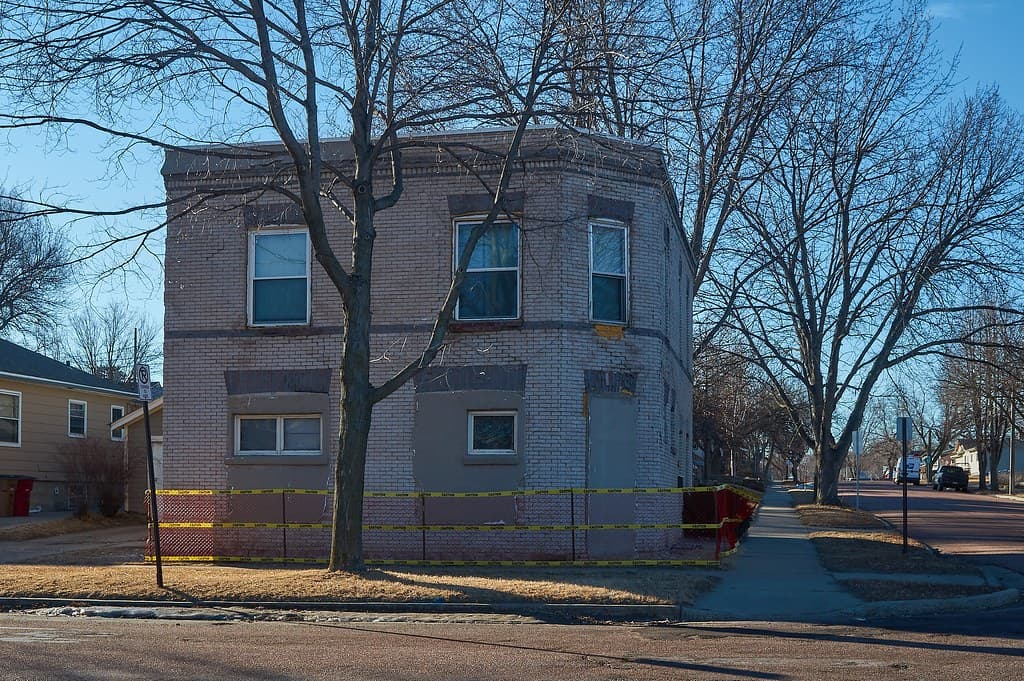
By 1906, lots on Groveland Terrace and adjacent Mount Curve Avenue held some of the costliest houses in Minneapolis, the result of a real-estate boom that drew the city's new money to the hill in the decades after the streetcar arrived.
The area's prominence traces to 1874, when Thomas and Beatrice Lowry built a Second Empire mansion on a five-acre parcel at 2 Groveland Terrace, the site now occupied by the Walker Art Center. Lowry then put the surrounding land on the market, and the city's wealthy families, enriched by lumber, milling and trade, left the congested downtown to build in the roughly 75-block area between Lyndale and Fremont. The Lowry Hill Neighborhood Association's own history names Mount Curve Avenue and Groveland Terrace together as the addresses where the most expensive houses went up; see
The two streets share a builder class, an architectural vocabulary and a vintage. Mount Curve runs along the crest of the ridge; Groveland Terrace curves below it, lined with the same spacious two-and-a-half-story houses, deep porches and generous lots beneath boulevard trees. Because it sits off the better-known avenue, Groveland Terrace is quieter and less photographed.
Preservationists treat the two streets as a single early-1900s streetscape rather than separate addresses, with several houses across both carrying landmark or National Register recognition. That shared standing matters when demolition or new development is proposed: an intact ensemble is easier to defend than a scattering of individual houses, which is why the hill's advocates emphasize the whole over any single address.
NeighborhoodLowry Hill
Related stories
Neighborhood
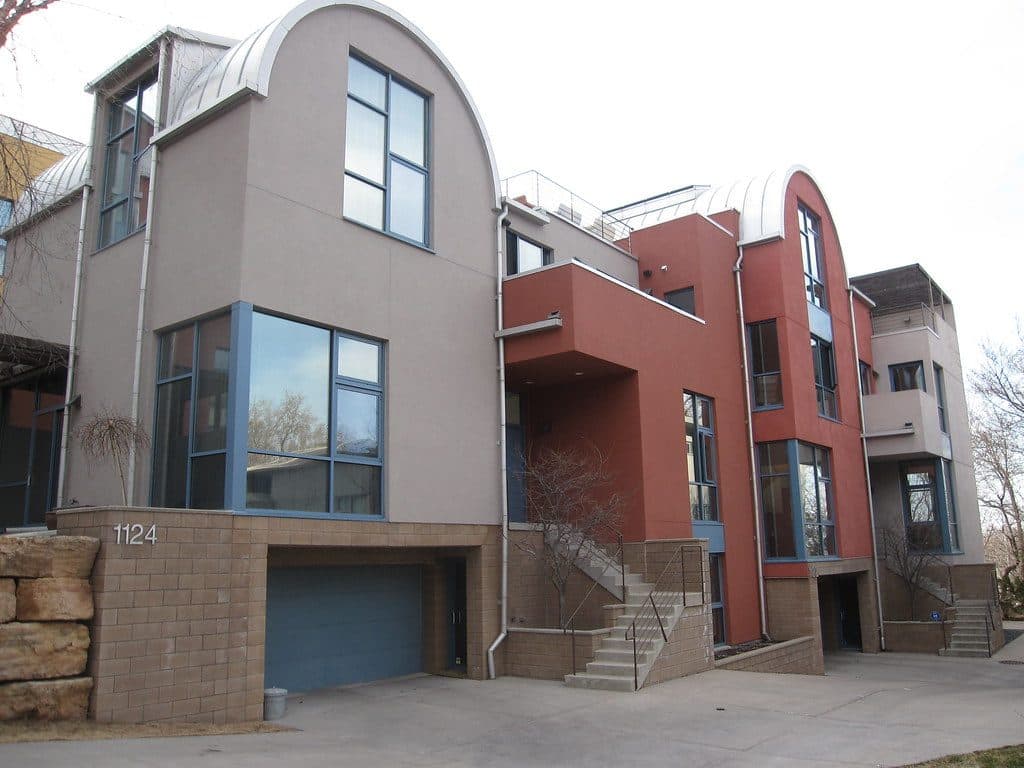
Lowry Hill and East Isles Land on Patch's List of Minnesota's Most Expensive Neighborhoods
Lowry Hill and East Isles rank among Minnesota's most expensive neighborhoods according to Patch's analysis of Niche's 2026 data.
Neighborhood
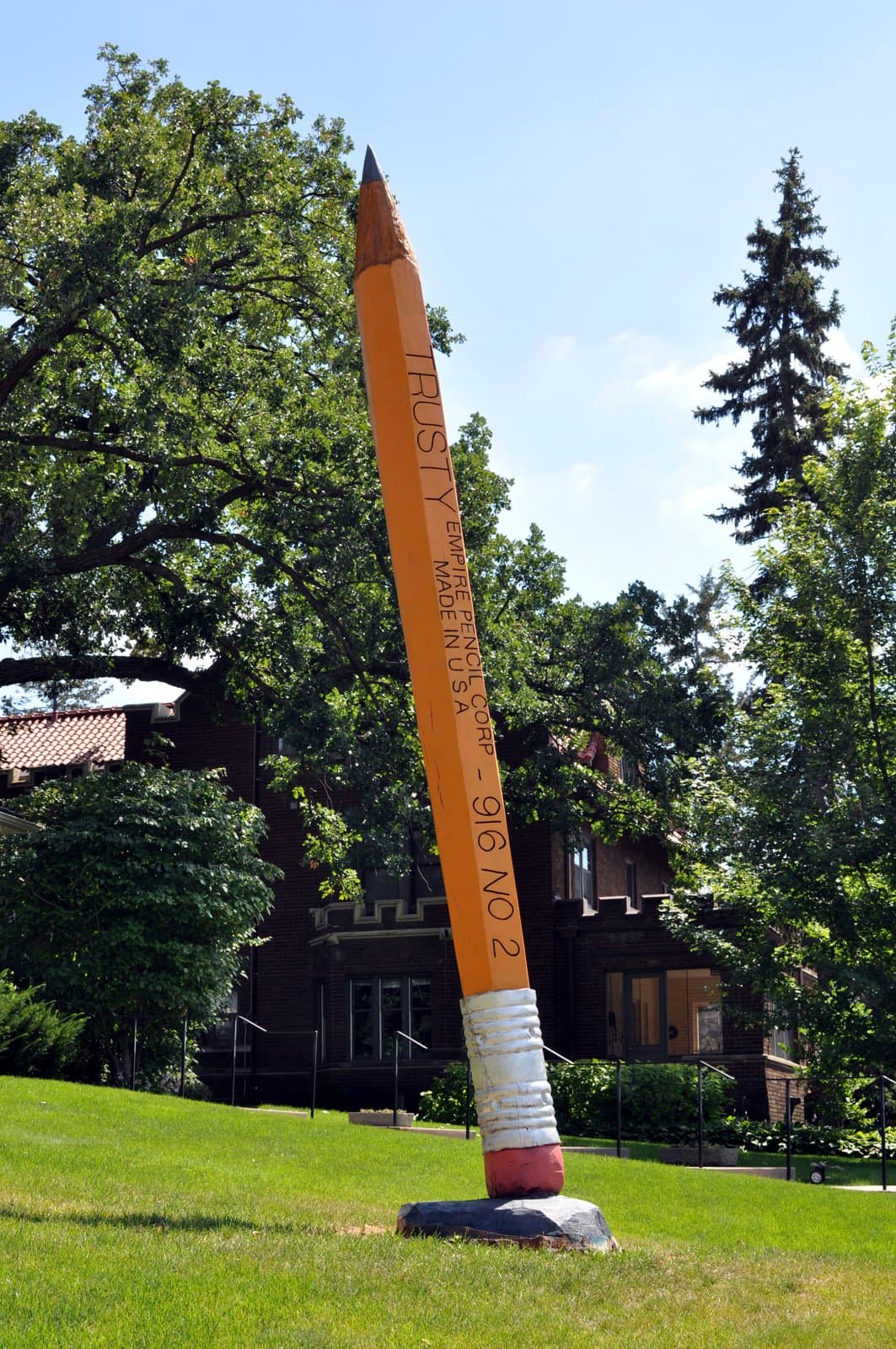
Community celebrates Lake of the Isles Pencil's 5th sharpening
Thousands gathered in East Isles on June 6, 2026, to watch the annual ceremonial sharpening of Minneapolis' giant pencil sculpture.
Neighborhood
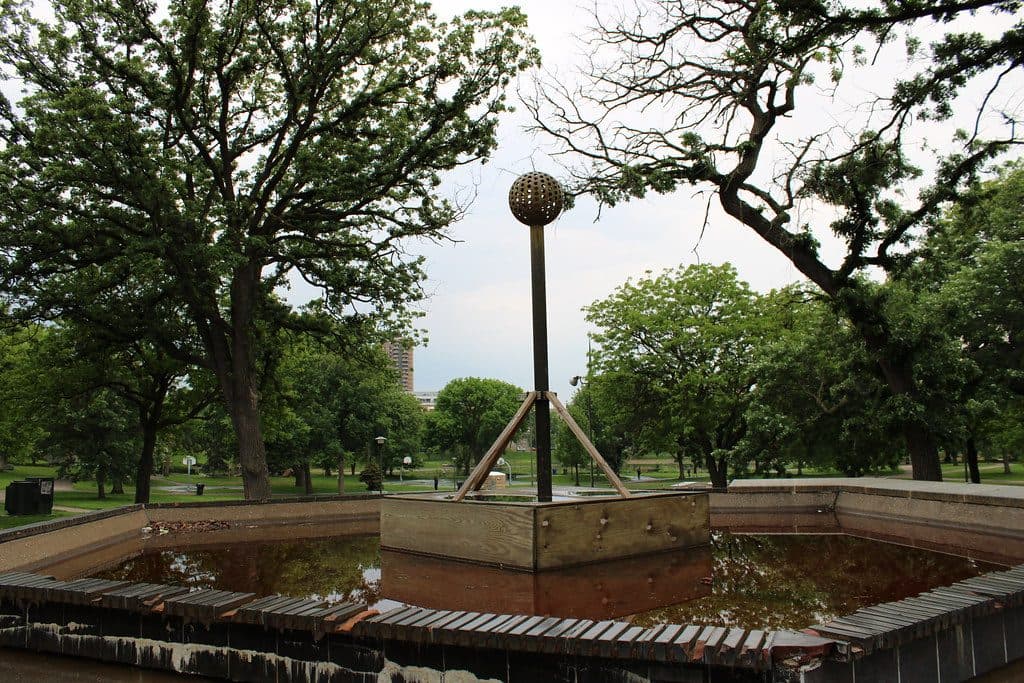
The end is in sight for Loring Park dandelion fountain's drought
State lawmakers approved $1.8 million for Berger Fountain repairs, and Park Board crews have begun demolition at the dry Loring Park landmark.
The neighborhood, in your inbox
Free. No paywall. Pick the topics you want — we send what’s happening this week.