NeighborhoodLowry HillLowry Hill East (The Wedge)
The Smith Triangle and the Wandering Lowry Memorial
The Thomas Lowry Memorial was moved to Smith Triangle Park in 1967 to make way for Interstate 94.

The bronze figure of Thomas Lowry that stands at Smith Triangle Park, where Hennepin Avenue, Emerson Avenue and 24th Street meet, has not always stood there. Sculptor Karl Bitter created the memorial, and the H.N. Leighton Company built its stone backdrop; it was completed in 1915 and originally sited at the Virginia Triangle, near the intersection of Hennepin and Lyndale avenues.
In 1967, the memorial was relocated south to Smith Triangle to make room for the construction of Interstate 94 and the Lowry Hill Tunnel. The move is a small irony of the freeway era: the same drive to build new transportation infrastructure that displaced the monument honored a man whose own transportation network, the streetcar, had shaped where Minneapolis grew.
Lowry arrived in Minneapolis from Illinois in 1867, became sole owner of the Minneapolis Street Railway by 1881, and in 1891 merged it with the Saint Paul City Railway to form the Twin City Rapid Transit Company. He died in 1909. His name attached to neighborhoods on both sides of Hennepin Avenue.
The City of Minneapolis designated the memorial a local landmark in 2015, on the centennial of its dedication, with the protection covering the exterior of the monument. It is not on the National Register of Historic Places.
Smith Triangle is one of the small pocket parks scattered across Minneapolis where the diagonal streetcar-era streets meet the grid. The man who spent his career moving people across the city ended up with a monument that was moved, too.
NeighborhoodLowry HillLowry Hill East (The Wedge)
Related stories
Neighborhood
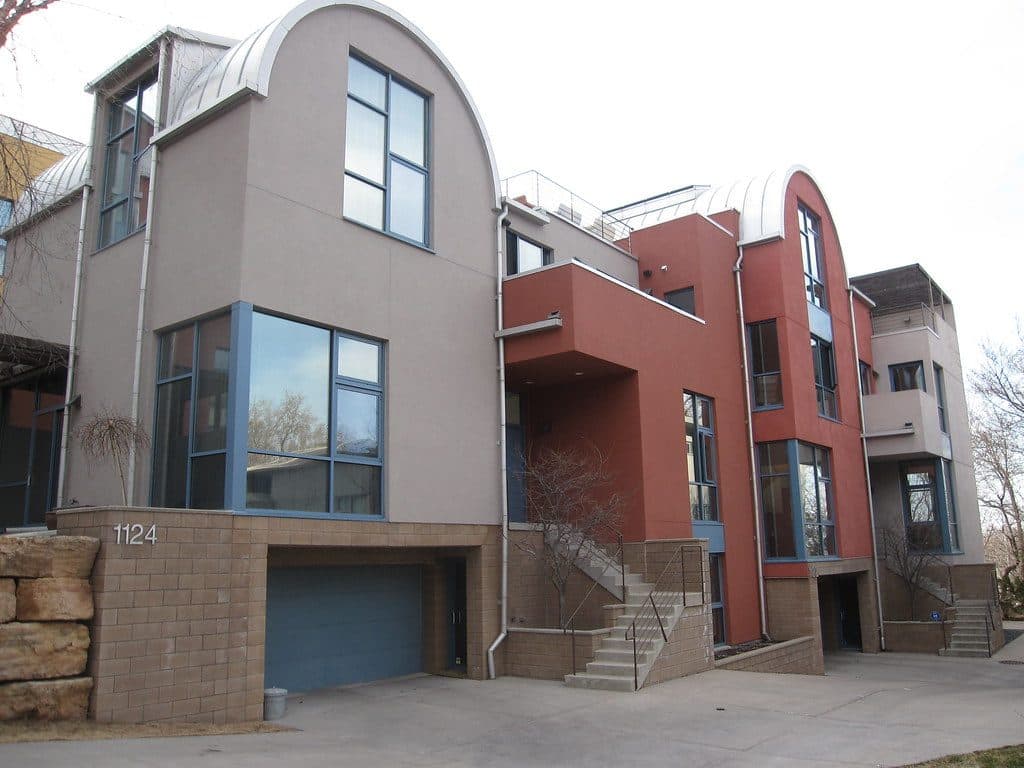
Lowry Hill and East Isles Land on Patch's List of Minnesota's Most Expensive Neighborhoods
Lowry Hill and East Isles rank among Minnesota's most expensive neighborhoods according to Patch's analysis of Niche's 2026 data.
Neighborhood
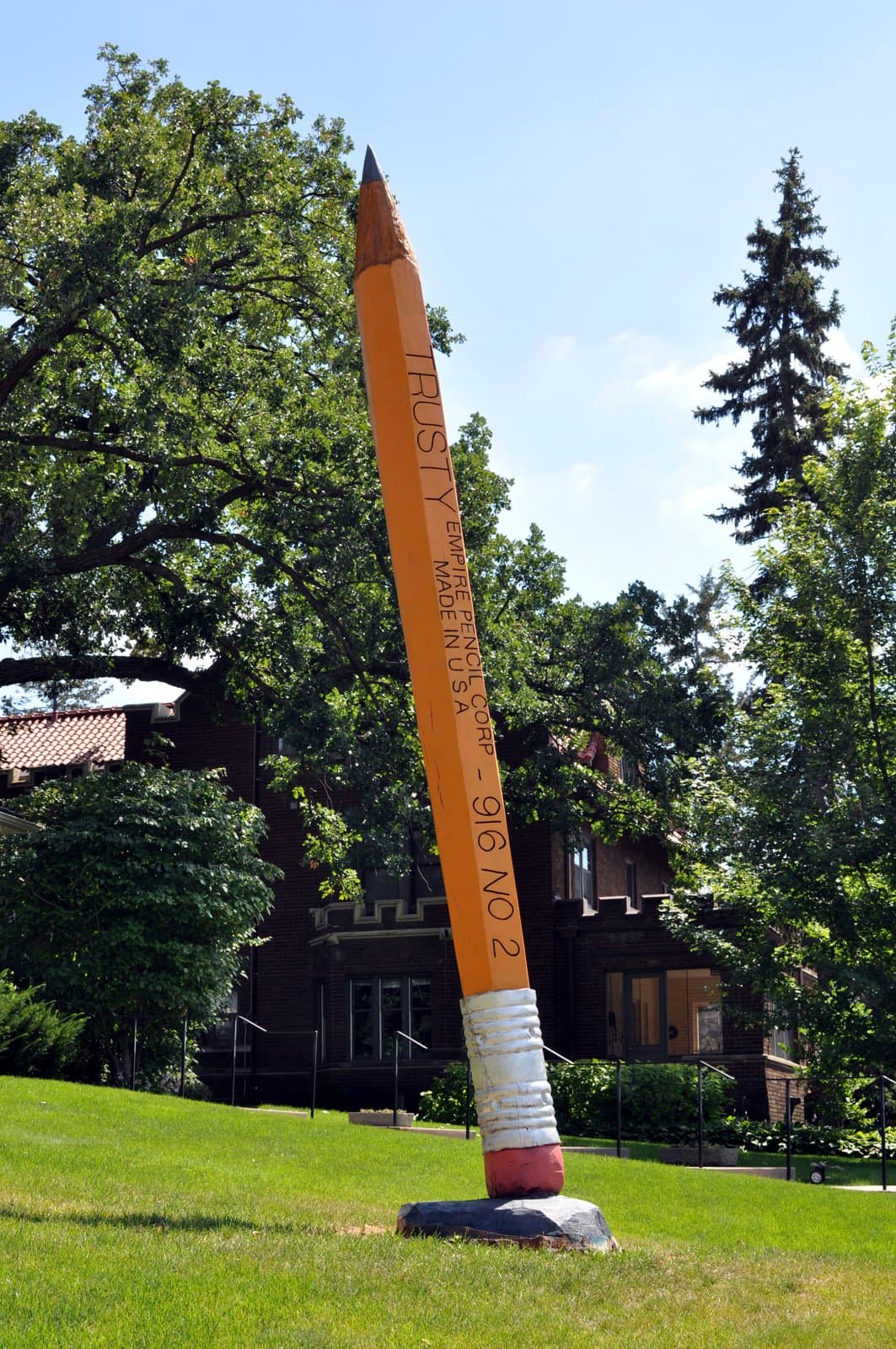
Community celebrates Lake of the Isles Pencil's 5th sharpening
Thousands gathered in East Isles on June 6, 2026, to watch the annual ceremonial sharpening of Minneapolis' giant pencil sculpture.
Neighborhood
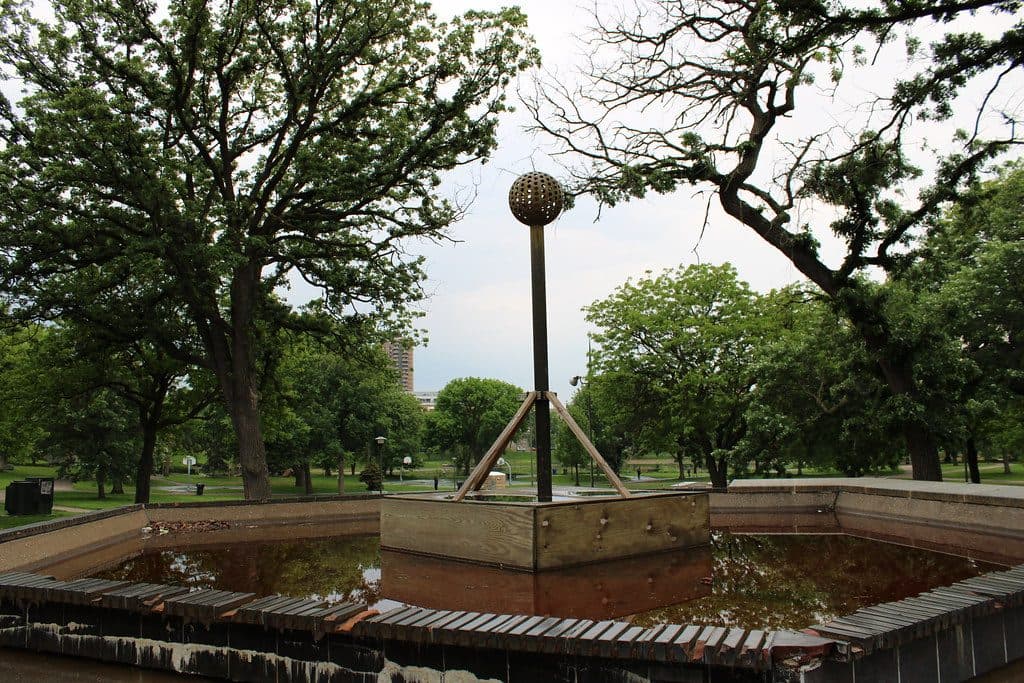
The end is in sight for Loring Park dandelion fountain's drought
State lawmakers approved $1.8 million for Berger Fountain repairs, and Park Board crews have begun demolition at the dry Loring Park landmark.
The neighborhood, in your inbox
Free. No paywall. Pick the topics you want — we send what’s happening this week.