NeighborhoodLowry Hill
Elizabeth Quinlan's House and the Women Who Shaped Lowry Hill
The Elizabeth C. Quinlan House at 1711 Emerson Avenue South was added to the National Register of Historic Places on July 25, 2012, honoring a co-founder of the Young-Quinlan store.
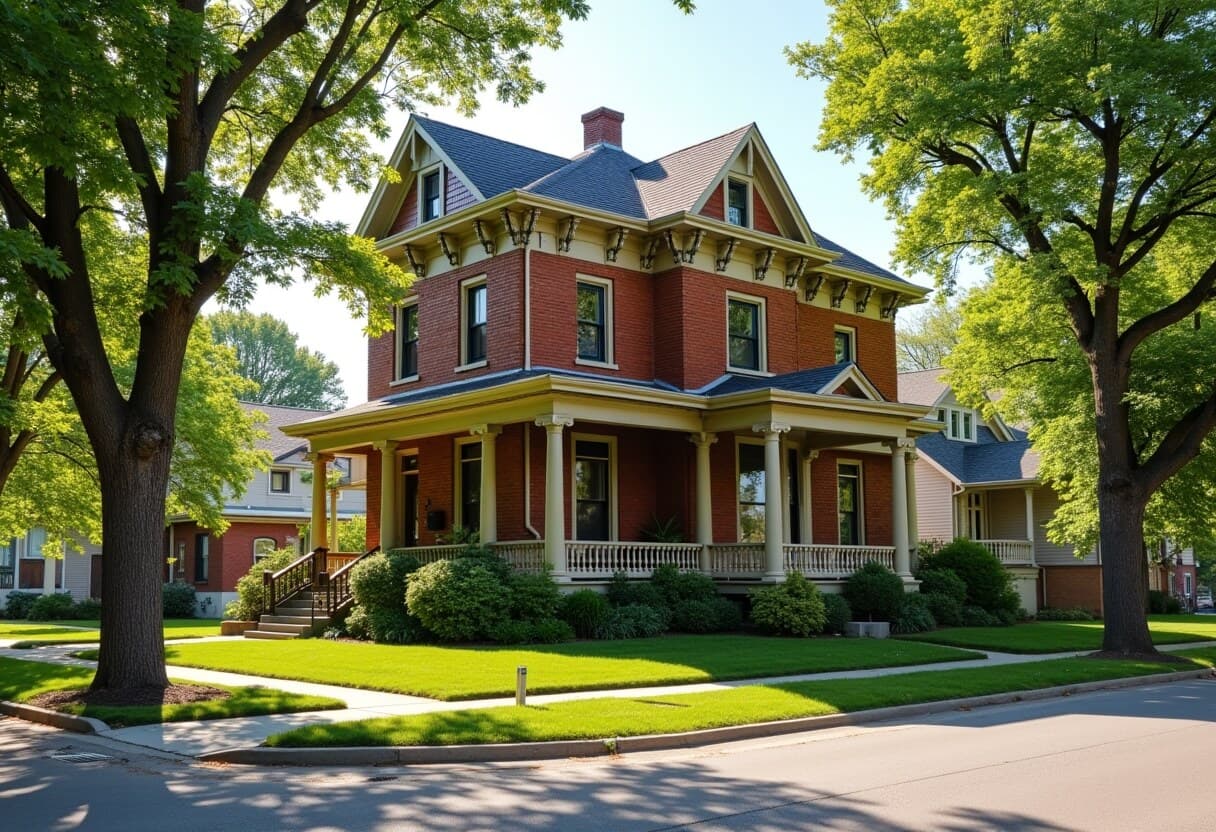
The Elizabeth C. Quinlan House at 1711 Emerson Avenue South was listed on the National Register of Historic Places on July 25, 2012. Quinlan co-founded the Young-Quinlan Company, a high-fashion specialty store, and by many accounts was among the first women in the country to run a major store of its kind.
Quinlan built the house in 1925 and hired architect Frederick L. Ackerman, who designed it as an eclectic take on the Renaissance Revival style, with stucco walls, a terra cotta tile hipped roof, stone window trim and a courtyard with a fountain. The design later informed the look of the Young-Quinlan store building at 901 Nicollet Avenue downtown.
Her presence on Lowry Hill complicates the usual account of the neighborhood, which credits the streetcar magnate Thomas Lowry and the milling and lumber families who followed his lines up the ridge. The Quinlan house adds a self-made businesswoman to that roster at a time when that was rare.
The listing is part of a broader shift in how neighborhoods record their histories, away from a roster of wealthy men and toward the fuller cast of people who shaped a place. Preservation listings increasingly note not just an architect and a date but who lived in a house and why it mattered. For Lowry Hill, foregrounding Quinlan also doubles as a preservation strategy: a landmark with a compelling human story is one neighbors are more likely to fight to keep.
NeighborhoodLowry Hill
Related stories
Neighborhood
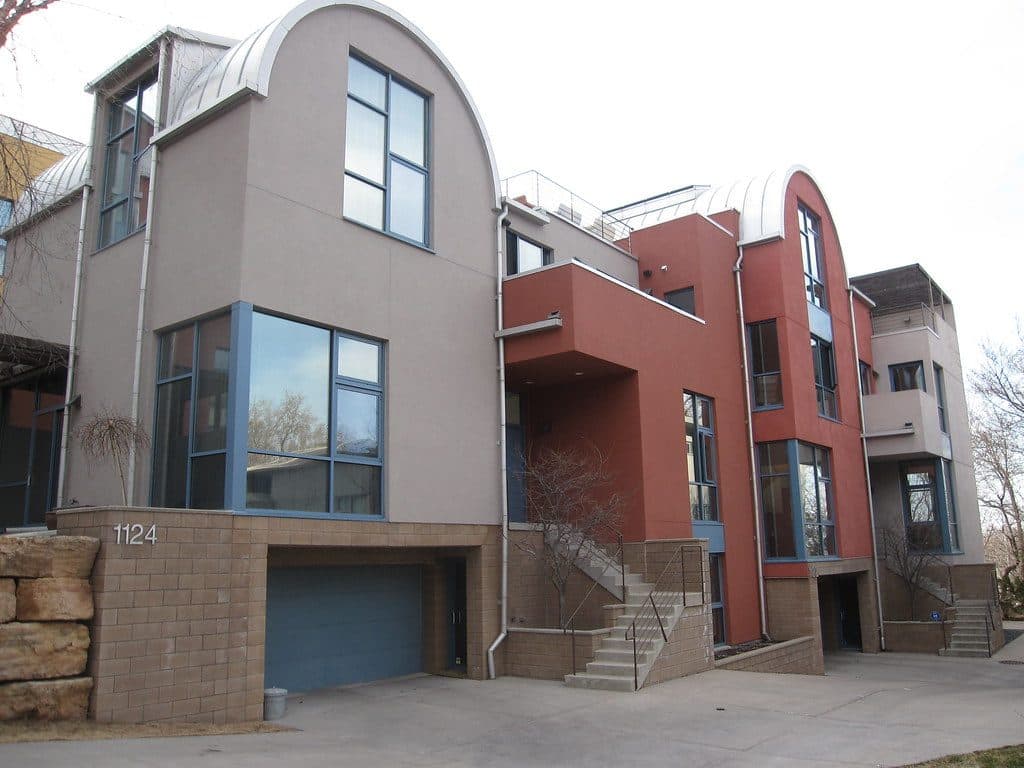
Lowry Hill and East Isles Land on Patch's List of Minnesota's Most Expensive Neighborhoods
Lowry Hill and East Isles rank among Minnesota's most expensive neighborhoods according to Patch's analysis of Niche's 2026 data.
Neighborhood
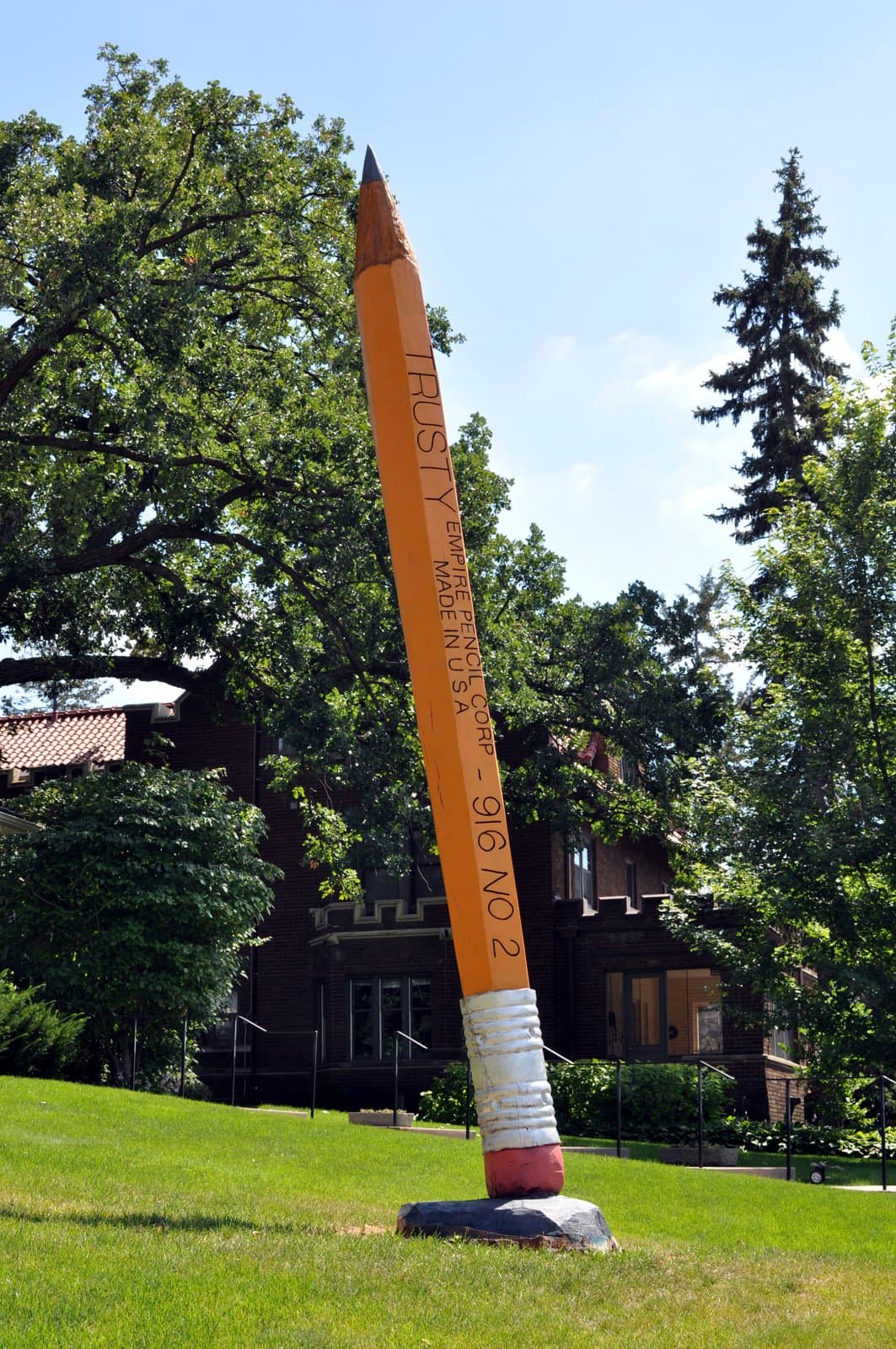
Community celebrates Lake of the Isles Pencil's 5th sharpening
Thousands gathered in East Isles on June 6, 2026, to watch the annual ceremonial sharpening of Minneapolis' giant pencil sculpture.

Neighborhood
The end is in sight for Loring Park dandelion fountain's drought
State lawmakers approved $1.8 million for Berger Fountain repairs, and Park Board crews have begun demolition at the dry Loring Park landmark.
The neighborhood, in your inbox
Free. No paywall. Pick the topics you want — we send what’s happening this week.