NeighborhoodLowry Hill East (The Wedge)Greater Uptown & Nearby
The Wedge Co-op at Fifty: A Lyndale Avenue Institution
From a 1974 meeting in Whittier to roughly 25,000 member-owners, the Wedge Community Co-op anchors the Lowry Hill East neighborhood that shares its name.

The Wedge Community Co-op traces its start to 1974, when a small group of neighbors gathered — by the co-op's own telling, in a basement and backyard near Franklin Avenue in Whittier, just up the hill from Lyndale — because they wanted access to affordable, organic, whole foods without driving or busing miles to get them.
The store at 2105 Lyndale Avenue South grew from that meeting into a full-line natural-foods grocery, now owned by roughly 25,000 members and part of a small cooperative family that includes a second store in Linden Hills. Along the way it claimed a few firsts, including an early certified-organic meat and seafood department, and added a coffee-and-juice bar that doubles as a neighborhood meeting spot. The co-op took its name from the Wedge, the nickname for the triangular Lowry Hill East neighborhood.
A half-century on, the store remains one of the busiest corners in the neighborhood and a fixture of the local economy that LHENA works to support. For many residents a trip to the co-op is also a chance to run into neighbors.
The co-op also sits squarely in the conversation over redesigning Lyndale Avenue. A high-traffic anchor at Lyndale and 22nd, it shapes how people move along the corridor and stands to be affected by whatever the redesign brings in parking, transit and bike facilities. Its member-owners and the neighborhood association are likely to be among the most active voices in that process.
NeighborhoodLowry Hill East (The Wedge)Greater Uptown & Nearby
Related stories
Neighborhood
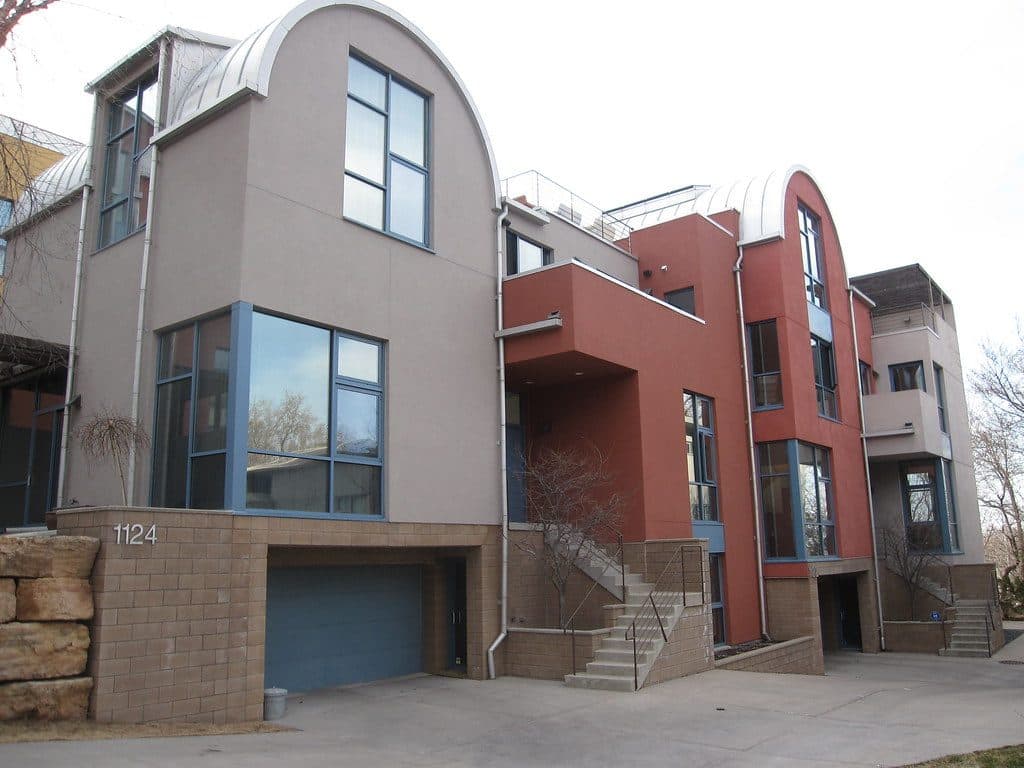
Lowry Hill and East Isles Land on Patch's List of Minnesota's Most Expensive Neighborhoods
Lowry Hill and East Isles rank among Minnesota's most expensive neighborhoods according to Patch's analysis of Niche's 2026 data.
Neighborhood
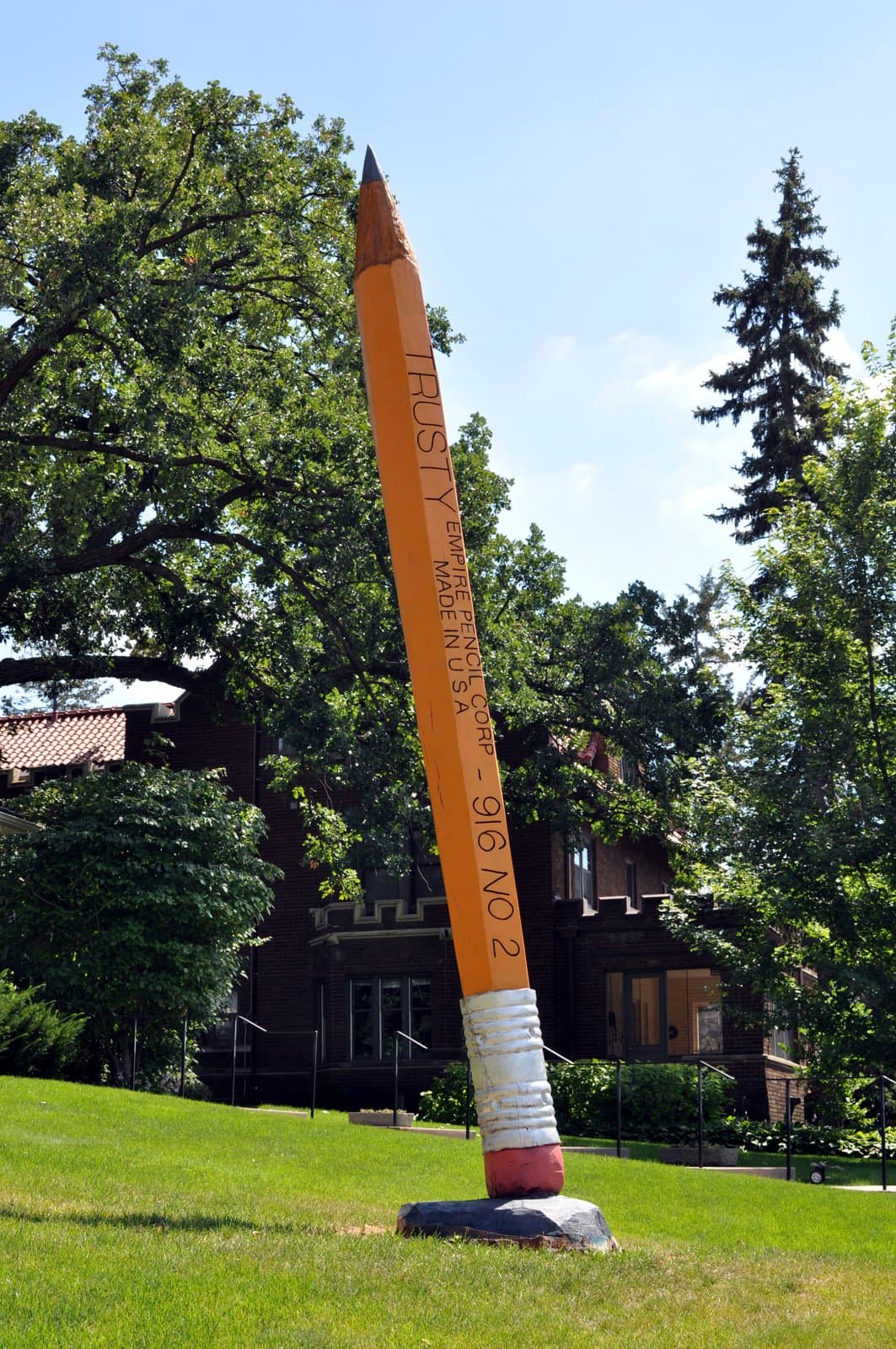
Community celebrates Lake of the Isles Pencil's 5th sharpening
Thousands gathered in East Isles on June 6, 2026, to watch the annual ceremonial sharpening of Minneapolis' giant pencil sculpture.
Neighborhood
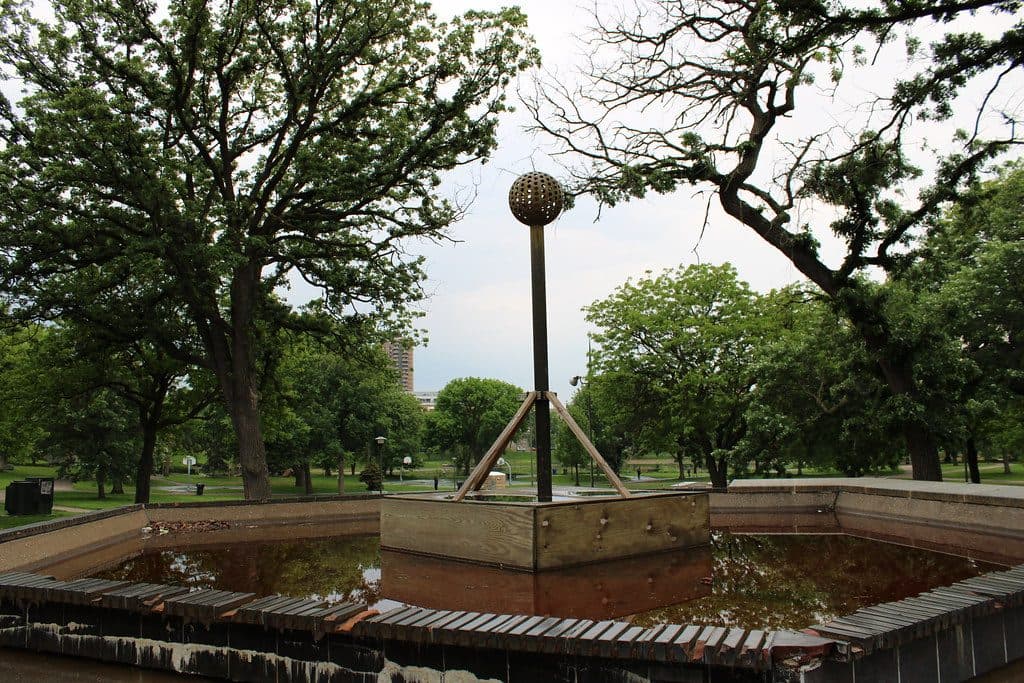
The end is in sight for Loring Park dandelion fountain's drought
State lawmakers approved $1.8 million for Berger Fountain repairs, and Park Board crews have begun demolition at the dry Loring Park landmark.
The neighborhood, in your inbox
Free. No paywall. Pick the topics you want — we send what’s happening this week.