NeighborhoodLowry Hill East (The Wedge)
LHENA at the Center of Wedge Civic Life
Established in 1971, the Lowry Hill East Neighborhood Association remains the volunteer-led hub for the Wedge.
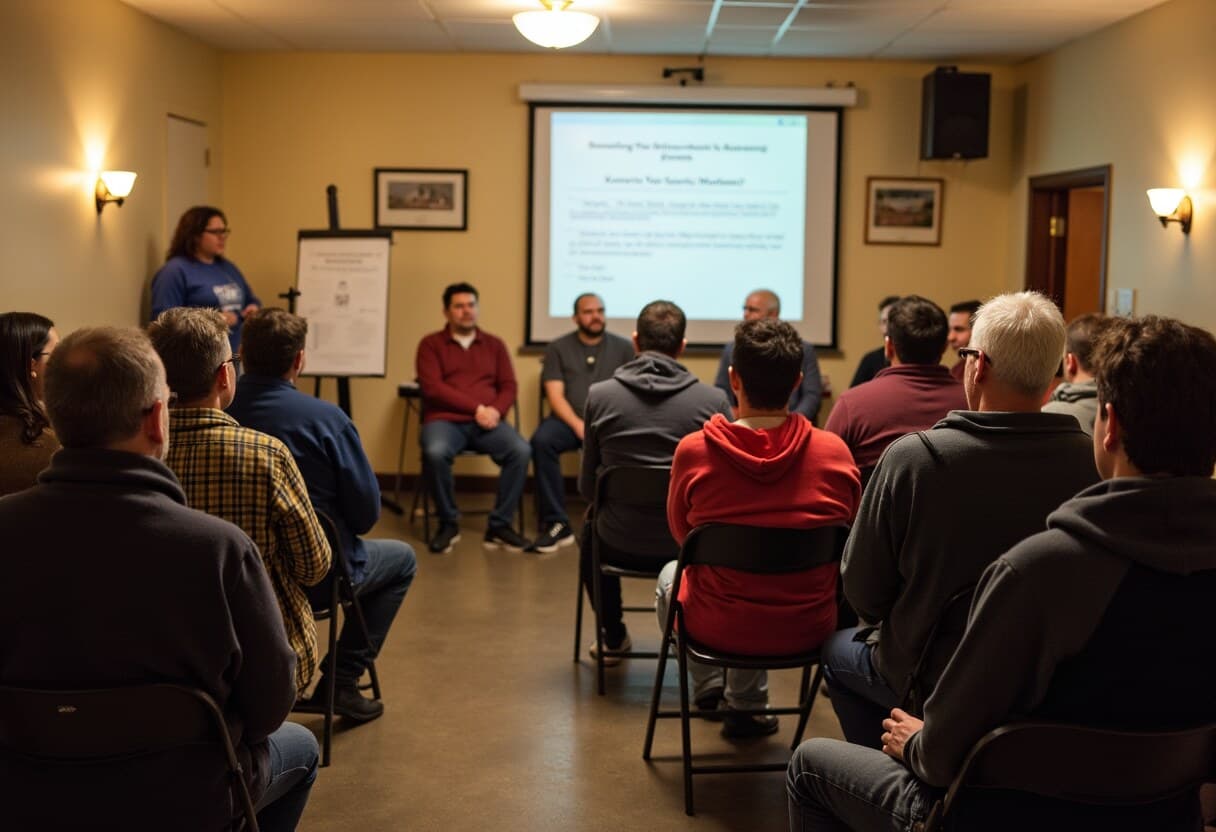
LHENA — the Lowry Hill East Neighborhood Association, pronounced 'Lee-Nah' — is the volunteer-led 501(c)(3) nonprofit recognized by the City of Minneapolis as the Wedge's official neighborhood organization, one of dozens across the city. Established in 1971, its stated mission is to provide a structure for neighborhood leadership and participation, to facilitate the equitable sharing of resources, and to advance a vision for the neighborhood. The association represents residents, property owners and business owners alike, and its work spans community development, public safety, events and the steady civic maintenance that keeps a dense neighborhood functioning.
The association is run by an elected, all-volunteer board; its recent roster has included Elise Moore as president, Pete Boisclair as vice president, Anna Berglund as treasurer and Valerie Blomberg as secretary, alongside several at-large directors. The board meets monthly and honored neighbors at its 2026 annual meeting in early May.
What the work looks like
In practice, LHENA's reach is broad because its committees are. Volunteers have surveyed residents on the Hennepin Avenue reconstruction and on public safety, hosted forums with violence-prevention partners, run a neighborhood food share, and gone door to door to check in with small businesses along Lyndale and Hennepin. The group's records — minutes, zoning studies and oral histories going back decades — are even archived through the Hennepin County Library.
That breadth reflects a deliberate reading of what neighborhood leadership means: not just reacting to development, but cultivating what the group calls a sense of belonging in one of the city's densest, most renter-heavy neighborhoods.
How to get involved
The board meets monthly, committee seats are open to residents, and the association's calendar of forums, surveys and events gives newcomers and longtime residents alike a way in. LHENA keeps an office in the heart of the neighborhood and relies heavily on volunteers who, as the group puts it, simply want to make the Wedge a better place to live.
NeighborhoodLowry Hill East (The Wedge)
Related stories
Neighborhood
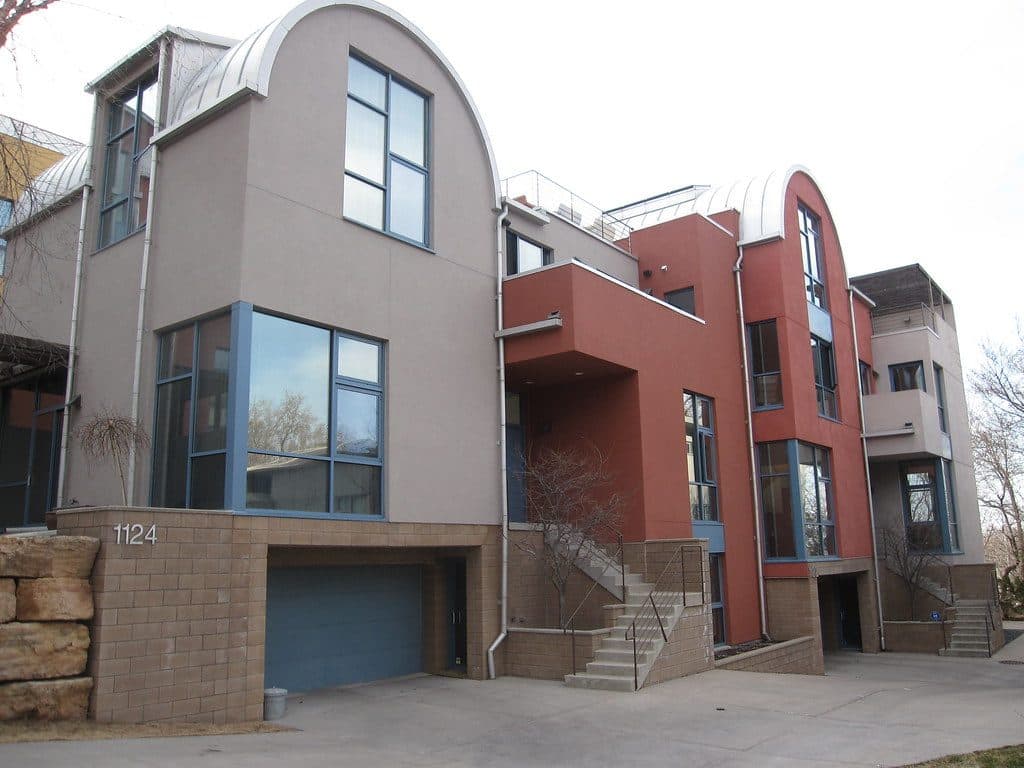
Lowry Hill and East Isles Land on Patch's List of Minnesota's Most Expensive Neighborhoods
Lowry Hill and East Isles rank among Minnesota's most expensive neighborhoods according to Patch's analysis of Niche's 2026 data.
Neighborhood
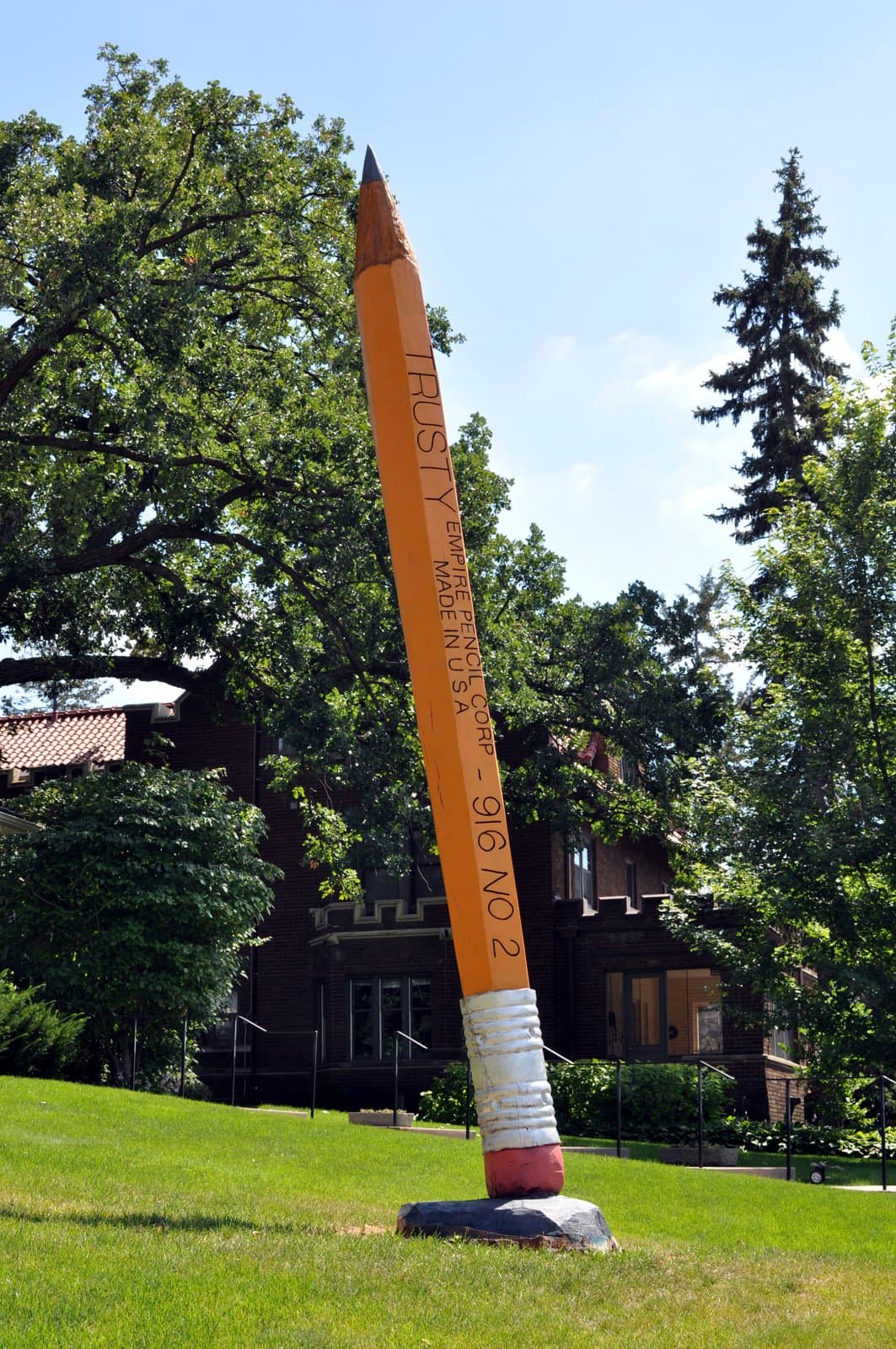
Community celebrates Lake of the Isles Pencil's 5th sharpening
Thousands gathered in East Isles on June 6, 2026, to watch the annual ceremonial sharpening of Minneapolis' giant pencil sculpture.
Neighborhood
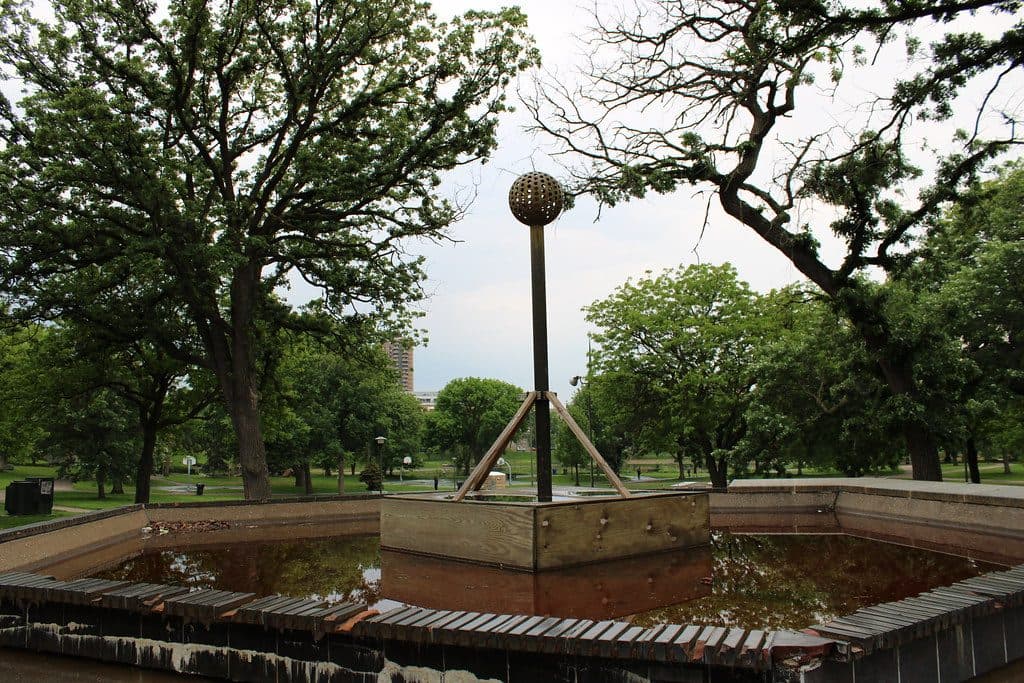
The end is in sight for Loring Park dandelion fountain's drought
State lawmakers approved $1.8 million for Berger Fountain repairs, and Park Board crews have begun demolition at the dry Loring Park landmark.
The neighborhood, in your inbox
Free. No paywall. Pick the topics you want — we send what’s happening this week.