NeighborhoodLowry Hill
Renaissance Revival, Italian Renaissance and the Styles of the Hill
A few blocks of Mount Curve Avenue in Lowry Hill hold a working catalog of how wealthy Minneapolis built between 1900 and 1910, from Renaissance Revival to Prairie School.

The landmark is the Charles J. Martin House at 1300 Mount Curve, a Renaissance Revival mansion in creme brick designed by William Channing Whitney in 1903 for an officer of the Washburn-Crosby Company, a predecessor of General Mills. It was added to the National Register of Historic Places in 1978 and designated a Minneapolis landmark in 1986.
Two doors down, the Winton House at 1324 Mount Curve carries the horizontal lines, deep eaves and poppy-motif leaded glass of the Prairie School. The Chicago architect George Washington Maher designed it in 1910 for lumber magnate Charles Winton, and it is a city landmark.
The Arts and Crafts entry is the 1906 Donaldson Mansion at 1712 Mount Curve, built for department-store founder Lawrence Donaldson by the firm Kees and Colburn, whose other work includes the Minneapolis Grain Exchange. Designer John Bradstreet added a Japanese-inspired sun parlor, and thistle motifs throughout nod to Donaldson's Scottish roots.
All three went up within a few years of one another, during the boom that crested around 1906 when Mount Curve held some of the costliest houses in the city. For preservationists, the value of Lowry Hill lies less in any single house than in the intact run of estates spanning several styles along the same boulevard. Lose too many pieces and the catalog stops reading as one, which is the real stake when demolition is proposed.
NeighborhoodLowry Hill
Related stories
Neighborhood
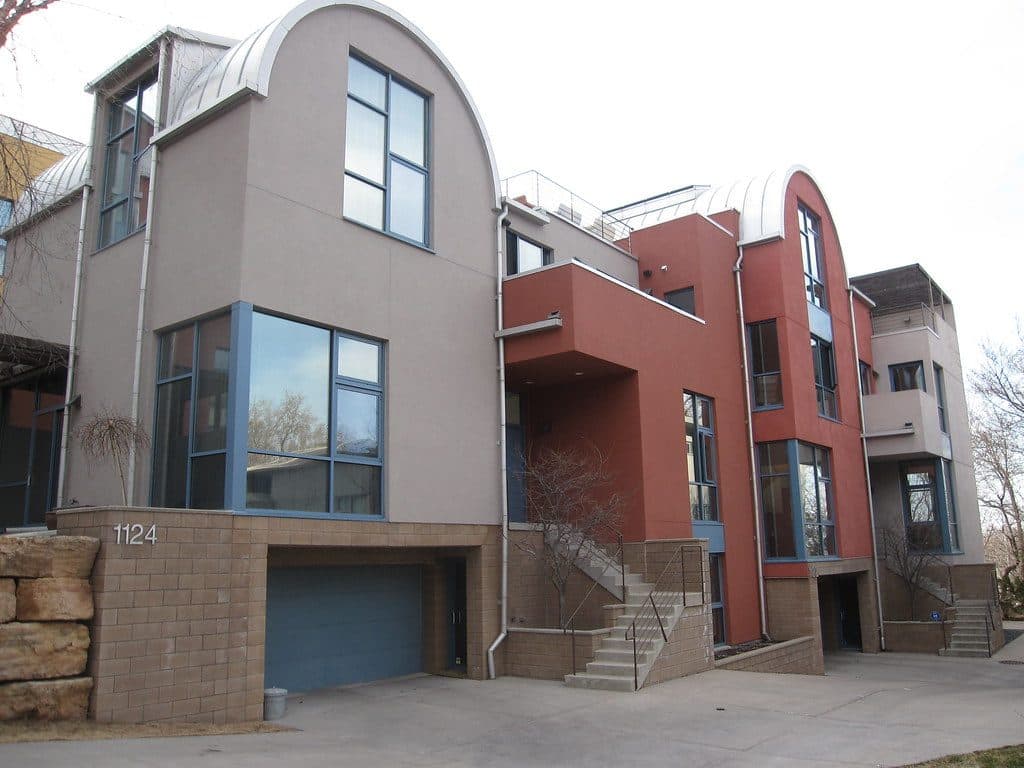
Lowry Hill and East Isles Land on Patch's List of Minnesota's Most Expensive Neighborhoods
Lowry Hill and East Isles rank among Minnesota's most expensive neighborhoods according to Patch's analysis of Niche's 2026 data.
Neighborhood
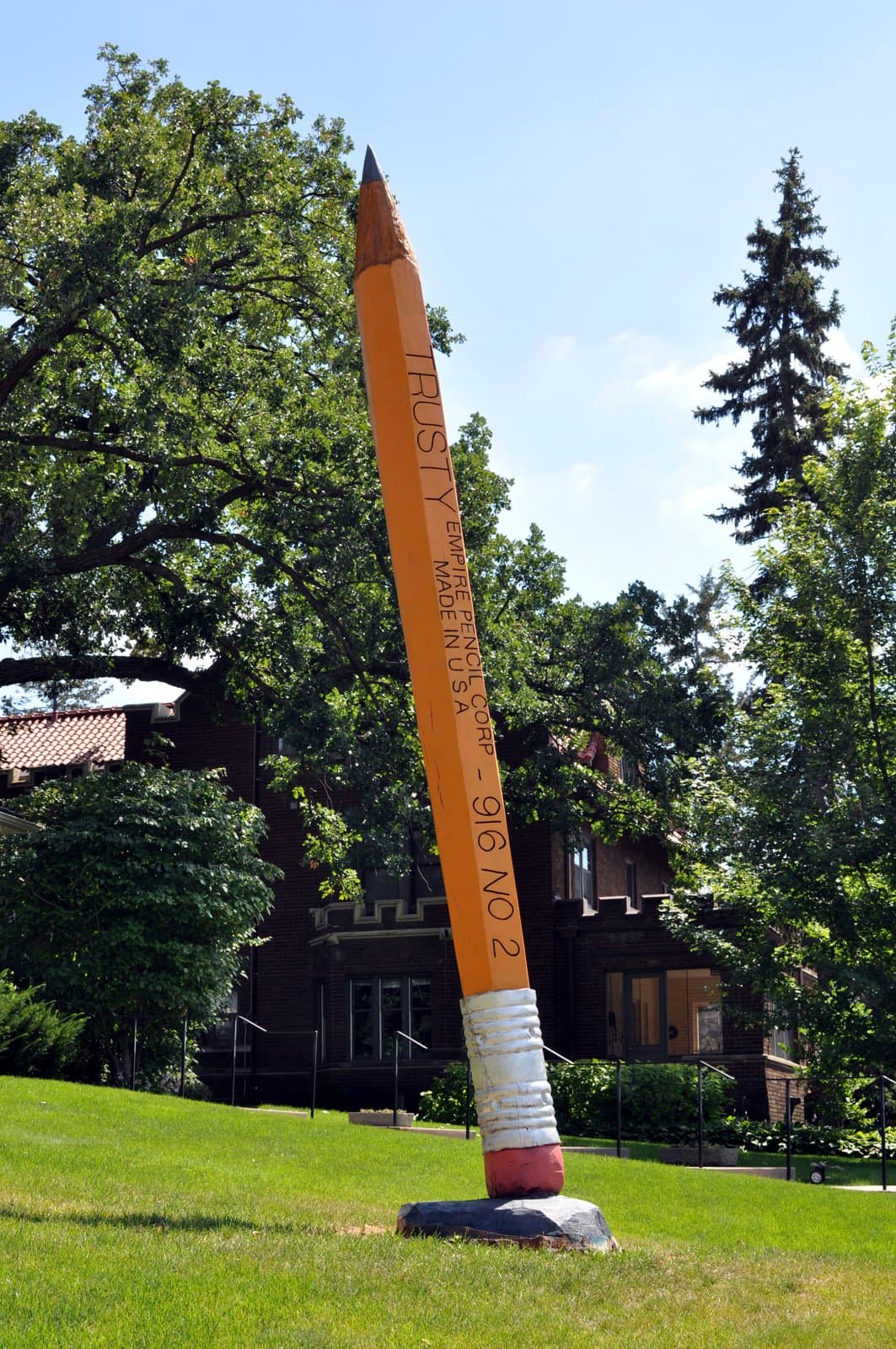
Community celebrates Lake of the Isles Pencil's 5th sharpening
Thousands gathered in East Isles on June 6, 2026, to watch the annual ceremonial sharpening of Minneapolis' giant pencil sculpture.
Neighborhood
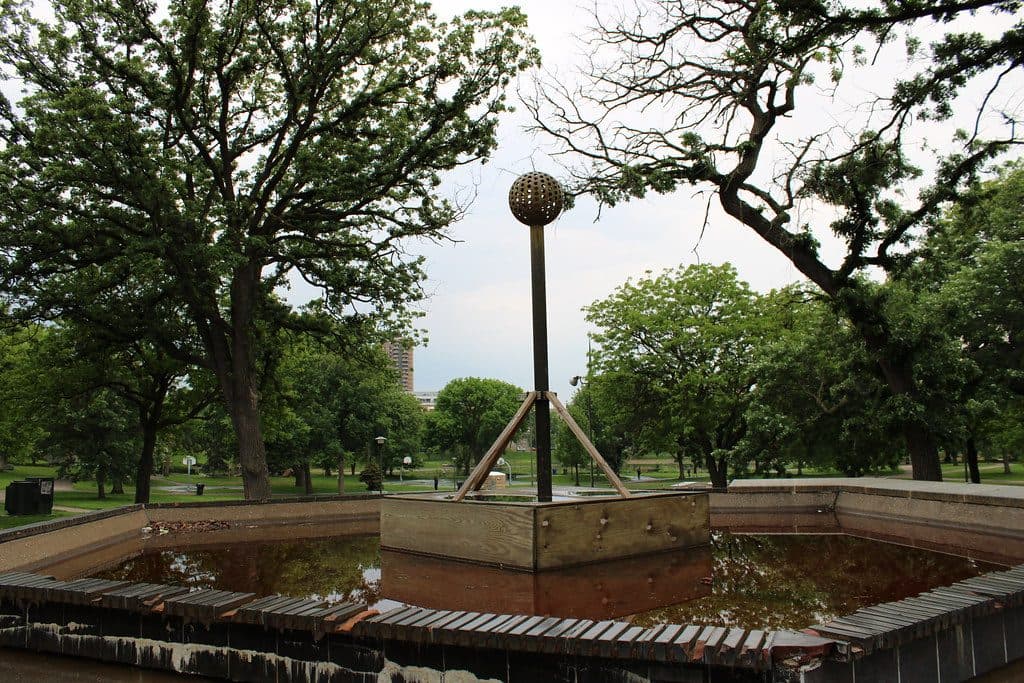
The end is in sight for Loring Park dandelion fountain's drought
State lawmakers approved $1.8 million for Berger Fountain repairs, and Park Board crews have begun demolition at the dry Loring Park landmark.
The neighborhood, in your inbox
Free. No paywall. Pick the topics you want — we send what’s happening this week.