NeighborhoodLowry Hill East (The Wedge)
Meet Your Neighbor: A Wedge Renter on Why She Never Leaves
In the renter-heavy Wedge, daily life fits within a few walkable blocks, anchored by the Wedge Co-op and a civic life built to include tenants.
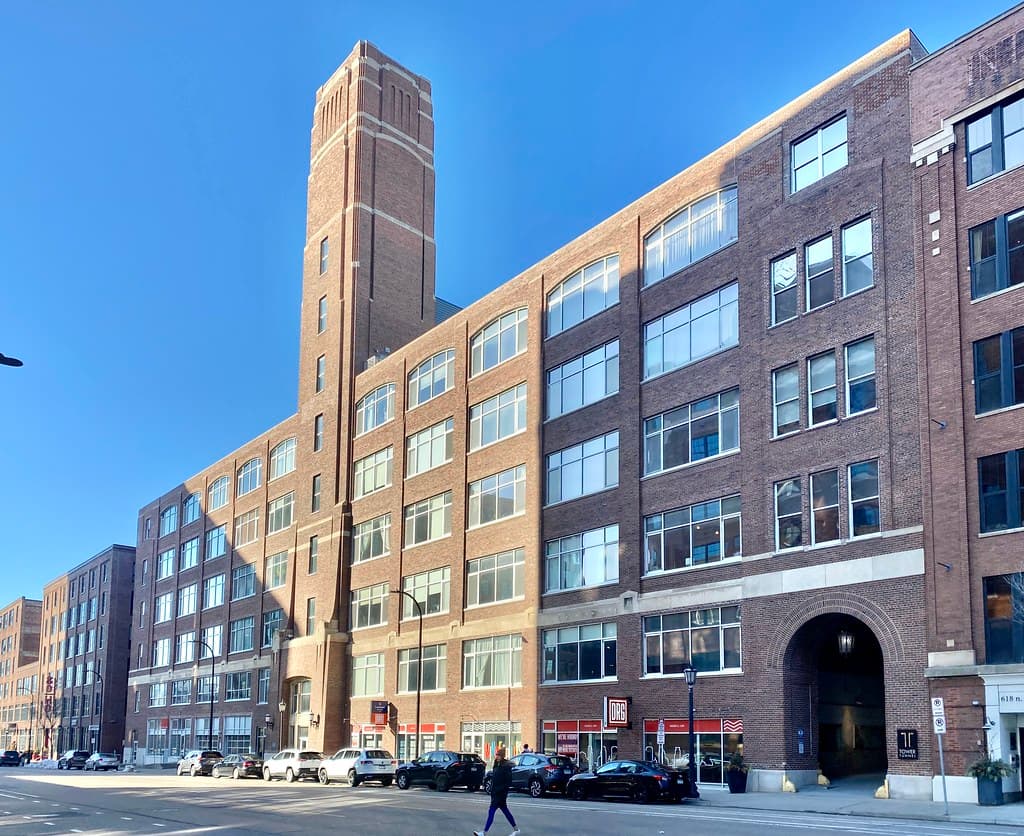
The Wedge, officially Lowry Hill East, is one of Minneapolis's densest and most renter-heavy neighborhoods, packed into a small triangle between Hennepin and Lyndale avenues. What holds renters here is geography: groceries, cafes, restaurants, bike shops and parks all sit within a short walk, and the lakes are a few blocks west.
The neighborhood's anchor is the Wedge Community Co-op at 2105 Lyndale Ave. S., which opened in 1974 and merged with the Linden Hills Co-op in 2017 to form Wedge Community Co-ops. For residents without a car, that proximity is the point: enough households packed into a small area to support the shops, transit and street life a less dense neighborhood cannot.
The civic life is built to include renters, who make up much of the neighborhood. The Lowry Hill East Neighborhood Association runs open meetings and committee seats, and its volunteer-run Food Share distributes free groceries to more than 100 households a month from SpringHouse Ministries on West 28th Street. Those are ways to take part that do not depend on holding a deed.
The Wedge also sits along the rebuilt Hennepin Avenue corridor, with frequent bus service and the coming METRO E Line, reinforcing a version of urban life in which most errands can be done on foot.
[unverifiable: the original ran as an anonymous "Meet Your Neighbor" profile of an unnamed renter; with no named subject to verify, this version describes the neighborhood rather than an anonymous individual.]
NeighborhoodLowry Hill East (The Wedge)
Related stories
Neighborhood
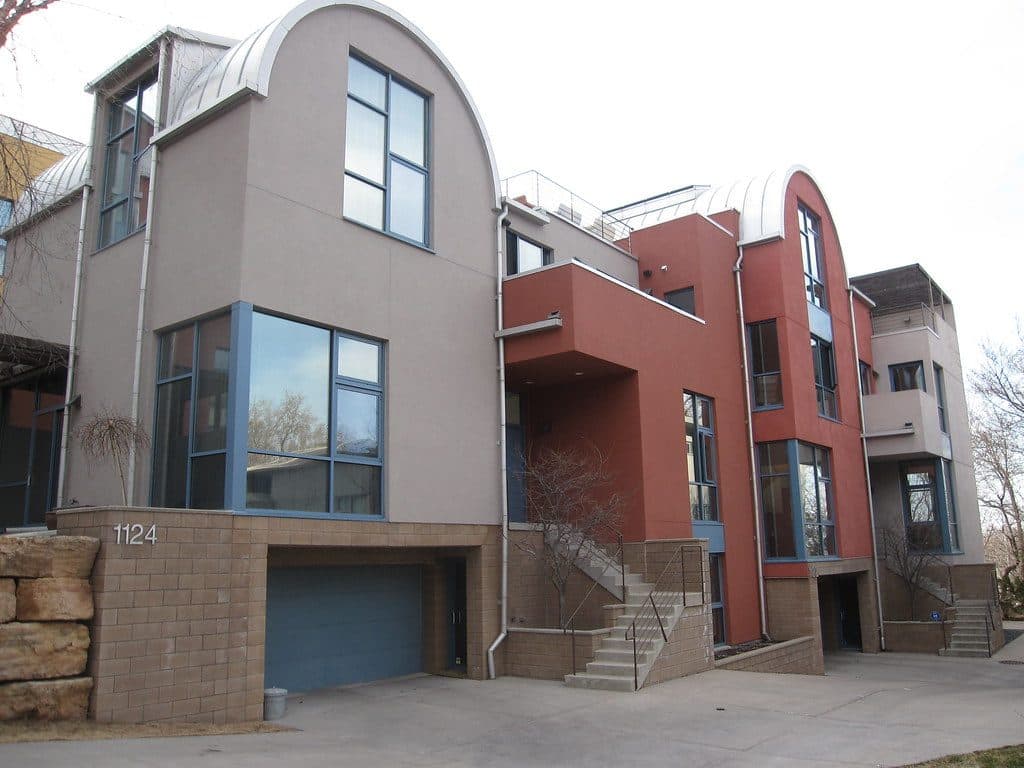
Lowry Hill and East Isles Land on Patch's List of Minnesota's Most Expensive Neighborhoods
Lowry Hill and East Isles rank among Minnesota's most expensive neighborhoods according to Patch's analysis of Niche's 2026 data.
Neighborhood
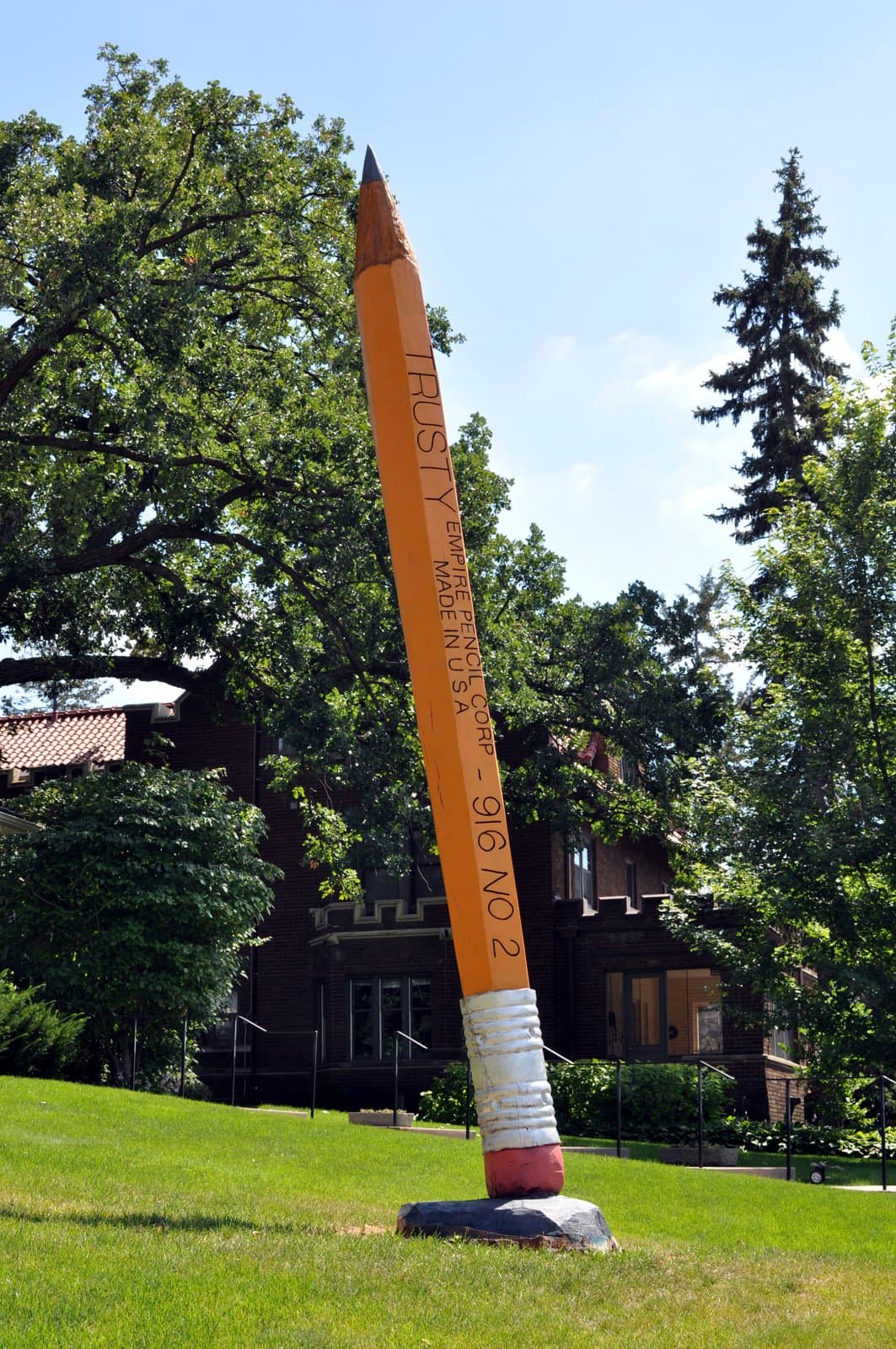
Community celebrates Lake of the Isles Pencil's 5th sharpening
Thousands gathered in East Isles on June 6, 2026, to watch the annual ceremonial sharpening of Minneapolis' giant pencil sculpture.
Neighborhood
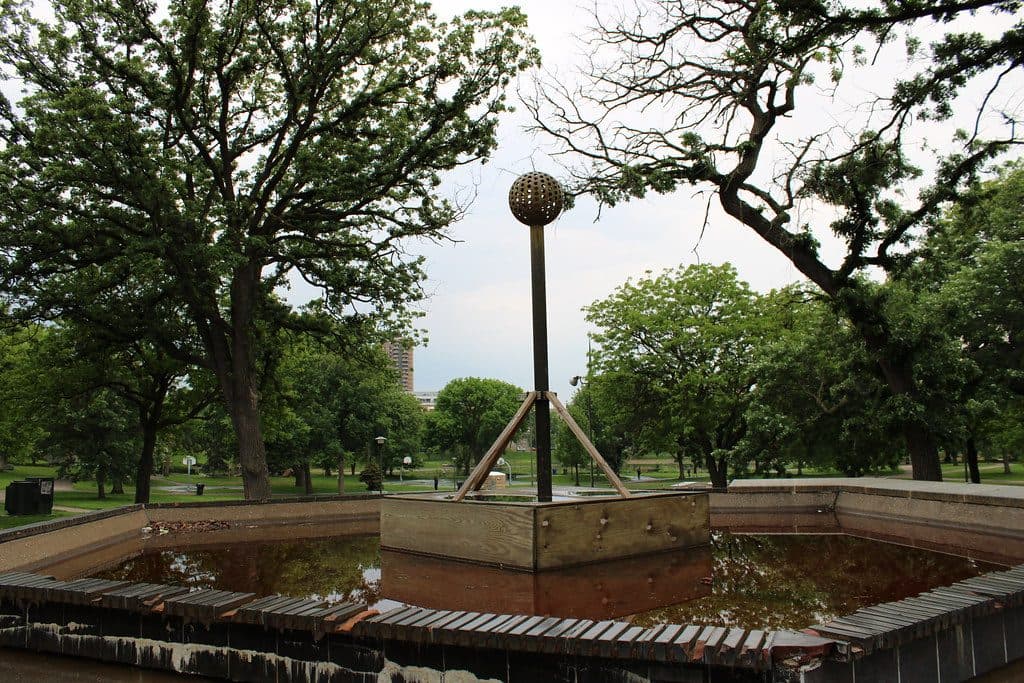
The end is in sight for Loring Park dandelion fountain's drought
State lawmakers approved $1.8 million for Berger Fountain repairs, and Park Board crews have begun demolition at the dry Loring Park landmark.
The neighborhood, in your inbox
Free. No paywall. Pick the topics you want — we send what’s happening this week.