NeighborhoodLowry Hill East (The Wedge)
Lowry Hill East's Historic District and the Streetcar Houses
The Lowry Hill East Residential Historic District preserves streetcar-era homes on the 2300 and 2400 blocks of Aldrich, Bryant and Colfax Avenues South.
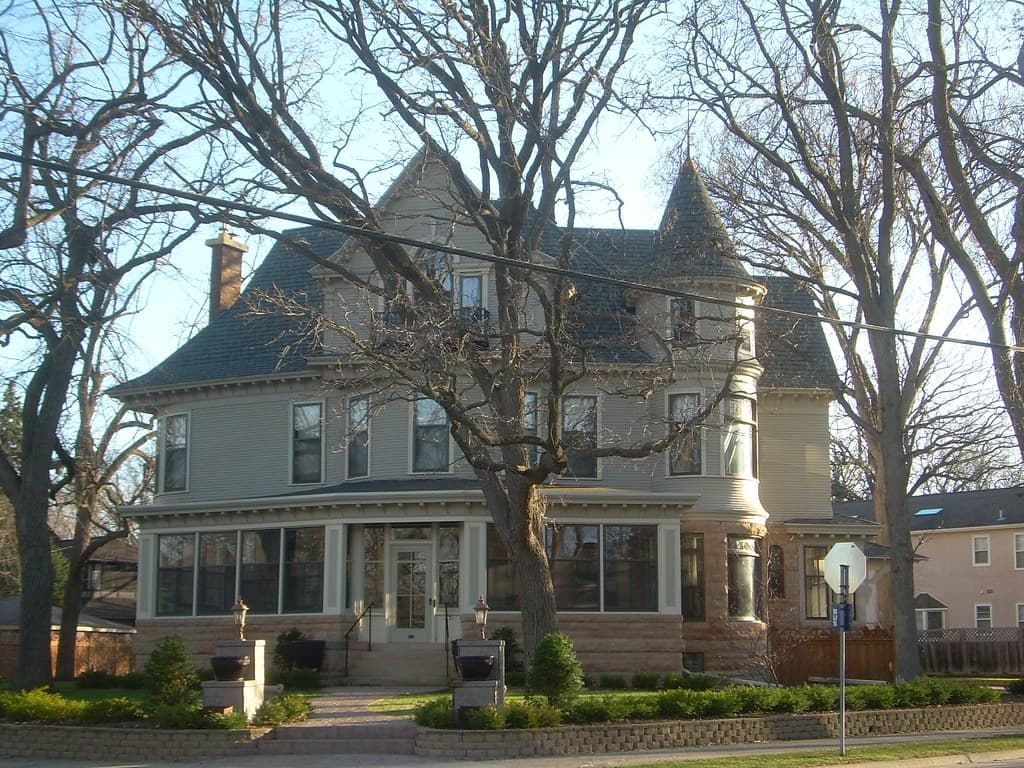
The Lowry Hill East Residential Historic District takes in turn-of-the-20th-century houses along the 2300 and 2400 blocks of Aldrich, Bryant and Colfax Avenues South, a stretch the City of Minneapolis describes as a textbook "streetcar suburb" — a neighborhood that filled in as public transit reached it.
Most of the houses are wood balloon-frame construction, two to two-and-a-half stories, built largely in the Colonial Revival and Queen Anne styles, with some Arts and Crafts and Prairie examples; many retain their original siding and window patterns. The district was listed on the National Register of Historic Places in 1993 (reference number 93000417).
The growth traces to Thomas Lowry, who built the Twin Cities streetcar system. In the 1880s, streetcar service ran down Lyndale Avenue from downtown, opening the blocks of what is now the Wedge to development. Property owners in the district were largely middle- and upper-class — lawyers, doctors and business owners — and the houses were designed by architects including Warren B. Dunnell, William Kenyon, Long, Lamoreaux & Long, Edward Stebbins and William Channing Whitney.
The designation matters in a neighborhood that has kept densifying. As apartment buildings rise on former streetcar lots, the historic district is one tool the Wedge has for keeping its oldest blocks intact — a record, in wood and brick, of how the place was first built and who it was built for. The continuing tension is between adding housing in a desirable neighborhood and preserving the streetcar-era fabric that distinguishes it.
NeighborhoodLowry Hill East (The Wedge)
Related stories
Neighborhood
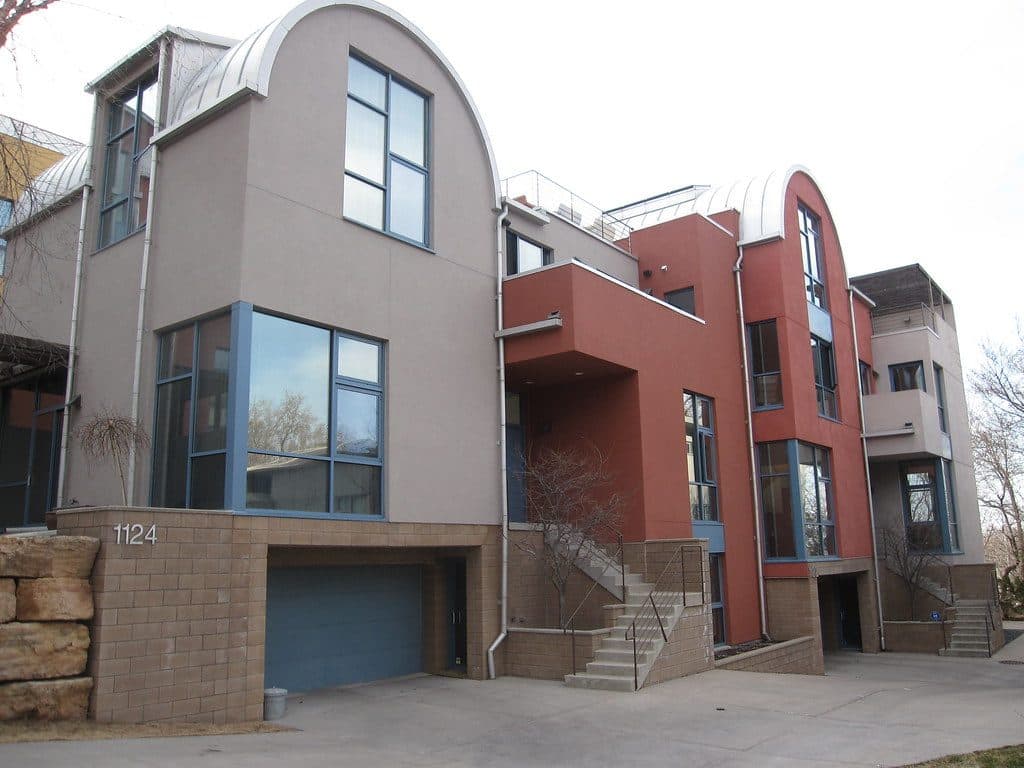
Lowry Hill and East Isles Land on Patch's List of Minnesota's Most Expensive Neighborhoods
Lowry Hill and East Isles rank among Minnesota's most expensive neighborhoods according to Patch's analysis of Niche's 2026 data.
Neighborhood
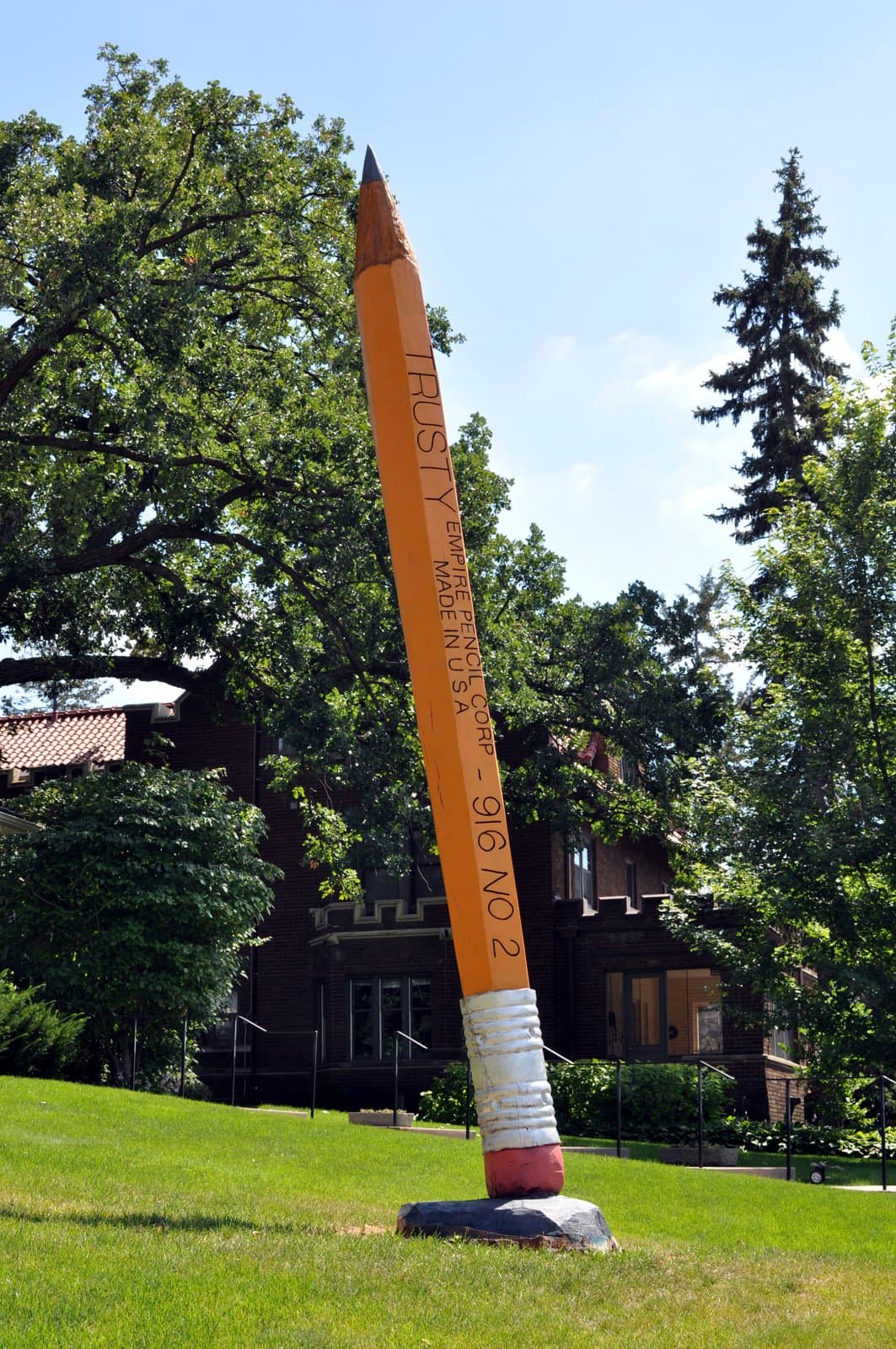
Community celebrates Lake of the Isles Pencil's 5th sharpening
Thousands gathered in East Isles on June 6, 2026, to watch the annual ceremonial sharpening of Minneapolis' giant pencil sculpture.
Neighborhood
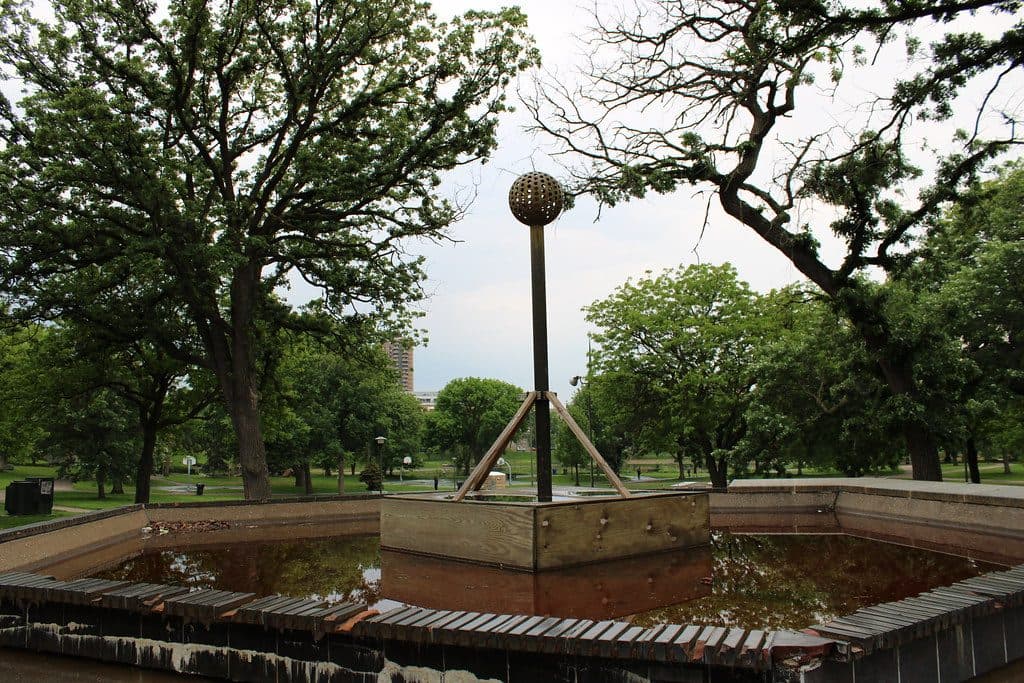
The end is in sight for Loring Park dandelion fountain's drought
State lawmakers approved $1.8 million for Berger Fountain repairs, and Park Board crews have begun demolition at the dry Loring Park landmark.
The neighborhood, in your inbox
Free. No paywall. Pick the topics you want — we send what’s happening this week.