NeighborhoodLowry Hill
Mount Curve Condominiums and Midcentury Living on the Hill
The Mount Curve Condominiums at 1770 Bryant Ave. S., a four-story, 68-unit building finished in 1968, brought owner-occupied apartment living to a Lowry Hill block defined by turn-of-the-century mansions.
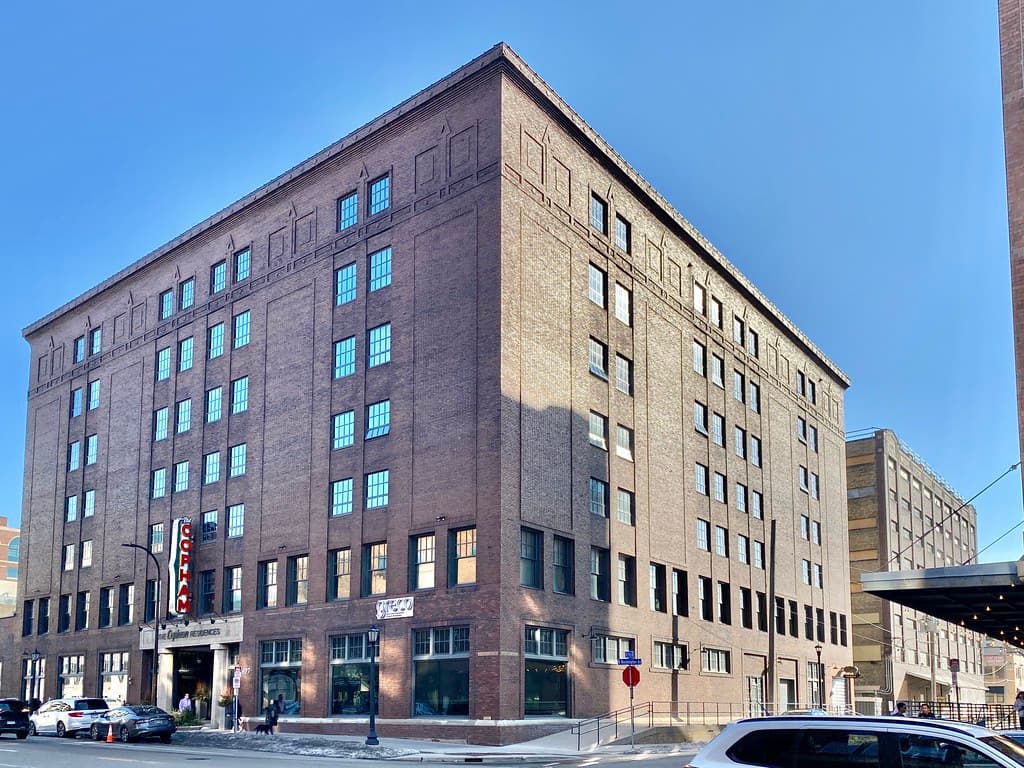
Its units run from 519 to about 1,177 square feet and recently listed between roughly $139,000 and $182,500 -- a Lowry Hill address without a century-old estate to maintain. The brick building's plain, functional lines read as a deliberate late-1960s break from the Renaissance Revival and Colonial Revival houses nearby. Heated underground parking and a shared patio were part of the pitch.
It faces Thomas Lowry Park, and that park's own history shows multifamily housing was contested here long before 2026. In 1922, developer John Friedman proposed a $2 million hotel-and-apartment complex on the triangle; Lowry Hill residents led by Albert C. Loring turned to the Minneapolis park board, which voted unanimously on Nov. 4, 1922, to acquire the land and block the project. The park, like the hill and its central street, is named for streetcar magnate Thomas Lowry, who built his own mansion on the high ground.
The 1968 condominium is a reminder that Lowry Hill's housing has never been only detached mansions, which complicates the tidy contrast between the mansion district and the denser Wedge across Hennepin Avenue. That history is worth keeping in view as Minneapolis pushes for more housing in established neighborhoods under the city's 2040 plan. The current argument on the hill is over how much added density and in what form -- not whether multifamily housing belongs at all. A 68-unit building across from the park is evidence that it has belonged for nearly 60 years.
NeighborhoodLowry Hill
Related stories
Neighborhood
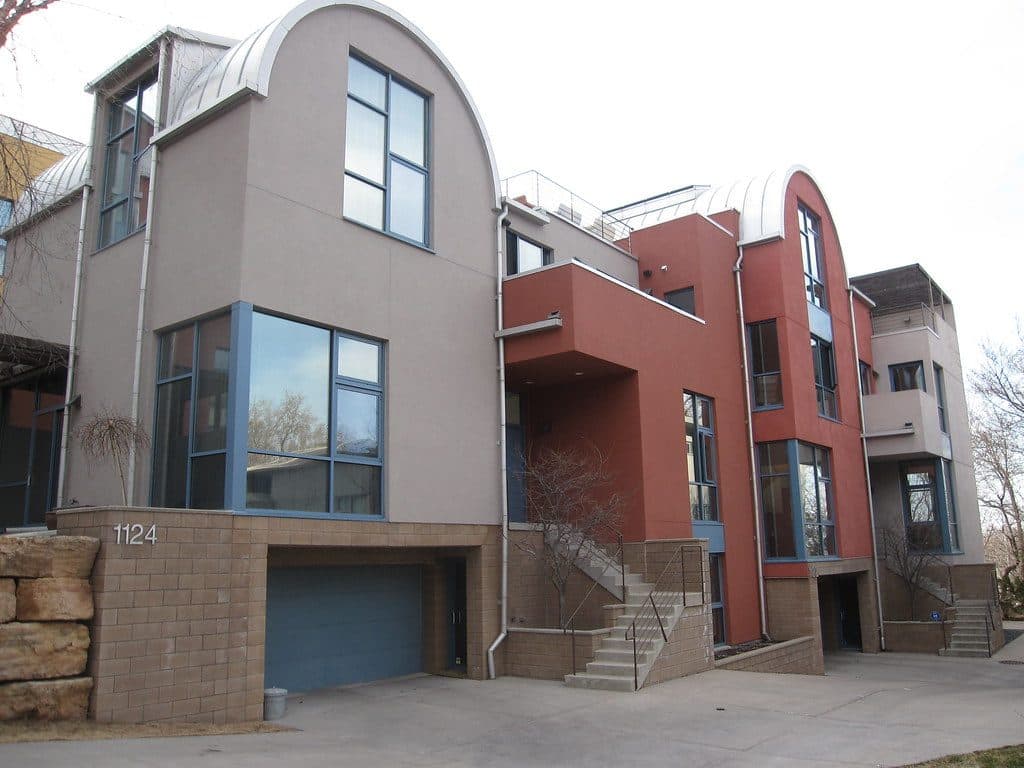
Lowry Hill and East Isles Land on Patch's List of Minnesota's Most Expensive Neighborhoods
Lowry Hill and East Isles rank among Minnesota's most expensive neighborhoods according to Patch's analysis of Niche's 2026 data.
Neighborhood
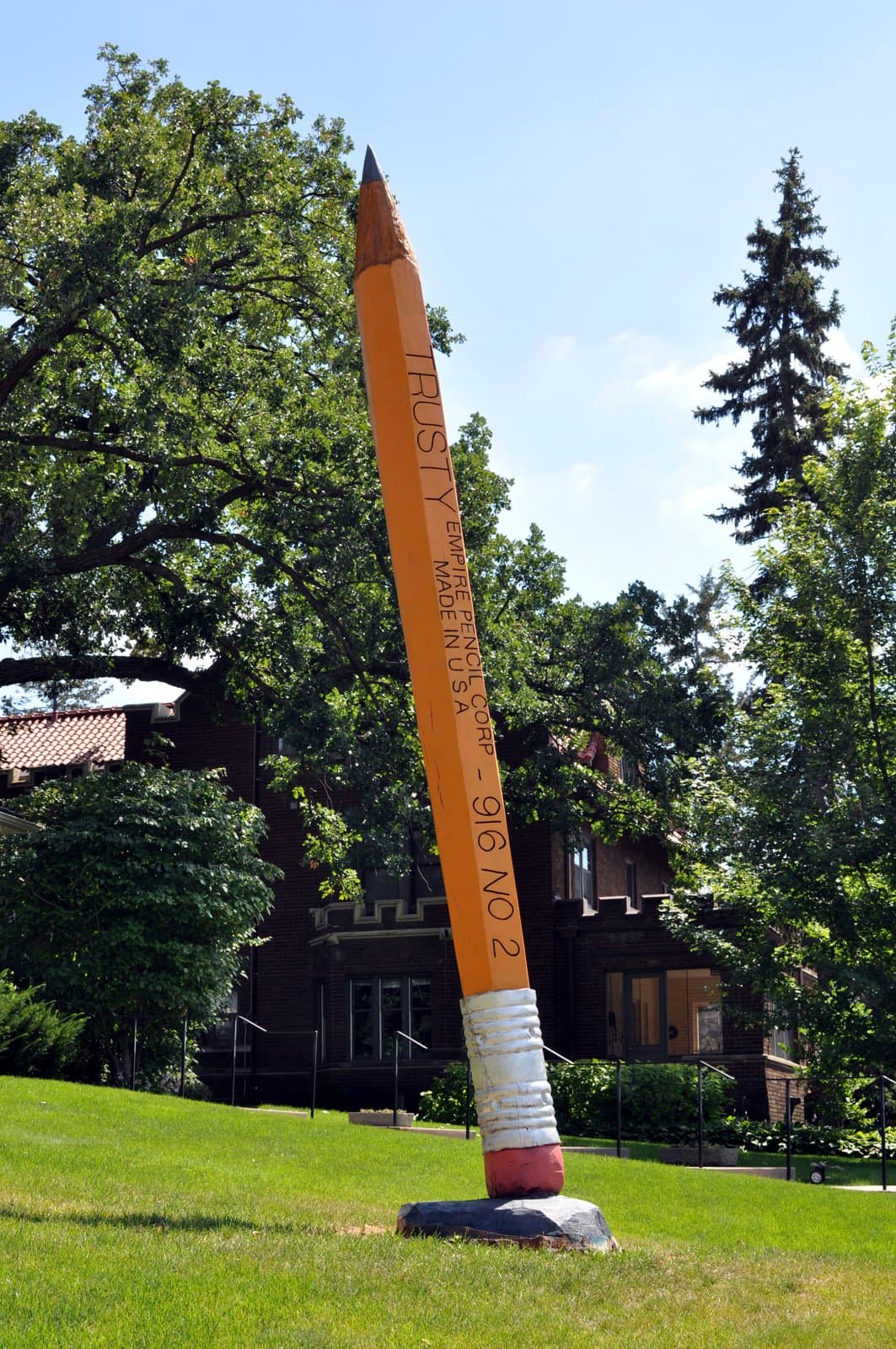
Community celebrates Lake of the Isles Pencil's 5th sharpening
Thousands gathered in East Isles on June 6, 2026, to watch the annual ceremonial sharpening of Minneapolis' giant pencil sculpture.
Neighborhood
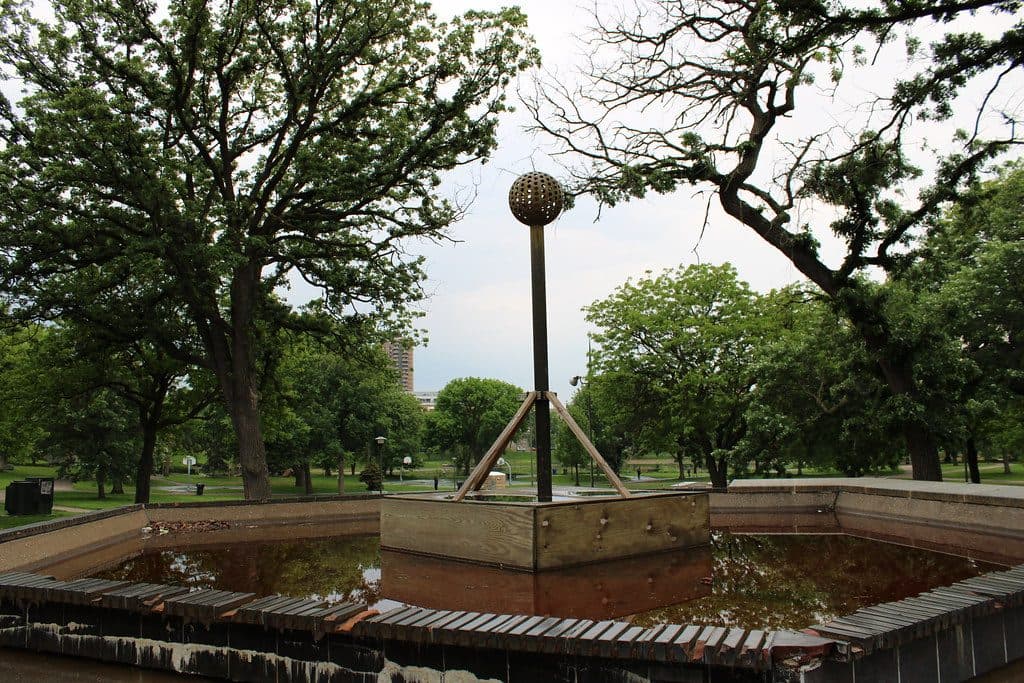
The end is in sight for Loring Park dandelion fountain's drought
State lawmakers approved $1.8 million for Berger Fountain repairs, and Park Board crews have begun demolition at the dry Loring Park landmark.
The neighborhood, in your inbox
Free. No paywall. Pick the topics you want — we send what’s happening this week.