NeighborhoodLowry Hill East (The Wedge)Greater Uptown & Nearby
The Wedge Eyes a Shuttered Brewpub for Affordable Housing
A neighborhood association in the Wedge has explored building affordable housing on a vacant commercial site along a busy corridor.
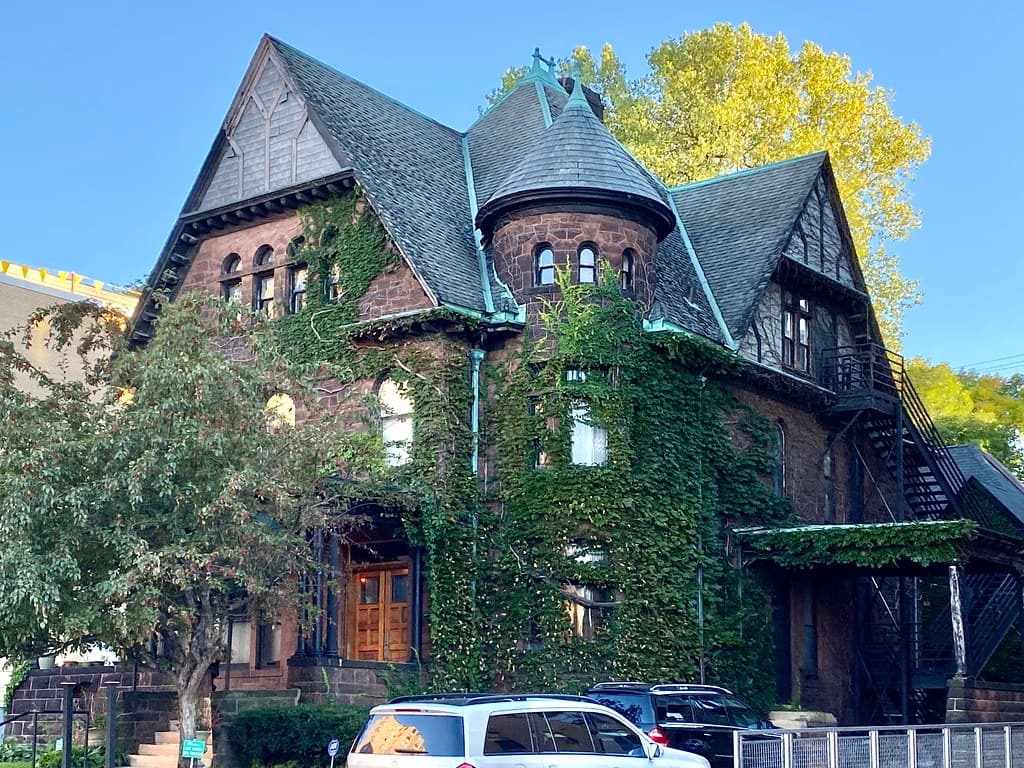
The Lowry Hill East Neighborhood Association has eyed the site of a shuttered brewpub to bring affordable housing to a bustling commercial corridor in south Minneapolis, studying whether the long-vacant parcel could be turned into income-restricted housing rather than left to the market alone. Most neighborhood associations confine themselves to advocacy, events and review of other people's projects, so stepping toward actually building housing puts the Wedge in rarer company among neighborhood organizations.
The move reflects both the acute demand for affordable units along the Lyndale and Hennepin corridors and a willingness in the Wedge to act on its own development vision. In a dense, renter-heavy neighborhood where housing costs keep climbing, the association has treated the supply and affordability of homes as a neighborhood resource to be stewarded, not just an outcome to be commented on. LHENA has since published a development vision document laying out how and where it would like to see growth happen, a framework meant to guide both the association and outside developers.
The Wedge already carries some of the highest residential density in Minneapolis, a pattern that began in the streetcar era and never stopped, with a long history of apartment living layered over its older houses. Adding income-restricted units on an underused corridor parcel, supporters argue, keeps the neighborhood economically mixed even as new market-rate buildings rise around it.
Skeptics raise the practical questions any small nonprofit faces in development — financing, construction management and long-term operation are demanding even for seasoned developers, let alone a volunteer board — and those questions are real. But by studying a site seriously, the association sharpens its understanding of what affordable housing on a Wedge parcel would actually require, knowledge it can bring to bear on the market-rate projects it will inevitably be asked to weigh in on.
NeighborhoodLowry Hill East (The Wedge)Greater Uptown & Nearby
Related stories
Neighborhood
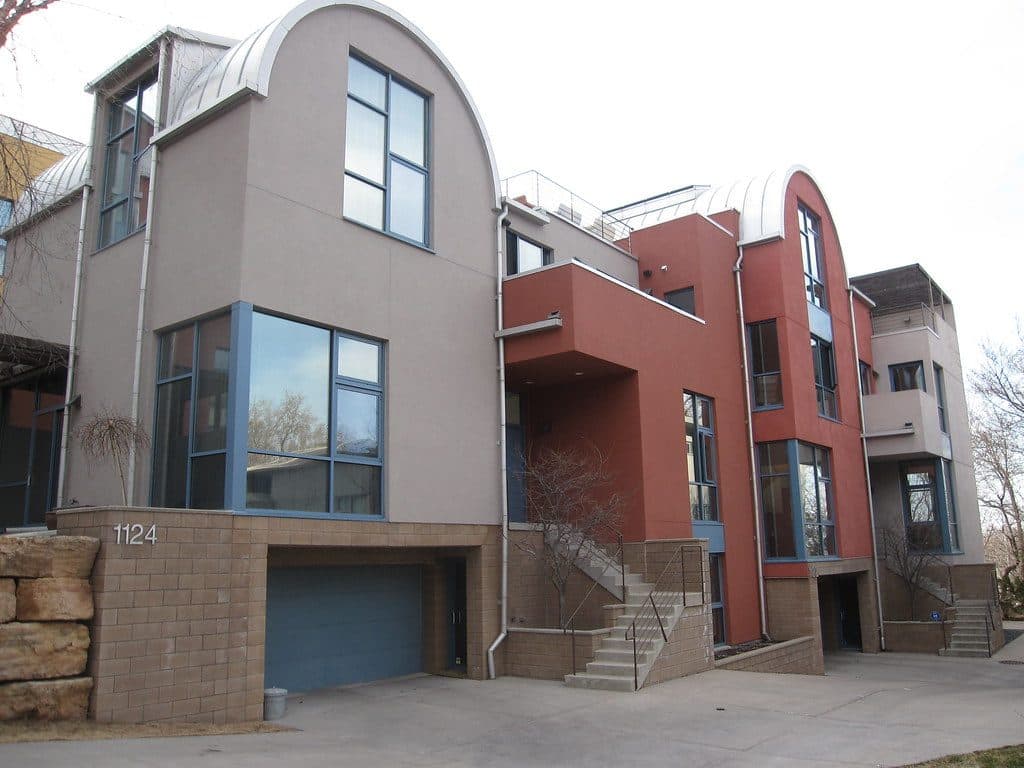
Lowry Hill and East Isles Land on Patch's List of Minnesota's Most Expensive Neighborhoods
Lowry Hill and East Isles rank among Minnesota's most expensive neighborhoods according to Patch's analysis of Niche's 2026 data.
Neighborhood
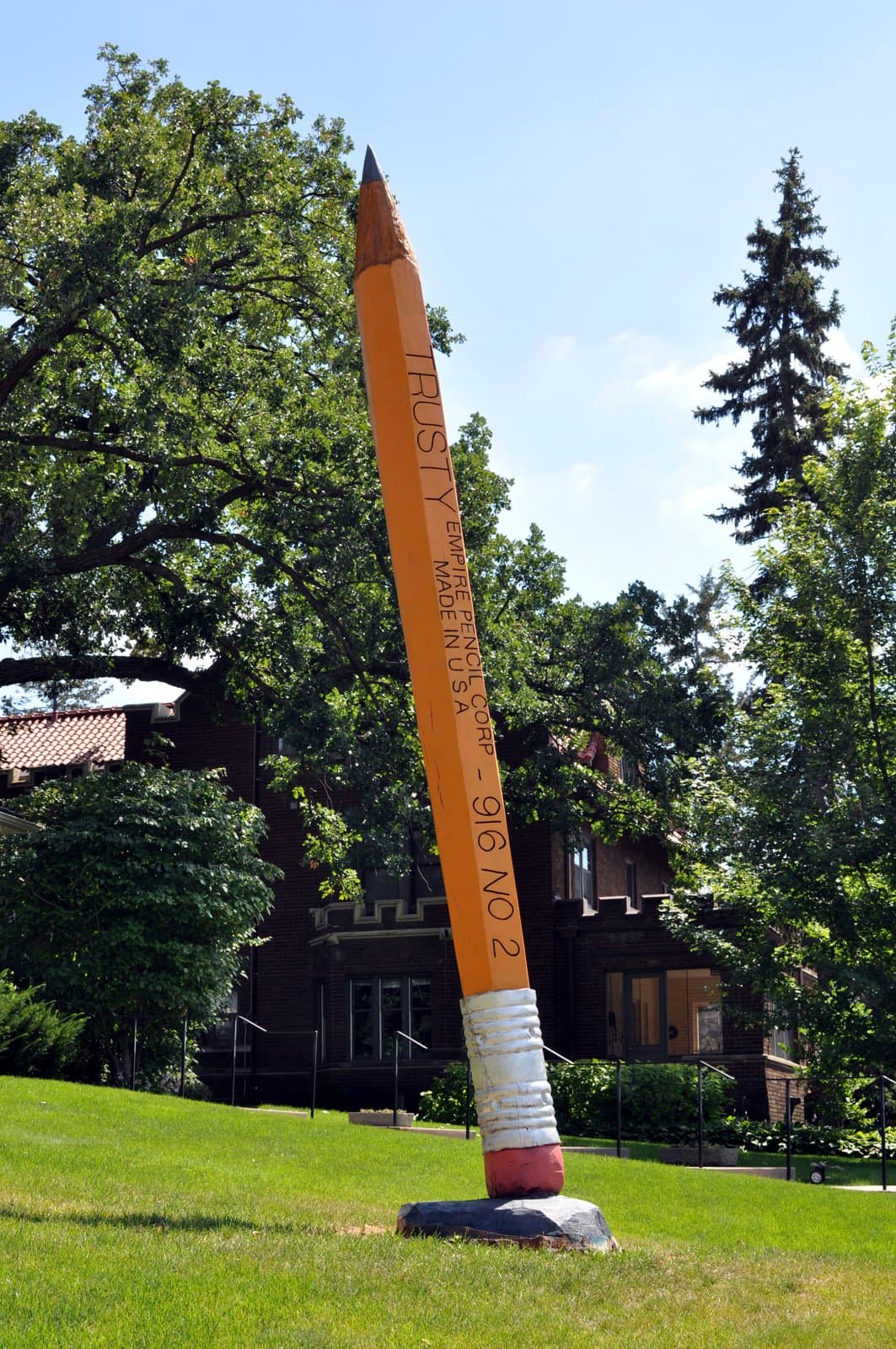
Community celebrates Lake of the Isles Pencil's 5th sharpening
Thousands gathered in East Isles on June 6, 2026, to watch the annual ceremonial sharpening of Minneapolis' giant pencil sculpture.
Neighborhood
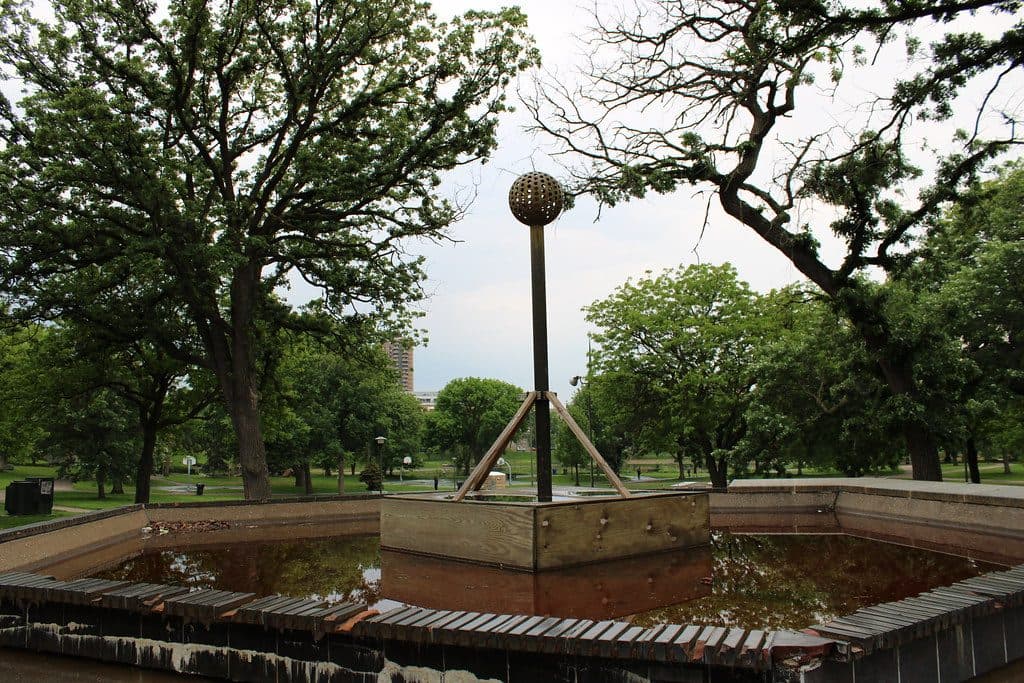
The end is in sight for Loring Park dandelion fountain's drought
State lawmakers approved $1.8 million for Berger Fountain repairs, and Park Board crews have begun demolition at the dry Loring Park landmark.
The neighborhood, in your inbox
Free. No paywall. Pick the topics you want — we send what’s happening this week.