NeighborhoodLowry HillLake of the Isles
Why Lowry Hill Tops the City's Most-Upscale Lists
Lowry Hill's standing as one of Minneapolis's costliest neighborhoods traces to a streetcar-era boom that filled the ridge with mansions, most of which still stand.
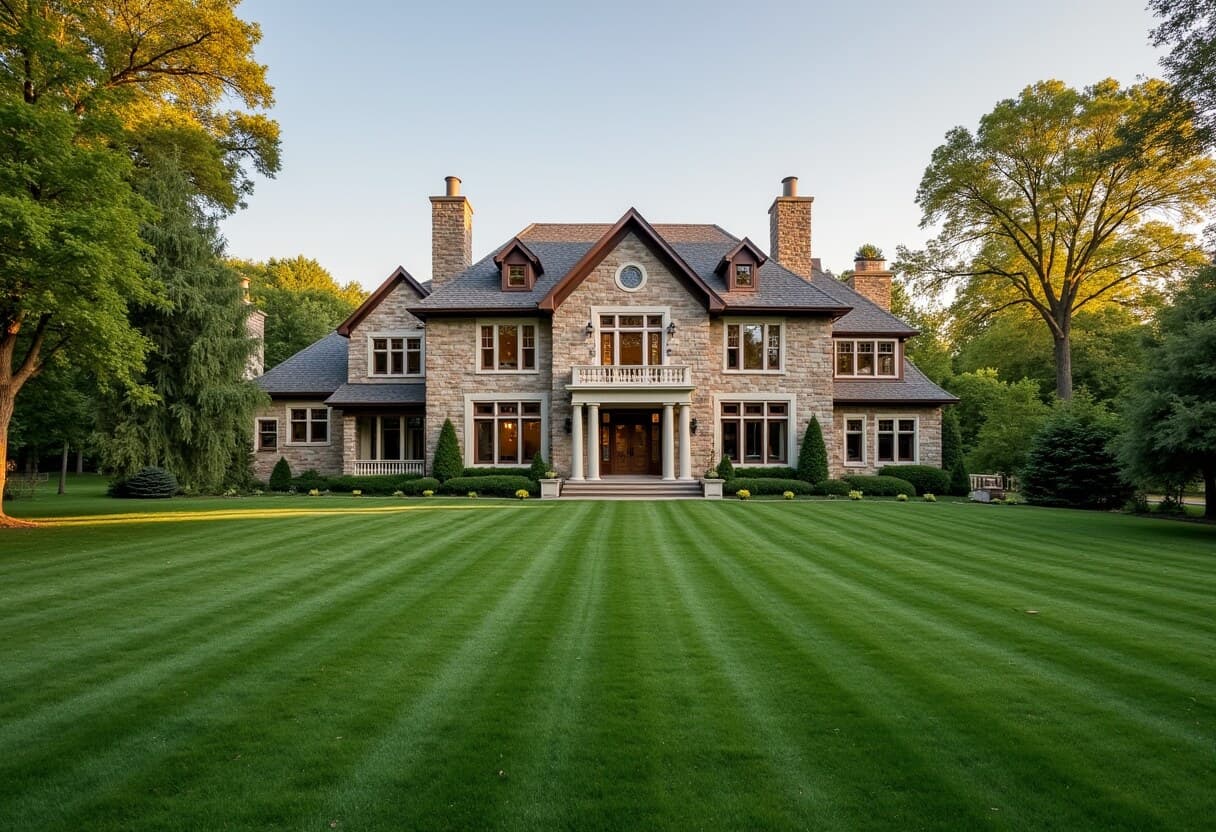
By 1906, lots on Mount Curve Avenue and Groveland Terrace held some of the most expensive houses in Minneapolis, according to the Lowry Hill Neighborhood Association's history. The concentration was not accidental. Thomas Lowry, who built the Twin Cities streetcar system, and his father-in-law Calvin Goodrich platted the 75-block Groveland Addition in 1872 and intended the upland portion as an exclusive enclave for the city's lumber, milling and merchant families.
The boom followed the rails. In the 1890s, the extension of the electric streetcar along Hennepin Avenue and west along Douglas Avenue set off a real estate rush, and the characteristic streetscape of broad lawns, boulevard trees and well-spaced houses had largely taken shape by 1900. Most of the district was built out between 1893 and 1916 in period-revival styles of brick and stone.
What distinguishes Lowry Hill from other affluent areas is how little of that stock has been lost. The Charles J. Martin House at 1300 Mount Curve Avenue, completed in 1904, is on the National Register of Historic Places and stands as a surviving example of the "city estates" the neighborhood specialized in. Block after block of early-1900s houses remain intact, a continuity that explains the neighborhood's persistent place on lists of the city's wealthiest addresses.
The setting reinforces the prices. The neighborhood sits between Lake of the Isles, the Walker Art Center's Minneapolis Sculpture Garden and downtown, ringed by freeways that route traffic around rather than through it. The result is a quiet, intact district where the cost of a house reflects both its original grandeur and more than a century of upkeep.
NeighborhoodLowry HillLake of the Isles
Related stories
Neighborhood
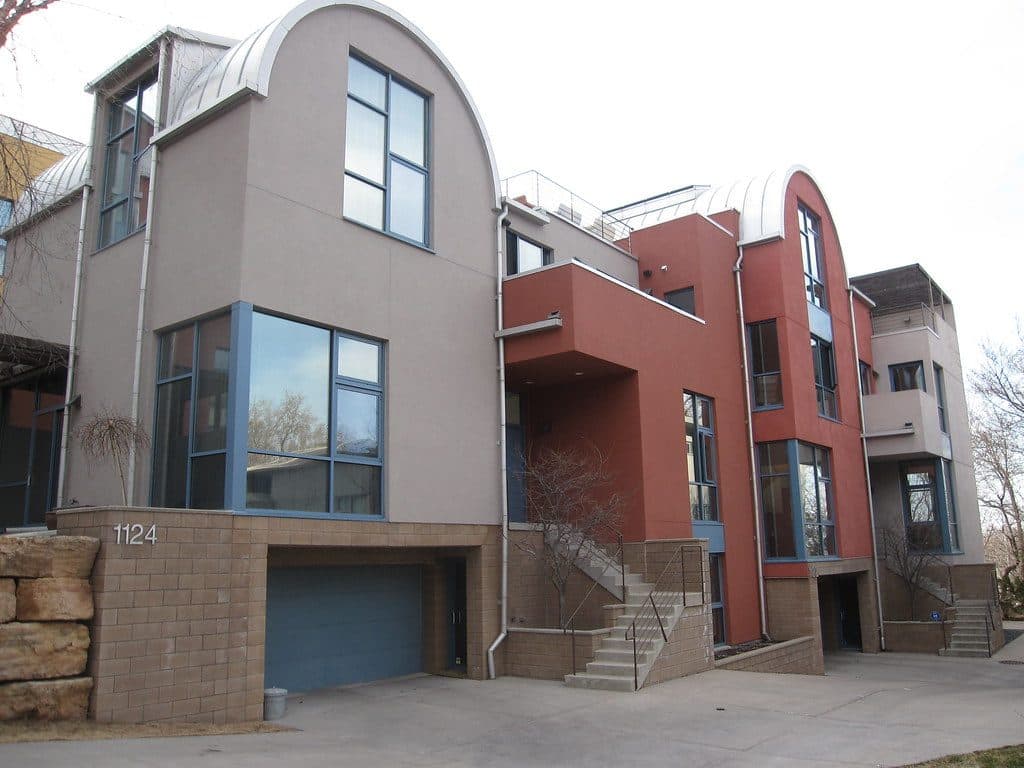
Lowry Hill and East Isles Land on Patch's List of Minnesota's Most Expensive Neighborhoods
Lowry Hill and East Isles rank among Minnesota's most expensive neighborhoods according to Patch's analysis of Niche's 2026 data.
Neighborhood
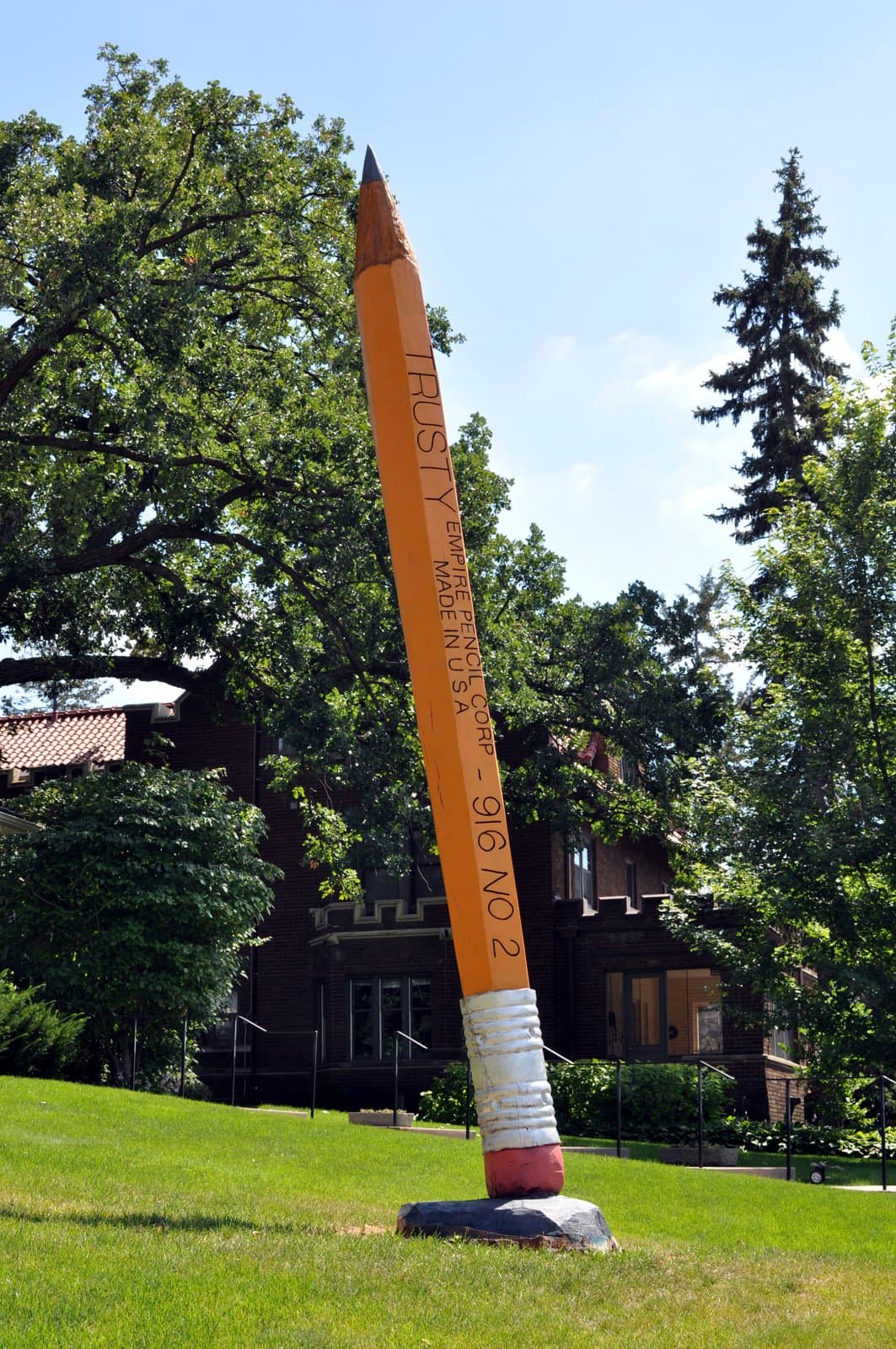
Community celebrates Lake of the Isles Pencil's 5th sharpening
Thousands gathered in East Isles on June 6, 2026, to watch the annual ceremonial sharpening of Minneapolis' giant pencil sculpture.
Neighborhood
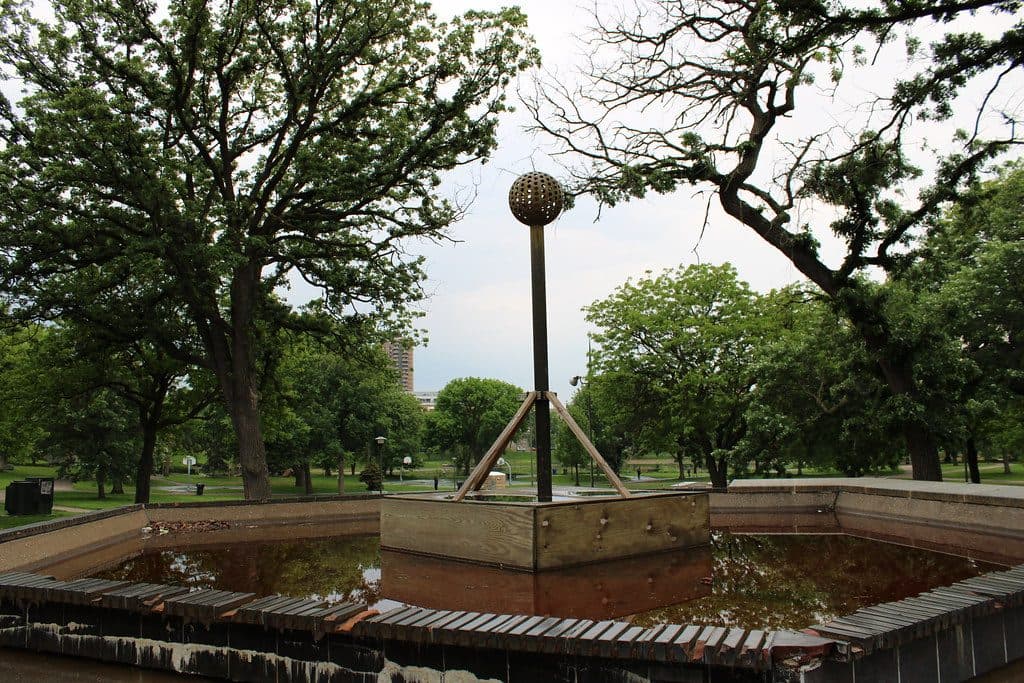
The end is in sight for Loring Park dandelion fountain's drought
State lawmakers approved $1.8 million for Berger Fountain repairs, and Park Board crews have begun demolition at the dry Loring Park landmark.
The neighborhood, in your inbox
Free. No paywall. Pick the topics you want — we send what’s happening this week.