NeighborhoodLowry Hill East (The Wedge)
What the Wedge Means by 'Equitable Sharing of Resources'
LHENA's mission commits it to "the equitable sharing of resources" in one of the city's densest, most renter-heavy neighborhoods.

The Lowry Hill East Neighborhood Association, the city-recognized group for the Wedge, states that its mission is to provide a structure for neighborhood leadership and participation, to facilitate the equitable sharing of resources, and to advance a vision for the neighborhood. It describes its goal as making the Wedge a more progressive, sustainable, attractive, safe and civically engaged place to live.
The middle clause is the one worth pausing on. In a neighborhood where renters far outnumber owners, "resources" means housing, public space and a voice in what gets built, and calling their sharing "equitable" commits the association to weighing the needs of renters and lower-income residents alongside those of longtime homeowners.
The commitment shows up most concretely in the Wedge Neighborhood Food Share, a volunteer-run program now in its fifth year that distributes free groceries to more than 100 households a month from SpringHouse Ministries. The association says the food share served more than 8,000 individuals over the past year, and it has fundraised to keep the program going.
LHENA is governed by a volunteer board of 11 community members, with most of the work done in committees. Putting a value in the mission statement gives neighbors a standard to measure the association against, which they can press at its meetings: whether a given decision actually spreads benefit across the neighborhood or concentrates it.
NeighborhoodLowry Hill East (The Wedge)
Related stories
Neighborhood
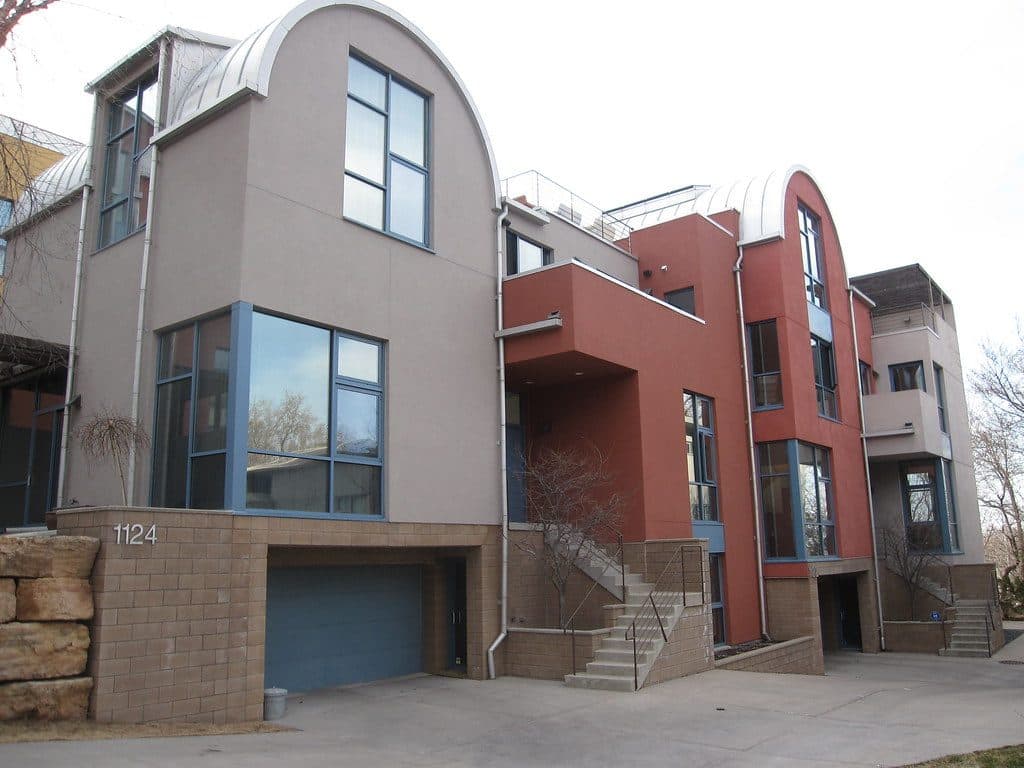
Lowry Hill and East Isles Land on Patch's List of Minnesota's Most Expensive Neighborhoods
Lowry Hill and East Isles rank among Minnesota's most expensive neighborhoods according to Patch's analysis of Niche's 2026 data.
Neighborhood
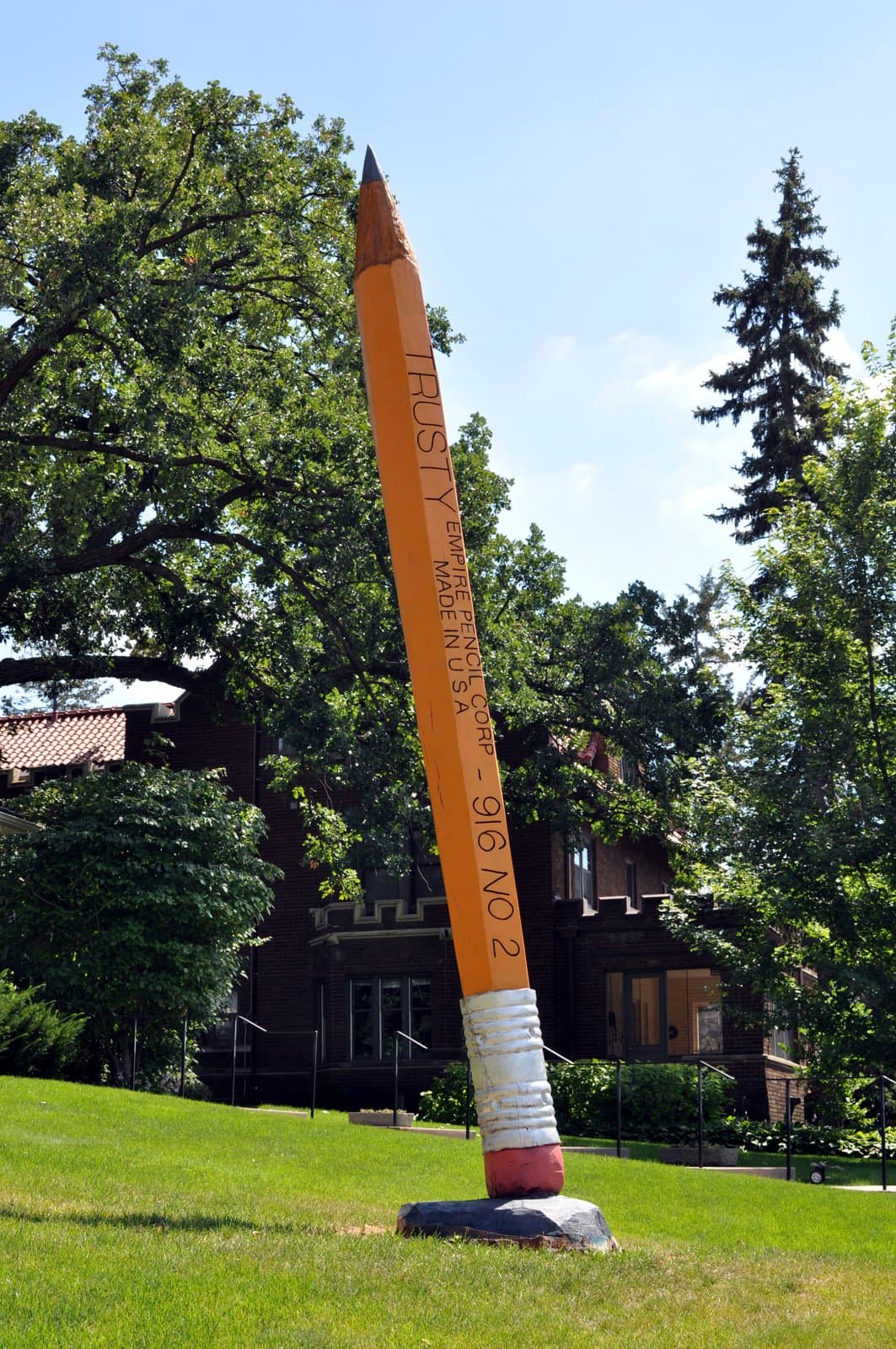
Community celebrates Lake of the Isles Pencil's 5th sharpening
Thousands gathered in East Isles on June 6, 2026, to watch the annual ceremonial sharpening of Minneapolis' giant pencil sculpture.
Neighborhood
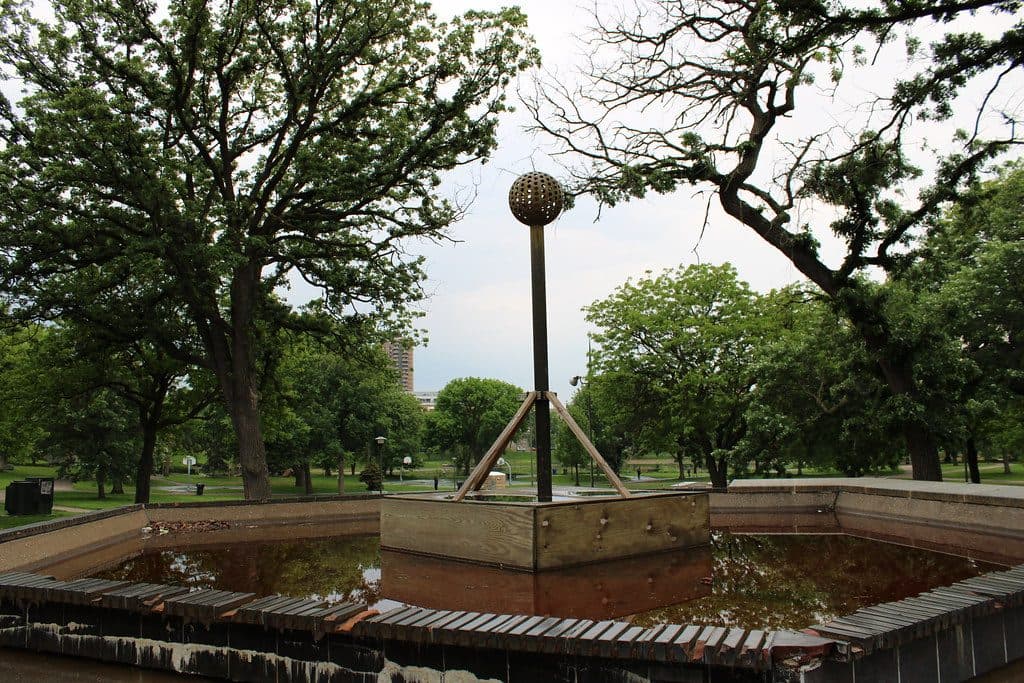
The end is in sight for Loring Park dandelion fountain's drought
State lawmakers approved $1.8 million for Berger Fountain repairs, and Park Board crews have begun demolition at the dry Loring Park landmark.
The neighborhood, in your inbox
Free. No paywall. Pick the topics you want — we send what’s happening this week.