OpinionLowry HillLowry Hill East (The Wedge)East IslesLake of the Isles
Letter: Keep the Lakes in the Conversation
A resident urges that the health of the lakes stay a standing item on neighborhood agendas, not an afterthought once school budgets and development are settled.
To the editor:
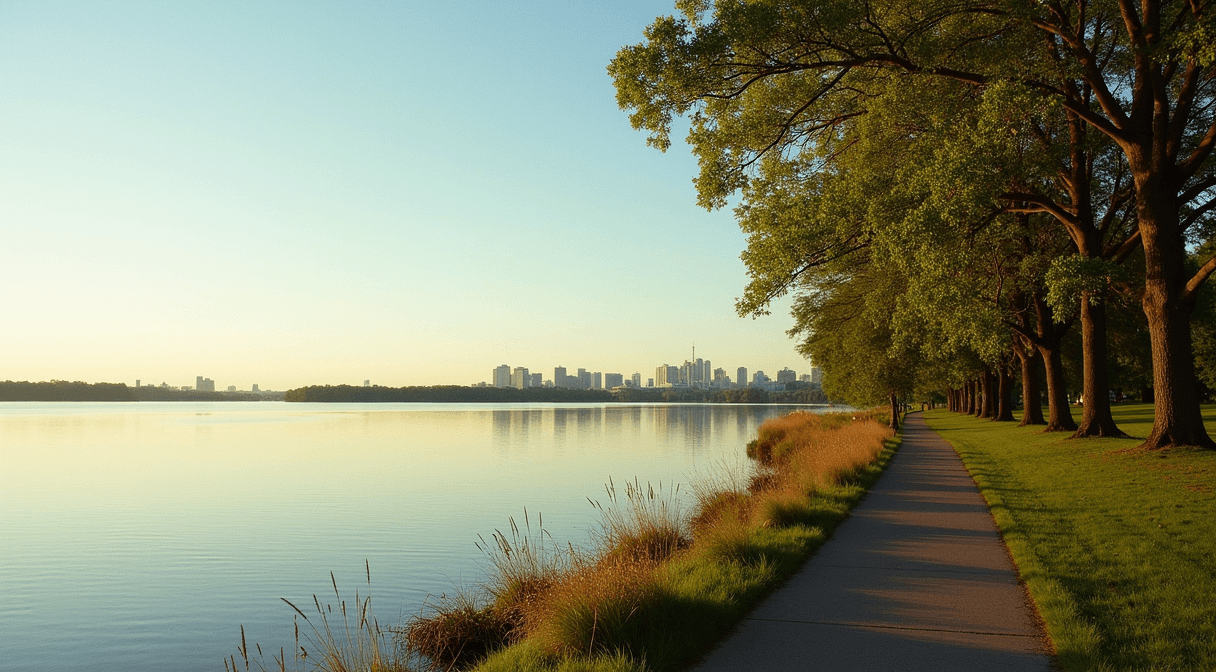
Amid debates over school budgets and development proposals, it is easy to forget the feature that drew so many of us to these neighborhoods in the first place. The lakes are the reason most of us are here, yet they surface in our civic conversations mostly as an afterthought, and that is a mistake we can correct.
I do not say this to diminish the other matters that fill our meetings. School funding is urgent and development is consequential. But the chain underlies everything we value about living here, and the hill drains straight to it.
The water quality of Bde Maka Ska and the rest of the Chain of Lakes declined for more than a century, polluted first by 19th-century agriculture and then by 20th-century storm sewers that send street runoff — salt, sediment, lawn chemicals — toward the shoreline. The recovery is real and recent: in 2025 all four lakes in the chain, Cedar, Lake of the Isles, Bde Maka Ska and Lake Harriet, were graded "C," a mark the Star Tribune called a triumph of environmental restoration for lakes that collect runoff from tens of thousands of homes and some of the busiest roads in the state. That came from work most residents never see: alum treatments that bind phosphorus and sink it to the lakebed, leaving the water clearer in all four lakes by 2003, and three excavated ponds near Bde Maka Ska's southwest shore that let nutrient-laden water settle before it reaches the lake.
Residents have a direct role. The city's free Adopt-a-Drain program lets a neighbor claim a storm drain and keep leaves, salt and trash from washing into the lakes, a 15-minute job a couple of times a month. The East Isles Neighborhood Association organizes shoreline cleanups along Bde Maka Ska. Those efforts only go so far if the rest of our decisions ignore what they send downstream.
I would ask the neighborhood associations to keep the lakes explicitly on the agenda. When a development comes up, ask what it sends downstream. When the budget is set, ask what it funds along the shore. The hill drains to the water. Let us act like we know it.
A Lowry Hill resident
OpinionLowry HillLowry Hill East (The Wedge)East IslesLake of the Isles
Related stories

Opinion
Opinion: Practical Local Pages Deserve the Front Page
A neighborhood site earns trust when its calendar, directory and public-safety basics are easy to find every day.

Opinion
Letter: A Thank-You to the Hill's Quiet Institutions
A longtime resident thanks Kenwood Community School, the Lowry Hill Neighborhood Association and the neighborhood's volunteers.
Opinion
The Case for Treating the Walker as a Public Square
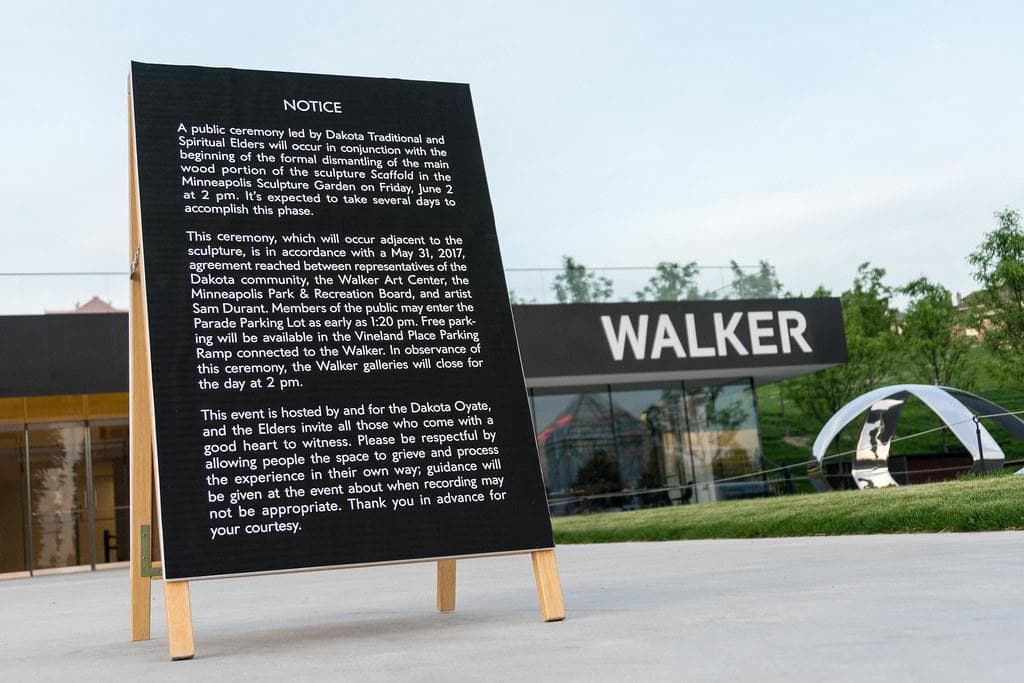
Opinion: The Walker Art Center gives away enough access — a free, year-round sculpture garden and regular no-cost gallery hours — that Lowry Hill can reasonably treat it as shared civic space, not an occasional splurge.
The neighborhood, in your inbox
Free. No paywall. Pick the topics you want — we send what’s happening this week.