OpinionLowry HillKenwood
Letter: A Thank-You to the Hill's Quiet Institutions
A longtime resident thanks Kenwood Community School, the Lowry Hill Neighborhood Association and the neighborhood's volunteers.
To the editor: After many years on this hill, I have come to believe that a neighborhood is held together less by its houses, however grand, than by its institutions, however modest. I want to thank ours.
The houses get the attention. People come to Lowry Hill for the architecture and the lakes, and I understand why, because I came for them too. But the longer I have lived here, the more clearly I have seen that what makes this a community is not the mansions but the institutions that quietly hold the people inside them together.
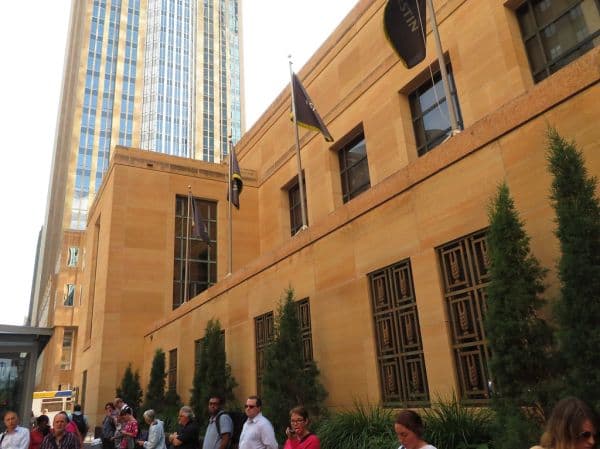
Thank you to Kenwood Community School, which has folded generations of children into its 1908 building at 2013 Penn Ave. S. Under principal Heidi Johnson and its "Smarts + Arts" approach, the school runs PTA-sponsored arts residencies at every grade level. Its roughly 390 students are a small number against more than a century of operation, but a neighborhood school is a promise across time — that the children of a place will be educated together — and Kenwood has kept that promise through a changing city.
Thank you to the Lowry Hill Neighborhood Association, one of the oldest in Minneapolis, whose Zoning and Planning committee weighs development proposals and steers neighbors to the city's public comment process. It is the association that shows up to the meetings no one else attends, year after year, with little recognition.
Thank you to the volunteers — the drain adopters, the room parents, the Food Share crews and the event organizers — whose unpaid hours hold the whole arrangement together. You are the reason this feels like a community and not merely a zip code, and you do it, almost all of you, without expecting to be named in a letter like this one.
I single these out knowing the list is longer: the crossing guards and clergy and committee members I have surely overlooked. The point is not to be comprehensive; it is to insist that the contributions exist and deserve naming before their absence forces us to notice them.
I do not know what the next decade will bring, between school-budget pressures and a changing city. Institutions that have endured for generations can still falter if the people who sustain them tire or move on. But as long as these institutions and those people endure, the neighborhood will too. The houses will stand regardless. Whether this remains a community rather than an address depends on the modest institutions I have tried to thank, and on whether the next generation decides, as I once did, that they are worth the trouble.
OpinionLowry HillKenwood
Related stories
Opinion
Opinion: Practical Local Pages Deserve the Front Page
A neighborhood site earns trust when its calendar, directory and public-safety basics are easy to find every day.

Opinion
Letter: Keep the Lakes in the Conversation
A resident urges that the health of the lakes stay a standing item on neighborhood agendas, not an afterthought once school budgets and development are settled.
Opinion
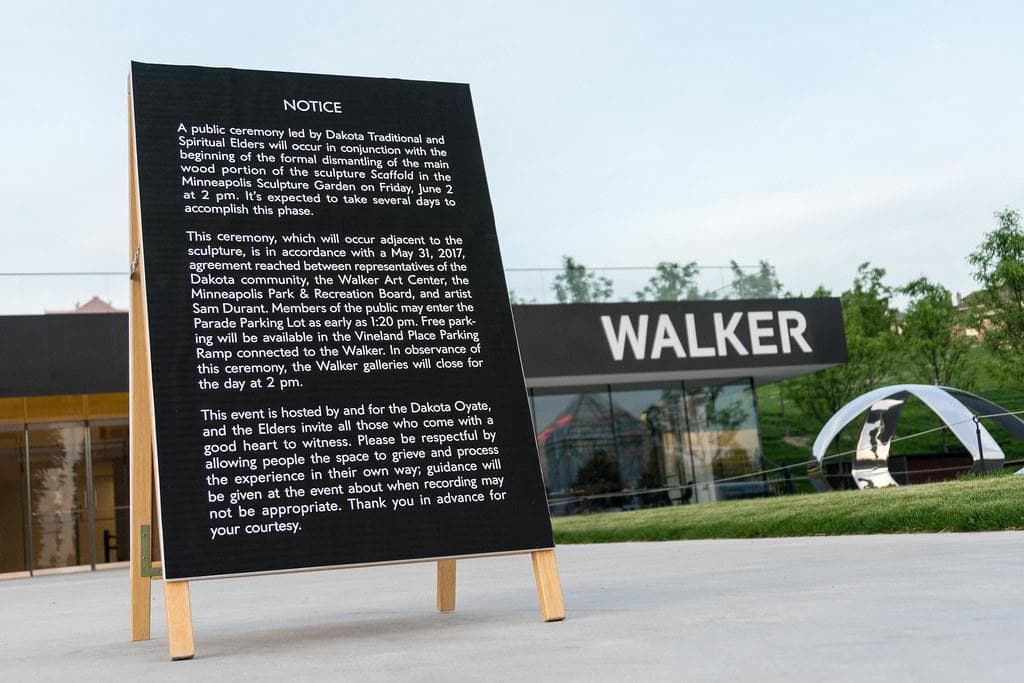
The Case for Treating the Walker as a Public Square
Opinion: The Walker Art Center gives away enough access — a free, year-round sculpture garden and regular no-cost gallery hours — that Lowry Hill can reasonably treat it as shared civic space, not an occasional splurge.
The neighborhood, in your inbox
Free. No paywall. Pick the topics you want — we send what’s happening this week.