CityLowry HillLowry Hill East (The Wedge)East IslesCedar-Isles-DeanBryn Mawr
Council Adopts 2025 Mapping 'Housekeeping' Amendment, Tidying the Zoning Map
The Minneapolis City Council adopted the 2025 Mapping Housekeeping Amendment on Sept. 11, correcting zoning-map errors catalogued after the 2040 plan took effect.
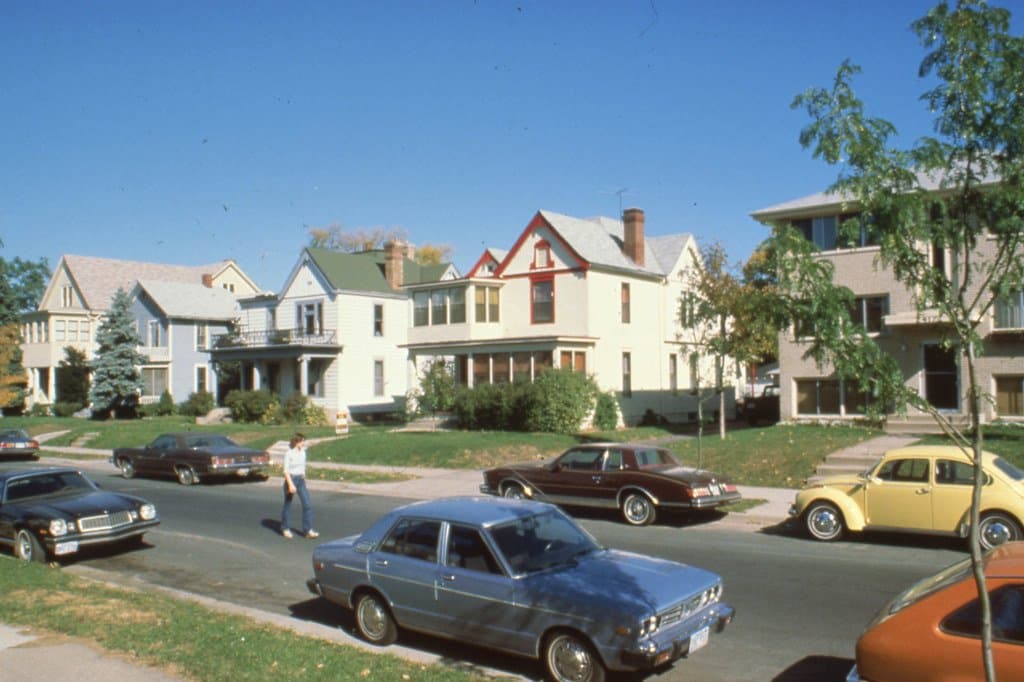
The Minneapolis City Council adopted the 2025 Mapping Housekeeping Amendment on Sept. 11, 2025, a routine but consequential cleanup of the city's comprehensive-plan and zoning maps. The amendment corrects errors, aligns the official map with already-adopted policy, and resolves small inconsistencies catalogued after the 2040 Comprehensive Plan and the Built Form and Land Use rezoning studies took effect.
City planning staff grouped the corrections into four main categories: commercial uses that conflicted with Urban Neighborhood zoning guidance, parcels left with split zoning after property combinations, places where the zoning did not match comprehensive-plan guidance, and other one-off situations staff identified. The city was explicit that the work was not meant to create or reinterpret policy, only to ensure that adopted policy had been applied correctly and consistently.
Because the changes are technical and corrective rather than substantive, they moved through the City Planning Commission and the council with less controversy than a rezoning that would change what a neighborhood allows. Staff brought recommendations to the Planning Commission in spring 2025, and the proposed map changes also required review by the Metropolitan Council before taking effect.
These amendments tend to recur. As the city processes permits and applications, it finds more inconsistencies, which are gathered into the next cleanup ordinance. It is ongoing maintenance of a complex legal document rather than a one-time fix.
For most residents of Lowry Hill, the Wedge and the lakes neighborhoods, the amendment changes nothing they will notice. Its effect lands on the few whose parcels were mislabeled. For an owner whose parcel carried an error, a correction can be the difference between a permit that is approved and one held up for months, which is why an accurate map protects residents and developers alike.
Residents can look up the zoning of any parcel through the city's online zoning and property tools on minneapolismn.gov and review proposed map amendments through the City Planning Commission's agendas, which are posted before each meeting. Anyone who believes a parcel is mislabeled can raise it with the city's planning department, ideally before the next cleanup ordinance is assembled, since catching an error early is easier than untangling one after a permit dispute.
CityLowry HillLowry Hill East (The Wedge)East IslesCedar-Isles-DeanBryn Mawr
Related stories
City
Parkway, intersection and pedestrian ramp improvements begin at Lake Harriet this year
Work to resurface Lake Harriet Parkway and improve the William Berry Parkway intersection will occur in phases starting in 2026.
City
Minneapolis Park and Recreation Board working on repairs at Northeast Ice Arena with goal of reopening in the fall
Minneapolis Park and Recreation Board plans to repair Northeast Ice Arena with a goal of reopening for the ice season this fall.

City
Algae at Minneapolis Lakes
The Minneapolis Park & Recreation Board issued an announcement about algae growth at city lakes following recent high temperatures.
The neighborhood, in your inbox
Free. No paywall. Pick the topics you want — we send what’s happening this week.