CityLowry HillLowry Hill East (The Wedge)East IslesCedar-Isles-DeanBryn MawrLake of the IslesGreater Uptown & Nearby
The 2040 Plan Lawsuit Ends, Clearing the Way for More Housing
After years of litigation, courts allowed the city's comprehensive plan to proceed.
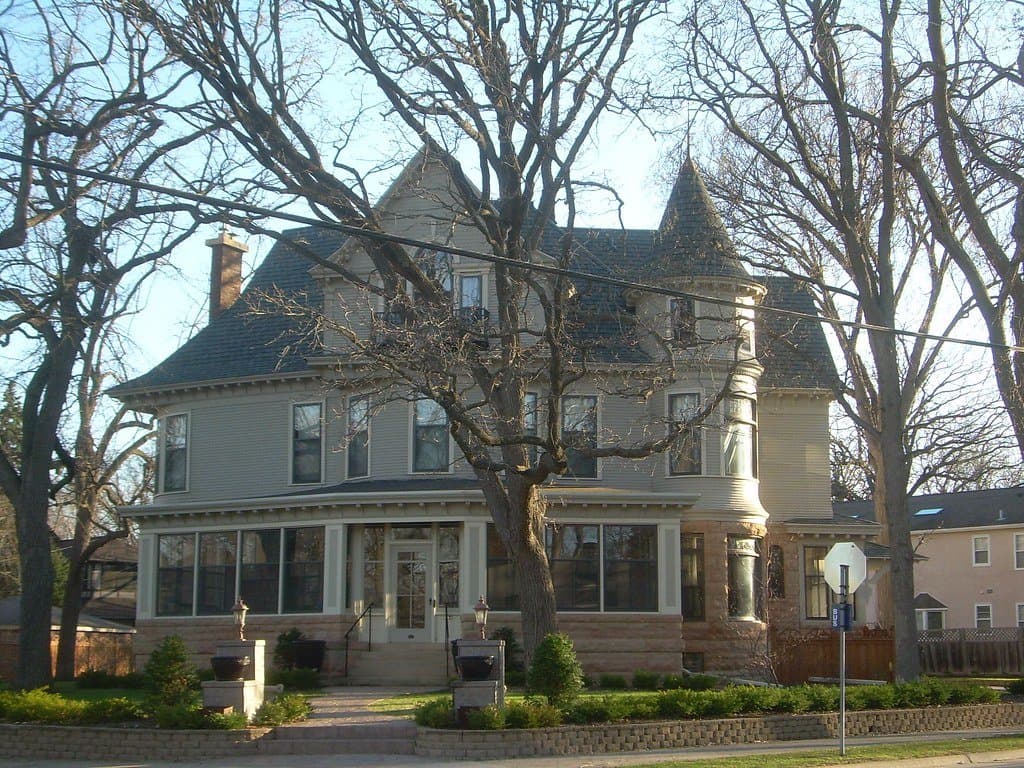
The lawsuit winds down
The long legal fight over the Minneapolis 2040 Comprehensive Plan — the policy that ended single-family-only zoning citywide — wound down in the city's favor, clearing the way for the denser housing the plan envisioned. After years of litigation under the Minnesota Environmental Rights Act, the path was cleared for the plan to be enforced.
For neighborhoods like the Wedge, Lowry Hill and the lakes areas, the resolution removed a cloud of uncertainty that had hung over development for years. The 2040 Plan had made Minneapolis a national test case for whether a city could legally and durably open its residential land to more housing; the end of the litigation answered that question in the affirmative.
How the case unfolded
The 2040 Plan was adopted in December 2018, making Minneapolis the first major U.S. city to eliminate single-family-only zoning. The move drew national attention as a bold experiment in using land-use policy to address housing affordability and sprawl. But it also drew a determined legal challenge that shadowed the policy for years.
Opponents sued under the Minnesota Environmental Rights Act, known as MERA, and a Hennepin County district court — in a ruling by Judge Joseph Klein — enjoined the plan, ordering the city to halt implementation and revert to its previous comprehensive plan. For a time, one of the country's most-watched housing reforms was frozen by a state court.
The Minnesota Court of Appeals reversed that injunction on May 13, 2024, allowing the city to resume enforcing the plan and its zoning code. The 2024 Legislature then codified a residential-density exemption from MERA, tucked into a larger bill, and the Minnesota Supreme Court later declined to take up the environmental challenge — together effectively ending the threat of continued litigation.
The resolution removed a cloud of uncertainty that had hung over development for years — but the debate over density's local impacts continues.
What it means for the neighborhoods
With the legal uncertainty resolved, the city could once again issue permits for multifamily projects that rely on the plan's density rules. For renter-heavy, fast-changing neighborhoods like the Wedge, that means proposals that had been paused could move forward, and new ones could be filed with confidence in the rules.
It also means the policy framework that allows duplexes, triplexes and small apartment buildings in more places is no longer in legal limbo — a significant shift for how these neighborhoods can grow. For the lakes-and-hill area, which has long mixed grand homes with dense apartments, the settled rules clarify what is possible on residential blocks going forward.
The two sides
Supporters — affordable-housing advocates and many environmentalists favoring dense, transit-served growth over carbon-intensive suburban sprawl — cheered the outcome. To them, the resolution vindicated a policy they saw as both pro-housing and pro-environment, and removed a legal cloud that had chilled construction.
Opponents had argued the plan's environmental effects were never properly studied, a concern the litigation ultimately could not sustain after the legislative fix changed the legal terrain. They saw the outcome as the Legislature stepping in to rescue the city from a loss it had earned in court. The debate over density's local impacts — on infrastructure, neighborhood character and whether the promised affordability materializes — continues even though the lawsuit does not.
What's next
Residents can track development proposals through the City Planning Commission's agendas and the city's permit and zoning tools, and can engage on specific projects through public hearings and their neighborhood associations now that the broader policy is settled.
The shift in venue is the key practical point. With the citywide legal question resolved, the meaningful conversations about growth move down to the level of individual projects and blocks. Residents who want a say should focus their energy there — on the specific proposal, at the specific hearing — rather than on a policy fight that has, for now, been decided.
It is also worth watching what the resolution produces over time. The whole premise of the 2040 Plan is that allowing more housing will, gradually, make the city more affordable and less reliant on sprawl. Whether that promise is borne out in neighborhoods like the Wedge — more homes, a wider range of options, without the harms critics feared — is the real test now that the legal one is settled, and it will play out over years.
CityLowry HillLowry Hill East (The Wedge)East IslesCedar-Isles-DeanBryn MawrLake of the IslesGreater Uptown & Nearby
Related stories
City
Parkway, intersection and pedestrian ramp improvements begin at Lake Harriet this year
Work to resurface Lake Harriet Parkway and improve the William Berry Parkway intersection will occur in phases starting in 2026.
City
Minneapolis Park and Recreation Board working on repairs at Northeast Ice Arena with goal of reopening in the fall
Minneapolis Park and Recreation Board plans to repair Northeast Ice Arena with a goal of reopening for the ice season this fall.

City
Algae at Minneapolis Lakes
The Minneapolis Park & Recreation Board issued an announcement about algae growth at city lakes following recent high temperatures.
The neighborhood, in your inbox
Free. No paywall. Pick the topics you want — we send what’s happening this week.