CityLowry HillLowry Hill East (The Wedge)East IslesCedar-Isles-DeanBryn MawrLake of the IslesGreater Uptown & Nearby
Duplexes, Triplexes and Density: What the 2040 Rules Actually Allow
The Minneapolis 2040 Plan allows duplexes and triplexes by right on residential lots and steers larger buildings toward transit corridors.
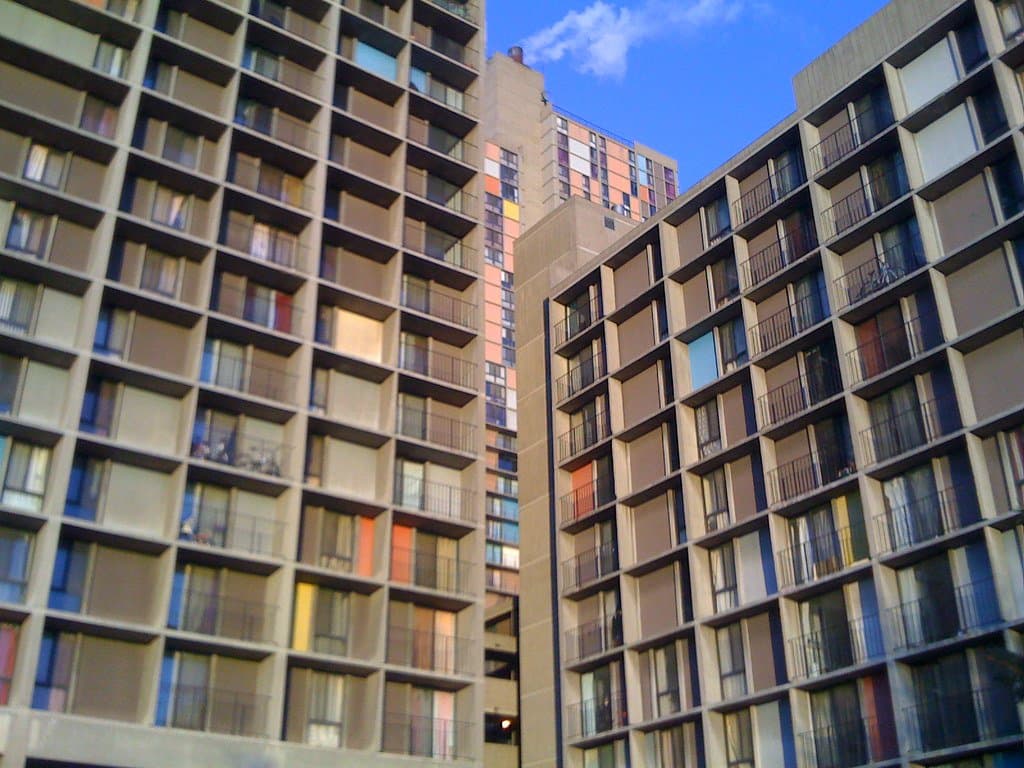
Much of the public conversation about the Minneapolis 2040 Plan reduces to a slogan: it ended single-family zoning. The specifics are more modest. In October 2019, the City Council amended the zoning code to allow up to three dwelling units on residential lots citywide, taking effect in 2020 and making Minneapolis the first large U.S. city to drop single-family-only zoning.
A residential parcel may now hold a single-family home, a duplex or a triplex. This is the "missing middle" housing that sits between detached houses and large apartment buildings, often indistinguishable from a large house but home to two or three households. It is allowed by right in many areas, meaning a conforming triplex needs no rezoning or discretionary approval. The rules permit this housing; they do not require it. An owner can keep a single-family home indefinitely.
Allowing more than three units is a separate question, governed by the zoning code's "built form" rules that set height and scale. Those rules concentrate density along commercial corridors and near transit, including Hennepin Avenue, where the METRO E Line bus rapid transit route opened Dec. 6, 2025. So the picture is two-tiered: a triplex is broadly allowed on residential lots, while bigger buildings are steered toward corridors and transit nodes.
The plan survived a multiyear court fight. On Sept. 5, 2023, Hennepin County District Judge Joseph Klein sided with Smart Growth Minneapolis, the Audubon Chapter of Minneapolis and Minnesota Citizens for the Protection of Migratory Birds, finding that implementing the plan without an environmental review violated the Minnesota Environmental Rights Act, and he reverted the city to its 2030 plan. The 2024 Legislature then exempted municipal comprehensive plans from environmental review, applying the change retroactively; the Court of Appeals lifted the injunction, and in 2024 the Minnesota Supreme Court declined to take the case.
The 2040 rules are an upzoning of possibility, not a guarantee of housing. The Pew Charitable Trusts found that of nearly 21,000 units permitted in Minneapolis from 2017 to 2022, just 1 percent were in buildings of two to four units while 87 percent were in buildings of 20 or more; over that period the city's housing stock grew 12 percent and rents rose 1 percent, against 14 percent in the rest of Minnesota.
Residents can look up what a specific parcel allows using the city's zoning and property tools on minneapolismn.gov, which show both the use rules and the built-form designation, and can follow proposed projects through the City Planning Commission and their neighborhood associations.
CityLowry HillLowry Hill East (The Wedge)East IslesCedar-Isles-DeanBryn MawrLake of the IslesGreater Uptown & Nearby
Related stories
City
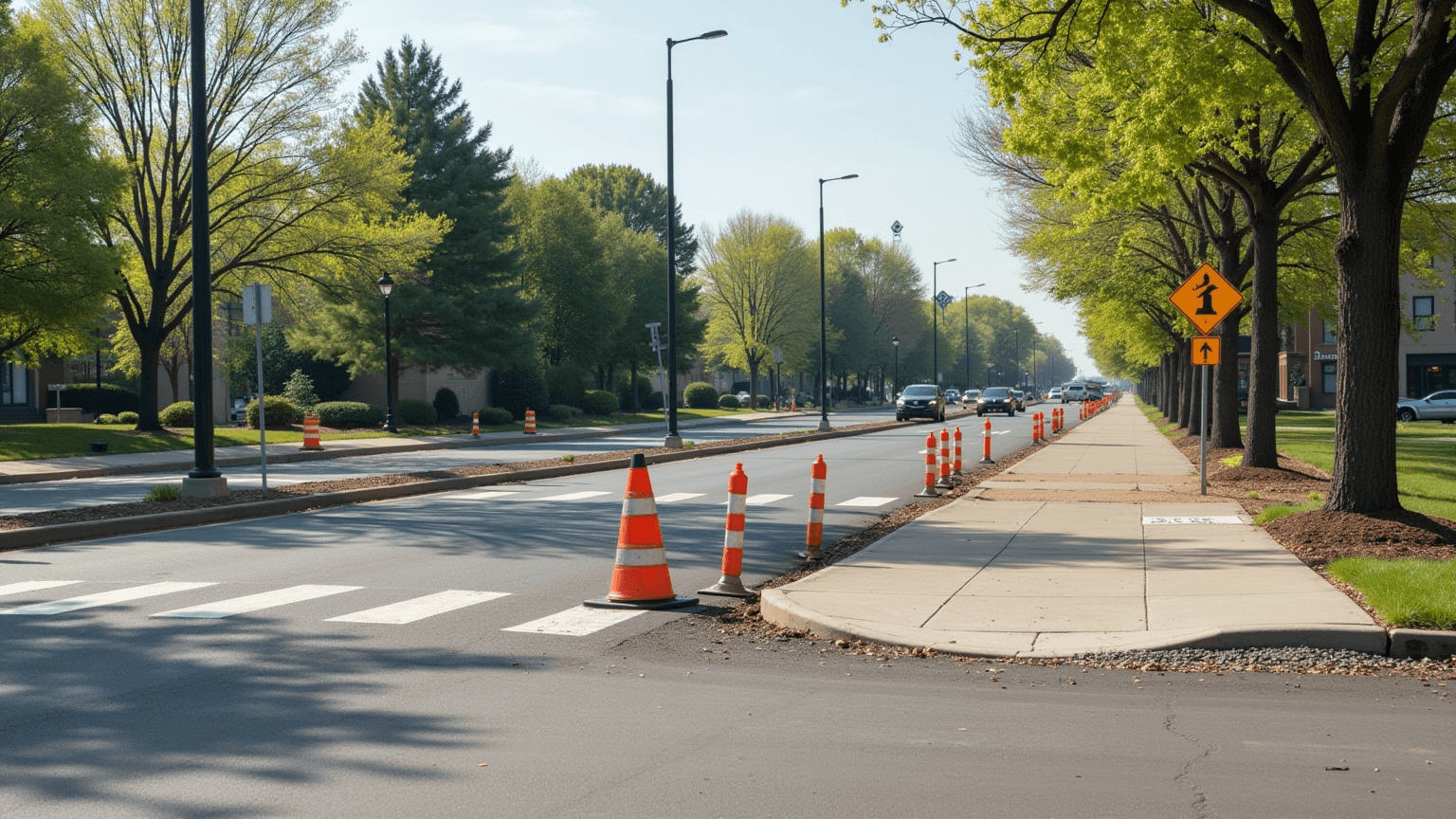
Parkway, intersection and pedestrian ramp improvements begin at Lake Harriet this year
Work to resurface Lake Harriet Parkway and improve the William Berry Parkway intersection will occur in phases starting in 2026.

City
Minneapolis Park and Recreation Board working on repairs at Northeast Ice Arena with goal of reopening in the fall
Minneapolis Park and Recreation Board plans to repair Northeast Ice Arena with a goal of reopening for the ice season this fall.

City
Algae at Minneapolis Lakes
The Minneapolis Park & Recreation Board issued an announcement about algae growth at city lakes following recent high temperatures.
The neighborhood, in your inbox
Free. No paywall. Pick the topics you want — we send what’s happening this week.