CityKenwood
Kenwood's KNO board meets first Mondays at the community center
A plain-language guide to how the Kenwood Neighborhood Organization works and how to show up.

How Kenwood's neighborhood group works
If you want a say in what happens in Kenwood, the Kenwood Neighborhood Organization, or KNO, is the front door. The volunteer-led board meets the first Monday of each month from 6:30 to 8 p.m. at the Kenwood Community Center, and the group says all neighbors are welcome to attend, whether they want to raise an issue or simply listen.
KNO describes itself as working collaboratively with partners and residents on the issues that affect quality of life in the neighborhood, everything from park programming and traffic to development, safety and the lakes. Like the other lake-district associations, it is a creature of Minneapolis's neighborhood-organization system: a registered nonprofit with a board, bylaws and a defined relationship to the city's Neighborhoods program.
What actually happens at the meetings
First-Monday meetings are where neighborhood business gets aired before it goes anywhere official. A resident concern about a dangerous intersection, a question about a park project, a position on a development proposal, these surface at the board table, get discussed, and, when the board acts, turn into letters, comments to the city, or budget decisions about how the neighborhood spends its allotted city funds.
That last point is easy to overlook. Minneapolis neighborhood organizations help direct city dollars toward local priorities, which gives a small monthly meeting real stakes: the people who show up help decide where modest but real sums get spent.
Democracy at the neighborhood scale is a Monday night and a folding chair. The agenda is small; the say is real.— LowryHillNews
Why showing up matters
The value of a standing monthly meeting is that it is the early-warning system for the neighborhood. Decisions that eventually land on a block, a rezoning, a road project, a park change, are usually discussed at KNO while they are still proposals. Neighbors who track the meetings are the ones who are not surprised, and who have time to weigh in before a decision hardens.
For newcomers, the format is forgiving: there is no requirement to speak, attendance is open, and a single visit is often enough to learn which issues are live and who is working on them.
The wider system it belongs to
KNO is one of dozens of neighborhood organizations that make up Minneapolis's distinctive system of resident-led governance, a structure that gives ordinary neighbors a formal channel into city decisions and a say over a slice of city funding. Each organization is independent, with its own board and priorities, but all share the same basic role: translating what residents want into positions, comments and spending the city will actually hear.
For Kenwood, that means the first-Monday meeting is genuinely the front door. Whether the issue is a park project, a traffic hazard or a development proposal, the path to influencing it usually starts at that table, which is why the organization works to keep the meetings open and the agenda accessible.
How to get involved
KNO meets the first Monday of each month, 6:30 to 8 p.m., at the Kenwood Community Center; the organization posts agendas, minutes and contact information so residents can get an item on the agenda or join a committee. New residents are encouraged to start by simply attending a meeting.
LowryHillNews follows the neighborhood associations and the decisions that pass through them. Have an item headed to a KNO meeting that neighbors should know about? Send us a tip.
CityKenwood
Related stories
City
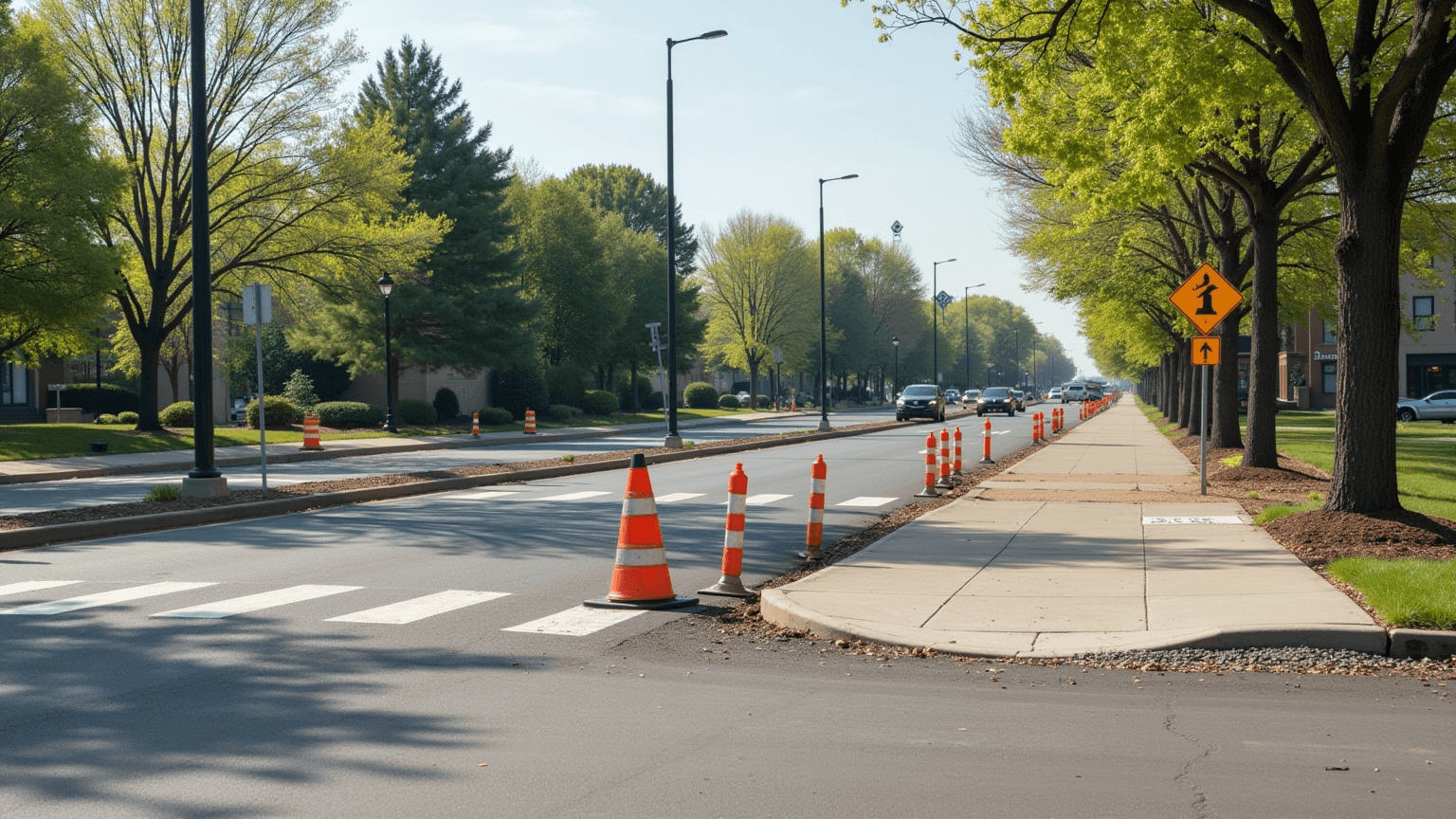
Parkway, intersection and pedestrian ramp improvements begin at Lake Harriet this year
Work to resurface Lake Harriet Parkway and improve the William Berry Parkway intersection will occur in phases starting in 2026.
City
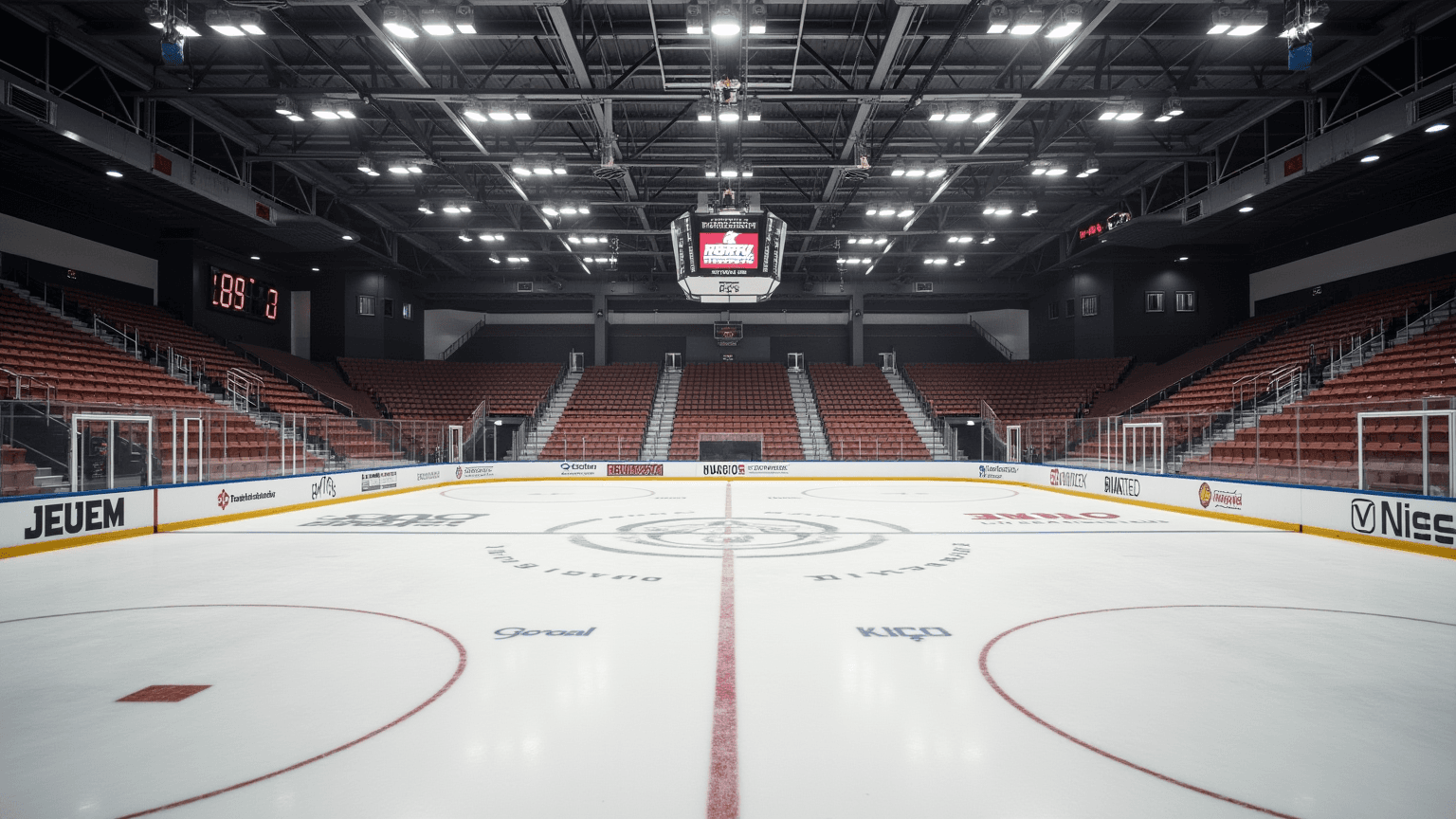
Minneapolis Park and Recreation Board working on repairs at Northeast Ice Arena with goal of reopening in the fall
Minneapolis Park and Recreation Board plans to repair Northeast Ice Arena with a goal of reopening for the ice season this fall.
City
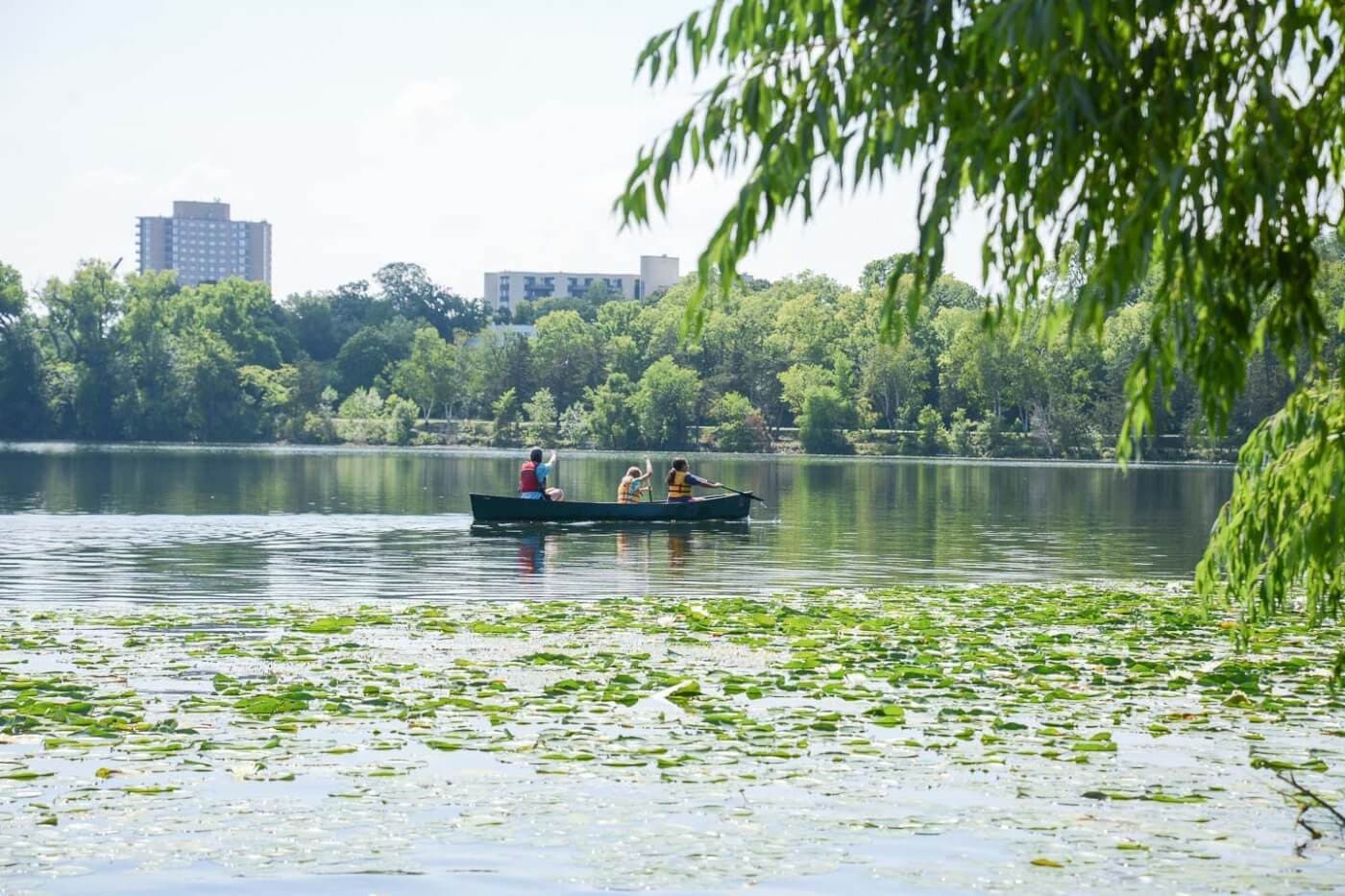
Algae at Minneapolis Lakes
The Minneapolis Park & Recreation Board issued an announcement about algae growth at city lakes following recent high temperatures.
The neighborhood, in your inbox
Free. No paywall. Pick the topics you want — we send what’s happening this week.