CityKenwood
What NPP20 park funding means for Kenwood Community Center
The 20-Year Neighborhood Park Plan is steering steady maintenance and rehab dollars to parks like Kenwood's.
The money behind the maintenance
The Minneapolis Park and Recreation Board says maintenance is increasing at neighborhood parks citywide thanks to the 20-Year Neighborhood Park Plan, known as NPP20, and Kenwood Park is on that list. The plan is the reason a neighborhood park's upkeep is funded on a predictable schedule rather than left to compete year by year for whatever money is left over.
NPP20 is the funding agreement, reached between the Park Board and the City of Minneapolis in 2016, that dedicates dependable annual money to neighborhood parks for ongoing upkeep and major rehabilitation through 2036. It was a landmark deal at the time, resolving a long-running fight over how to pay for the deferred maintenance piling up across the city's neighborhood parks.
Why Kenwood neighbors should care
The Park Board frames NPP20 as more than a maintenance budget; it is also a commitment to equity in how park dollars are distributed, using criteria like park condition and neighborhood need to prioritize work. For Kenwood, inclusion in the plan means the park and its community center are part of a guaranteed funding pipeline rather than dependent on one-off grants or capital campaigns.
In practice that shows up as steadier upkeep, repaved paths, refreshed courts, building repairs, playground replacement, on a planned cycle. It is the unglamorous baseline that keeps a park usable, separate from the youth-programming grants and shoreline projects that grab more attention.
NPP20 is the boring promise that keeps a park usable: dependable money for upkeep, year after year, not just when something breaks.— LowryHillNews
How it fits the bigger funding picture
NPP20 is one of several layers funding a park like Kenwood. The city plan covers maintenance and rehabilitation; Hennepin County grants fund youth programming; and the neighborhood organization advocates for local priorities. Understanding which pot pays for what helps residents direct their asks: a broken path is an NPP20 matter, while a thin summer camp schedule is a programming-grant question.
The plan's twenty-year horizon also gives the Park Board something rare in public budgeting, the ability to schedule major park rehabilitations years out, with reasonable confidence the money will be there.
Why a 20-year deal was needed
Before NPP20, Minneapolis neighborhood parks faced a chronic and growing maintenance backlog, the predictable result of funding upkeep out of whatever was left after bigger priorities. The 2016 agreement was designed to end that cycle by dedicating reliable annual money through 2036, with an explicit eye toward distributing it equitably across the city rather than concentrating it in the best-organized neighborhoods.
For Kenwood, the practical upshot is predictability. A park and community center inside the NPP20 pipeline can count on a planned rehabilitation schedule, which lets the Park Board and the neighborhood think years ahead about upkeep rather than scrambling to patch failures as they appear.
What's next
The Park Board publishes its NPP20 schedules and project lists, where residents can see what work is planned for Kenwood Park and when. The Kenwood Neighborhood Organization is a useful channel for flagging maintenance needs that should be prioritized.
LowryHillNews will track NPP20-funded work as it reaches Kenwood. Notice a maintenance issue at the park or community center? Send us a tip and we will ask where it sits in the queue.
CityKenwood
Related stories
City
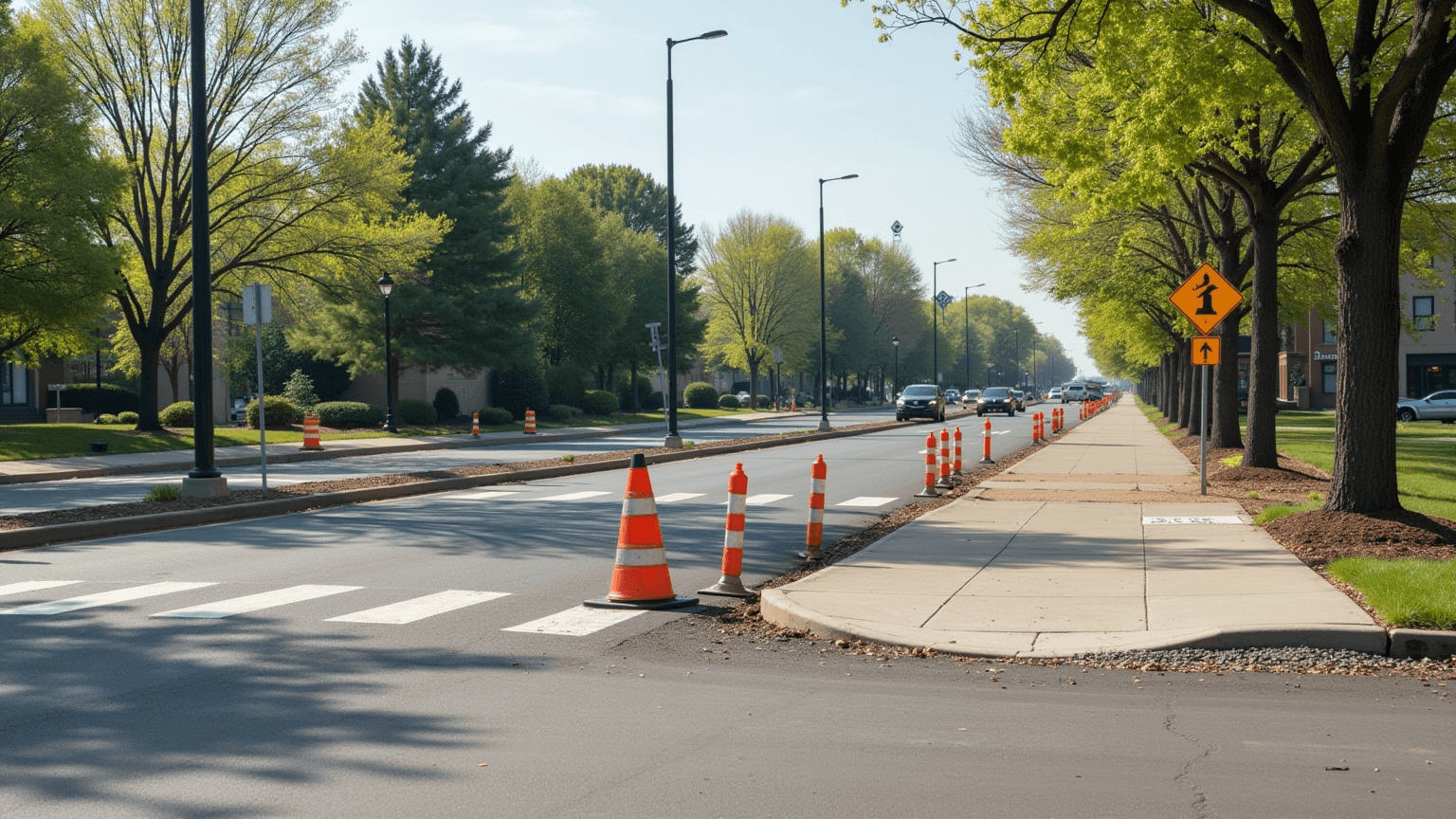
Parkway, intersection and pedestrian ramp improvements begin at Lake Harriet this year
Work to resurface Lake Harriet Parkway and improve the William Berry Parkway intersection will occur in phases starting in 2026.
City
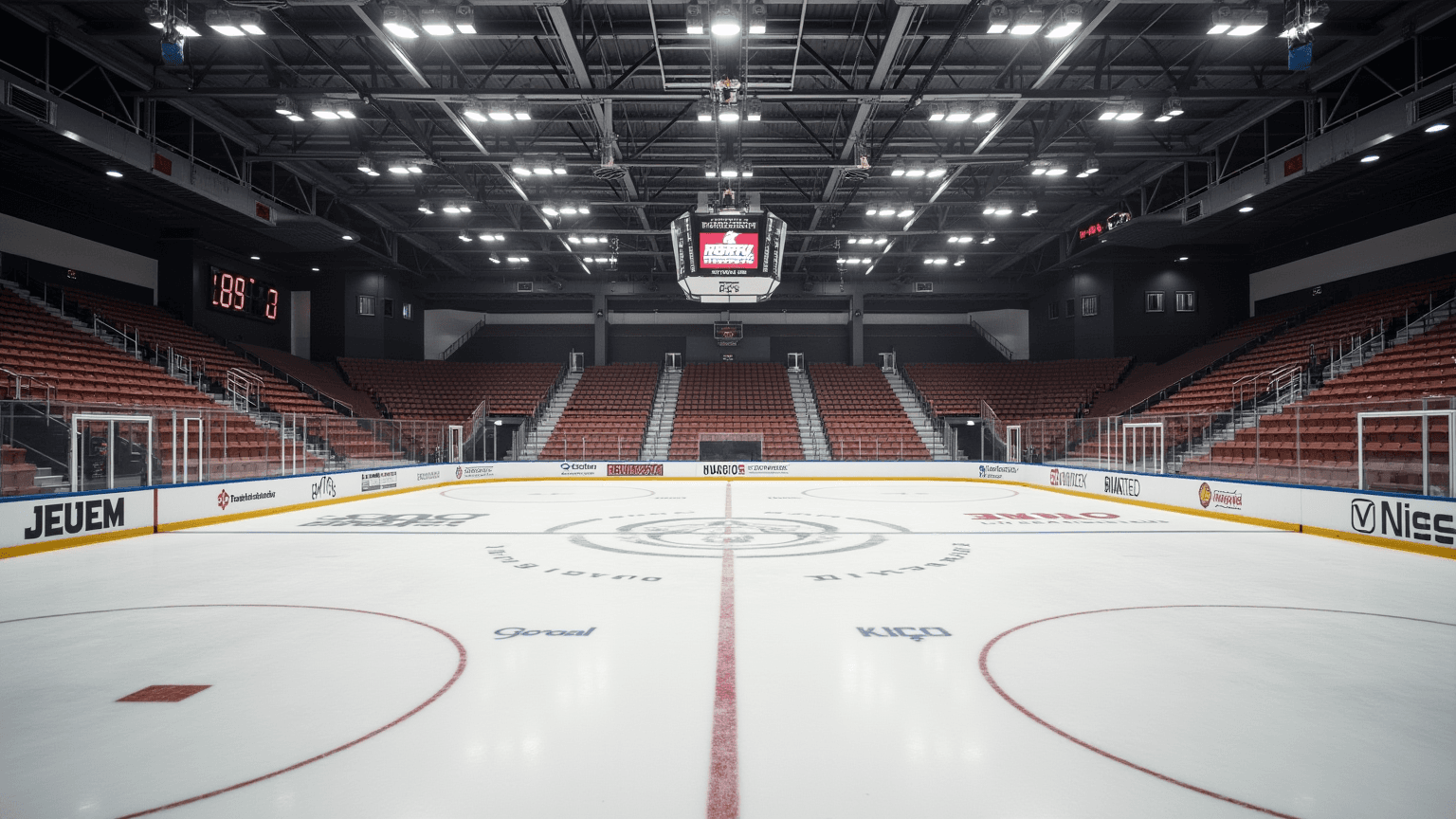
Minneapolis Park and Recreation Board working on repairs at Northeast Ice Arena with goal of reopening in the fall
Minneapolis Park and Recreation Board plans to repair Northeast Ice Arena with a goal of reopening for the ice season this fall.
City
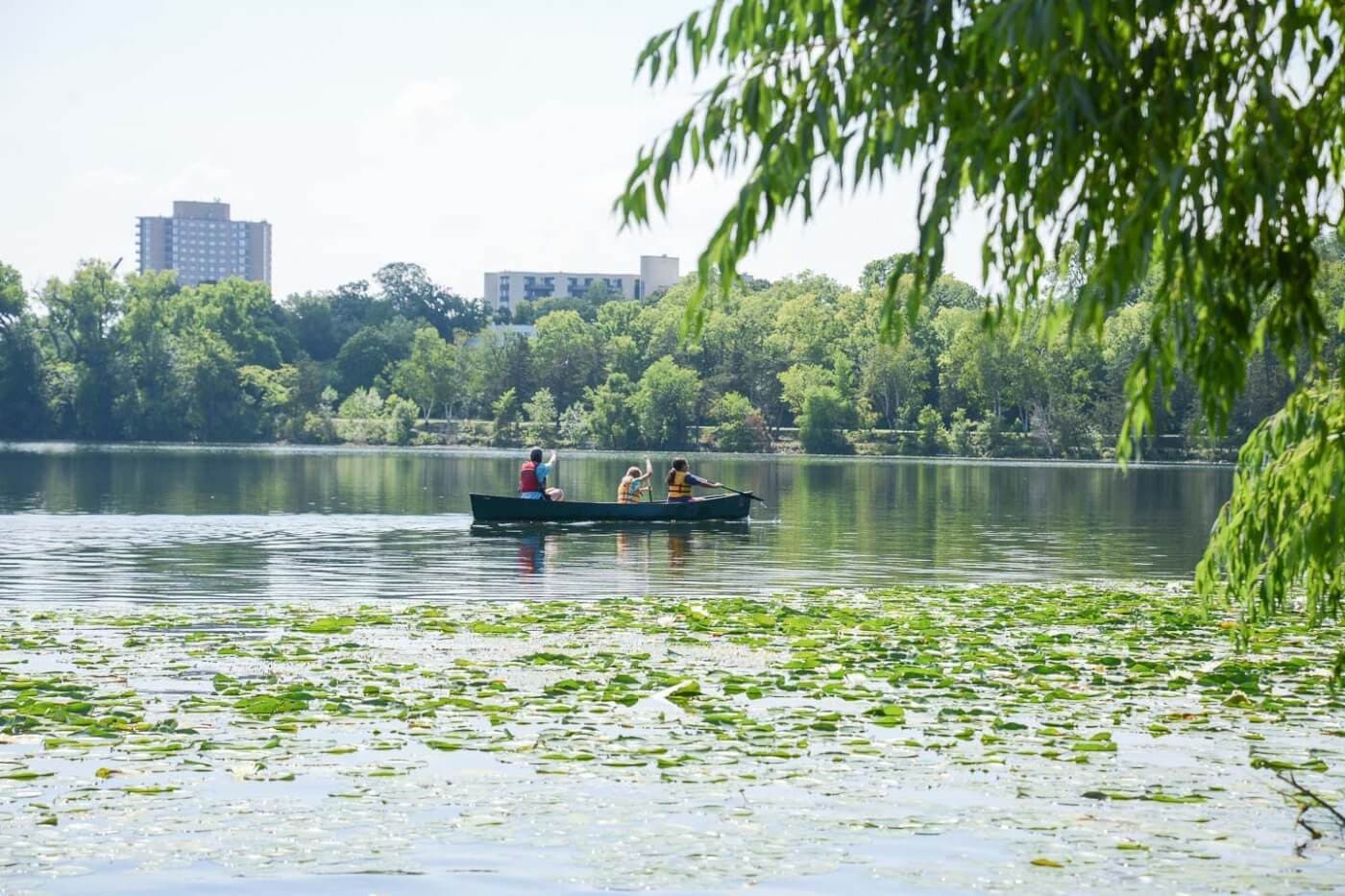
Algae at Minneapolis Lakes
The Minneapolis Park & Recreation Board issued an announcement about algae growth at city lakes following recent high temperatures.
The neighborhood, in your inbox
Free. No paywall. Pick the topics you want — we send what’s happening this week.