CityLowry HillCedar-Isles-DeanLake of the Isles
An Alum Treatment, Explained for the Person Standing on the Dock
One of the lake's most important water-quality tools is invisible, sinks to the bottom, and works by chemistry.

When residents complain that a lake looks green and soupy in late summer, the culprit is usually phosphorus, a nutrient that feeds algae. It is one of the least visible problems on the Chain of Lakes and one of the most consequential, and the main tool used against it is itself invisible: it sinks to the bottom and works by chemistry, out of sight of the person standing on the dock.
The Problem Is Phosphorus
Decades of stormwater carried phosphorus into the Chain of Lakes, where it settled into the sediment and kept feeding blooms long after the original pollution stopped. This is the frustrating part of lake chemistry: even when a city cleans up its runoff, the nutrient already banked in the mud keeps cycling back into the water, a condition scientists call internal loading.
Among the tools used at Cedar and Isles to attack that legacy were alum treatments, applied directly to the lakes to bind phosphorus and pull it out of circulation. Alongside grit chambers, constructed wetlands and significant shoreline restoration, the treatments were part of the coordinated effort that the Park Board and its partners have described as the nation's largest urban lake restoration.
How It Works
Alum, or aluminum sulfate, reacts in the water to form a floc that captures phosphorus and carries it to the lake bottom, where it stays locked away from the algae that would otherwise feast on it. The visible result, over time, is clearer water and fewer severe blooms, the difference between a lake you want to swim in and one you would rather not.
It is a targeted intervention rather than a blunt one. A treatment is timed and dosed to the conditions of a specific lake, and the effect can last for years before the banked phosphorus rebuilds enough to warrant another round. That durability is what makes alum worth the cost on a chain this heavily used.
Not a One-Time Cure
It is not, however, a permanent fix. Phosphorus keeps arriving with every storm, which is why the chemical treatments are paired with the slower structural work of wetlands and restored banks that intercept the nutrient before it ever reaches the lake. Treat the symptom and ignore the source, and the bloom comes back.
One Tool Among Many
Alum is powerful precisely because it is paired. On its own it would be a temporary fix, binding the phosphorus already in the lake while doing nothing about the phosphorus still arriving. Combined with the grit chambers and constructed wetlands that intercept runoff and the restored banks that slow it, the treatment becomes one move in a coordinated strategy that the Park Board and its partners have built up over decades on the chain.
That strategy is why the lakes earned their place in what has been called the nation's largest urban lake restoration. For the swimmer or paddler who never thinks about water chemistry, the relevant result is simple and earned: clearer water in late summer, fewer of the green, soupy weeks that once drove people off the lake, and a clarity maintained by a deliberate, ongoing program rather than luck.
It helps to think of the lake as having a memory. Decades of stormwater banked phosphorus in the sediment, and that stored nutrient keeps feeding blooms even after the inflow is cleaned up, a process scientists call internal loading. Alum is, in effect, a way to wipe part of that memory clean, locking the banked phosphorus to the lakebed so it can no longer fuel the next summer's algae.
For the person on the dock, the takeaway is reassuring and sobering at once. The clearer water is real and earned, but it is maintained, not given. Behind a clean late-summer swim is a chemistry experiment the Park Board has been running, quietly, for years, and intends to keep running.
CityLowry HillCedar-Isles-DeanLake of the Isles
Related stories
City
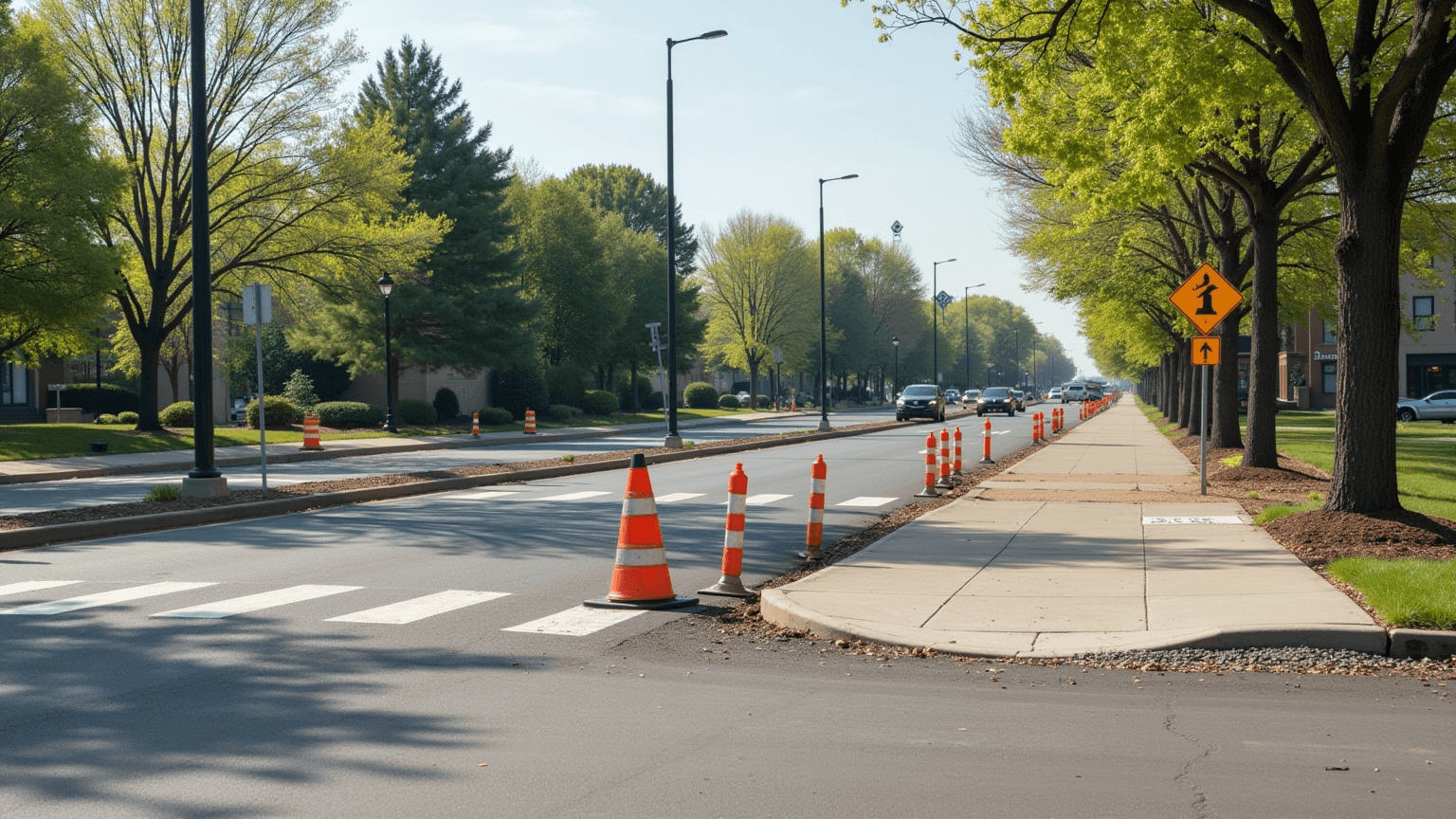
Parkway, intersection and pedestrian ramp improvements begin at Lake Harriet this year
Work to resurface Lake Harriet Parkway and improve the William Berry Parkway intersection will occur in phases starting in 2026.
City
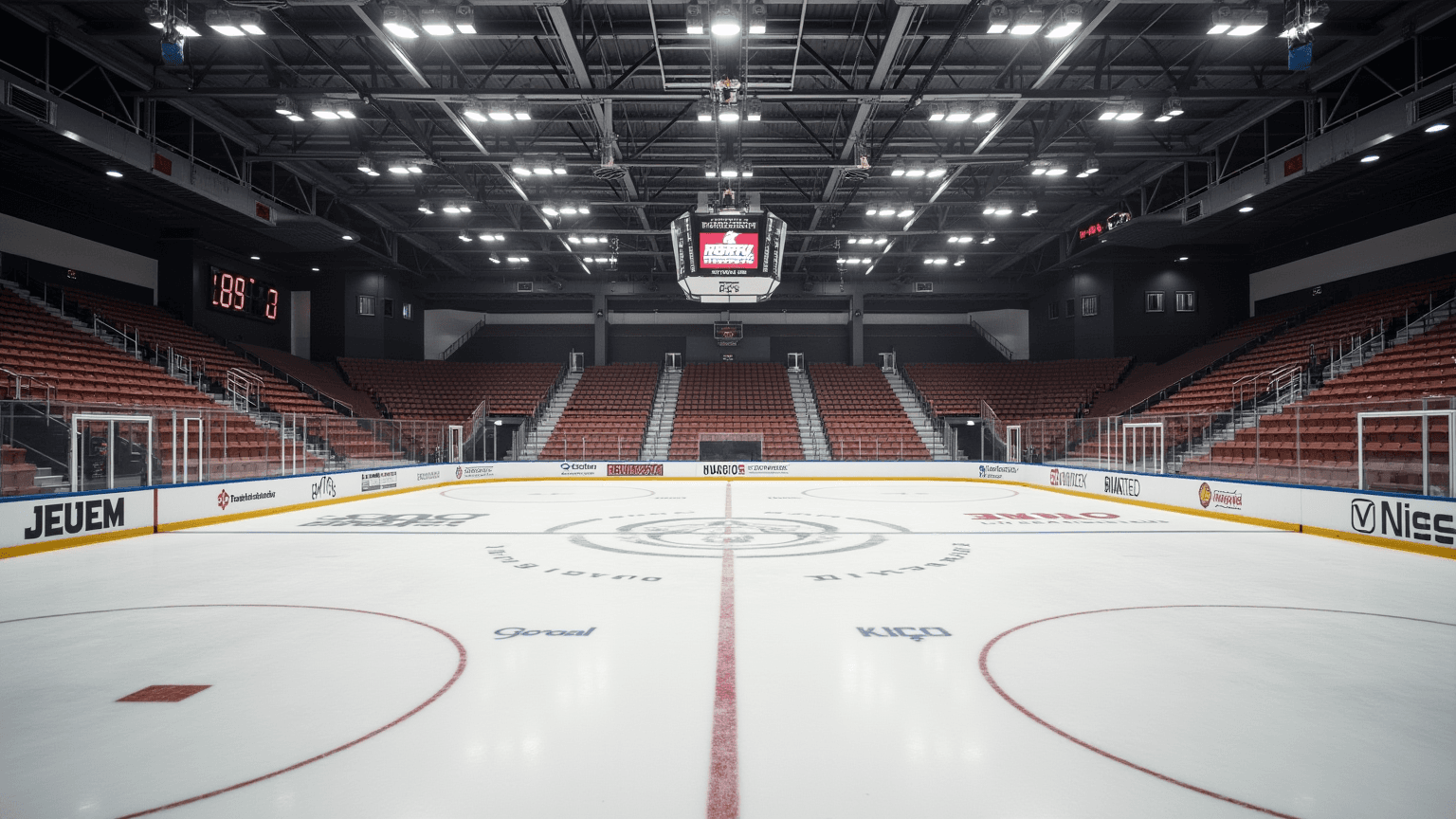
Minneapolis Park and Recreation Board working on repairs at Northeast Ice Arena with goal of reopening in the fall
Minneapolis Park and Recreation Board plans to repair Northeast Ice Arena with a goal of reopening for the ice season this fall.
City
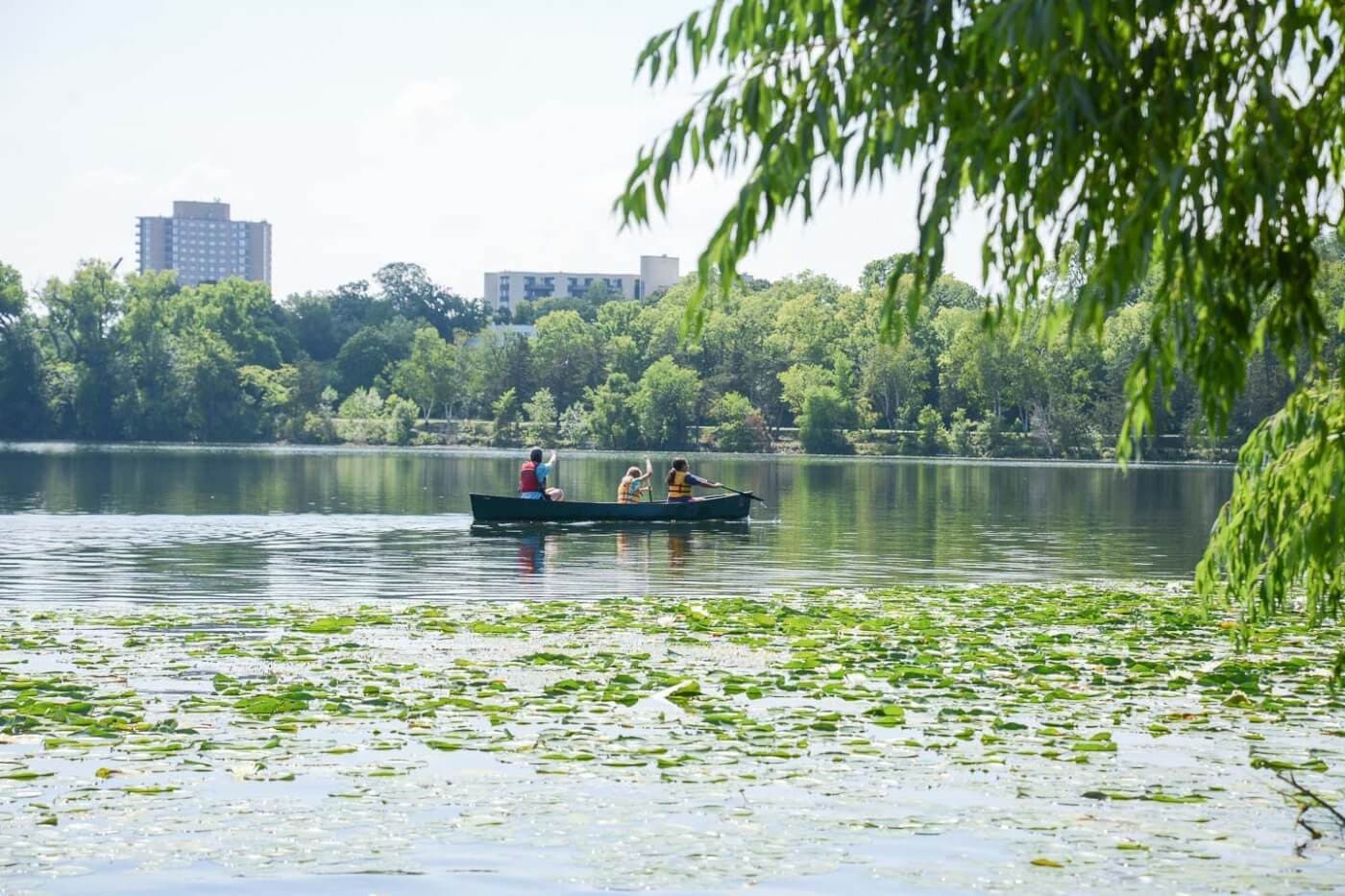
Algae at Minneapolis Lakes
The Minneapolis Park & Recreation Board issued an announcement about algae growth at city lakes following recent high temperatures.
The neighborhood, in your inbox
Free. No paywall. Pick the topics you want — we send what’s happening this week.