CityLowry HillEast IslesCedar-Isles-DeanLake of the Isles
Reading the Water: How a 'C' Grade Became a Point of Pride
When the Minneapolis chain earned C's on a water-quality report card, scientists called it a quiet triumph.
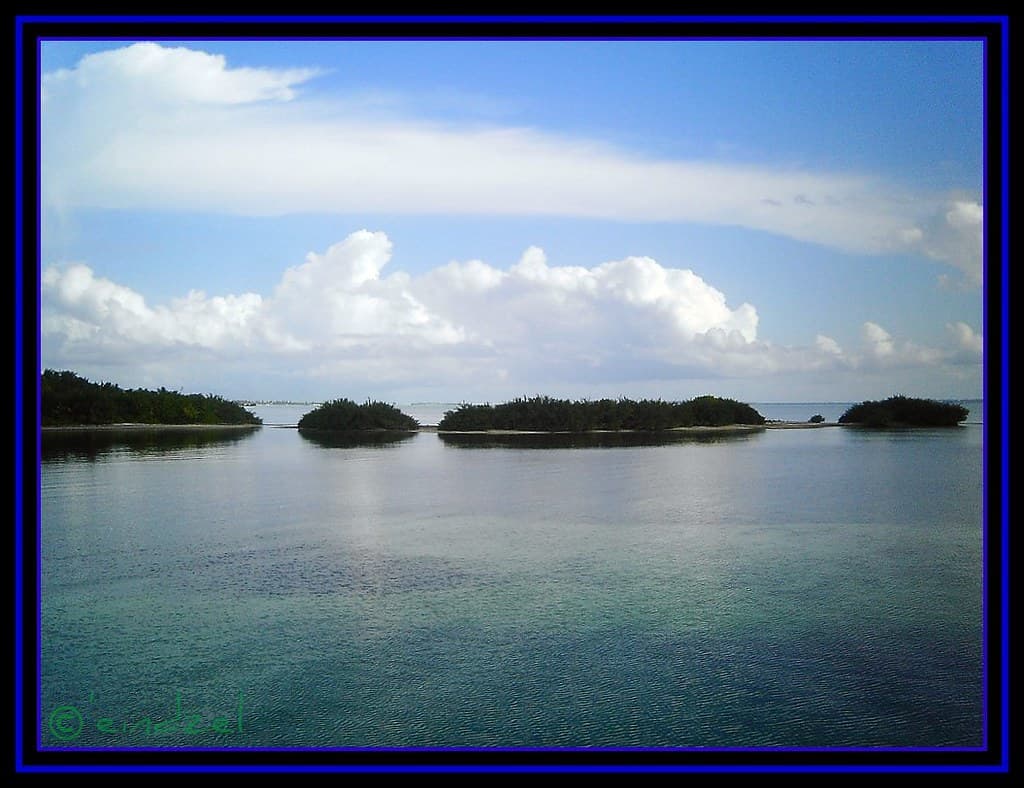
A C is not a grade most people celebrate. But when the four lakes of the Minneapolis chain, Cedar, Lake of the Isles, Bde Maka Ska and Harriet, were each given a C on a water-quality assessment, the people who study these lakes treated it as a success story rather than a disappointment. Understanding why means rethinking what a grade like that is actually measuring.
Grading on the Right Curve
The reason is context. These are lakes in the middle of a dense city, ringed by streets and rooftops that funnel stormwater straight at them. In wilder, more wooded parts of the state, a C might signal neglect. In an urban watershed it represents an enormous amount of restoration just to climb out of the basement, a fight against geography that a rural lake never has to wage.
The Park Board's own monitoring makes the point. Its Minneapolis Lake Water Quality Monitoring Program, running since 1991 as part of the Chain of Lakes Clean Water Partnership, tracks clarity, bacteria and nutrients across more than a dozen city lakes. A C in that program is not a lake failing; it is a lake holding its own against a watershed that is, essentially, a city.
The Work Behind the Grade
Those C's did not appear on their own. They are the cumulative result of wetland restorations, storm sewer improvements, alum treatments and public education campaigns, part of the effort that has been described as the nation's largest urban lake restoration. Each measure nudged a number a little higher; together they moved the whole chain up a letter grade it once could not have earned.
Partners share the credit. The Minnehaha Creek Watershed District, the City of Minneapolis and the Park Board all manage pieces of the same water, and the plan for Cedar and Isles names that cooperation as essential. A grade on a city lake is, in effect, a report card for an entire watershed's worth of decisions.
A Reminder, Not a Trophy
For neighbors in Lowry Hill and East Isles, the grade is a reminder that the lakes they enjoy are not self-cleaning. The clarity they take for granted is maintained, year after year, by work that rarely gets a headline and a monitoring program that has outlasted most of the swimmers who benefit from it.
What a Grade Leaves Out
A single letter also flattens a lot of nuance. The same chain that earns a C for nutrients and clarity can rate excellent for recreational access and aesthetics, or take a hit in a wet year when runoff spikes. The Park Board's monitoring tracks several measures at once precisely because no one number captures a living lake, and a grade is best read as a snapshot of a watershed in motion rather than a fixed verdict.
For neighbors, the practical lesson is to watch the trend, not the letter. A C that took decades of wetlands, alum and storm-sewer work to reach, in the middle of one of the densest watersheds in the state, is pointed in the right direction. The forward question is whether a wetter climate and ever more hard surface upstream will let the chain hold that grade, which is exactly the fight the restoration is still waging.
It also helps to know what the letter is measured against. The Park Board's monitoring weighs clarity, bacteria and nutrients against state expectations for a lake of this type, so a C reflects a heavily urban lake performing respectably for its circumstances, not a pristine one falling short. Read that way, the grade is less a disappointment than a measure of how far decades of restoration have carried the chain.
The pride, then, is in the trajectory. A C earned in the middle of a city, after decades of patient work, points the right direction, and the people watching the numbers would rather celebrate a hard-won C than coast on a grade the geography was never going to give them for free.
CityLowry HillEast IslesCedar-Isles-DeanLake of the Isles
Related stories
City
Parkway, intersection and pedestrian ramp improvements begin at Lake Harriet this year
Work to resurface Lake Harriet Parkway and improve the William Berry Parkway intersection will occur in phases starting in 2026.
City
Minneapolis Park and Recreation Board working on repairs at Northeast Ice Arena with goal of reopening in the fall
Minneapolis Park and Recreation Board plans to repair Northeast Ice Arena with a goal of reopening for the ice season this fall.
City
Algae at Minneapolis Lakes
The Minneapolis Park & Recreation Board issued an announcement about algae growth at city lakes following recent high temperatures.
The neighborhood, in your inbox
Free. No paywall. Pick the topics you want — we send what’s happening this week.