CityLowry Hill
Bde Maka Ska's Beaches Close Again as E. coli Spikes
Routine testing pushed E. coli past state guidelines, closing swimming beaches on Bde Maka Ska.
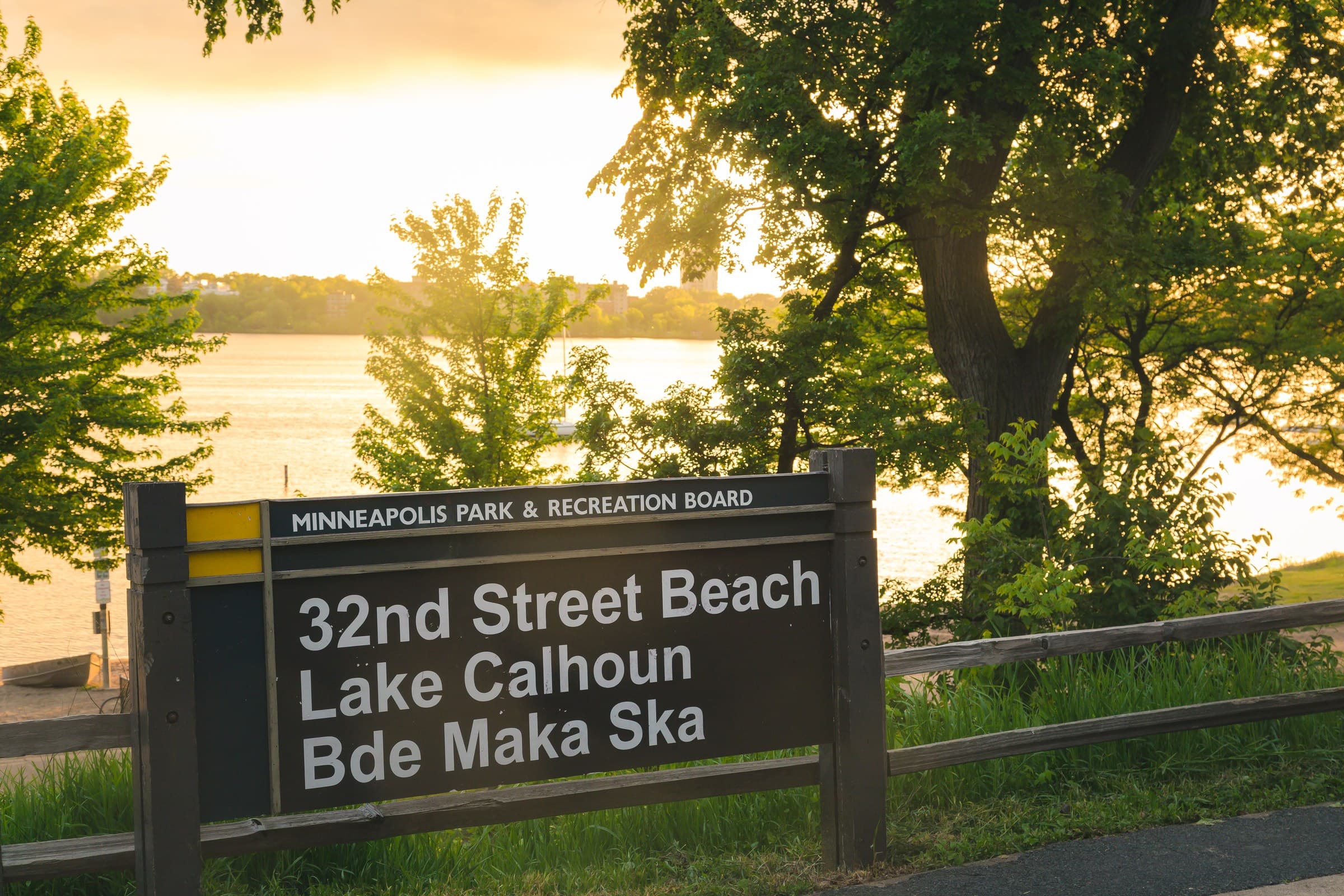
The Minneapolis Park and Recreation Board has again closed swimming beaches on Bde Maka Ska after routine monitoring found E. coli bacteria above state guidelines on the chain's most popular lake. The closures are a familiar part of summer for swimmers on the lake.
The Park Board posts a "Beach Closed" sign when a single sample exceeds 1,260 E. coli organisms per 100 milliliters of water, or when the average of five samples over 30 days exceeds 126. Bde Maka Ska's North Beach and 32nd Street Beach are among the spots that shut down when bacteria climb, sometimes alongside Thomas Beach at the lake's southwest end. On bad weeks, closures spread to other lakes in the system, including Lake Harriet, Hiawatha and Nokomis.
Officials frame the closures as precautionary. The Park Board says it closes a beach when a test crosses the line rather than waiting for swimmers to report illness, and that such reports are rare. The sign is a warning, not a verdict on anyone who swam the day before.
E. coli in a swimming lake rarely results from a single event. The Park Board points to heavy rain washing contaminants off surrounding land, high water levels, wind, water temperature, waterfowl and the number of people in the water. Officials say rainfall and animal-waste runoff are the usual triggers, and several recent closures have followed storms.
Beaches reopen once follow-up testing brings counts back below the guidelines, which is why a beach can be closed one week and crowded the next. The Park Board posts results on its Lake Water Quality web map, updated after each round of testing, so swimmers can check before loading the car. The monitoring program has tracked the city's beaches each season since 1991.
CityLowry Hill
Related stories
City
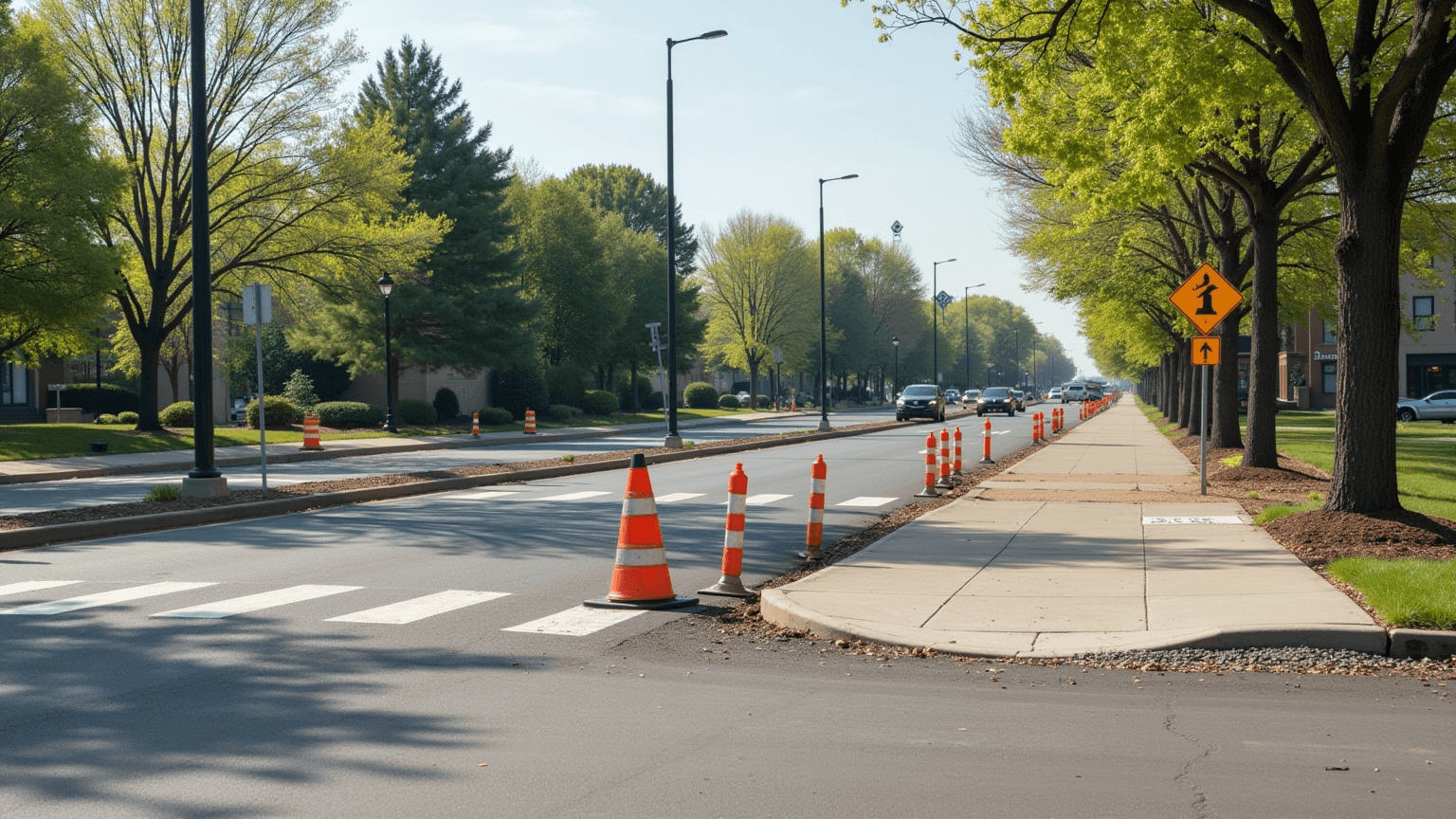
Parkway, intersection and pedestrian ramp improvements begin at Lake Harriet this year
Work to resurface Lake Harriet Parkway and improve the William Berry Parkway intersection will occur in phases starting in 2026.
City
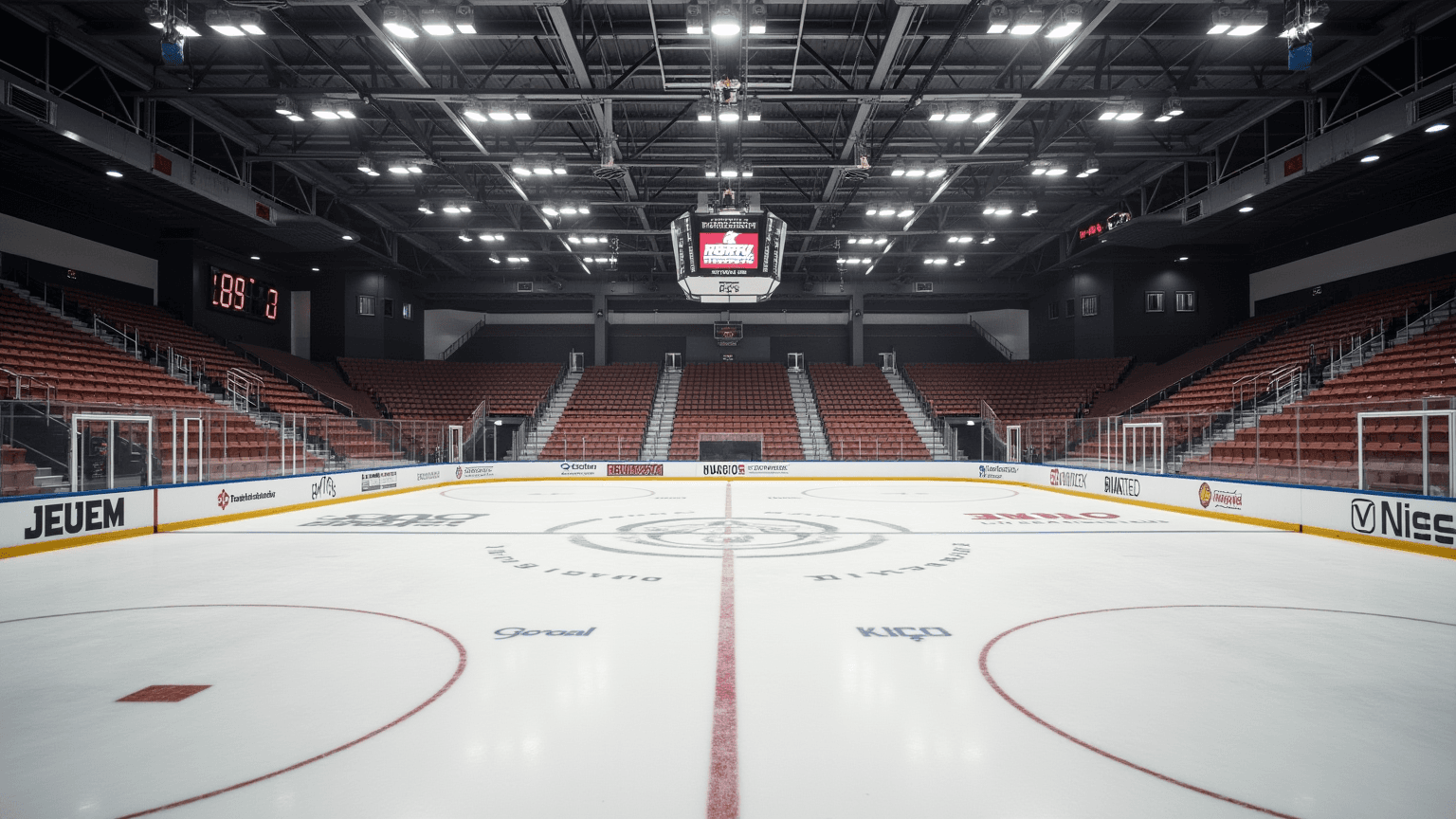
Minneapolis Park and Recreation Board working on repairs at Northeast Ice Arena with goal of reopening in the fall
Minneapolis Park and Recreation Board plans to repair Northeast Ice Arena with a goal of reopening for the ice season this fall.
City
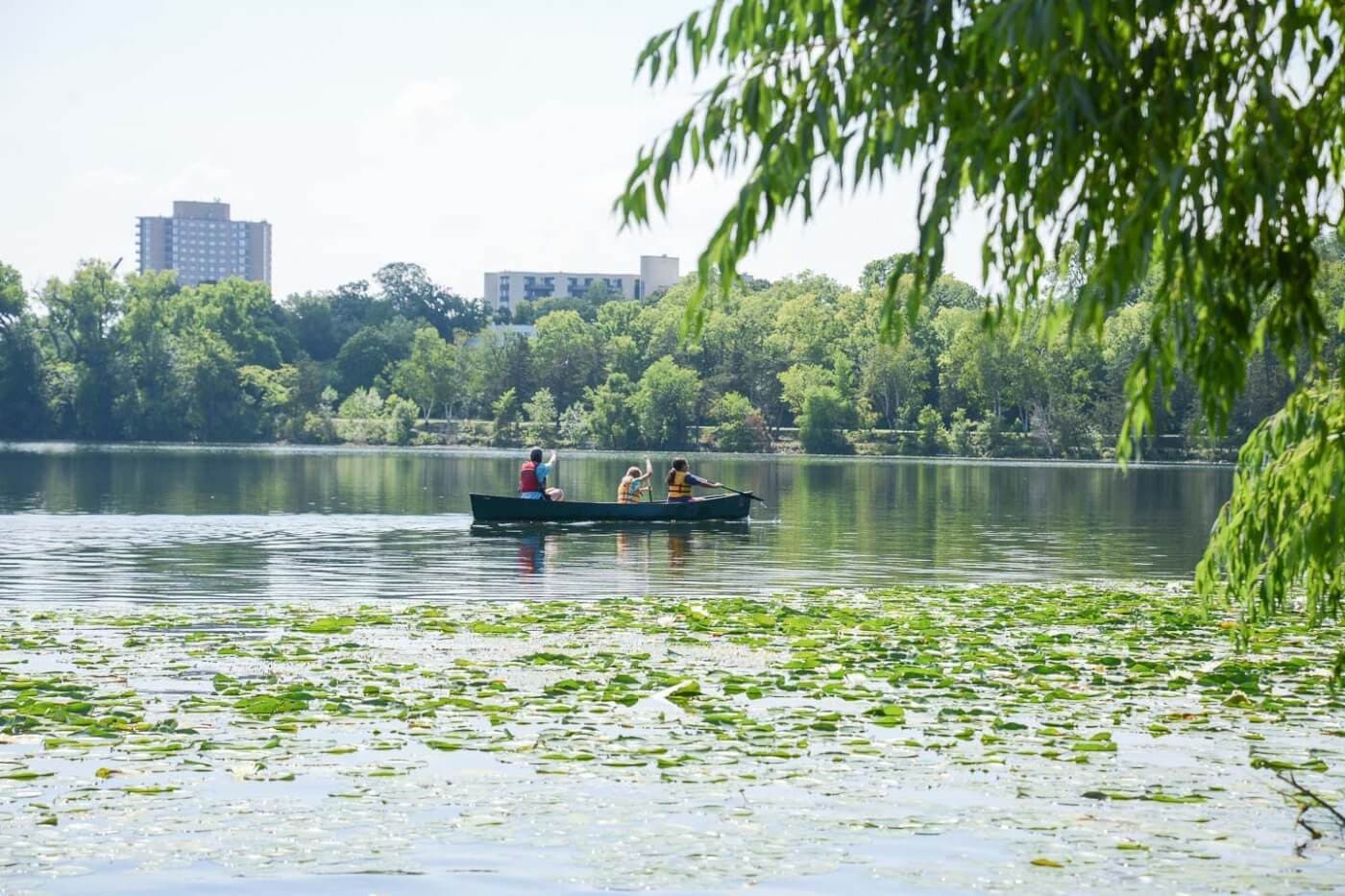
Algae at Minneapolis Lakes
The Minneapolis Park & Recreation Board issued an announcement about algae growth at city lakes following recent high temperatures.
The neighborhood, in your inbox
Free. No paywall. Pick the topics you want — we send what’s happening this week.