CityLowry Hill
What the Park Board Is Actually Testing For at the Beach
The Minneapolis Park Board's lake monitoring program, launched in 1991, tests beaches weekly for E. coli and now also for blue-green algae.
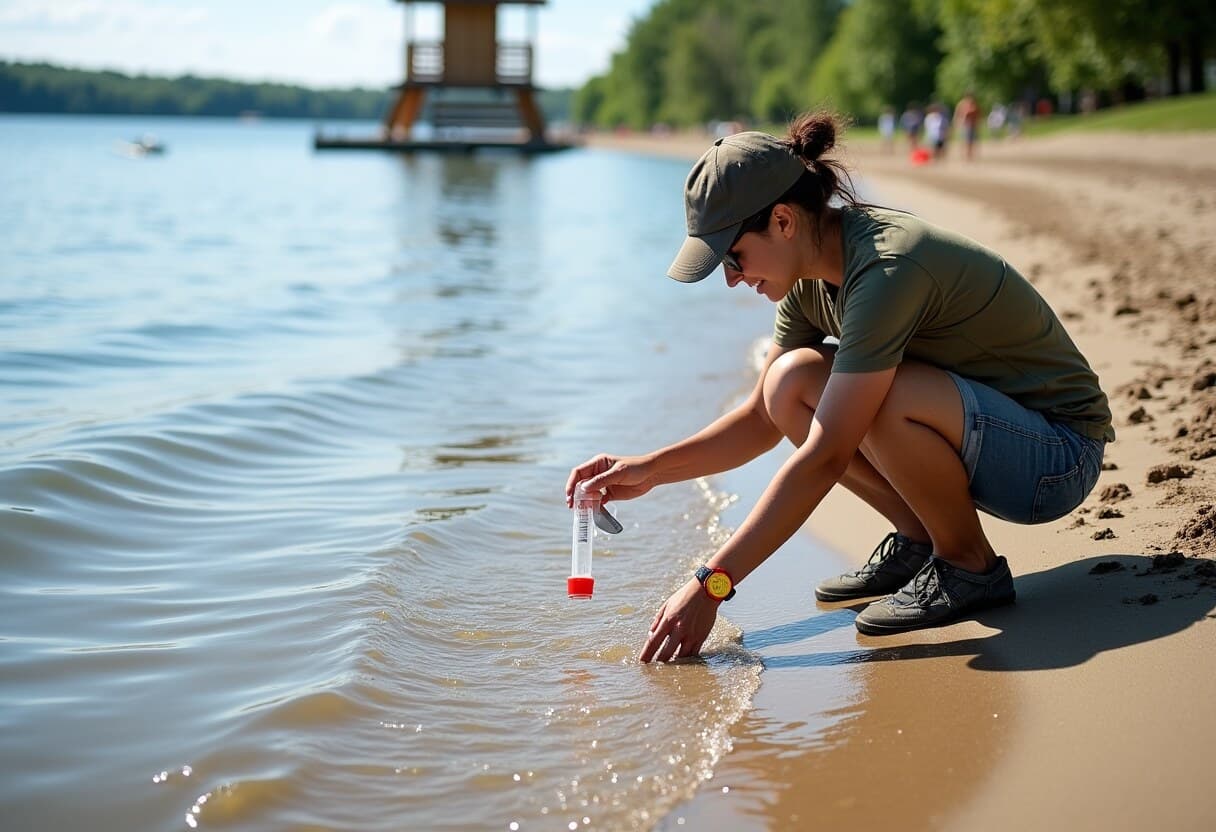
Every yellow closure sign at Bde Maka Ska is the visible output of the Minneapolis Lake Water Quality Monitoring Program, which the Park and Recreation Board launched in 1991 to keep swimmers safe from waterborne illness. The program began as part of the Chain of Lakes Clean Water Partnership and now covers more than a dozen city lakes, from Bde Maka Ska and Lake of the Isles to Nokomis, Hiawatha, Harriet and Wirth.
Staff collect samples at least once a week at each beach between Memorial Day and Labor Day to find the average E. coli level, a proxy for fecal contamination. When the average exceeds the state standard, the beach closes until a follow-up test clears it. The results feed a public Lake Water Quality Map the Park Board updates after each round of testing.
E. coli is no longer the only target. The Park Board has begun testing for cyanobacteria, the blue-green algae that can sicken people and is especially dangerous to children and pets, who are more likely to swallow water. That expansion reflects a changing reality: warmer water and nutrient-rich runoff create the conditions algae favors, and the University of Minnesota's Water Resources Center has linked the region's wetter, warmer summers to mounting pressure on the lakes.
The program's longevity is part of its value. More than three decades of consistent data let the Park Board distinguish a one-off bad sample from a genuine trend, and a beach worth closing from one that has already cleared. The yellow sign that frustrates a swimmer is also what lets the next swimmer trust the water on the days no sign is up.
CityLowry Hill
Related stories
City
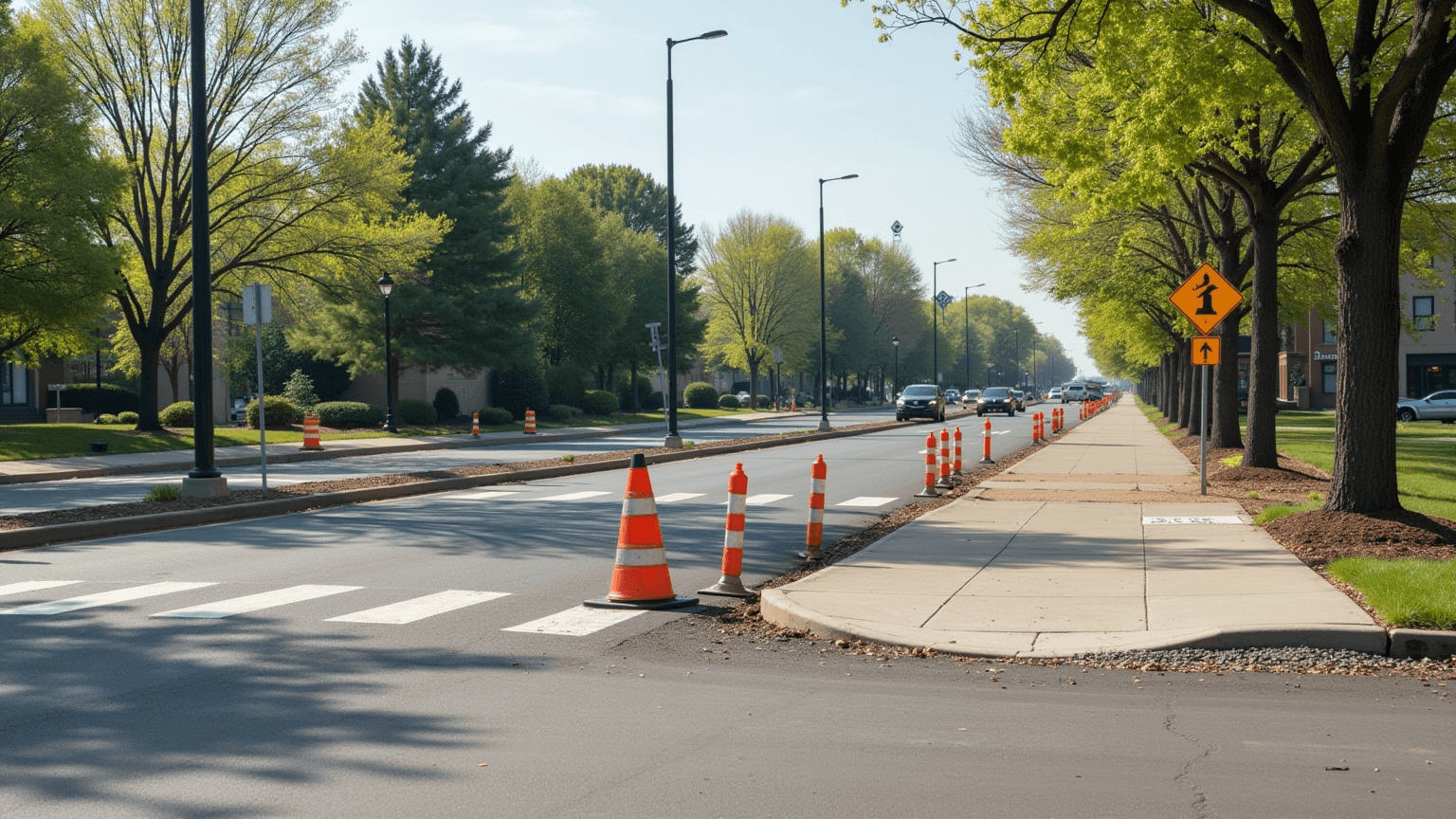
Parkway, intersection and pedestrian ramp improvements begin at Lake Harriet this year
Work to resurface Lake Harriet Parkway and improve the William Berry Parkway intersection will occur in phases starting in 2026.
City
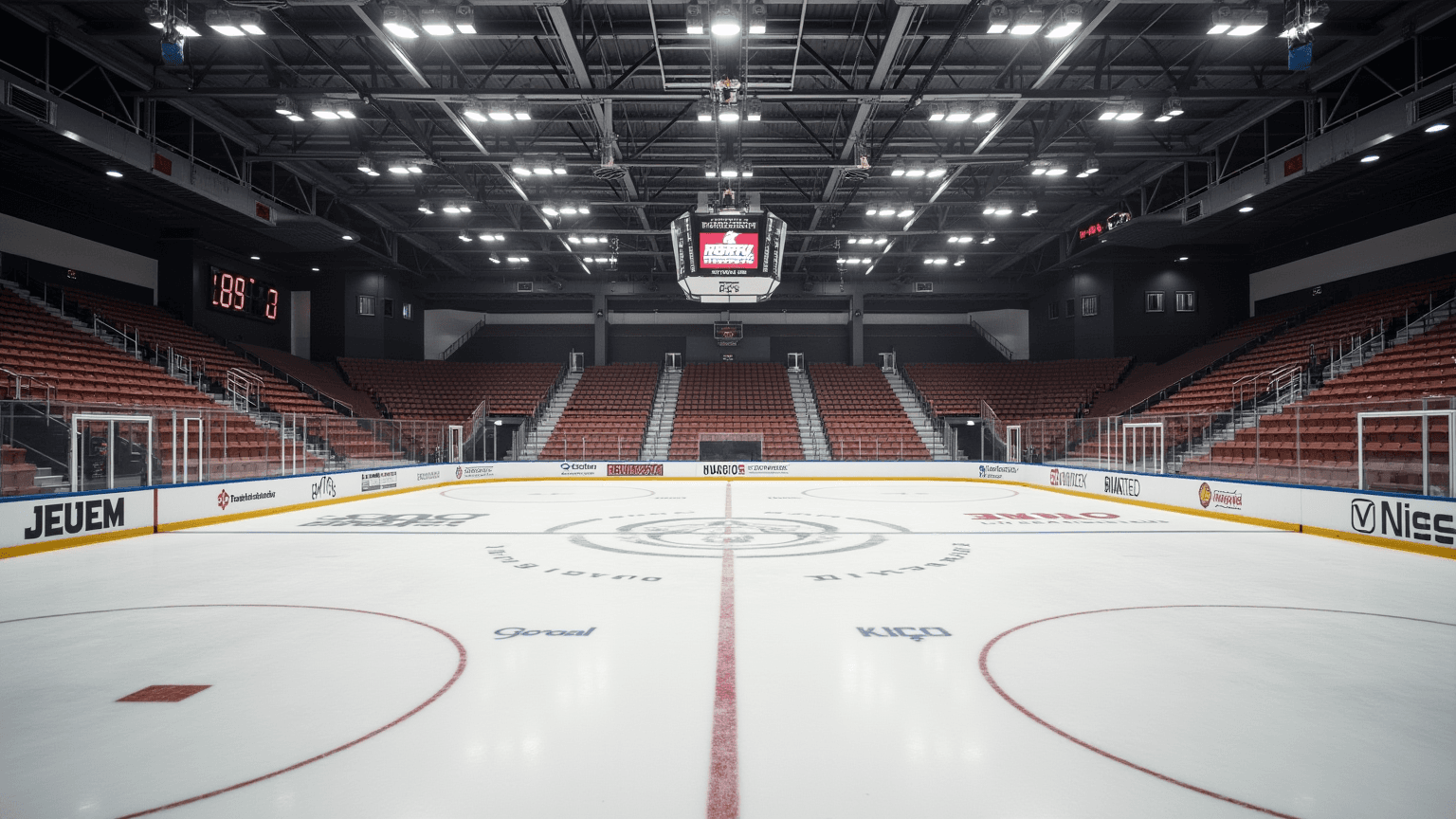
Minneapolis Park and Recreation Board working on repairs at Northeast Ice Arena with goal of reopening in the fall
Minneapolis Park and Recreation Board plans to repair Northeast Ice Arena with a goal of reopening for the ice season this fall.
City
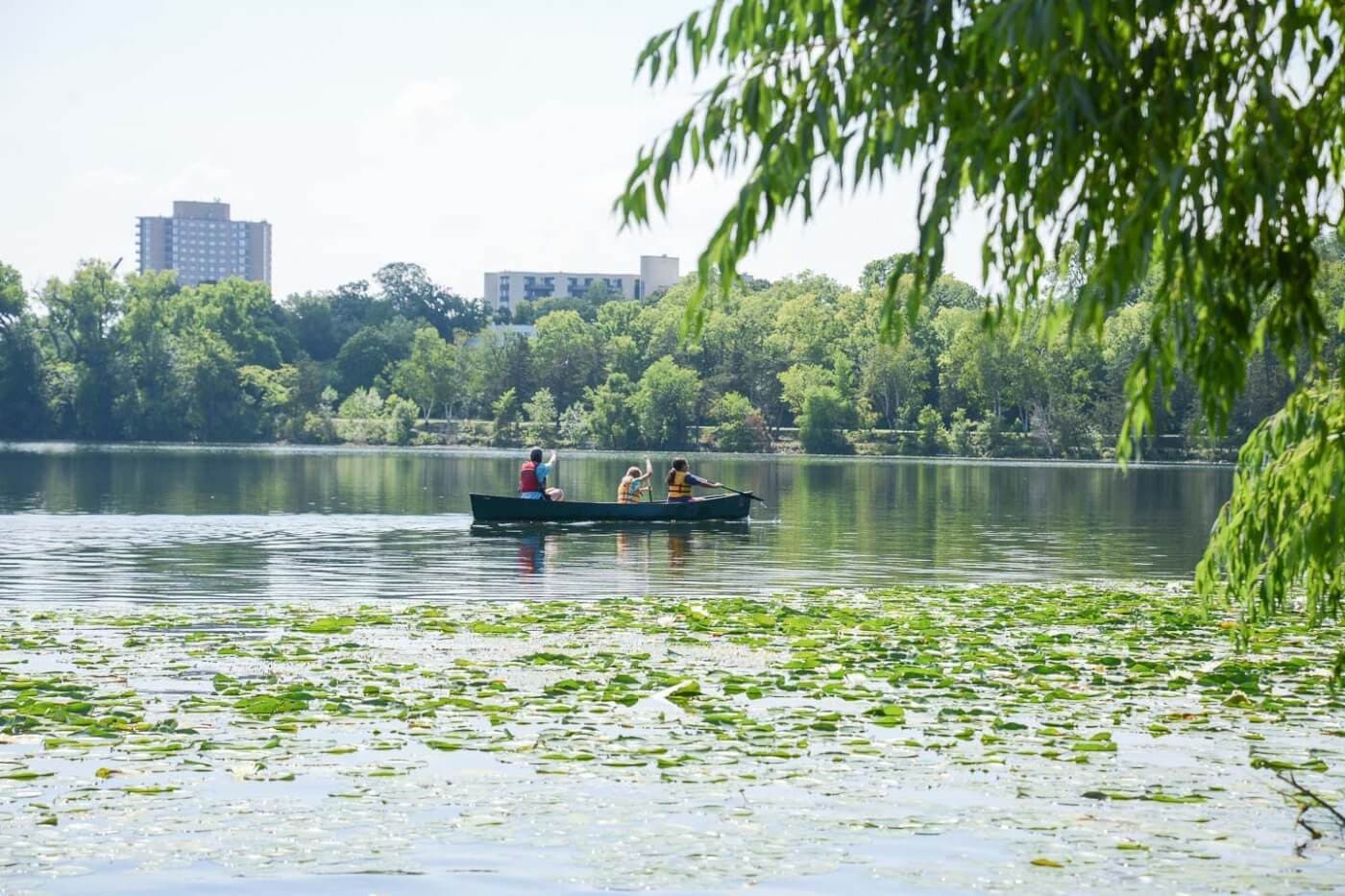
Algae at Minneapolis Lakes
The Minneapolis Park & Recreation Board issued an announcement about algae growth at city lakes following recent high temperatures.
The neighborhood, in your inbox
Free. No paywall. Pick the topics you want — we send what’s happening this week.