CityLowry HillLake of the Isles
When Half the City's Beaches Close at Once
A single heavy rain can push enough E. coli into the Chain of Lakes to close several Minneapolis beaches at once, a pattern that drove a record 15 closures in 2024.
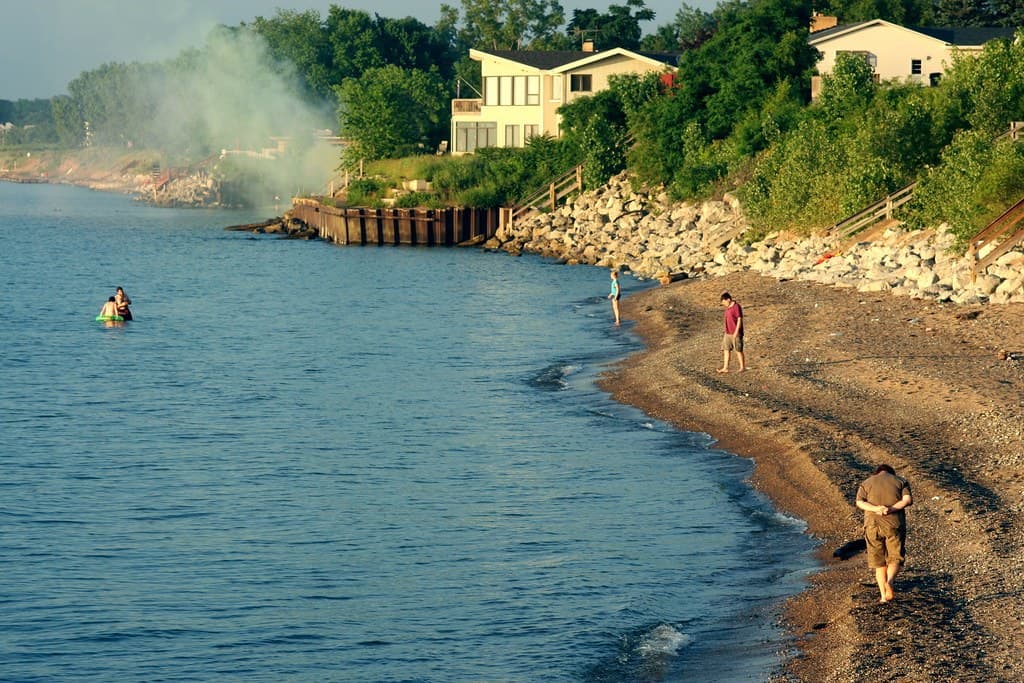
When Minneapolis beach closures arrive in a batch, it usually reflects a single cause rather than several separate problems. The Minneapolis Park and Recreation Board tests its beaches at least weekly between Memorial Day and Labor Day, and a heavy rain that washes bacteria into Bde Maka Ska washes it into neighboring lakes at the same time. Because the lakes share a watershed and a weather pattern, they tend to fail the same test in the same week.
The clustering has grown more common. The Park Board recorded 15 beach closures in 2024, the most in 11 years, in a summer that also brought the most rainfall of that span. The trend continued into 2025: Lake Hiawatha's beach alone was closed for about six weeks starting July 1, and the lake has logged 388 closed days over the past 11 years, the worst record in the system, according to the University of Minnesota's Water Resources Center.
"If we're closing a beach, we are doing that because we believe that there is a higher chance that people could get sick," said Rachael Crabb, the Park Board's water resources supervisor. Crabb attributes much of the bacteria to waterfowl drawn to the same shorelines people use: "It's just that we and geese like a lot of the same things." John Bilotta, a senior coordinator with the University's stormwater research program, ties the worsening pattern to wetter summers that flush more pollution into the lakes after storms.
For families along Lake of the Isles and Bde Maka Ska who treat the lakes as a shared backyard, a multi-beach closure can erase the obvious swimming options at once. The same geography that closes the beaches together also tends to reopen them together: the Park Board lifts a closure once a follow-up sample clears the state standard, which usually takes a few dry days.
CityLowry HillLake of the Isles
Related stories
City
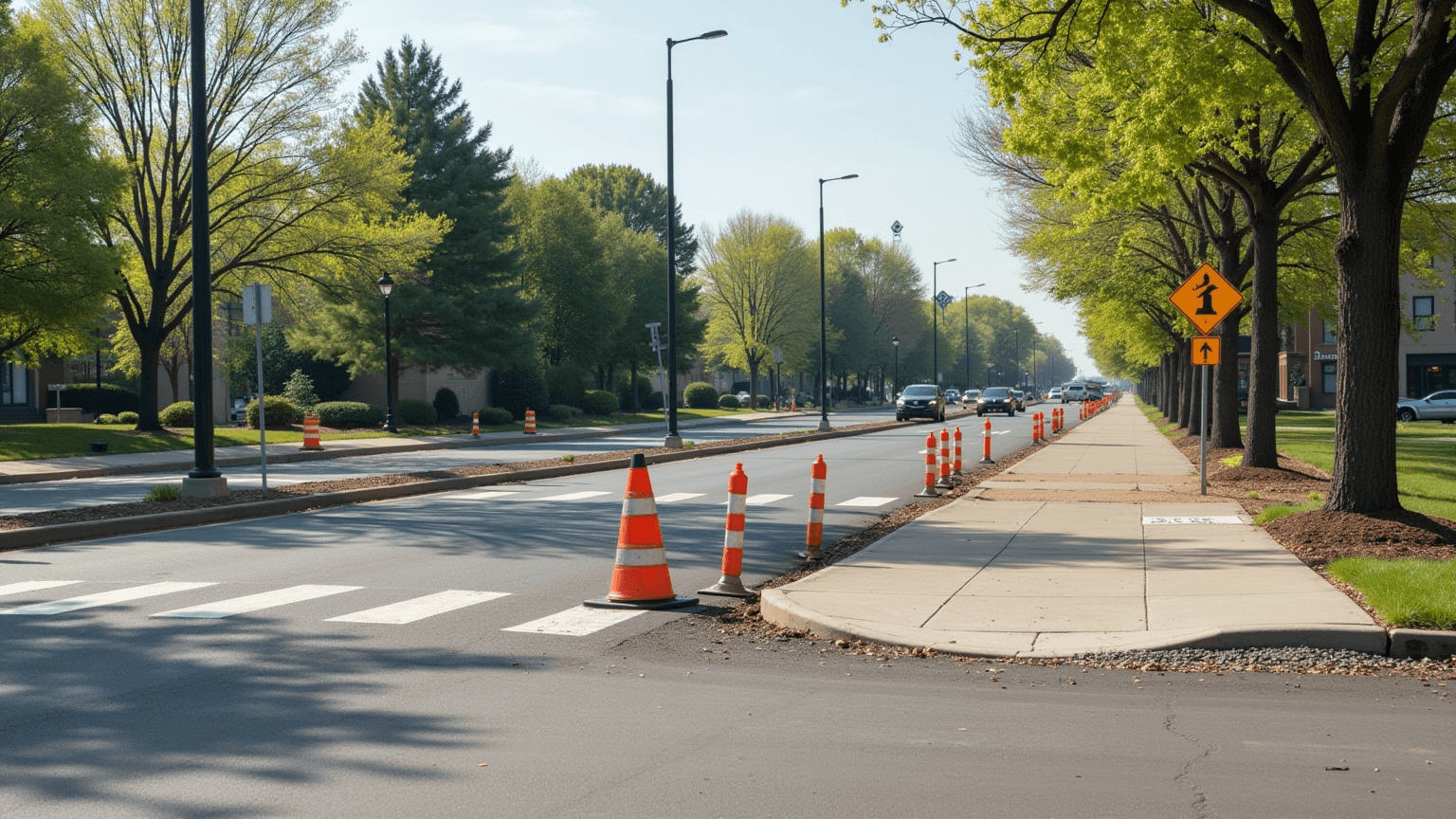
Parkway, intersection and pedestrian ramp improvements begin at Lake Harriet this year
Work to resurface Lake Harriet Parkway and improve the William Berry Parkway intersection will occur in phases starting in 2026.
City
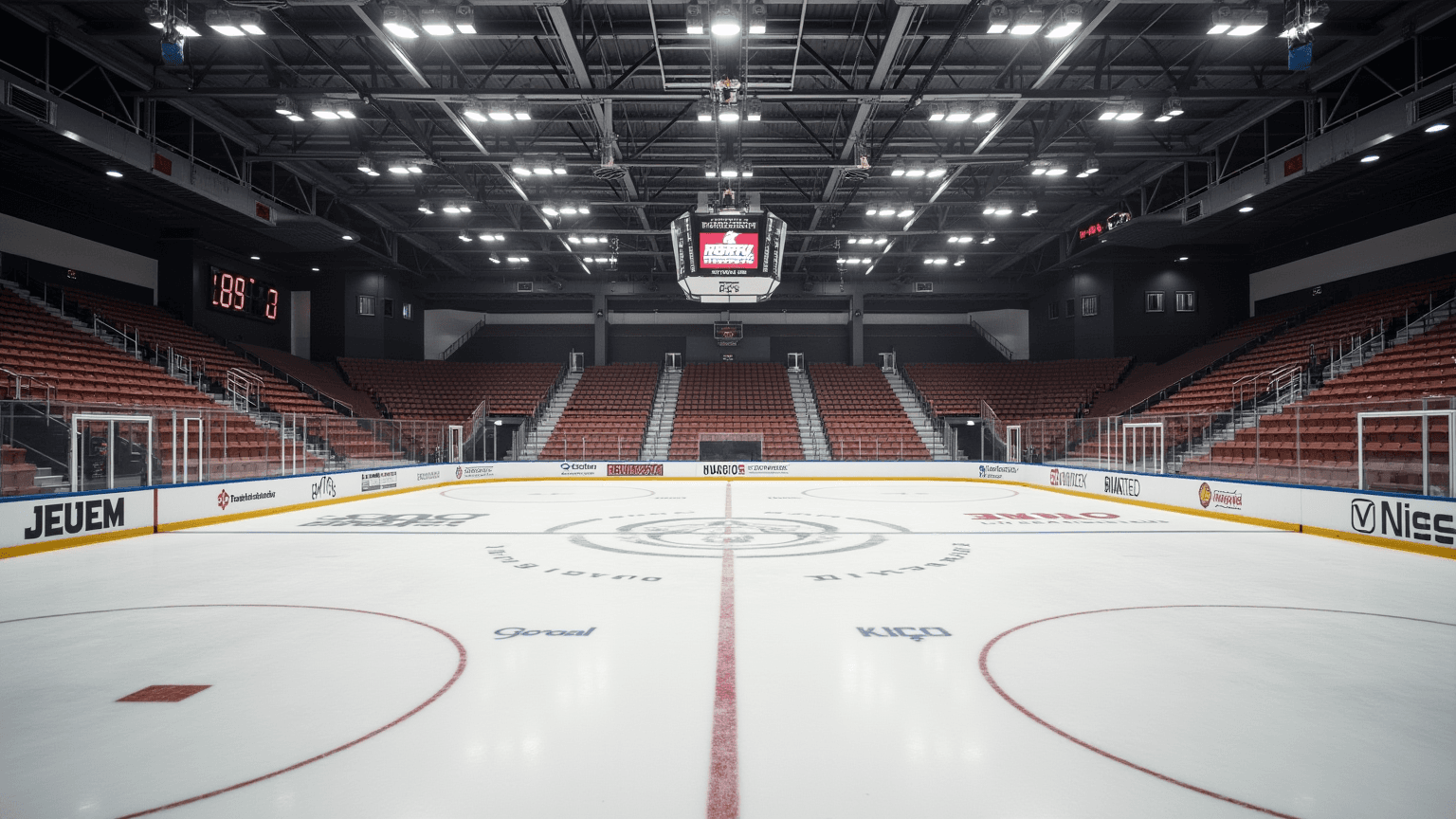
Minneapolis Park and Recreation Board working on repairs at Northeast Ice Arena with goal of reopening in the fall
Minneapolis Park and Recreation Board plans to repair Northeast Ice Arena with a goal of reopening for the ice season this fall.
City
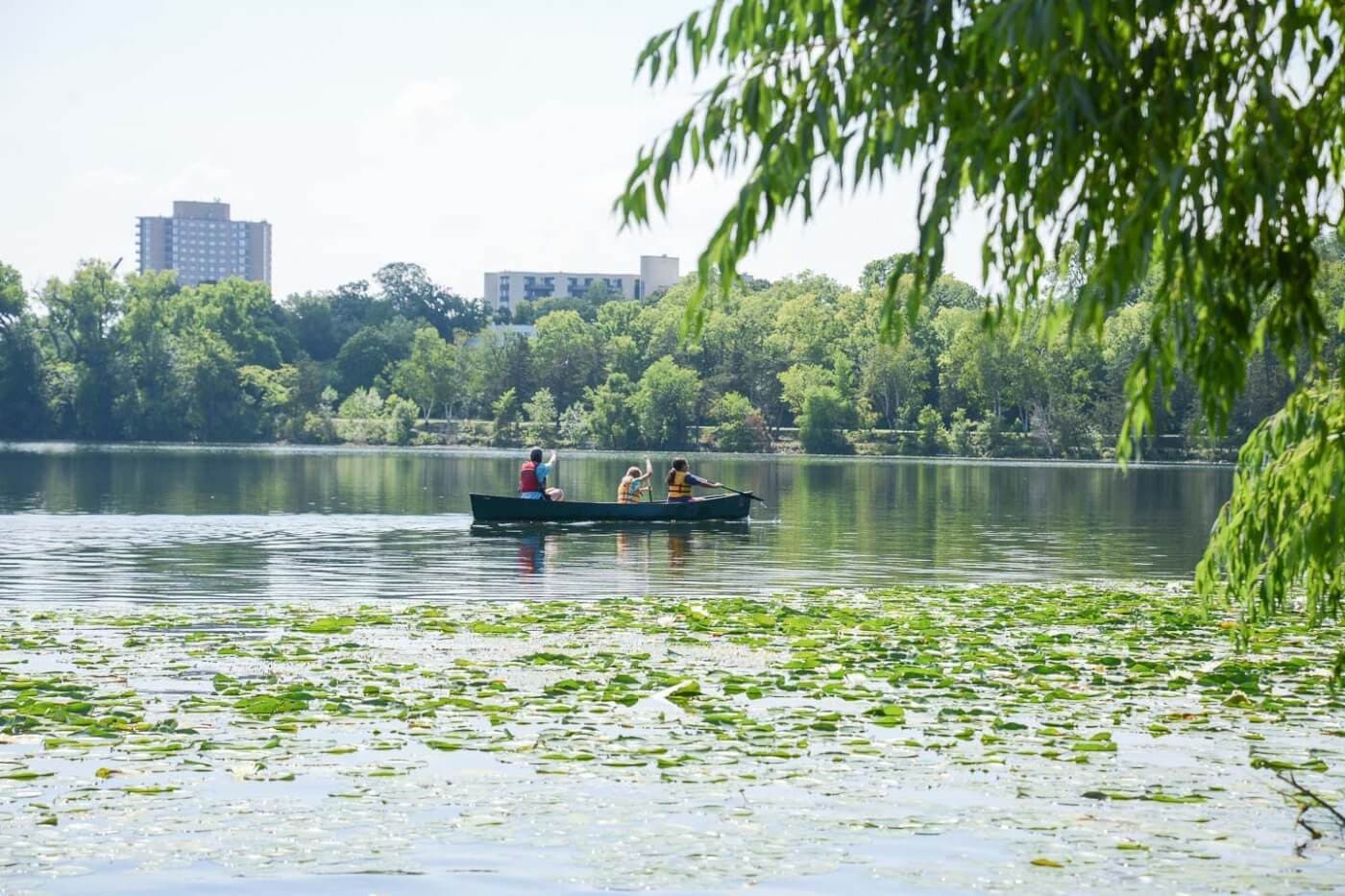
Algae at Minneapolis Lakes
The Minneapolis Park & Recreation Board issued an announcement about algae growth at city lakes following recent high temperatures.
The neighborhood, in your inbox
Free. No paywall. Pick the topics you want — we send what’s happening this week.