CityLowry HillCedar-Isles-DeanLake of the Isles
Seven Million Visitors, One Fragile Watershed
The Minneapolis Chain of Lakes drew nearly 6.9 million visits in 2024, the most of any regional park in the Twin Cities, and that volume is the central challenge in keeping the water clean.

The Minneapolis Chain of Lakes Regional Park, which links Cedar Lake, Lake of the Isles, Bde Maka Ska, Lake Harriet and Brownie Lake, recorded nearly 6.9 million visits in 2024, according to the Metropolitan Council's annual use estimate. That was nearly double the next-busiest regional parks, the Central Mississippi Riverfront and Mississippi Gorge, which each saw about 3.6 million.
That popularity is both the point of the lakes and their central problem. On a warm Saturday the loops fill with walkers, runners, cyclists, paddlers and swimmers, often within sight of one another. Heavy use brings compaction, erosion and runoff, the slow wear of millions of feet on the same paths and millions of bodies in the same water.
The surrounding watershed makes the job harder. The same density that delivers the crowds also delivers rooftops, streets and parking lots, all shedding stormwater toward the same lakes. The Minneapolis Park and Recreation Board and the Minnehaha Creek Watershed District treat that pressure as the defining issue in managing the chain, and water-quality work such as alum treatments and shoreline restoration is the response.
Much of that work is now a design question. Park Board planning for the Cedar-Isles area calls for native, stabilized shoreline along most of the banks, with hardened edges only at formal access points, an approach that concentrates foot traffic where the bank can take it and lets the rest grow into something more durable.
For the neighbors who treat the lakes as a shared backyard, the nearly 6.9 million figure is worth keeping in mind. The clear water and open banks are not infinite, and the work that protects them is, at bottom, an effort to let millions of people keep using the lakes without using them up.
Sources:;;
CityLowry HillCedar-Isles-DeanLake of the Isles
Related stories
City
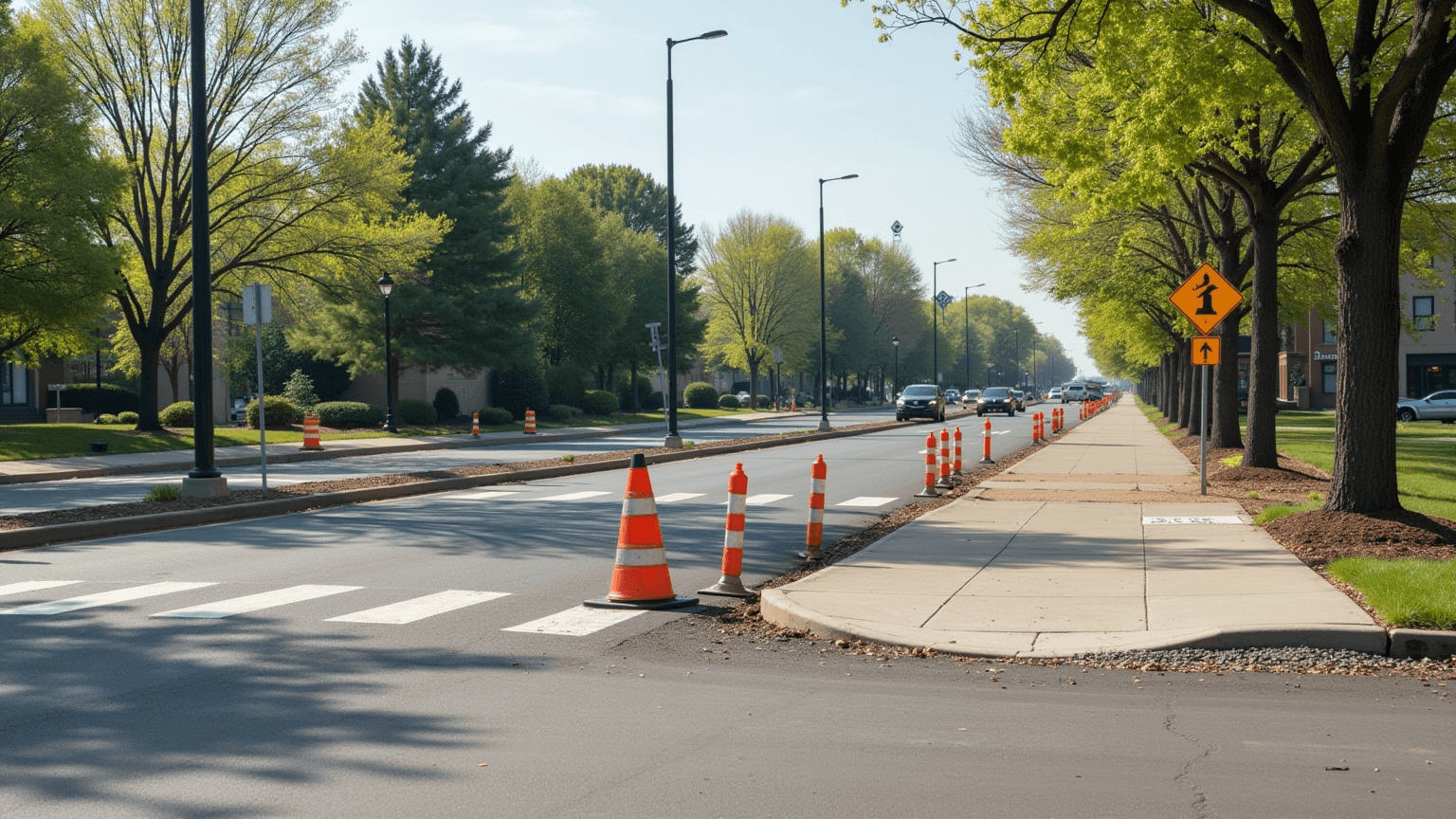
Parkway, intersection and pedestrian ramp improvements begin at Lake Harriet this year
Work to resurface Lake Harriet Parkway and improve the William Berry Parkway intersection will occur in phases starting in 2026.
City
Minneapolis Park and Recreation Board working on repairs at Northeast Ice Arena with goal of reopening in the fall
Minneapolis Park and Recreation Board plans to repair Northeast Ice Arena with a goal of reopening for the ice season this fall.
City
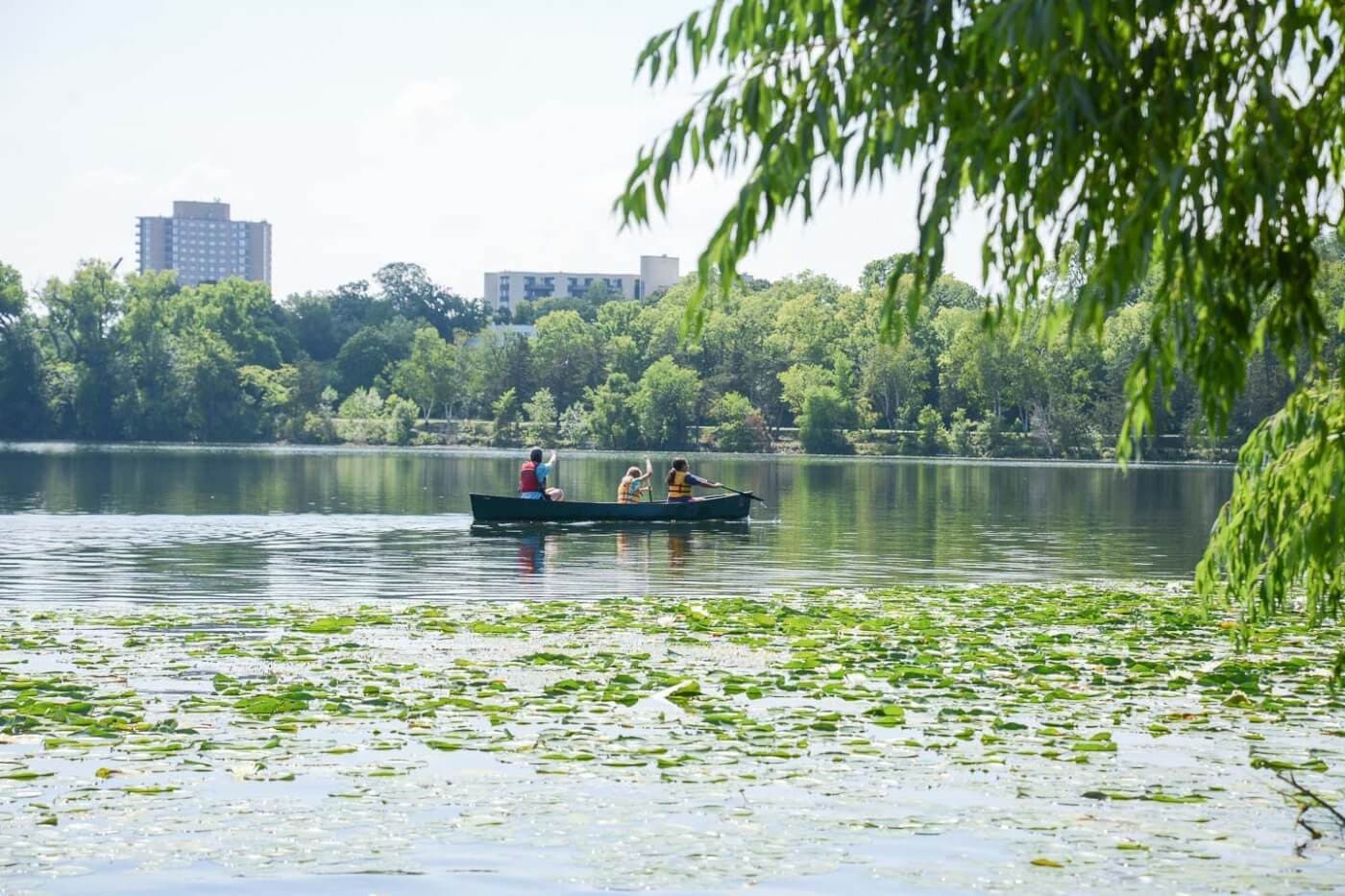
Algae at Minneapolis Lakes
The Minneapolis Park & Recreation Board issued an announcement about algae growth at city lakes following recent high temperatures.
The neighborhood, in your inbox
Free. No paywall. Pick the topics you want — we send what’s happening this week.