CityLowry HillEast IslesCedar-Isles-DeanLake of the Isles
The Nation's Largest Urban Lake Restoration, in Our Backyard
The cleanup of the Minneapolis Chain of Lakes, carried out over decades by a multi-agency partnership, has been described as the nation's largest urban lake restoration.
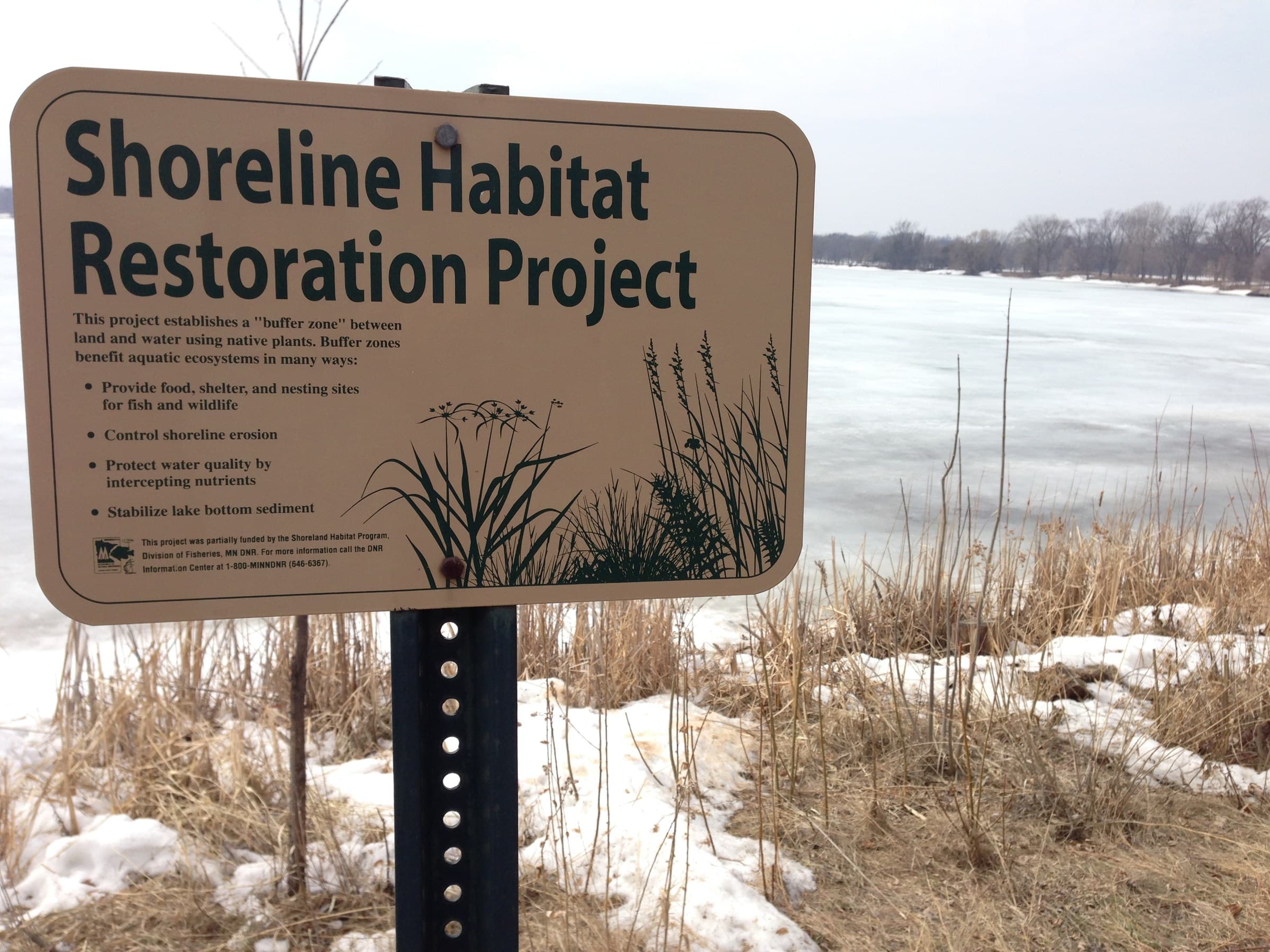
The work done on the Minneapolis Chain of Lakes has been described as the nation's largest urban lake restoration, a notable claim for a system threaded through the middle of a major city. The Minnehaha Creek Watershed District, with the Minneapolis Chain of Lakes Clean Water Partnership, led a multi-year effort to improve water quality across the connected lakes.
The toolkit was broad: wetland restorations, storm sewer and "in-pipe" improvements, in-lake aluminum sulfate (alum) treatments that bind phosphorus and sink it to the lakebed where algae cannot feed on it, shoreline rebuilding with native plants, and a sustained public-education campaign aimed at residents in the watershed. No single measure would have been enough; the scale came from applying all of them across multiple lakes over many years.
The work was carried out jointly. The Clean Water Partnership included the cities of Minneapolis and St. Louis Park, the Minnehaha Creek Watershed District, the Minnesota Pollution Control Agency, Hennepin County and the Minneapolis Park and Recreation Board. The Conservation Fund recognized the partnership with its CF Industries National Watershed Award, given to a handful of communities nationwide for protecting water resources.
Scale is what sets the effort apart. Plenty of cities have restored a single urban lake; far fewer have taken on an entire connected chain, lake by lake and channel by channel, over decades, while the public kept using the water throughout.
For Lowry Hill and East Isles residents, the upshot is a quiet point of civic pride. The clear water and open banks they walk past are not an accident of geography but the product of one of the most ambitious urban lake-restoration efforts in the country. The work is also unfinished by design: against a wetter climate and ever more hard surface, holding the gains shifts the effort from rescue to steady, year-after-year upkeep. A 2024 Star Tribune assessment that a "C" grade for the chain counts as a restoration triumph underscores both how far the lakes have come and how much maintenance still requires.
Sources: Minnehaha Creek Watershed District,; Star Tribune,
CityLowry HillEast IslesCedar-Isles-DeanLake of the Isles
Related stories
City
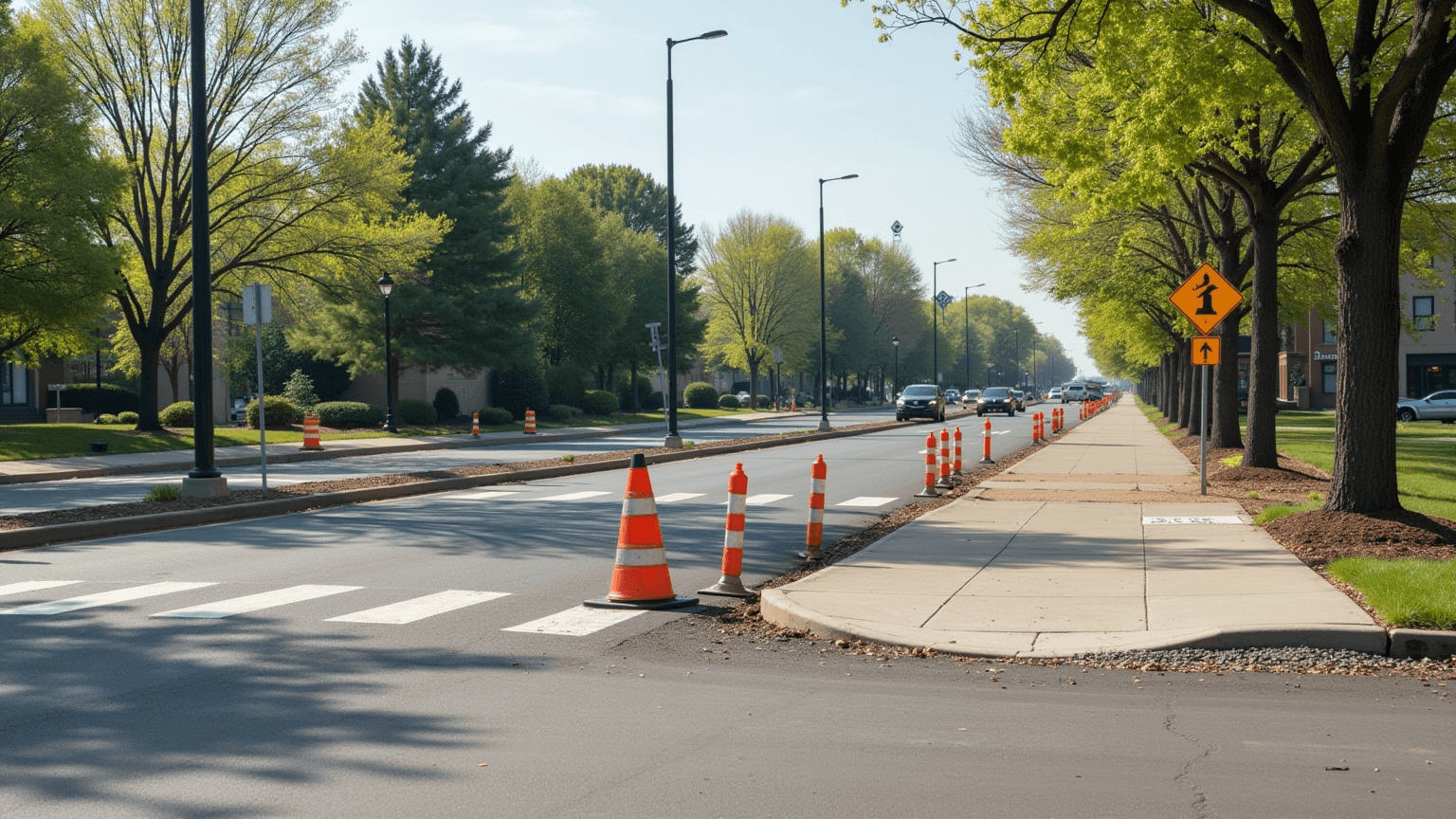
Parkway, intersection and pedestrian ramp improvements begin at Lake Harriet this year
Work to resurface Lake Harriet Parkway and improve the William Berry Parkway intersection will occur in phases starting in 2026.
City
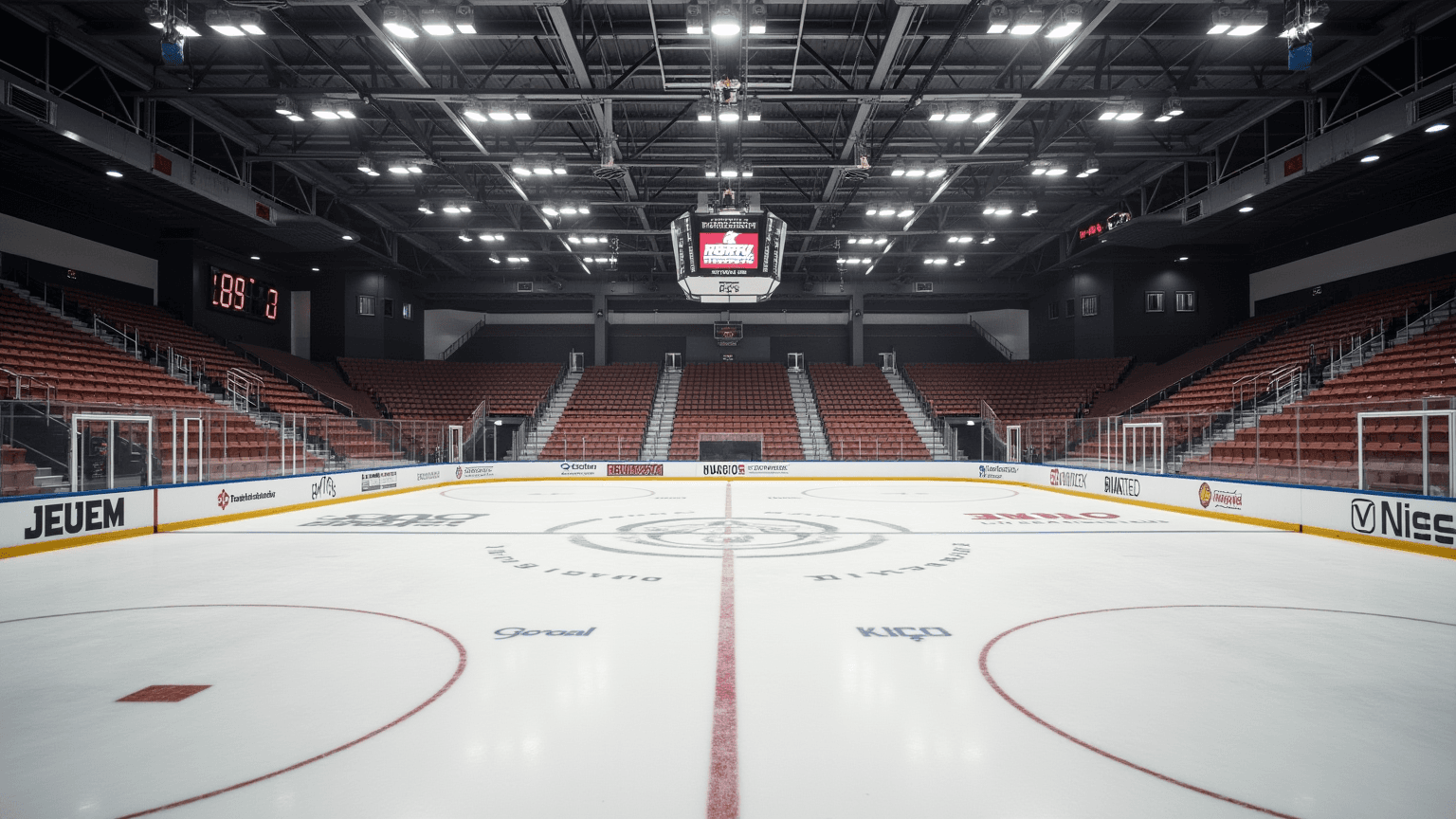
Minneapolis Park and Recreation Board working on repairs at Northeast Ice Arena with goal of reopening in the fall
Minneapolis Park and Recreation Board plans to repair Northeast Ice Arena with a goal of reopening for the ice season this fall.
City
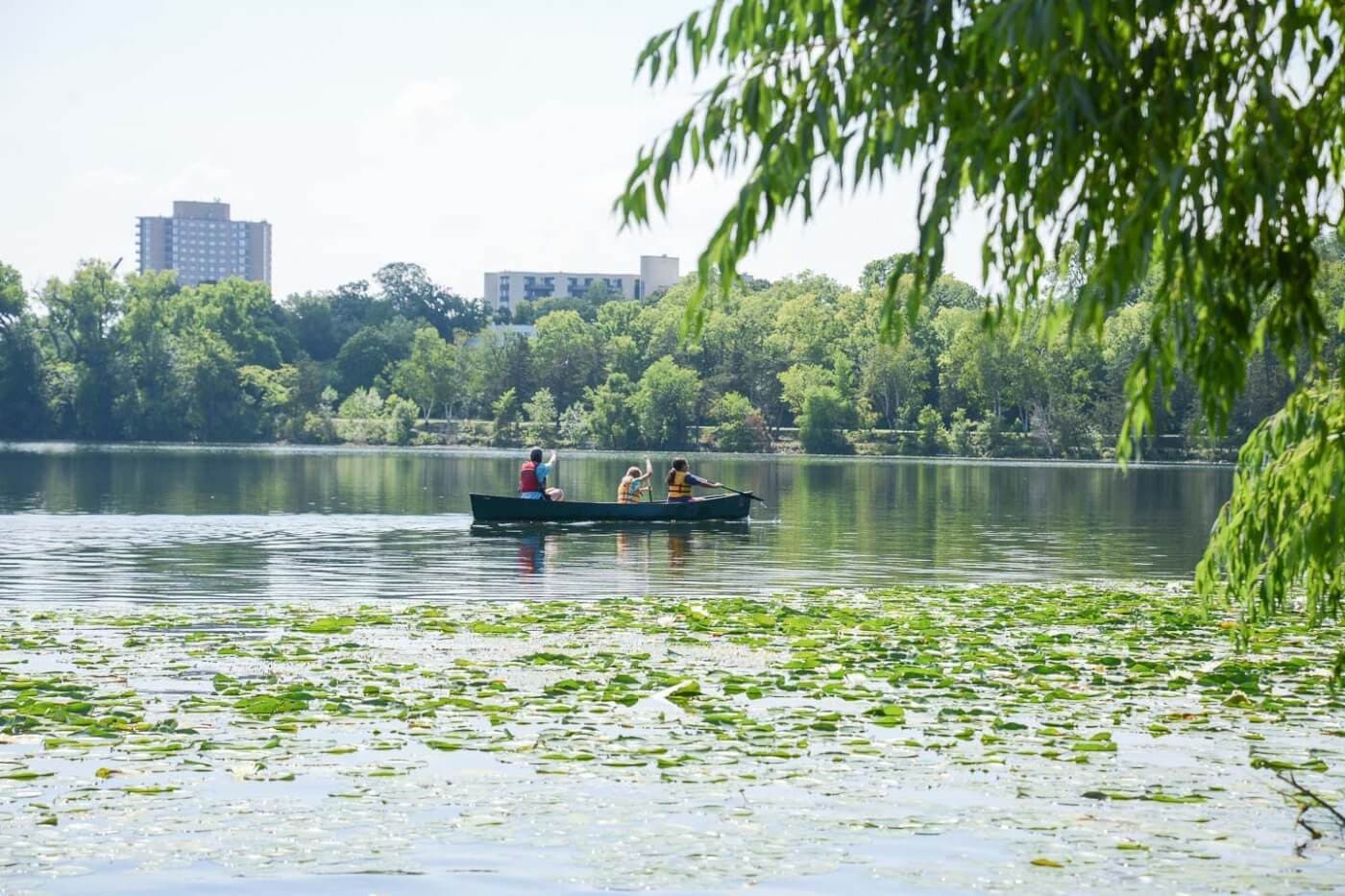
Algae at Minneapolis Lakes
The Minneapolis Park & Recreation Board issued an announcement about algae growth at city lakes following recent high temperatures.
The neighborhood, in your inbox
Free. No paywall. Pick the topics you want — we send what’s happening this week.