CityLowry HillEast IslesCedar-Isles-DeanLake of the Isles
Grit Chambers and Constructed Wetlands: The Lake's Hidden Plumbing
Grit chambers and treatment wetlands strip sediment and pollutants from stormwater before it reaches Cedar Lake and Lake of the Isles.
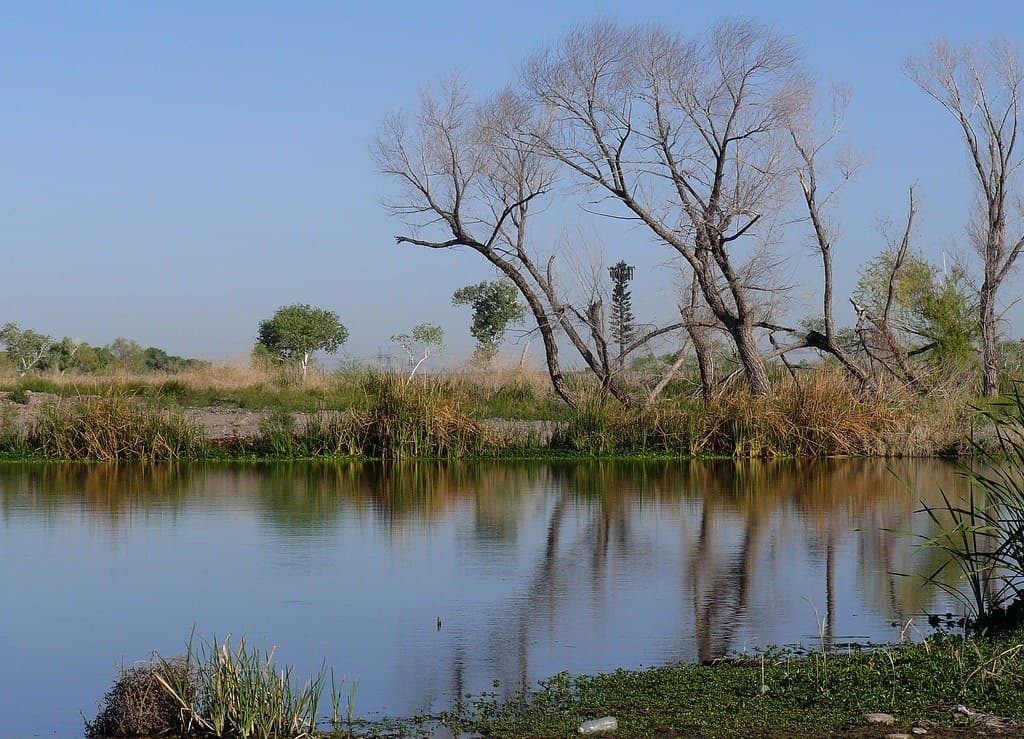
Most of the work of keeping the lakes around Lowry Hill and East Isles clean happens before stormwater ever reaches open water. Minneapolis Public Works maintains 145 grit chambers — large underground concrete boxes with baffles that slow runoff so sand, sediment and debris settle out — the first of which the city installed in 1915.
Every storm turns streets, roofs and parking lots into a funnel that sends a fast surge of dirty water toward the nearest storm drain. Left untreated, that surge carries sand, salt, sediment, leaves and phosphorus straight into the lakes. A grit chamber catches the heavy material; a treatment wetland or stormwater pond then uses plants and soil to filter the finer pollutants before water reaches the lake.
The Park Board and the Minnehaha Creek Watershed District have built wetland and stormwater ponds, restored shorelines and dosed lakes with alum across the Chain of Lakes for decades. Cedar Lake and Lake of the Isles were both treated with alum — which binds phosphorus and sinks it to the lake bottom — in 1996; Cedar held its gains while Lake of the Isles, which got the lowest dose, returned to pretreatment conditions after about six years, according to a study of the chain published in Lake and Reservoir Management. In recent ratings, Cedar, Lake of the Isles, Bde Maka Ska and Harriet each scored a C, with Cedar's phosphorus near natural levels.
This infrastructure only works if it is maintained. A grit chamber that fills with the sediment it captured stops capturing, and the city periodically removes accumulated sediment from chambers and ponds to restore their capacity. For a swimmer or paddler, the clear water of late summer is the visible end of a chain of buried structures doing the dirty work upstream.
[unverifiable: the original draft referenced a specific "Cedar-Isles plan"; the Park Board's Cedar-Isles work is a parks master-plan process, not a single named water-quality construction project, so that framing was not used.]
CityLowry HillEast IslesCedar-Isles-DeanLake of the Isles
Related stories

City
Parkway, intersection and pedestrian ramp improvements begin at Lake Harriet this year
Work to resurface Lake Harriet Parkway and improve the William Berry Parkway intersection will occur in phases starting in 2026.
City
Minneapolis Park and Recreation Board working on repairs at Northeast Ice Arena with goal of reopening in the fall
Minneapolis Park and Recreation Board plans to repair Northeast Ice Arena with a goal of reopening for the ice season this fall.

City
Algae at Minneapolis Lakes
The Minneapolis Park & Recreation Board issued an announcement about algae growth at city lakes following recent high temperatures.
The neighborhood, in your inbox
Free. No paywall. Pick the topics you want — we send what’s happening this week.