CityLowry HillLake of the Isles
Reduce the Chloride: The Winter Salt Problem Nobody Talks About
Road salt spread on streets and sidewalks in winter washes into the Chain of Lakes and stays there, because chloride does not break down once it dissolves.
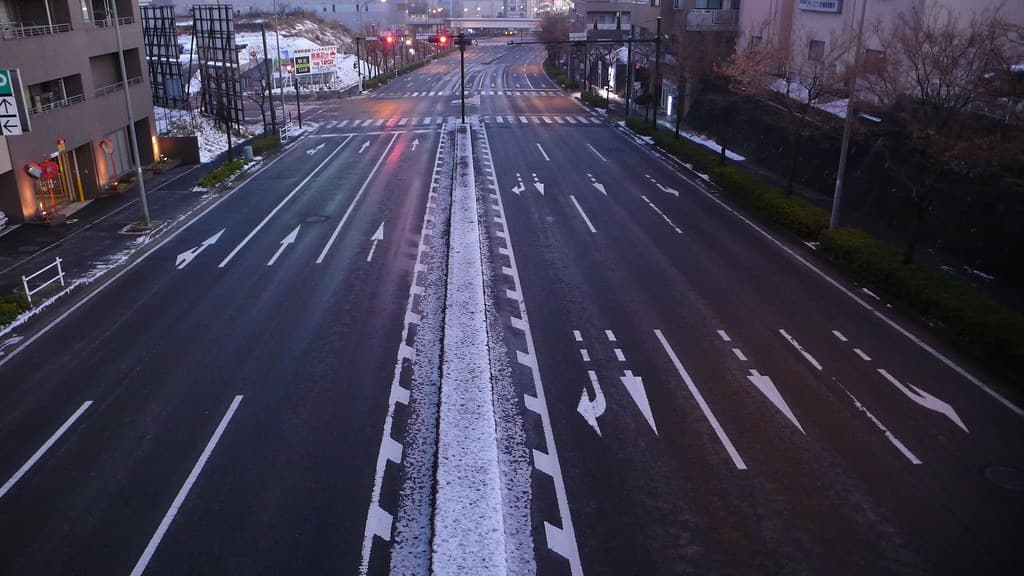
Unlike sediment, which can settle out in grit chambers and wetlands, or phosphorus, which alum treatments can bind, dissolved chloride passes straight through the filters and restored shorelines that protect the lakes. Once it reaches the water it accumulates, and each winter adds more. The Minnesota Pollution Control Agency reports that chloride levels in Twin Cities lakes and streams have been climbing for years and that there is no practical way to remove it after it dissolves, which makes prevention the only real strategy.
The Minneapolis Park & Recreation Board samples chloride along with phosphorus, nitrogen and chlorophyll-a as part of its routine lake monitoring, and works with certified Smart Salting applicators to cut the amount spread on park property. At high enough concentrations, chloride harms the aquatic insects and fish the lakes support.
What makes salt unusual among lake pollutants is that the most effective response sits at the front step rather than with any agency. The MPCA's Smart Salting program trains plow drivers and private contractors to use far less salt without sacrificing winter safety, noting that just one teaspoon of salt permanently pollutes five gallons of water. The agency's guidance to residents is the same: shovel early, scatter salt sparingly and only where needed, and use sand instead when temperatures drop below 15 degrees, since most de-icers stop working in that range. For the neighborhoods ringing Lake of the Isles and Bde Maka Ska, a lighter hand with the salt bag is a rare lake problem a homeowner can act on directly.
CityLowry HillLake of the Isles
Related stories
City
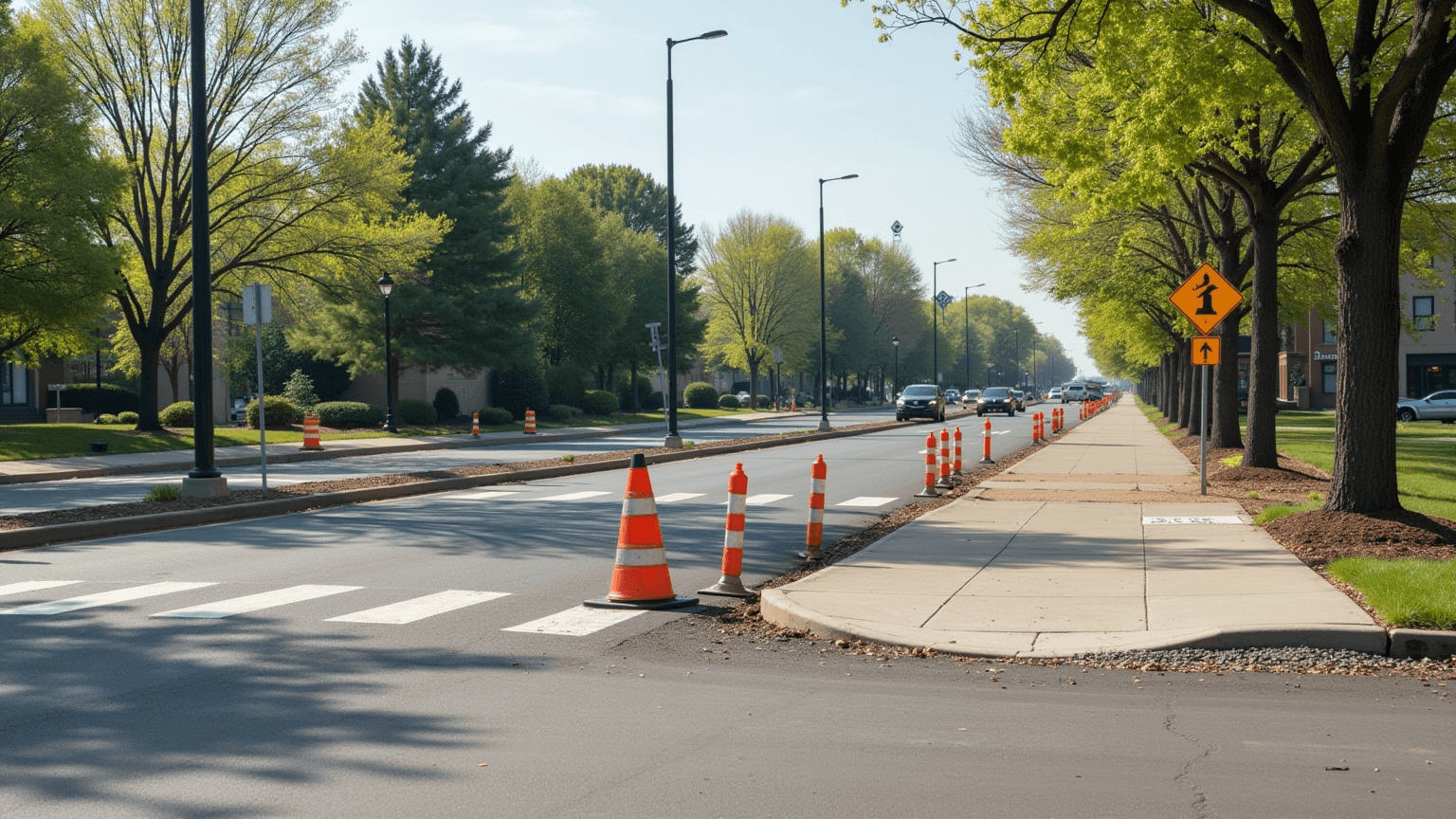
Parkway, intersection and pedestrian ramp improvements begin at Lake Harriet this year
Work to resurface Lake Harriet Parkway and improve the William Berry Parkway intersection will occur in phases starting in 2026.
City
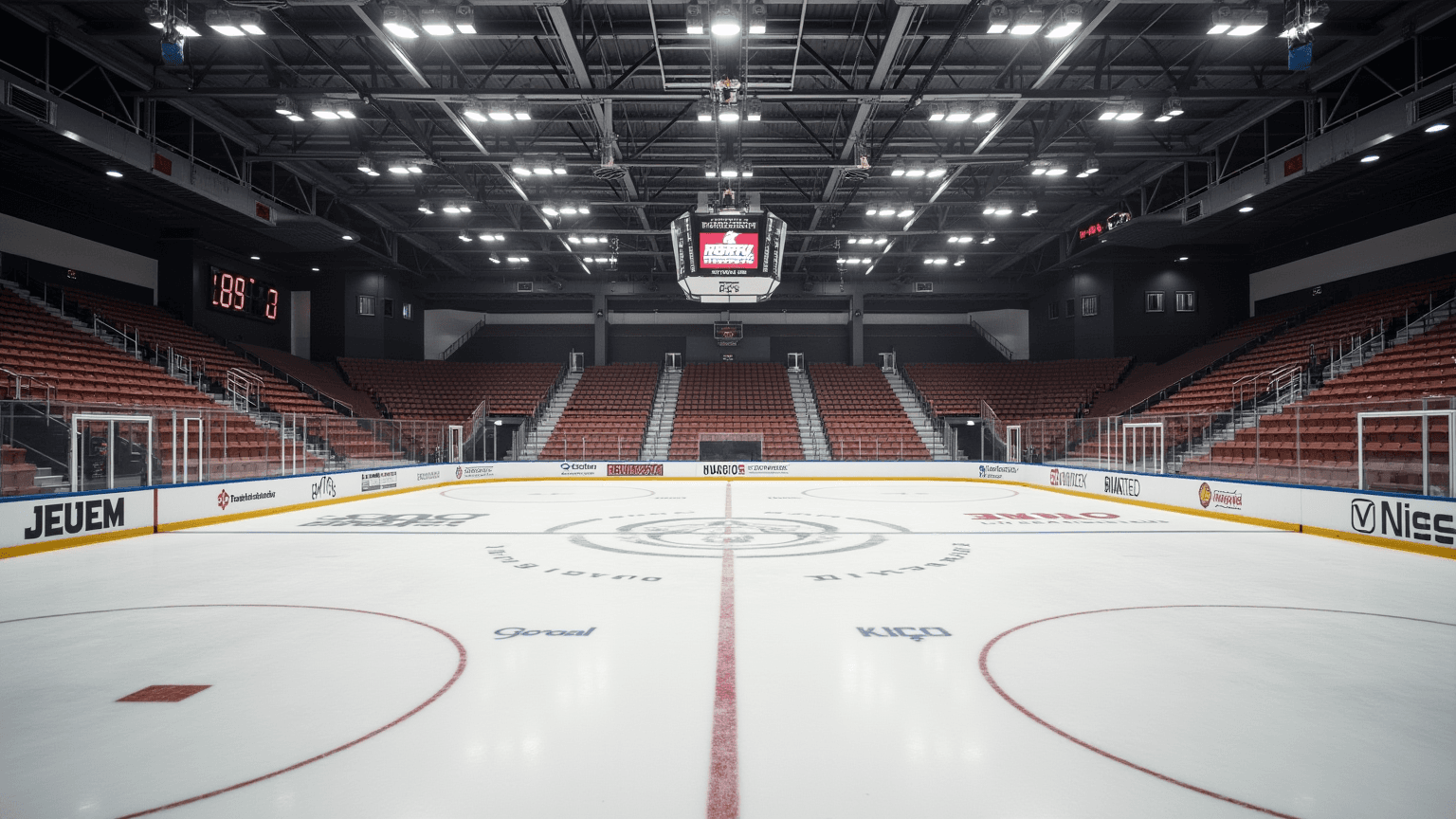
Minneapolis Park and Recreation Board working on repairs at Northeast Ice Arena with goal of reopening in the fall
Minneapolis Park and Recreation Board plans to repair Northeast Ice Arena with a goal of reopening for the ice season this fall.
City
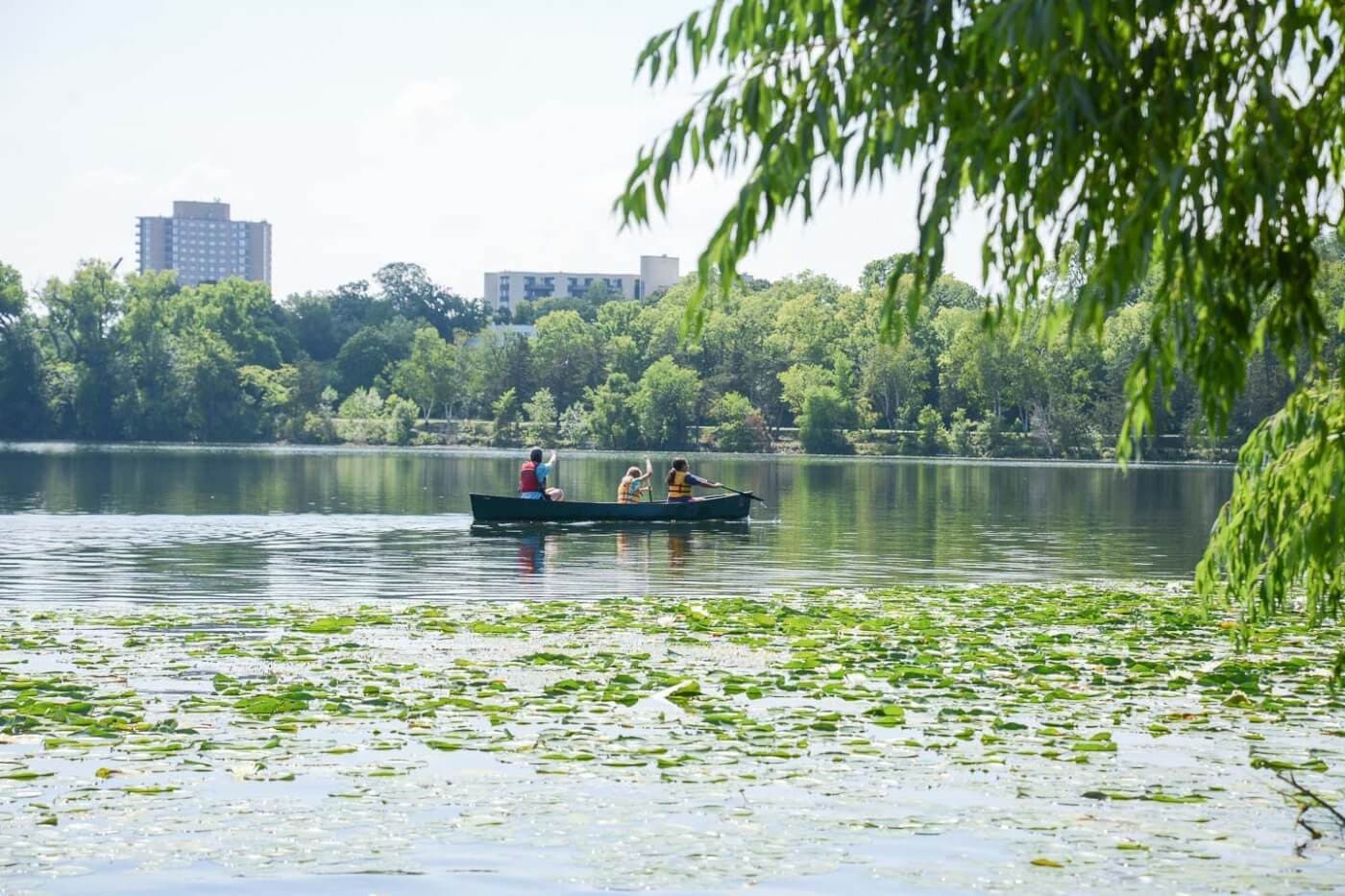
Algae at Minneapolis Lakes
The Minneapolis Park & Recreation Board issued an announcement about algae growth at city lakes following recent high temperatures.
The neighborhood, in your inbox
Free. No paywall. Pick the topics you want — we send what’s happening this week.