CityLowry HillLake of the Isles
Address the Runoff From All Hard Surfaces
The Park Board treats stormwater running off streets and rooftops as the main threat to Lake of the Isles and the Chain of Lakes.
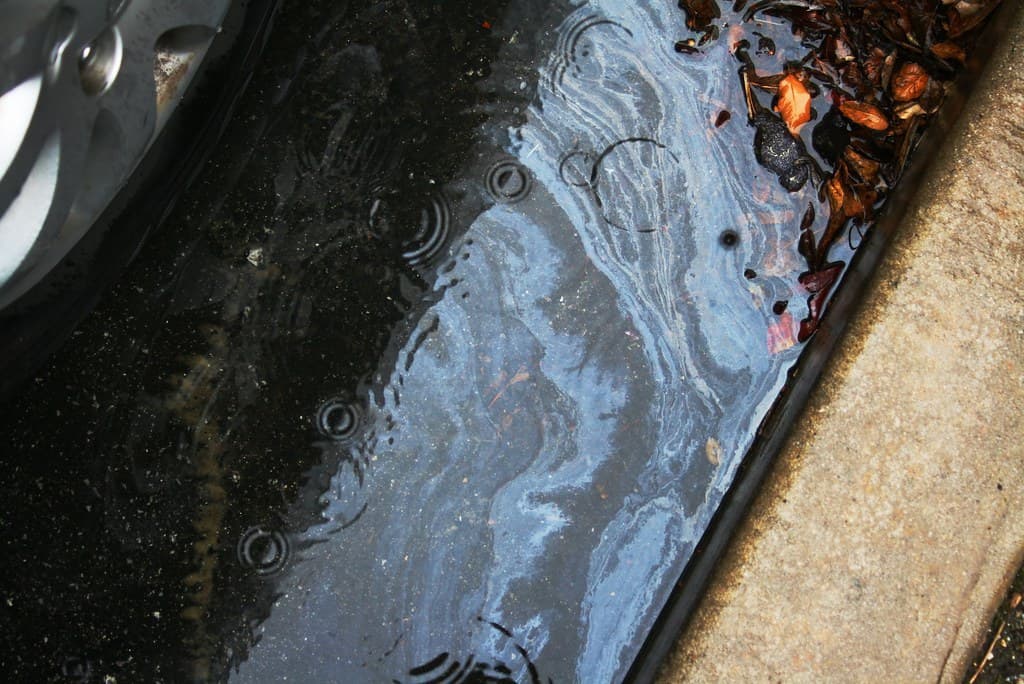
When the Minneapolis Park and Recreation Board sets water-quality goals for Lake of the Isles and its neighbors, the first item is usually stormwater runoff from hard surfaces. The lakes' watershed is essentially the surrounding city, so the biggest threat to the water is not in the lake but on the streets and rooftops draining toward it.
Every roof, driveway, parking lot and street keeps water from soaking in. When it rains, that water runs off fast, picking up salt, sediment, lawn chemicals, oil and leaves, and heads for the nearest storm drain, which often empties toward a lake. The denser the neighborhood, the more hard surface, and the harder the runoff hits. The Minneapolis Lake Water Quality Monitoring Program, running since 1991, measures the result in the water — sampling chloride, phosphorus, chlorophyll-a, clarity and more from April through October — but the cause is spread across thousands of public and private surfaces upstream.
The fixes share a logic: slow the water, spread it out, and let the ground absorb and filter what it can. The board has installed stormwater retention ponds, grit chambers and rain gardens across the park system to let phosphorus and sediment settle out before runoff reaches the lakes.
Because so much hard surface sits on private property, the goal reaches beyond park boundaries. A rain garden in a Lowry Hill yard, a permeable driveway, or a downspout aimed at a planting bed instead of the gutter is a small piece of the same job the Park Board does at the shoreline. Runoff is also the common thread tying the lakes' problems together: the same surge carries the bacteria that close beaches, the sediment that clouds the water, the phosphorus that feeds algae and the chloride from road salt that does not break down. Slowing that surge chips away at all of them at once, which is why addressing runoff sits atop the board's water-quality goals.
CityLowry HillLake of the Isles
Related stories
City
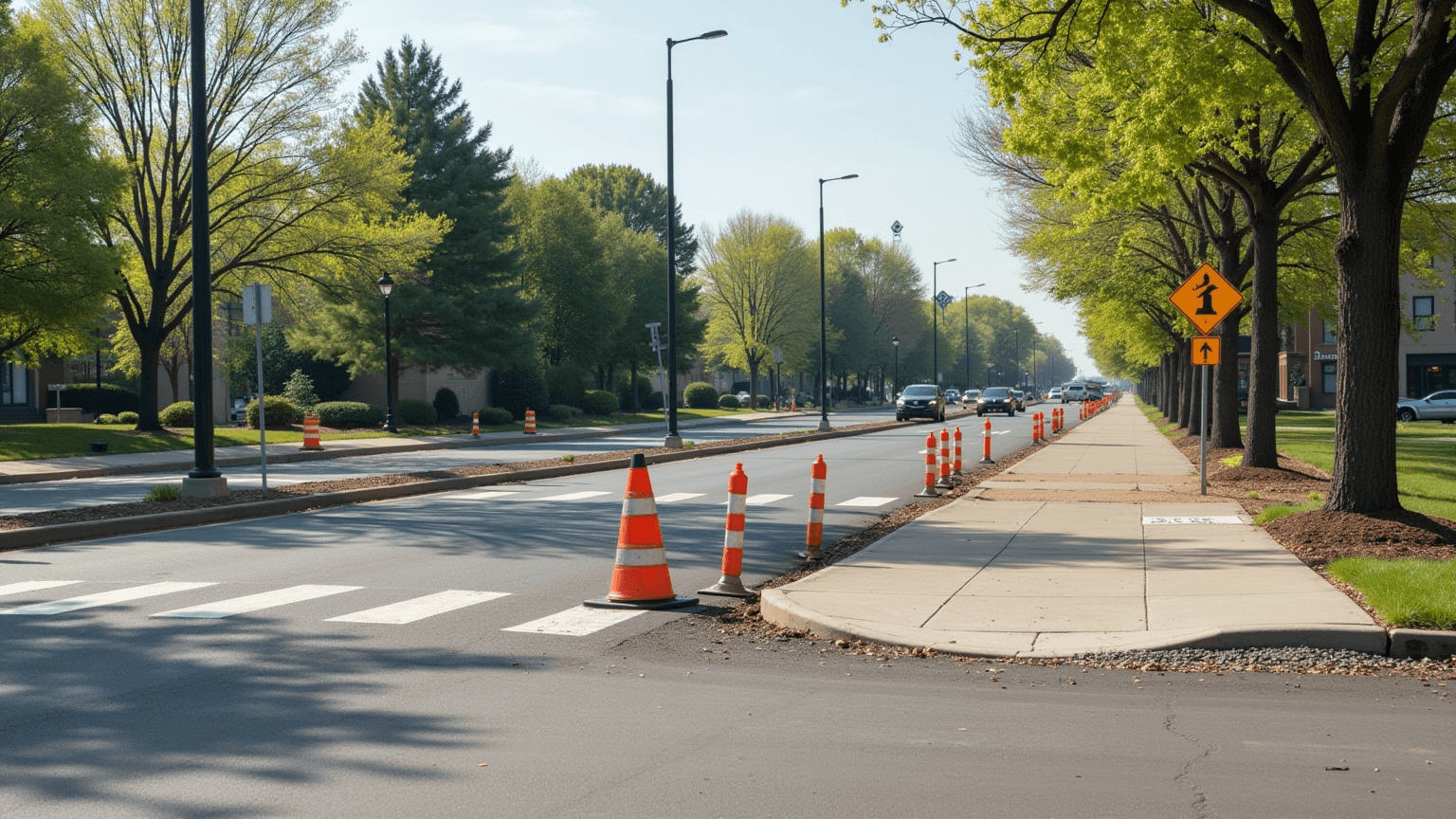
Parkway, intersection and pedestrian ramp improvements begin at Lake Harriet this year
Work to resurface Lake Harriet Parkway and improve the William Berry Parkway intersection will occur in phases starting in 2026.
City
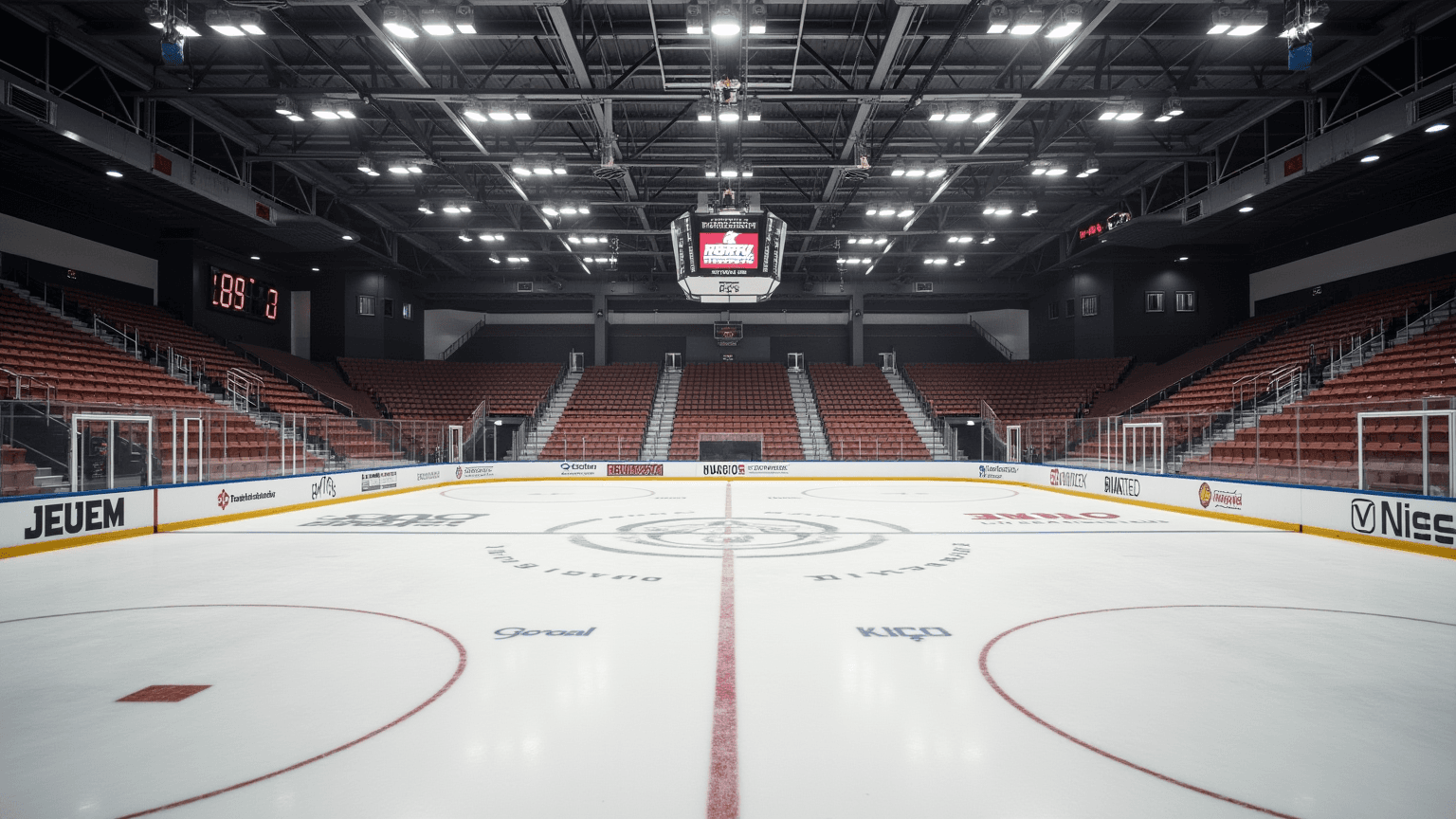
Minneapolis Park and Recreation Board working on repairs at Northeast Ice Arena with goal of reopening in the fall
Minneapolis Park and Recreation Board plans to repair Northeast Ice Arena with a goal of reopening for the ice season this fall.
City
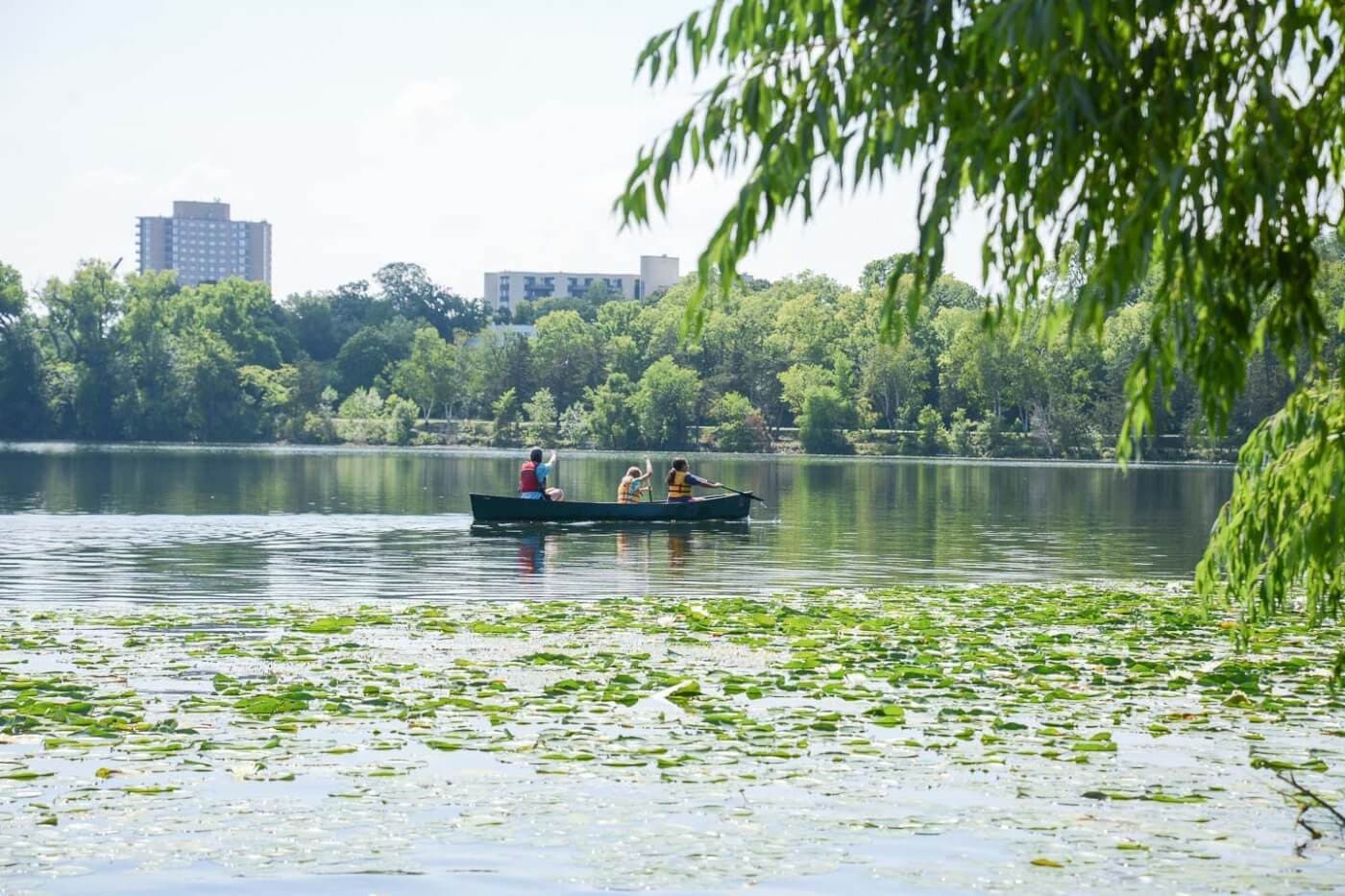
Algae at Minneapolis Lakes
The Minneapolis Park & Recreation Board issued an announcement about algae growth at city lakes following recent high temperatures.
The neighborhood, in your inbox
Free. No paywall. Pick the topics you want — we send what’s happening this week.