CityCedar-Isles-DeanLake of the Isles
Where the Bike Trail Meets the Light Rail
The reopened Kenilworth trail near the lakes now shares a strip of land barely 50 feet wide in spots with the BNSF freight railroad and the Green Line Extension light rail.
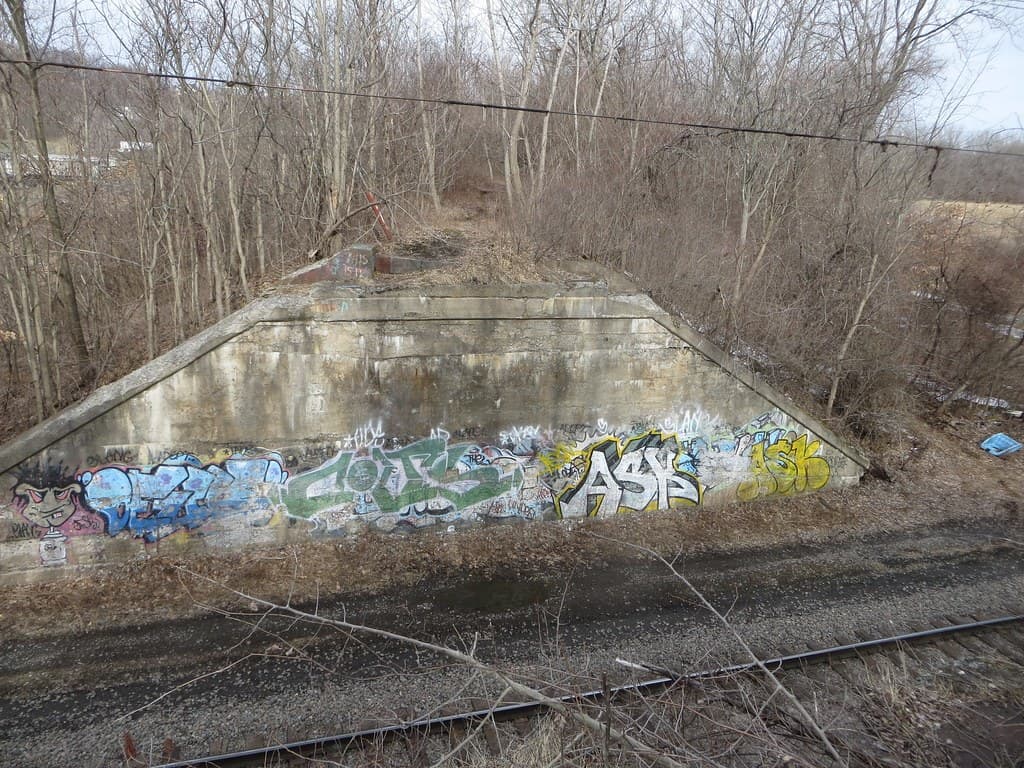
The Kenilworth corridor between Lake of the Isles and Cedar Lake has always been tight, a slender band of land carrying the BNSF freight railroad and a heavily used bike-and-pedestrian trail. The Metro Green Line Extension added a third user, light rail, and fitting all three into the same strip became the central engineering puzzle of the project. The corridor narrows to about 50 feet in places, and the alignment runs within roughly six inches of some adjacent buildings.
The answer was to put the light rail underground for part of the stretch. The half-mile Kenilworth tunnel, the single most difficult and expensive feature of the line, lets the trains and the trail occupy the same slice of land. It has also been the project's chief headache: the water table sits 15 to 20 feet down, and the construction trench flooded repeatedly, work the Office of the Legislative Auditor cited among the reasons the line ran late and over budget.
The long trail closure was part of the price of that coexistence. Crews could not bore a tunnel and lay track through a corridor that narrow while keeping a busy trail open beside it. The Kenilworth and North Cedar Lake trails stayed closed for nearly seven years; the final segment reopened March 25, 2026.
With the trail back and the Metropolitan Council restoring the corridor's landscaping, freight rail, light rail and a bike-and-pedestrian path now run within a few feet of one another, each on its own defined route. The Green Line Extension is slated to open in early 2027, after testing that runs through 2026 and a budget that climbed to about $2.86 billion from a 2013 estimate of $1.3 billion.
CityCedar-Isles-DeanLake of the Isles
Related stories
City
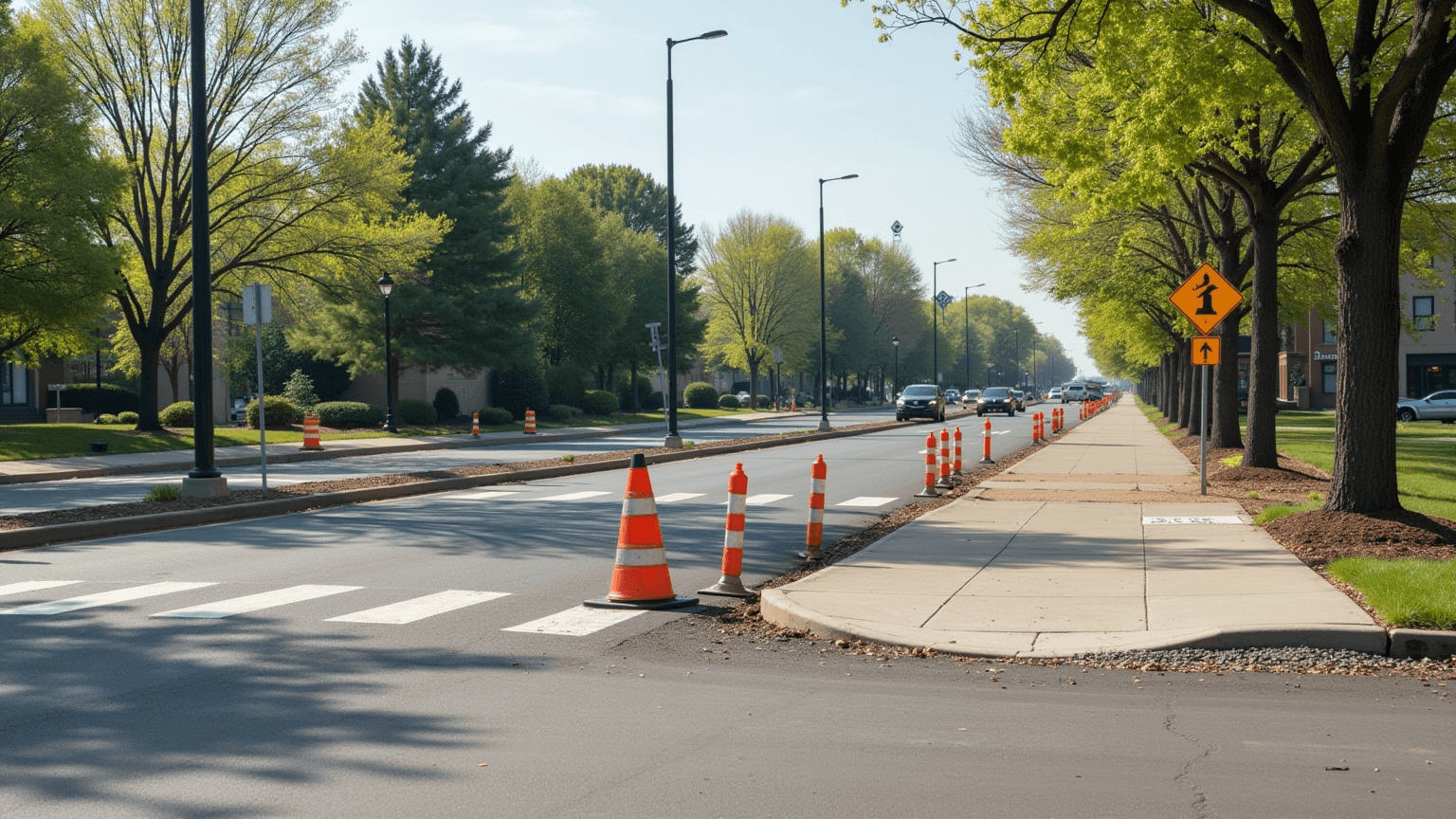
Parkway, intersection and pedestrian ramp improvements begin at Lake Harriet this year
Work to resurface Lake Harriet Parkway and improve the William Berry Parkway intersection will occur in phases starting in 2026.
City
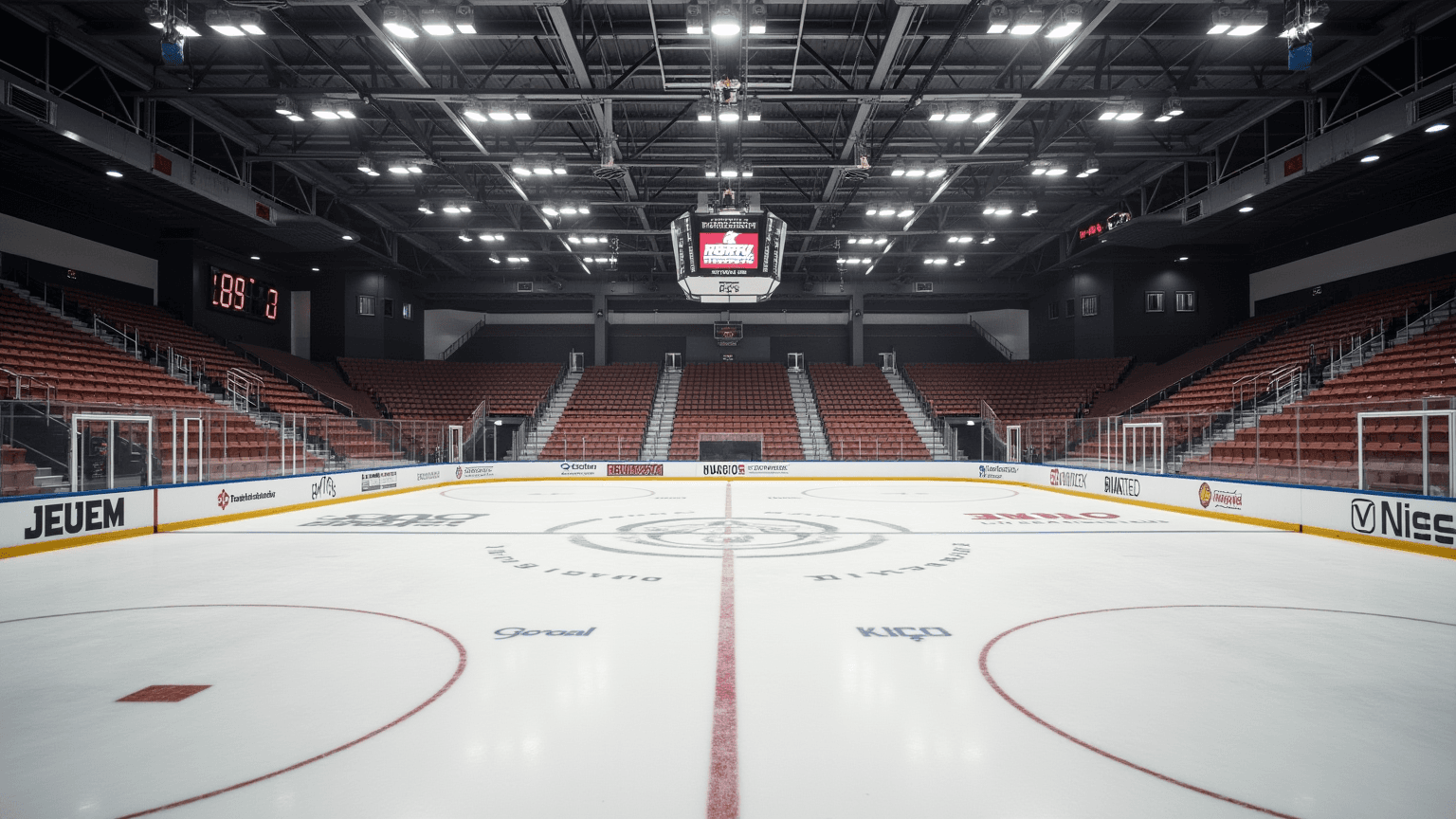
Minneapolis Park and Recreation Board working on repairs at Northeast Ice Arena with goal of reopening in the fall
Minneapolis Park and Recreation Board plans to repair Northeast Ice Arena with a goal of reopening for the ice season this fall.
City
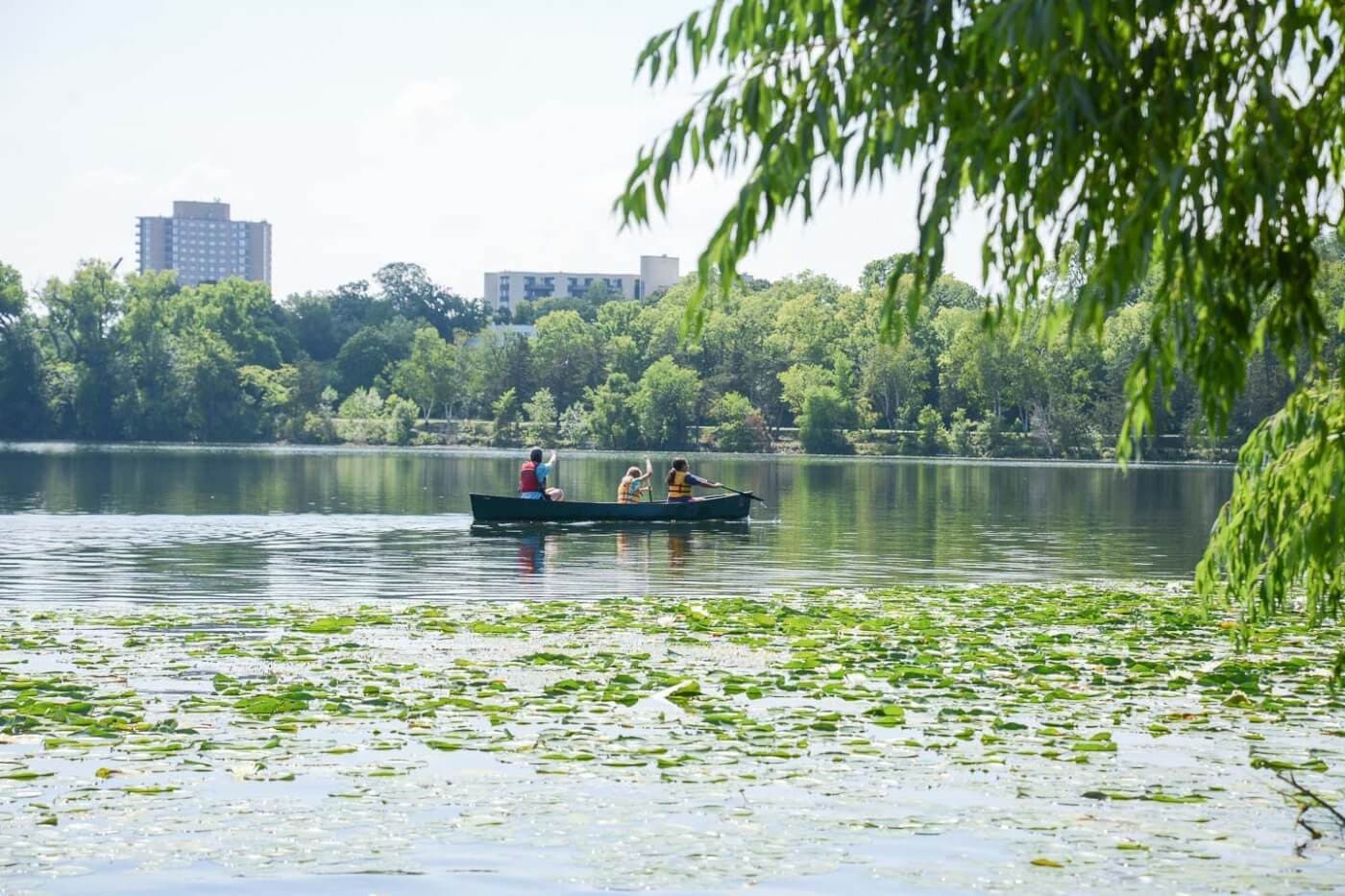
Algae at Minneapolis Lakes
The Minneapolis Park & Recreation Board issued an announcement about algae growth at city lakes following recent high temperatures.
The neighborhood, in your inbox
Free. No paywall. Pick the topics you want — we send what’s happening this week.