CityLowry HillLowry Hill East (The Wedge)Kenwood
Data-Center Zoning Heads to the Council as Downtown Pushes Office-to-Housing
The Minneapolis City Council voted 8-5 on May 21, 2026, to impose a six-month moratorium on data centers larger than 350,000 square feet, with Ward 7 Council Member Elizabeth Shaffer among the five who opposed it.

The interim ordinance halts the establishment, re-establishment or expansion of large data centers while city staff study the facilities' effects on energy and water use, noise and neighborhoods. Projects under 350,000 square feet in the downtown core, bounded by Interstate 35W, Interstate 94, Plymouth Avenue and the Mississippi River, are exempt. The pause runs into November.
Council Members Aurin Chowdhury of Ward 12 and Jason Chavez of Ward 9 authored the ordinance, which creates a new chapter in the city's zoning code. Shaffer had earlier moved to send the proposal back to its authors, aligning with members who argued a moratorium signals caution to investors even as the city courts development. The measure arrives as artificial-intelligence demand drives a national surge in such facilities; Minnesota already has roughly 60 data centers.
The vote shared a spring agenda dominated by questions of what gets built and where. Downtown's recovery has leaned on converting empty office space to housing: the district now counts more than 60,000 residents, a record, and the mayor's office has promoted a "Rocket Docket" meant to speed office-to-housing conversions, with Tax Increment Financing available to help close the gap on projects that pencil out only with public help. Remote and hybrid work hollowed out office demand, and conversions are expensive and technically tricky, which is why the city is leaning on faster permitting and gap financing.
At the neighborhood scale, the city is developing pre-approved designs for accessory dwelling units, the small secondary homes sometimes called backyard cottages. ADUs have been legal in Minneapolis for years, but cost and complexity have kept the numbers modest; a menu of vetted plans is meant to spare homeowners bespoke architectural and engineering review and give the city a faster, more predictable approval path. For Ward 7, where dense Wedge blocks sit beside large lots in Kenwood and Lowry Hill, the ADU effort is one of the few housing tools that touches nearly every kind of property in the ward.
CityLowry HillLowry Hill East (The Wedge)Kenwood
Related stories
City
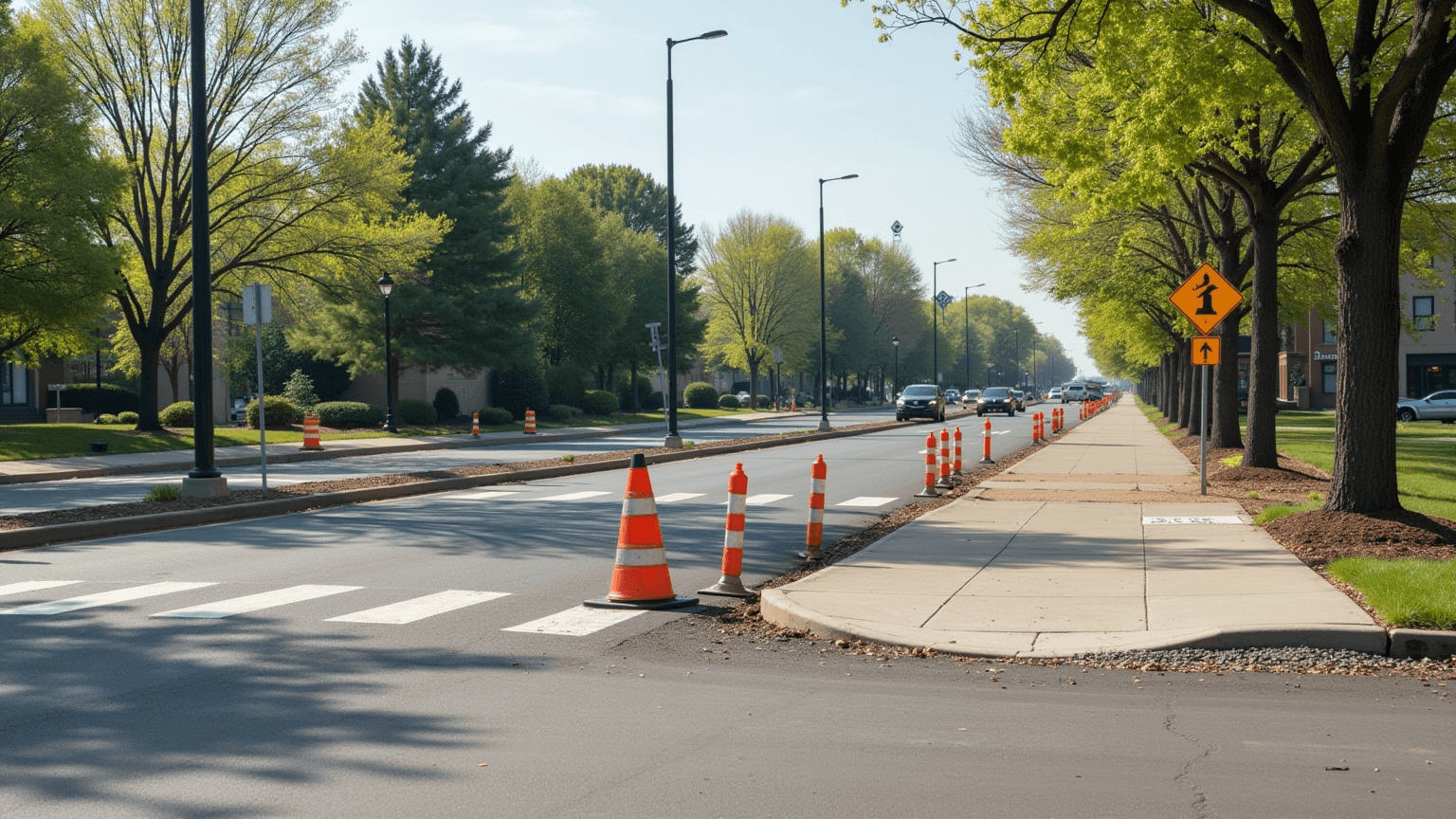
Parkway, intersection and pedestrian ramp improvements begin at Lake Harriet this year
Work to resurface Lake Harriet Parkway and improve the William Berry Parkway intersection will occur in phases starting in 2026.
City
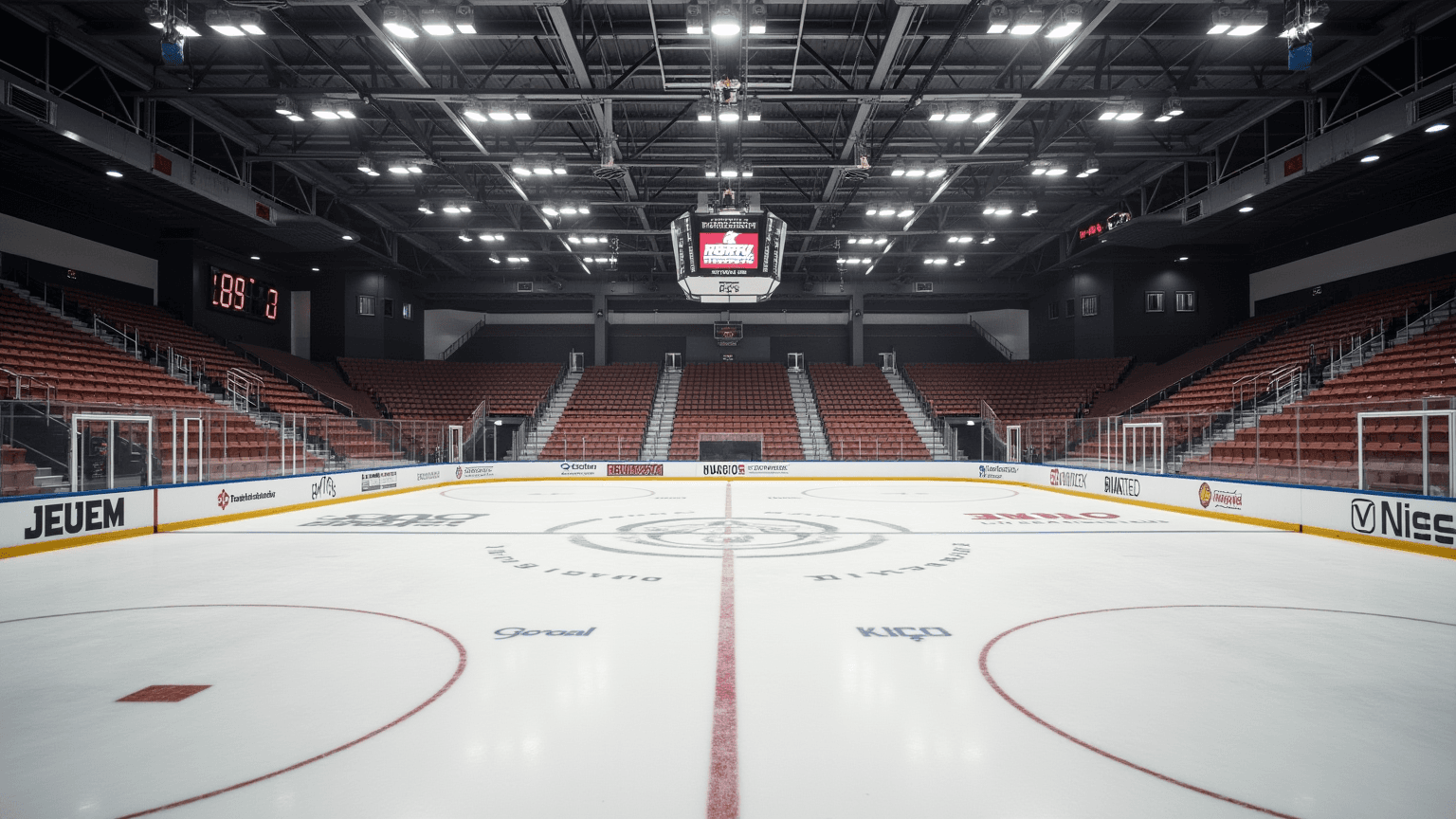
Minneapolis Park and Recreation Board working on repairs at Northeast Ice Arena with goal of reopening in the fall
Minneapolis Park and Recreation Board plans to repair Northeast Ice Arena with a goal of reopening for the ice season this fall.

City
Algae at Minneapolis Lakes
The Minneapolis Park & Recreation Board issued an announcement about algae growth at city lakes following recent high temperatures.
The neighborhood, in your inbox
Free. No paywall. Pick the topics you want — we send what’s happening this week.