OpinionLowry Hill
The Sculpture Garden in Winter Is Its Own Exhibition
Opinion: Snow turns the Minneapolis Sculpture Garden's familiar works quieter and stranger, the off-season crowds thin to almost none, and that is exactly why winter is the best time to go.
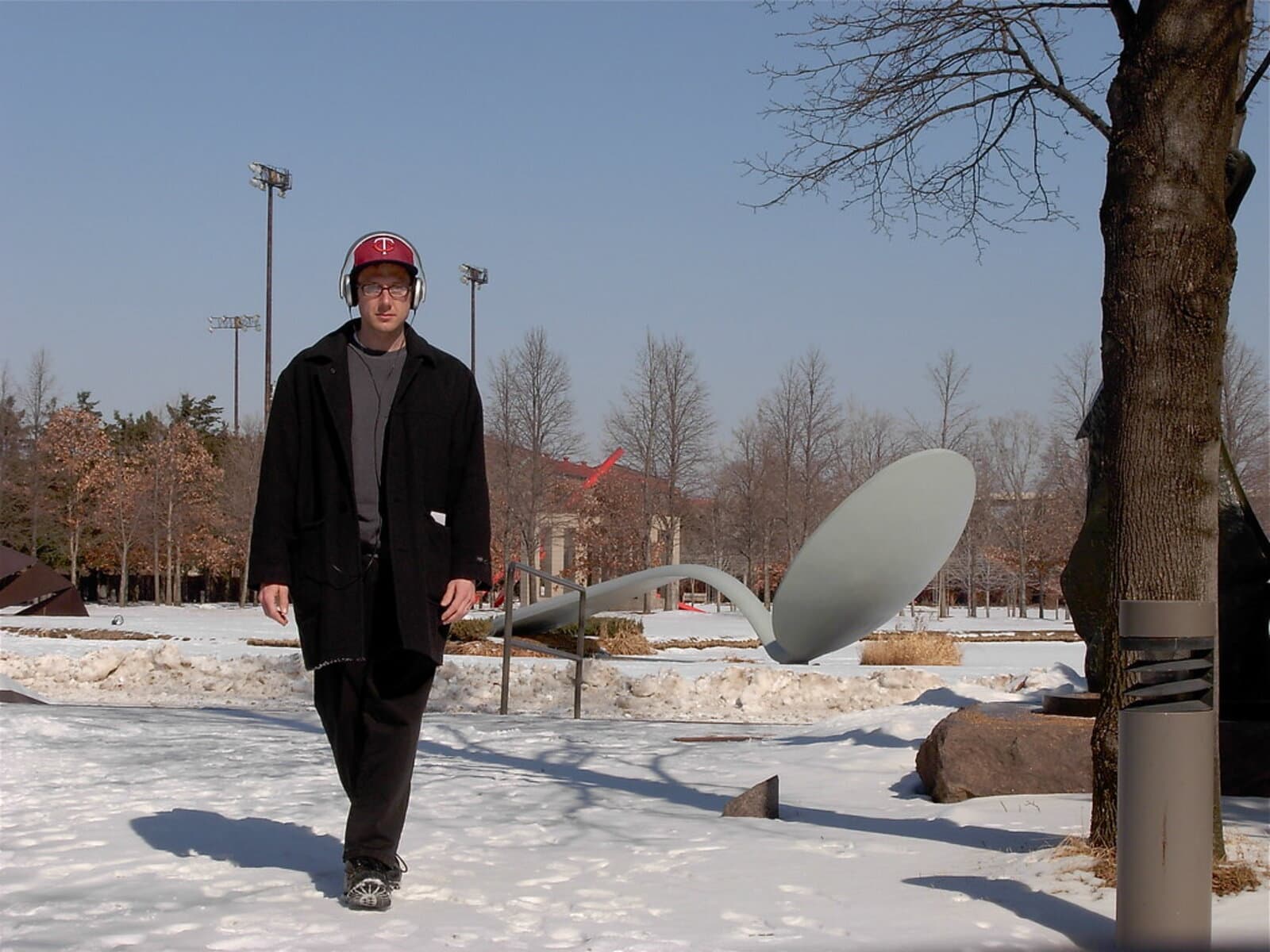
Most visitors know the Minneapolis Sculpture Garden as a summer place, all green lawns and wedding parties posing at the spoon. But the 11-acre park at 725 Vineland Place, a partnership of the Walker Art Center and the Minneapolis Park and Recreation Board that holds more than 60 works, is arguably at its most striking in the season most people skip.
Spoonbridge and Cherry, the Claes Oldenburg and Coosje van Bruggen fountain built between 1985 and 1988, becomes a different sculpture under fresh snow. The red cherry reads as a single warm note in a white field, the curve of the spoon traced in snow, the whole composition stripped to its essentials. The same goes for the rest of the collection, which ranges from Alexander Calder to recent works by Theaster Gates and Angela Two Stars: pieces that compete with summer crowds in July stand alone in January, isolated and clarified.
Winter changes the light, too. A low sun, long shadows and reflective snow give the same sculptures a different palette every clear afternoon, so even a regular who has walked the loop a hundred times finds the familiar made strange.
So here is the case for going in the cold. The Garden is open daily and free, year-round, from 6 a.m. to midnight. In February the crowds thin to almost nothing, and a Lowry Hill resident can stand alone in front of one of the most photographed objects in the state without another camera in sight. A summer visit is a social event; a winter visit, on a clear day after a snowfall and before the paths are tracked up, is closer to a private viewing, the kind of unhurried looking that sculpture rewards.
OpinionLowry Hill
Related stories
Opinion
Opinion: Practical Local Pages Deserve the Front Page
A neighborhood site earns trust when its calendar, directory and public-safety basics are easy to find every day.
Opinion
Letter: A Thank-You to the Hill's Quiet Institutions
A longtime resident thanks Kenwood Community School, the Lowry Hill Neighborhood Association and the neighborhood's volunteers.

Opinion
Letter: Keep the Lakes in the Conversation
A resident urges that the health of the lakes stay a standing item on neighborhood agendas, not an afterthought once school budgets and development are settled.
The neighborhood, in your inbox
Free. No paywall. Pick the topics you want — we send what’s happening this week.