OpinionLowry HillLowry Hill East (The Wedge)Kenwood
Opinion: A Neighborhood School Is Worth Fighting For
As budget cuts loom, the case for staying with the public option.
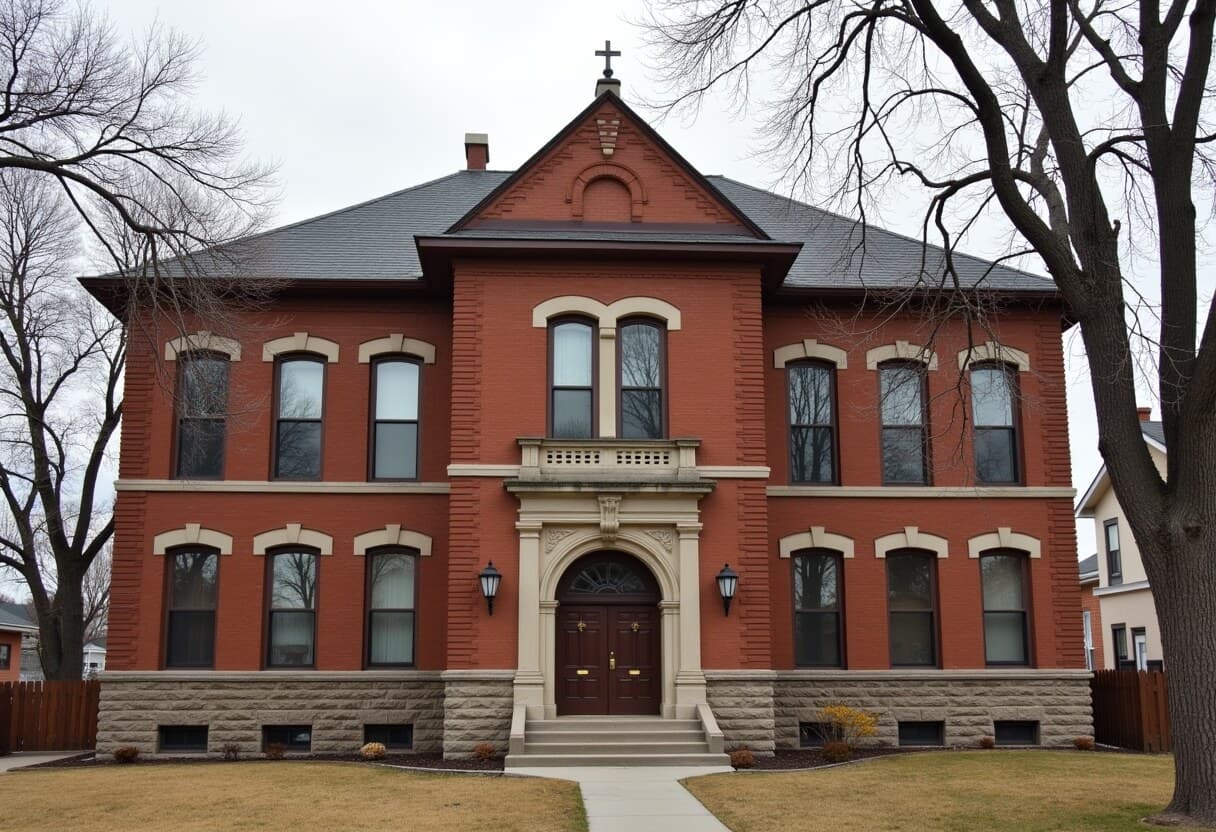
Don't quietly walk away
It is easy, when the headlines fill with words like shortfall and layoffs, to start quietly touring private schools and lottery magnets. I understand the impulse. I have felt it myself, late at night, refreshing a private school's admissions page. But I want to make the case for staying.
The temptation is strongest among families with the means to leave, which describes a lot of us on the hill. That is exactly why our choices carry weight: when the households with options exit one by one, the school that remains is left with fewer of the resources, and fewer of the advocates, that families like ours bring to the building.
I do not say this to shame anyone. The pull toward the exit is rational at the level of a single family. My argument is that it is corrosive at the level of a neighborhood, and that the two cannot really be separated when enough families face the same choice at once.
A neighborhood is the sum of what its residents refuse to give up on.— A Lowry Hill parent
The neighborhood public school is one of the last places where the children of a block actually know one another, where the family three doors down and the family across the alley share a carpool and a calendar. When we leave, that fabric thins, not all at once, but a thread at a time, until the school is no longer the neighborhood's and the neighborhood is no longer quite a neighborhood.
Yes, the district's finances are genuinely hard, and no parent should pretend otherwise. The budget gap is real, the warnings about staffing are real, and I would not tell anyone to ignore them. But the answer to a strained public institution is not abandonment; it is the kind of stubborn, unglamorous support that shows up at the levy hearing and the PTA meeting alike.
There is a version of this argument that asks parents to sacrifice their own children's interests for an abstraction. That is not my argument. Some children need things a particular school genuinely cannot provide, and those families should do what they must, without apology. I am addressing the larger group of us for whom the neighborhood school would be fine, even good, and who are tempted to leave anyway because leaving feels safer.
To that group I would say: the school you are tempted to abandon is, in large part, made of families like yours. Its strength is not a fixed quantity handed down from the district; it is the sum of who shows up, who fundraises, who runs for the site council, who insists at a budget hearing that this building matters. Walk away and you do not just remove a child; you remove a vote of confidence.
I am asking us to weigh, honestly, what we lose when the easy exit becomes the default for everyone who could afford it. A school can survive a hard budget year. It cannot survive the quiet, collective decision of its strongest families that it is no longer worth the trouble.
A neighborhood is, in the end, the sum of what its residents refuse to give up on. The school on the hill is worth refusing to give up on. I plan to keep showing up, at the meetings and the fundraisers and the hearings, and I am asking my neighbors to do the same.
OpinionLowry HillLowry Hill East (The Wedge)Kenwood
Related stories
Opinion
Opinion: Practical Local Pages Deserve the Front Page
A neighborhood site earns trust when its calendar, directory and public-safety basics are easy to find every day.

Opinion
Letter: A Thank-You to the Hill's Quiet Institutions
A longtime resident thanks Kenwood Community School, the Lowry Hill Neighborhood Association and the neighborhood's volunteers.

Opinion
Letter: Keep the Lakes in the Conversation
A resident urges that the health of the lakes stay a standing item on neighborhood agendas, not an afterthought once school budgets and development are settled.
The neighborhood, in your inbox
Free. No paywall. Pick the topics you want — we send what’s happening this week.