CityLowry HillLowry Hill East (The Wedge)East IslesCedar-Isles-DeanBryn MawrGreater Uptown & Nearby
Inside the New Hennepin: Bus Lanes, Bikeways and Medians
The rebuilt Hennepin Avenue reallocates about 1.4 miles of pavement among part-time bus lanes, a two-way protected bikeway, raised medians and wider sidewalks.
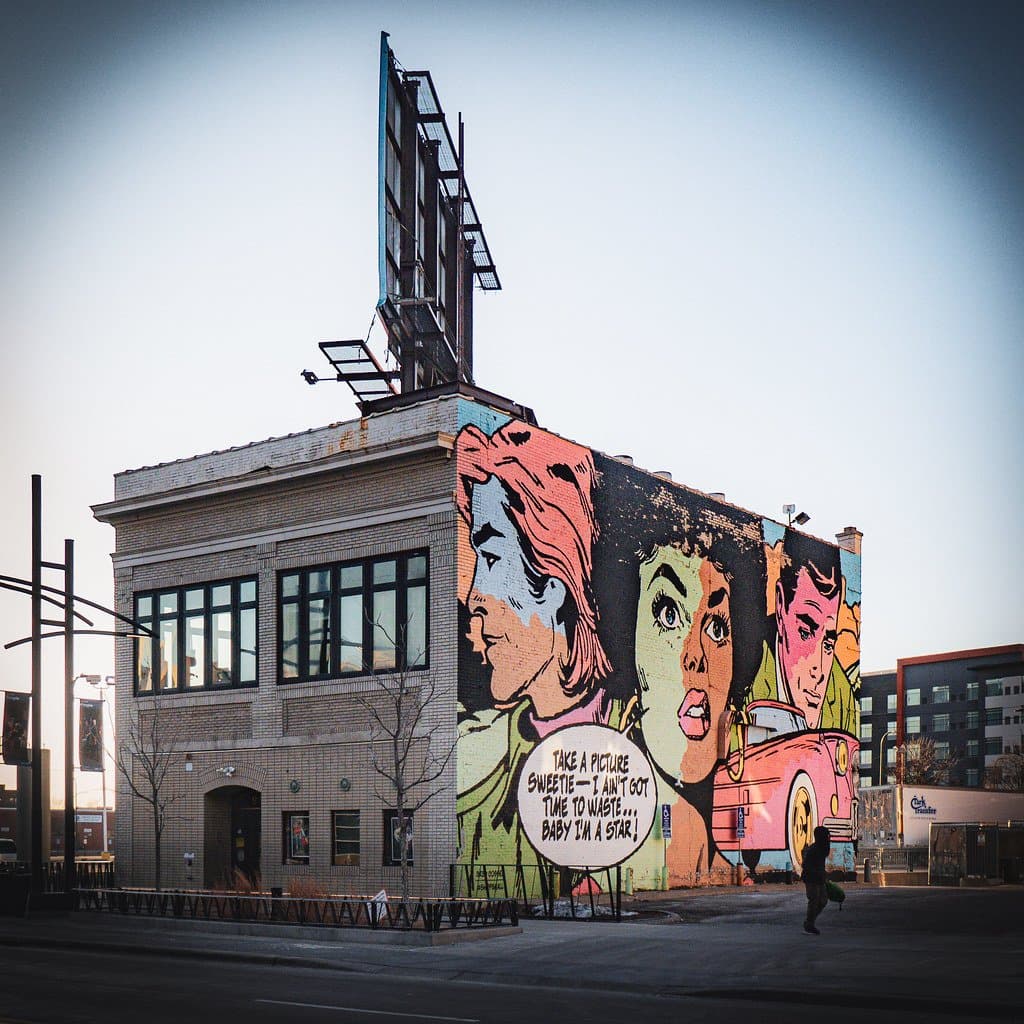
The Hennepin Avenue South that reopened Oct. 31 reallocates roughly 1.4 miles of pavement, from Lake Street to Douglas Avenue, among buses, bikes, pedestrians and cars in a way that changes how the corridor works day to day. Three features define it: bus lanes, a two-way protected bikeway and raised medians, alongside wider sidewalks and improved crossings.
The corridor includes dedicated bus lanes meant to keep transit moving when general traffic backs up, built to serve the METRO E Line bus rapid transit route that opened Dec. 6 and largely replaced Route 6. The lanes are reserved for transit a minimum of six hours a day rather than around the clock, a compromise that became the project's most debated element after Mayor Jacob Frey vetoed a resolution setting up full-time lanes and the council fell short of an override.
A two-way protected bikeway runs along the east side of Hennepin, physically separated from car traffic rather than painted on the roadway, and connects to bike routes on cross streets such as 24th, 26th and 28th. Protected bikeways draw more riders than paint-only lanes because they feel safe to people who would not ride in mixed traffic; the two-way configuration on one side was the way to fit meaningful bike infrastructure into the corridor's constrained width.
Raised medians, new turn lanes and improved crossings aim to calm traffic and shorten the distances pedestrians must cross. Combined with the wider sidewalks, they reshape a street built mainly to move cars into one designed to be crossed and used on foot, with a median that offers a refuge halfway across and tightened intersections that slow turning cars where conflicts with people on foot are most likely.
For the Wedge, Lowry Hill and the lakes neighborhoods, the design determines daily experience: whether the bus is reliable, whether biking to Uptown feels safe enough to do without a second thought, whether walking the corridor is pleasant. The true test is performance, measured over seasons rather than on opening day, bus times now that the E Line has launched, pedestrian and bike safety records, traffic flow and the health of the businesses along the street. Residents can review project materials on the city's Hennepin Ave S page and share how the corridor is working through their council office and Metro Transit.
CityLowry HillLowry Hill East (The Wedge)East IslesCedar-Isles-DeanBryn MawrGreater Uptown & Nearby
Related stories
City
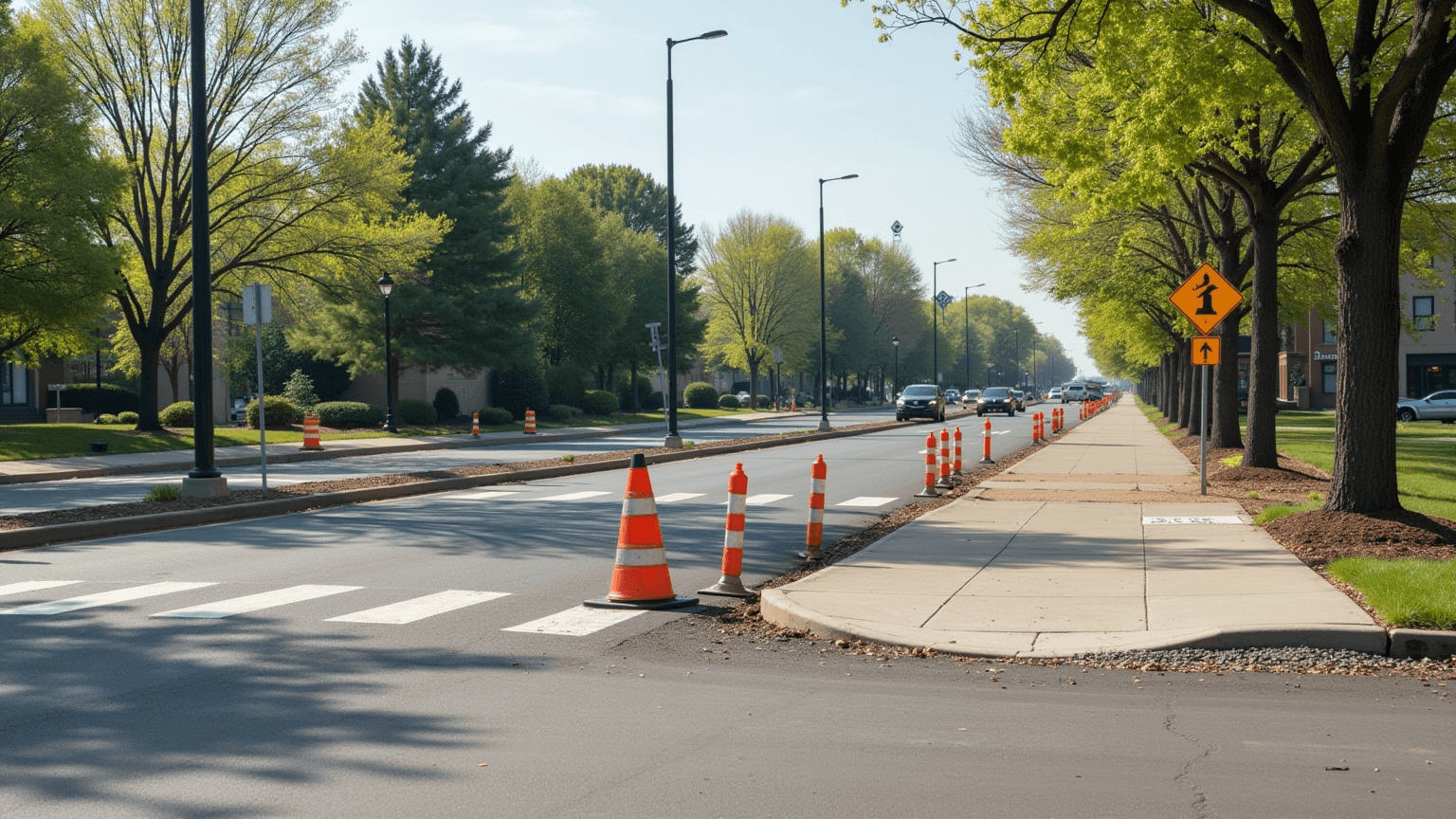
Parkway, intersection and pedestrian ramp improvements begin at Lake Harriet this year
Work to resurface Lake Harriet Parkway and improve the William Berry Parkway intersection will occur in phases starting in 2026.
City
Minneapolis Park and Recreation Board working on repairs at Northeast Ice Arena with goal of reopening in the fall
Minneapolis Park and Recreation Board plans to repair Northeast Ice Arena with a goal of reopening for the ice season this fall.
City
Algae at Minneapolis Lakes
The Minneapolis Park & Recreation Board issued an announcement about algae growth at city lakes following recent high temperatures.
The neighborhood, in your inbox
Free. No paywall. Pick the topics you want — we send what’s happening this week.